

Cleaning a chimney usually takes between two to four hours. The time varies based on factors like the chimney’s size, its condition, and how much soot has built up. Starting with proper preparation and the right tools can streamline the process. Safety is also essential, especially when working at height. If you’re curious about the best methods and tools to use for an efficient cleaning experience, there are more helpful insights available.



Preparation For Cleaning

Before you plunge into cleaning your chimney, it’s essential to prepare properly to guarantee the job goes smoothly and safely. Start by determining the cleaning frequency based on your chimney usage. If you use your fireplace regularly, a thorough cleaning at least once a year is recommended. Next, schedule a chimney inspection to identify any potential issues like creosote buildup or structural damage. This step not only assures safety but also informs you about the specific cleaning needs. Gather necessary protective gear, including gloves and a mask, to safeguard against soot and debris. Finally, clear the surrounding area to create a safe workspace. With proper preparation, you’ll set yourself up for a hassle-free cleaning experience, allowing you to enjoy the freedom of your fireplace.
Tools and Chemical Required

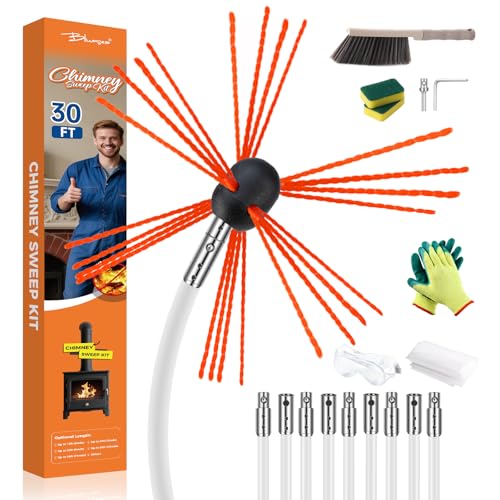
Once you’ve prepared your workspace, it’s time to gather the right tools and chemicals for cleaning your chimney effectively. You’ll need various brush types, including chimney brushes, round brushes, and extension poles to reach higher areas. It’s also important to have a sturdy ladder for access and a drop cloth to protect your surroundings.
For chemical solutions, look for specialized chimney cleaners that break down soot and creosote.
Here’s a quick reference table:
| Tool/Chemical | Purpose |
|---|---|
| Chimney Brush | Removes soot and debris |
| Extension Pole | Reaches high areas |
| Ladder | Access to the chimney |
| Chemical Cleaner | Breaks down buildup |
Gathering these essentials will streamline your cleaning process.
How to Clean:

Step 1: Ensure Safety and Accessibility
- Before you start cleaning your chimney, assess the workspace for safety.
- Make sure you have a sturdy ladder, as you will need to access the roof.
- Wear safety gear, including gloves, goggles, and a dust mask to protect yourself from soot and debris.
- Clear the area around your fireplace to allow for easy maneuvering and to prevent any accidents.
Step 2: Gather Your Tools
- Collect the necessary tools for chimney cleaning, including:
- A quality chimney brush that matches the size of your flue.
- A sturdy extension pole for reaching the top of the chimney.
- A vacuum or dustpan to collect debris.
- A drop cloth to protect the area around your fireplace.
- A flashlight to inspect the chimney after cleaning.
Step 3: Start from the Top
- Begin your cleaning process from the top of the chimney.
- Use the ladder to safely access the roof and locate the chimney cap.
- Remove the chimney cap if applicable and start brushing the flue with the chimney brush, moving it up and down to loosen soot and debris.
- Be thorough in your cleaning, ensuring that you cover all surfaces inside the flue.
Step 4: Work Your Way Down
- Continue to clean the chimney flue, gradually moving downward.
- Use the extension pole to reach areas that may be difficult to access.
- Periodically check the brush for soot build-up and clean it as needed to maintain efficiency.
- Ensure that all debris is dislodged and falls down the flue into the firebox.
Step 5: Inspect for Damage or Blockages
- After brushing, use a flashlight to inspect the inside of the chimney.
- Look for any signs of damage, such as cracks, creosote build-up, or blockages.
- If you notice any significant issues or blockages that you cannot clear, it may be time to call a professional chimney sweep for assistance.
Step 6: Regular Maintenance
- To keep your chimney in optimal condition, establish a regular cleaning schedule.
- Ideally, clean your chimney at least once a year, but consider more frequent cleanings if you use your fireplace often.
- Regular maintenance not only ensures a safe and efficient chimney but also enhances the longevity of your fireplace system.
Safety Consideration
Cleaning a chimney involves several safety considerations that are often overlooked. First, you should always assess for potential chimney hazards, such as creosote buildup or structural damage. Before you start, make certain you have the right protective gear, including gloves, goggles, and a mask to shield against soot and debris. If you’re working on a roof, secure yourself with a harness and use a sturdy ladder to prevent falls. Consider having a spotter nearby for additional safety. Don’t forget to clear the area around your fireplace to prevent fires from sparks. Finally, if you’re unsure or uncomfortable, it’s wise to hire a professional to guarantee safety while effectively cleaning your chimney. Your safety should always come first!
Frequently Asked Questions
How Often Should I Clean My Chimney?
You should clean your chimney at least once a year, especially if you use it regularly. Following these chimney maintenance tips can help prevent dangerous creosote buildup. If you burn wood, consider a more frequent cleaning—every few months during the burning season. Regular inspections will guarantee your chimney’s safe operation and help you avoid costly repairs. Staying proactive with chimney cleaning frequency can give you peace of mind and enhance your home’s safety.
Can I Clean My Chimney Myself?
Yes, you can clean your chimney yourself! With the right tools and some DIY tips, you can tackle this task safely. Start by gathering a chimney brush, extension rods, and a drop cloth to catch debris. Always wear safety gear, including goggles and a mask. Inspect the chimney for blockages before you begin cleaning. Regular maintenance not only improves efficiency but also prevents dangerous buildup. Just follow safety precautions and take your time!
What Are Signs My Chimney Needs Cleaning?
If you notice a strong smell of creosote or see black soot around your fireplace, it’s time to clean your chimney. Other signs include difficulty starting a fire, smoke backing up into your home, or visible debris in the flue. Regular chimney maintenance tips suggest checking for cracks or blockages, as these are common chimney issues that can lead to dangerous situations. Don’t wait too long; guarantee your chimney’s safe and efficient.
How Much Does Professional Chimney Cleaning Cost?
Professional chimney cleaning prices typically range from $100 to $300, depending on factors like your location and the chimney’s condition. If you’ve got a more complex system or added services, costs might be higher. It’s wise to get multiple quotes to guarantee you’re making an informed decision. Investing in a professional service not only maintains your chimney’s efficiency but also assures safety, giving you peace of mind as you enjoy your home.
Is Chimney Cleaning Necessary for Gas Fireplaces?
Yes, chimney cleaning is essential for gas fireplaces. Did you know that nearly 25% of chimney fires are linked to gas appliances? Regular gas fireplace maintenance guarantees that your system operates safely and efficiently. Following chimney safety tips, like annual inspections, helps prevent dangerous buildup and potential hazards. Ignoring maintenance can lead to costly repairs or worse. Keep your home safe and enjoy your fireplace worry-free by scheduling routine cleanings.

[…] weekly or burn lots of resinous/soft woods, plan on cleaning more often to prevent dangerous creosote buildup. You’ll also want to clean right after any period of heavy use or if you notice strong smoke […]
[…] to know how to clean a clogged propane regulator? This step-by-step guide walks you through the fastest, safest way to […]
[…] how to clean the GermGuardian Air Purifier AC3000W clean filter? This guide walks you through the exact steps to […]
[…] a wood stove chimney every year as the baseline schedule—but if you burn frequently or notice creosote buildup, you should clean it about twice per season to prevent dangerous buildup. This simple schedule […]
[…] how to clean foir wheeler the quick and safe way with steps that get the job done without cutting corners or […]
[…] guesswork? Follow this step-by-step guide to remove soot, clear ash from the firebox, and tackle creosote buildup so it burns clean and safely. If you want the fastest route to a cooler, more efficient […]
[…] that actually restores shine without damaging the finish. You’ll learn exactly what to use, how to clean through grime in the seams, and how to avoid over-wetting so it doesn’t warp. Follow this process […]
[…] followed by a long-lasting protective coating that resists UV haze. This guide shows exactly how to clean, what to protect with, and how to keep headlights looking sharp instead of turning cloudy […]
[…] lifts the stain without shrinking, stiffening, or fading the fibers. This guide answers exactly how to clean wool spot stains step-by-step, including what to dab, what to avoid, and when to stop before the […]
[…] how to remove clear coat without damaging the wheel finish, what to look for while stripping, and how to clean and prep for a durable, uniform […]
[…] you’re wondering how to clean a Kindle screen, the safest, best method is a dry microfiber cloth first, followed by very light […]
[…] to know how to clean period underwear without damaging it? The fastest, safest method is to rinse promptly in cool […]
[…] or wood stove regularly, with inspections in between. If you burn wood frequently or notice heavy creosote buildup, bump cleaning to every 6 months to stay ahead of chimney fires. Not sure how often you need to […]
[…] how to clean cast iron grill grates fast and without ruining the seasoning. You’ll get a simple, proven […]
[…] should never clean a chimney flue while the stove is hot or actively venting smoke—start by cooling the system fully and […]
[…] wood stove chimney is best cleaned by removing creosote buildup with the right chimney brush and proper tools, then checking the flue and joints for blockages. If […]
[…] how to clean Mr Coffee and get it brewing properly again? Follow these easy, step-by-step instructions to remove […]
[…] safe diving-board cleaning process is predictable: pre-rinse to remove grit, wash with a mild non-abrasive cleaner, rinse until truly […]
[…] to know how to clean a Bunn commercial coffee maker quickly—and still get it back to brewing safely? Follow the […]
[…] how to clean a cartridge pool filter with a step-by-step process that removes trapped debris and restores proper […]
[…] cleaning typically costs $100–$300, and the price rises when you have heavy soot/creosote buildup, limited access, or multiple flues. In practice, I’ve found that the fastest way to avoid sticker […]
[…] how to clean a shower curtain liner and get it looking fresh again? For most plastic and fabric liners, the […]
[…] usually covers a standard sweep plus a basic safety check. Your final price typically rises with creosote buildup, chimney height/access complexity, and whether your sweep discovers repairs or blockages during […]
[…] clean your fireplace at least once a year—right before you start the heating season—to keep creosote buildup in check and reduce fire risk. If you burn wood frequently or notice strong odors, heavier soot, or […]
[…] your fireplace or wood stove regularly. If you burn more frequently, use harder woods, or notice creosote buildup, you may need to clean it every 6 months to prevent dangerous soot and chimney fires. This guide […]
[…] well-maintained woodburner supports airflow, reduces creosote buildup (a tar-like residue from incomplete combustion), and helps maintain a strong draft. In my own […]
[…] right rinse method, and this guide gives you the simplest winning routine. You’ll learn exactly how to clean acrylic nail brushes after use—removing acrylic residue without wrecking the bristles. Follow […]
[…] to know how to clean a Bunn coffee maker fast and correctly? Follow these step-by-step instructions to descale, flush, […]
[…] to know how to clean a nylon bag without damaging it? For most everyday nylon bags, the fastest, safest method is a […]
[…] how to clean a gravestone safely and effectively without damaging the stone: start with the gentlest dry […]
[…] to know how to clean a boar bristle brush without ruining its shape or shedding? Follow these easy, step-by-step […]
[…] how to clean a marble table top safely? Use a pH-neutral cleaner and soft microfiber cloth to remove everyday […]
[…] you use the right order: rinse, gently wash, then dry without scratching. This quick guide answers how to clean Maui Jim lenses safely, even if they’re smudged, oily, or salt-streaked from beach days. Follow […]
[…] exactly how to clean a marble mortar and pestle without scratching the surface or leaving residues. Follow these simple […]
[…] to know how to clean a white leather sofa without dulling it or leaving grime behind? Follow this step-by-step method […]
[…] and cleaner designed for soot, and consider a professional chimney inspection if you notice heavy creosote buildup or poor […]