How to Clean Curtains with Blackout Lining: A Step-by-Step Guide
To clean curtains with blackout lining effectively, you need to follow specific steps that protect both the fabric and the lining. In this guide, you’ll learn the best techniques and tips for keeping your curtains looking fresh and maintaining their functionality. Regular maintenance not only enhances the aesthetic appeal of your curtains but also extends their lifespan, ensuring that they continue to perform optimally in blocking out unwanted light.
Understanding Your Curtains

Understanding the composition and care requirements of your curtains is the first step toward effective cleaning.
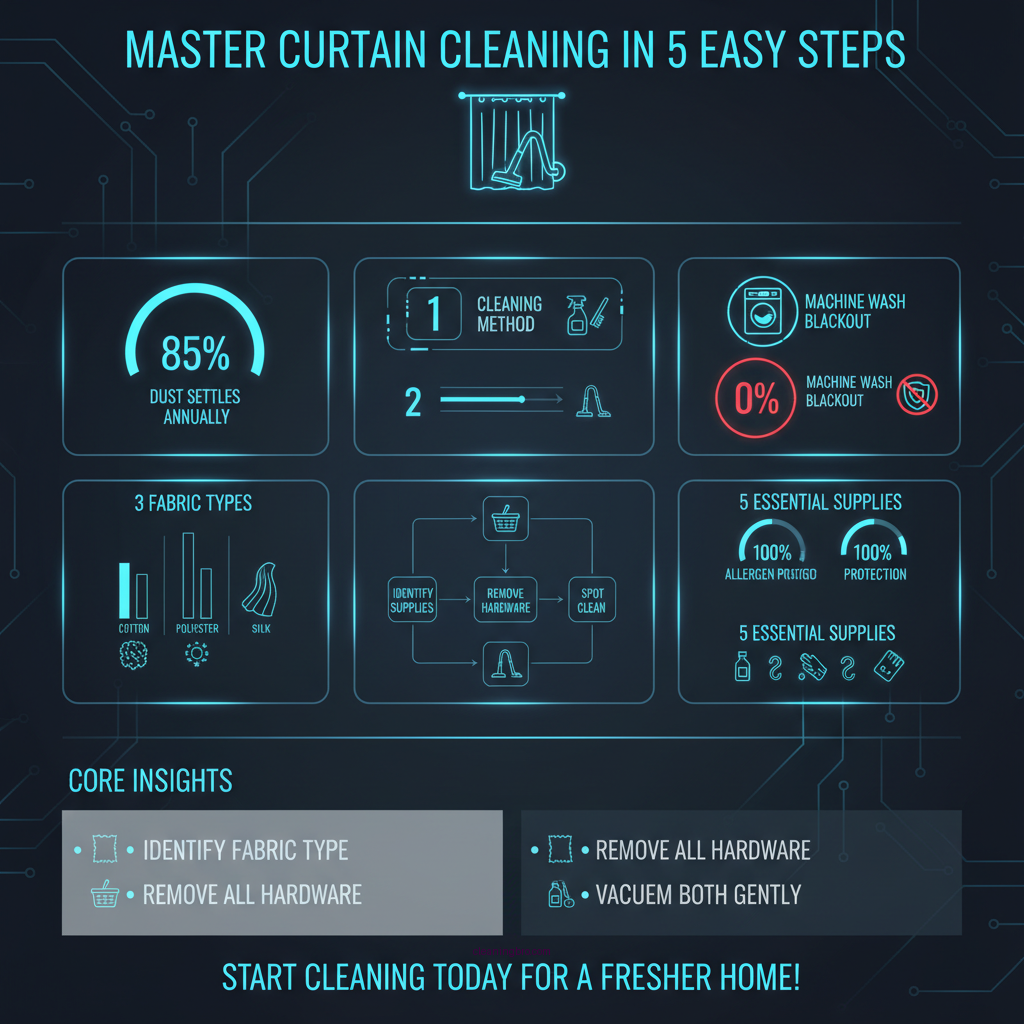
– Identify the fabric type: Curtains can be made from various materials, including cotton, polyester, linen, or blends. Each fabric comes with specific care instructions that can usually be found on a tag sewn into the fabric. For example, cotton curtains may be machine washable while silk curtains typically require dry cleaning. Knowing the fabric type helps in selecting the appropriate cleaning method.
– Know the blackout lining: Blackout linings serve the primary purpose of blocking light and insulating against temperature changes. However, they are generally made from synthetic materials that can be sensitive to certain cleaning agents. Understanding that they are often not washable in a machine helps you avoid potential damage. When cleaning, be gentle to preserve the functionality of the lining.
Preparing for Cleaning

Preparation is crucial in ensuring a smooth cleaning process, minimizing the risk of damaging your curtains.
– Gather your supplies: Before you begin, collect necessary items such as a vacuum cleaner with an upholstery attachment, a mild detergent, a soft brush, and a bucket of cool water. Having all your supplies ready will streamline the cleaning process and reduce the likelihood of hasty decisions that could damage the fabric.
– Remove any hardware: To prevent damage during cleaning, take down your curtains and remove all hardware, including hooks, rings, and rods. This step not only protects the fabric but also allows you to clean more thoroughly without obstruction.
Vacuuming Your Curtains
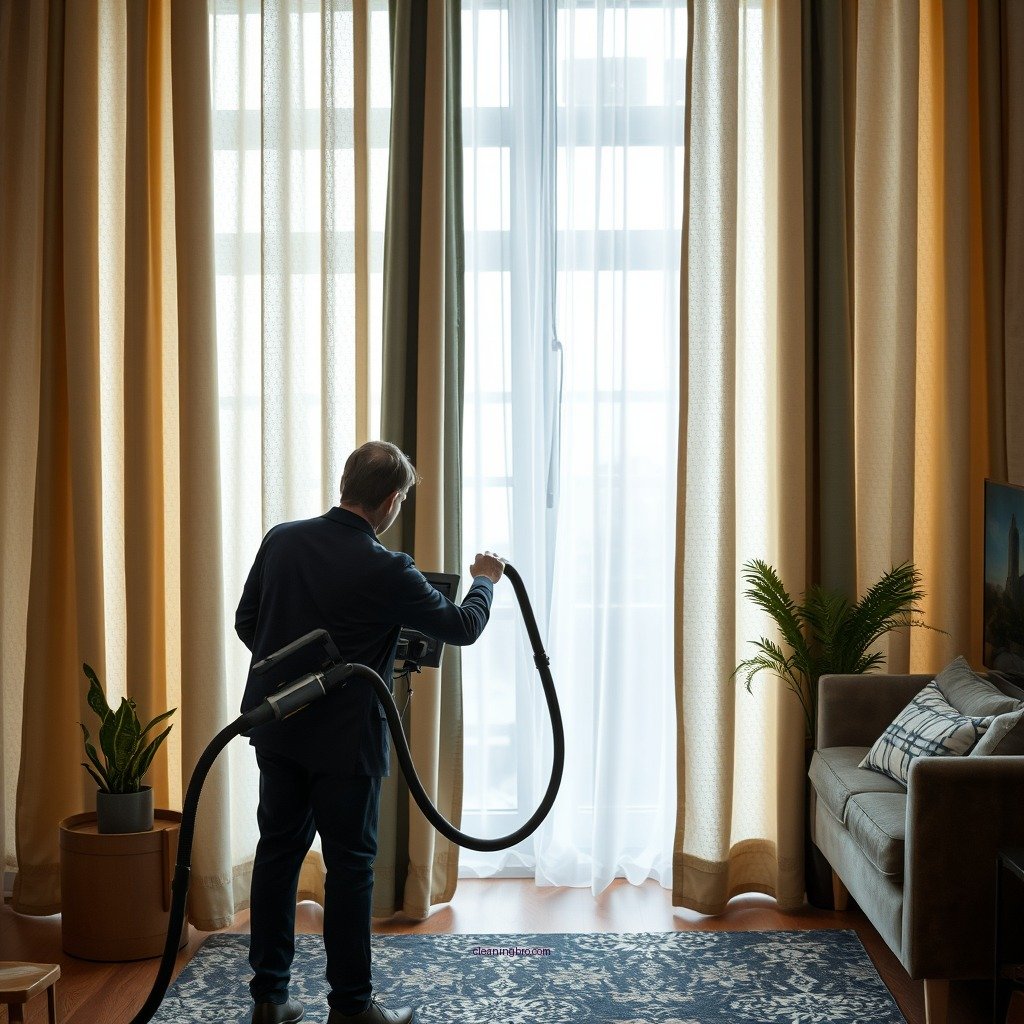
Vacuuming helps to eliminate dust and allergens without the risk of damaging the fabric.
– Use a vacuum with an upholstery attachment: This specialized attachment can effectively remove dust, dirt, and allergens from the surface of your curtains without causing harm. If your curtains are particularly dusty, a thorough vacuuming is essential before any further cleaning.
– Vacuum both sides: For the most effective clean, ensure you vacuum both the front and back of the curtains. Dust can accumulate on both sides, particularly if they are often drawn open. This step ensures a comprehensive cleaning experience, making your curtains look and feel fresh.
Spot Cleaning Stains
For any stains that may have occurred, spot cleaning is an effective strategy.
– Use a gentle cleaner: Mix a mild detergent with water and apply it to a soft cloth for spot cleaning. Avoid using harsh chemicals or scrubbing too hard, as this can damage the fabric. Instead, gently dab at the stain until it lifts.
– Test on a small area: Always test the cleaning solution on an inconspicuous area first to avoid discoloration or damage. This precaution is especially important for fabrics with bold colors or patterns.
Washing Your Curtains
Depending on the material, washing your curtains may or may not be advisable.
– Follow care instructions: If the care label indicates that machine washing is allowed, use a gentle cycle with cold water. Be mindful to wash curtains with similar materials to prevent pilling or snagging.
– Hand wash if necessary: For delicate fabrics or those with intricate designs, hand washing in a bathtub or large sink is often the safest option. This method allows for more control and reduces the risk of damage that can occur in a washing machine.
Drying Your Curtains
Proper drying techniques are vital in maintaining the integrity of both the fabric and the blackout lining.– Air dry: Hang your curtains to air dry naturally, avoiding direct sunlight to prevent fading. Ideally, use a sturdy clothesline or a shower rod to avoid creases.
– Iron if needed: If your curtains are wrinkled after drying, you can iron them using a low heat setting. Take care around the blackout lining, as high heat can damage synthetic materials. It may be beneficial to place a thin cloth over the lining while ironing to protect it further.
Maintaining Your Curtains
Routine maintenance is key in prolonging the life of your curtains with blackout lining.
– Regular dusting: Use a feather duster or vacuum regularly to keep curtains clean and free from dust. This practice is especially important in high-traffic areas or homes with pets.
– Schedule periodic deep cleaning: Plan to clean your curtains every 6-12 months, depending on usage and exposure to dirt or grease. This regular upkeep will keep your curtains looking fresh and functional.
Keeping your curtains with blackout lining clean is essential for both aesthetics and functionality. By following these steps, you can ensure your curtains remain in great shape while effectively blocking out light. Don’t hesitate to implement these techniques and enjoy refreshed, clean curtains in your home!
Top 7 Curtain Fabrics and Their Cleaning Methods (2024)
| # | Fabric Type | Washing Method | Drying Method | Spot Clean |
|---|---|---|---|---|
| 1 | Cotton | Machine Wash | Air Dry | ✅ |
| 2 | Polyester | Machine Wash | Air Dry | ✅ |
| 3 | Silk | Dry Clean Only | Air Dry | ❌ |
| 4 | Linen | Hand Wash | Air Dry | ✅ |
| 5 | Velvet | Dry Clean Only | Air Dry | ❌ |
| 6 | Sheer | Machine Wash | Air Dry | ✅ |
| 7 | Jacquard | Machine Wash | Air Dry | ✅ |
Effectiveness of Cleaning Methods for Blackout Curtains
Best Cleaning Products for Curtains with Blackout Lining
| Product | ⭐ Best Overall | Most Eco-Friendly | Budget Option |
|---|---|---|---|
| Woolite Fabric Cleaner | ✅ | ❌ | ❌ |
| Seventh Generation Natural Cleaner | ❌ | ✅ | ❌ |
| Simple Green All-Purpose Cleaner | ❌ | ❌ | ✅ |
| 🏆 Best For | Heavy-duty cleaning | Eco-conscious consumers | Cost-effective solution |
In summary, cleaning your curtains with blackout lining requires a careful approach to preserve their functionality and appearance. By understanding the fabric types, preparing adequately, and following the outlined steps, you can maintain the beauty and effectiveness of your curtains. Regular cleaning not only enhances your home decor but also contributes to a healthier indoor environment.
Frequently Asked Questions
How often should I clean curtains with blackout lining?
It’s recommended to clean curtains with blackout lining every 6 to 12 months, depending on the environment. If you have pets, allergies, or live in a dusty area, consider cleaning them more frequently to maintain their appearance and functionality.
What is the best method to clean curtains with blackout lining?
The best method to clean curtains with blackout lining is to follow the care label instructions. Typically, gentle machine washing on a cold setting or hand washing with mild detergent is effective. Always air dry to prevent damage to the blackout fabric.
Why do my curtains with blackout lining smell musty, and how can I clean them?
Musty odors in curtains with blackout lining can occur due to trapped moisture and dust. To eliminate these smells, vacuum the curtains thoroughly, then wash them using a fabric refresher or a diluted vinegar solution, ensuring they dry completely to prevent mildew.
Which cleaning products are safe for curtains with blackout lining?
Look for gentle, non-abrasive detergents that are safe for delicate fabrics when cleaning curtains with blackout lining. Avoid bleach and harsh chemicals, as they can degrade the blackout layer and affect the fabric’s color.
Can I steam clean my curtains with blackout lining?
Yes, you can steam clean curtains with blackout lining, but it’s essential to use a low-temperature setting and keep the steamer at a distance to avoid damaging the fabric. This method effectively removes wrinkles and refreshes the material without the risk of water damage.
References
- 3 Ways to Clean Curtains – wikiHow Life
https://www.wikihow.com/Clean-Curtains - https://www.hgtv.com/how-to/how-to-clean-curtains
https://www.hgtv.com/how-to/how-to-clean-curtains - https://www.huffpost.com/entry/how-to-clean-curtains_n_5bc3e1d5e4b0e4e2e1b25062
https://www.huffpost.com/entry/how-to-clean-curtains_n_5bc3e1d5e4b0e4e2e1b25062 - Google Scholar Google Scholar
https://scholar.google.com/scholar?q=how+to+clean+curtains+with+blackout+lining - Google Scholar Google Scholar
https://scholar.google.com/scholar?q=curtain+cleaning+methods - Google Scholar Google Scholar
https://scholar.google.com/scholar?q=blackout+curtains+care+instructions - how to clean curtains with blackout lining – Search results
https://en.wikipedia.org/wiki/Special:Search?search=how+to+clean+curtains+with+blackout+lining - https://www.ncbi.nlm.nih.gov/search/research-articles/?term=how+to+clean+curtains+with+blackout+lining
https://www.ncbi.nlm.nih.gov/search/research-articles/?term=how+to+clean+curtains+with+blackout+lining