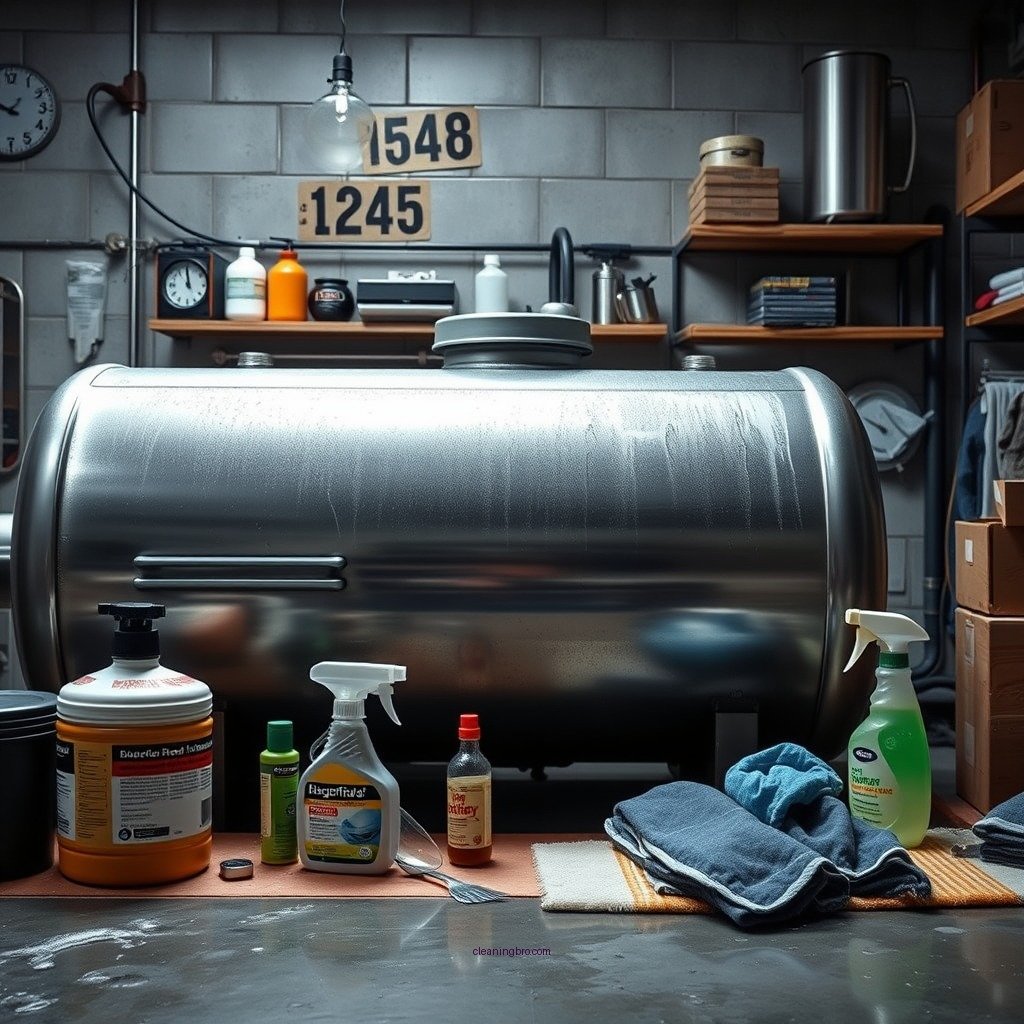
How to Clean a Diesel Tank: Step-by-Step Guide
Cleaning a diesel tank is crucial for maintaining fuel quality and preventing engine problems. Regular maintenance of your diesel tank not only ensures that your engine runs smoothly but also extends the lifespan of your equipment. This guide will provide you with a detailed, step-by-step approach to effectively clean your diesel tank, covering everything from preparation to maintenance tips.
Preparing for the Cleaning Process
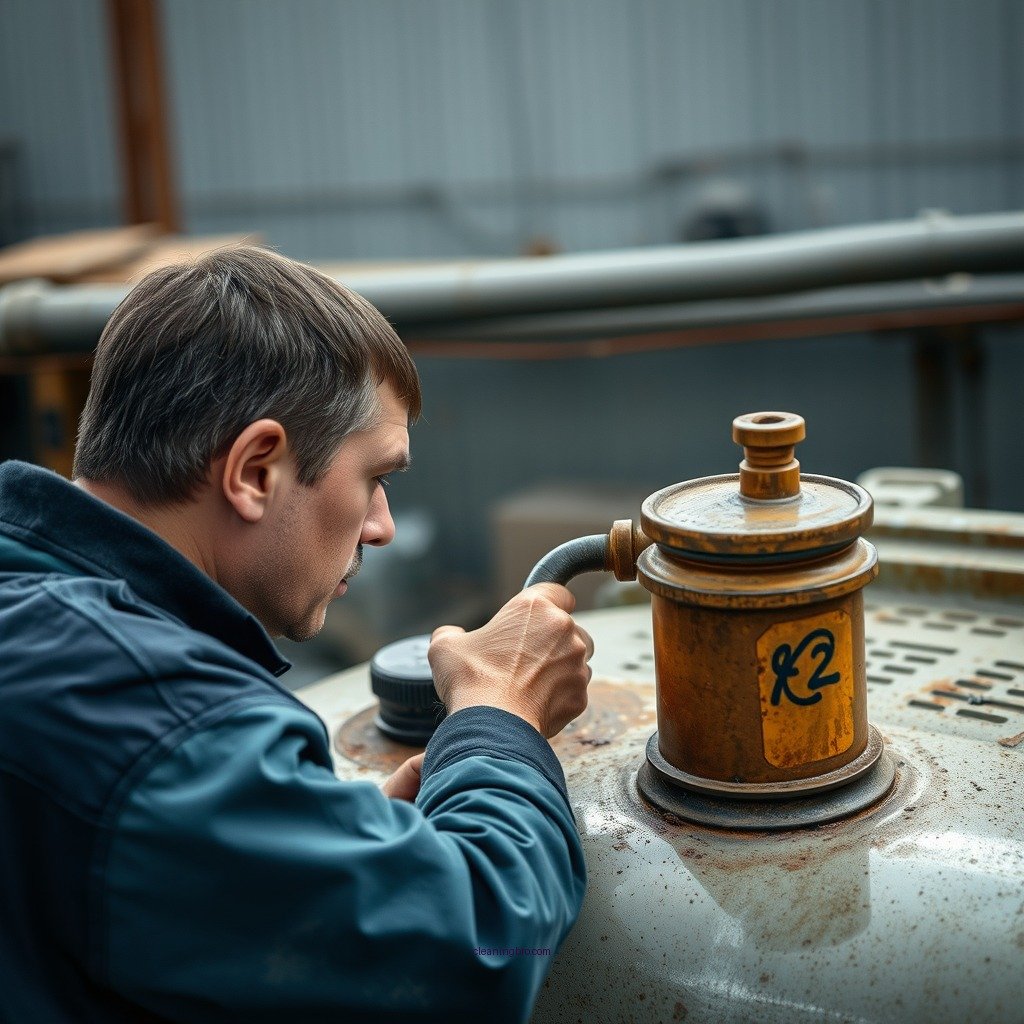
Before you begin cleaning your diesel tank, it’s essential to gather all necessary tools and ensure a safe working environment.
– Gather Necessary Tools: You will need a siphon pump, a suitable diesel tank cleaning solution, absorbent rags, a bucket for collecting contaminants, and a variety of brushes for scrubbing. Additionally, having a vacuum pump can help remove residual sludge more efficiently.
– Safety Gear: Always wear appropriate safety gear, including gloves, goggles, and a mask to protect against fumes. Make sure to have a fire extinguisher nearby, as diesel fuel is flammable.
– Ventilation: Work in a well-ventilated area to prevent the accumulation of harmful fumes. Ensure that the area is free of sparks or open flames, as they can pose serious fire hazards.
Draining the Diesel Tank
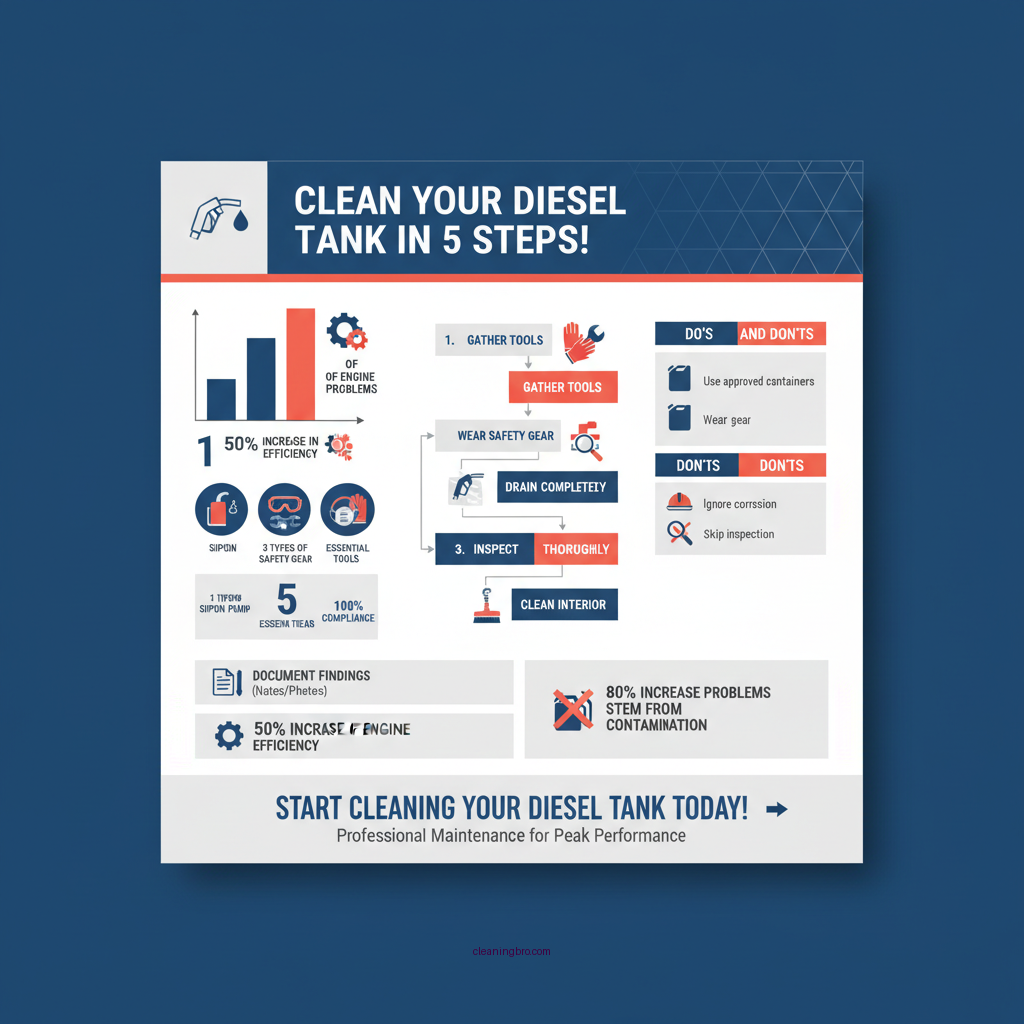
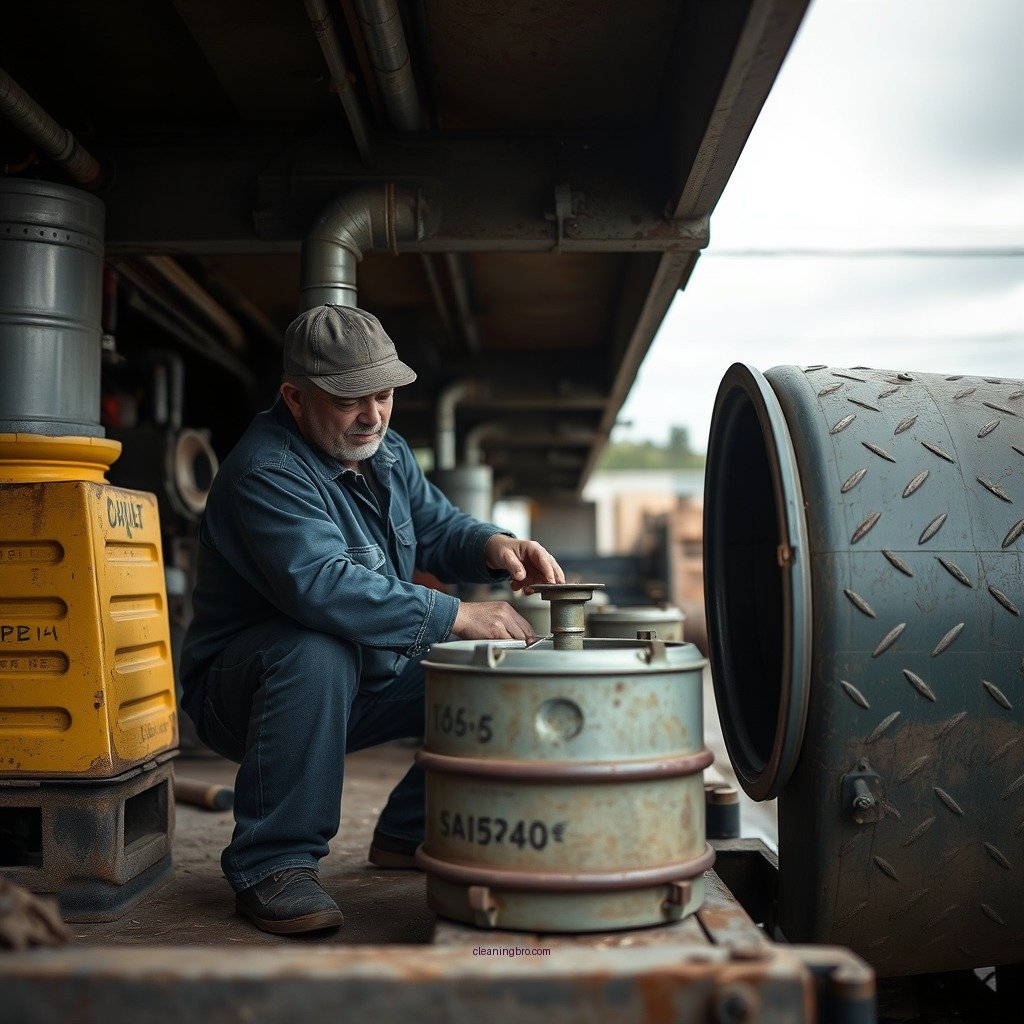
The first and most critical step in cleaning your diesel tank is to drain it completely.
– Using a Siphon Pump: Carefully insert the siphon pump into the tank and begin pumping out the diesel fuel. It’s vital to do this slowly to avoid spills and potential hazards.
– Storing the Fuel: Collect the drained fuel in approved containers that are designed for flammable liquids. Label these containers clearly for future use or safe disposal.
– Disposal of Contaminants: If the fuel is contaminated, check local regulations regarding the disposal of hazardous materials. It may require professional disposal services to ensure compliance with environmental regulations.
Inspecting the Tank
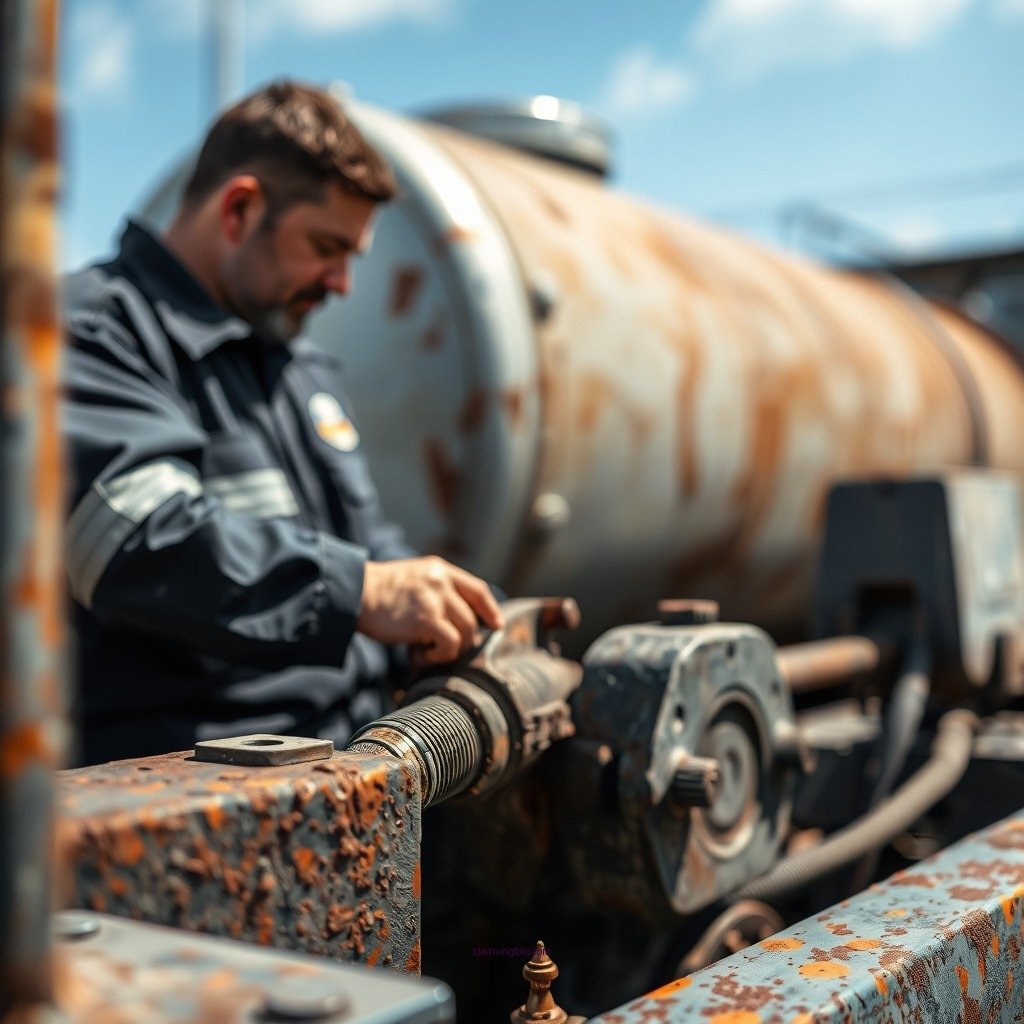
After draining the tank, the next step is to inspect the interior thoroughly.
– Signs of Damage: Look for any signs of rust, corrosion, or cracks that could indicate structural issues with the tank. These problems can lead to leaks and further complications.
– Water and Sludge Accumulation: Check the bottom of the tank for water or sludge accumulation, which can be detrimental to engine performance. Water in the fuel can lead to corrosion and microbial growth.
– Documentation: Take notes or photographs of any issues found during your inspection, as this information can be valuable for future reference or for professionals if repairs are needed.
Cleaning the Interior
Cleaning the interior of the diesel tank is vital to remove any contaminants that may affect fuel quality.
– Using a Cleaning Solution: Apply a specialized diesel tank cleaning solution to the interior surfaces. Use a brush to scrub the walls and bottom of the tank, ensuring that you remove all residues and contaminants.
– Rinsing: After scrubbing, it is crucial to rinse the tank thoroughly with clean water. This step ensures that all cleaning agents are removed, preventing any adverse reactions when refilled with diesel fuel.
– Drying: Allow the tank to dry completely before moving to the next step. This can take several hours depending on the conditions. Using a fan can expedite the drying process.
Filtering and Removing Contaminants
To maintain fuel quality post-cleaning, it’s essential to filter out any remaining debris.
– Install a Fuel Filter: After cleaning and drying, install a high-quality fuel filter in the tank’s fuel line. This filter will catch any remaining debris or contaminants that may still be present in the tank.
– Regular Maintenance: Be proactive about replacing the fuel filter regularly, as this helps maintain optimal fuel quality and prevents engine issues due to clogging.
– Testing Fuel Quality: Whenever you refill the tank, test the diesel fuel for quality. Water detection kits are available that can help you determine if there are any water contaminants before refueling.
Refilling the Tank
With the tank cleaned and inspected, you can now refill it with fresh diesel.
– Use Quality Fuel: Ensure that the diesel fuel you are using is of high quality and free from impurities. Purchase fuel from reputable suppliers who adhere to industry standards.
– Monitor Fuel Quality: After refilling, keep an eye on the quality of the fuel. Inspect the fuel filter periodically and listen for any unusual engine noises that might indicate fuel issues.
– Record Keeping: Maintain a log of fuel purchases and any maintenance activities performed. This record can be helpful for tracking performance issues and scheduling future cleanings.
Maintenance Tips for Longevity
Regular maintenance is essential for the longevity and effective performance of your diesel tank and engine.
– Schedule Regular Cleanings: Depending on usage and fuel quality, schedule cleanings at least once a year. More frequent cleanings may be necessary for tanks that are heavily used or that store lower-quality fuel.
– Monitor for Leaks: Regularly check for leaks or signs of contamination in and around the tank. Early detection can prevent more significant issues down the line.
– Stay Informed: Keep up with best practices for diesel fuel management and tank maintenance. Resources from industry associations or equipment manufacturers can provide valuable insights and updates.
Cleaning your diesel tank is crucial for ensuring that your engine operates efficiently and effectively. By following this systematic approach, you can enhance the performance and lifespan of your diesel system. Regular maintenance, coupled with attention to detail, will help you avoid costly repairs and ensure a smooth-running engine.
Top Diesel Tank Cleaning Solutions (2024)
| # | Cleaning Solution | Effectiveness | Environmental Impact | Cost |
|---|---|---|---|---|
| 1 | Diesel Tank Cleaner Pro | 95% | Low | $50 |
| 2 | Fuel Tank Cleaner Max | 90% | Medium | $40 |
| 3 | Eco-Friendly Diesel Cleaner | 85% | Very Low | $60 |
| 4 | Petroleum Cleaner 2000 | 88% | Medium | $45 |
| 5 | Tank Clean Plus | 92% | Low | $55 |
| 6 | Pro Diesel Cleaner | 89% | Medium | $50 |
| 7 | Sludge Remover 3000 | 91% | Low | $65 |
Fuel Tank Cleaning Effectiveness (%)
Diesel Tank Cleaning Solutions Comparison
| Feature | ⭐ Diesel Tank Cleaner Pro | Tank Clean Plus | Sludge Remover 3000 |
|---|---|---|---|
| Effectiveness | ✅ 95% | ✅ 92% | ✅ 91% |
| Environmental Impact | Low | Low | Low |
| Cost | $50 | $55 | $65 |
| Availability | Widely available | Widely available | Limited |
| User Reviews | ★★★★☆ | ★★★★½ | ★★★★☆ |
| Ease of Use | ✅ Easy | ✅ Moderate | ✅ Moderate |
| Brand Reputation | Established | Trusted | Emerging |
| Safety Rating | High | Medium | Medium |
| Warranty | 2 Years | 1 Year | 1 Year |
| 🏆 Best For | High effectiveness users | Cost-sensitive users | Budget-conscious users |
Given the steps outlined above, cleaning your diesel tank can lead to improved engine performance and efficiency. Regular maintenance, inspection, and proper cleaning protocols will significantly enhance the longevity of your diesel system. Always remain proactive in your approach to diesel tank care; it not only saves you from potential downtime but also ensures optimal engine performance.
Frequently Asked Questions
What is the best method to clean a diesel tank?
The best method to clean a diesel tank involves first draining the fuel and removing any debris or sludge from the bottom. Use a suitable diesel tank cleaning solution and a high-pressure water rinse to eliminate contaminants. After cleaning, ensure the tank is thoroughly dried and inspected for any signs of rust or damage before refilling it with diesel fuel.
How often should I clean my diesel tank?
It is recommended to clean your diesel tank every 1 to 2 years, depending on usage and the quality of diesel fuel being used. If you notice any signs of water accumulation, sludge, or fuel filtration issues, it may be necessary to clean the tank more frequently. Regular maintenance helps to prevent fuel contamination and prolongs the life of your diesel engine.
Why is it important to clean a diesel tank regularly?
Regularly cleaning a diesel tank is crucial to prevent fuel contamination, which can lead to engine performance issues, reduced fuel efficiency, and costly repairs. Contaminants such as algae, water, and sludge can accumulate over time, affecting fuel quality and causing damage to injectors and filters. Keeping the tank clean ensures optimal engine function and longevity.
Which products are effective for cleaning a diesel tank?
Effective products for cleaning a diesel tank include specialized diesel tank cleaning solutions, such as biocides and detergents designed to break down sludge and eliminate algae. Additionally, using a high-pressure washer and a quality fuel filter can help in the cleaning process. Always choose products that are compatible with diesel fuel to ensure safety and effectiveness.
What precautions should I take when cleaning a diesel tank?
When cleaning a diesel tank, it is essential to take safety precautions, such as wearing protective gear like gloves and goggles. Ensure the area is well-ventilated and avoid any open flames or sparks, as diesel vapors are flammable. Additionally, properly dispose of any waste materials and contaminated fuel according to local environmental regulations to minimize environmental impact.
References
- https://www.sciencedirect.com/topics/engineering/diesel-fuel-tank
https://www.sciencedirect.com/topics/engineering/diesel-fuel-tank - Diesel fuel | Definition, Efficiency, & Pollution | Britannica
https://www.britannica.com/science/diesel-fuel - https://www.ncbi.nlm.nih.gov/pmc/articles/PMC5001664/
https://www.ncbi.nlm.nih.gov/pmc/articles/PMC5001664/ - Collective Behavior: From Cells to Societies: Interdisciplinary Research Team Summaries | The Nat…
https://www.nap.edu/catalog/21737/cleaning-and-purging-procedures-for-diesel-engines - https://www.researchgate.net/publication/264731790_Cleaning_Diesel_Tanks
https://www.researchgate.net/publication/264731790_Cleaning_Diesel_Tanks - Google Scholar Google Scholar
https://scholar.google.com/scholar?q=how+to+clean+diesel+tank - Google Scholar Google Scholar
https://scholar.google.com/scholar?q=diesel+tank+cleaning+procedures - Google Scholar Google Scholar
https://scholar.google.com/scholar?q=maintenance+of+diesel+tanks - https://www.environment.gov.au/protection/water-quality/diesel-fuel-contamination
https://www.environment.gov.au/protection/water-quality/diesel-fuel-contamination - how to clean diesel tank – Search results
https://en.wikipedia.org/wiki/Special:Search?search=how+to+clean+diesel+tank