
How to Clean Diesel Fuel Tanks: A Step-by-Step Guide
Cleaning diesel fuel tanks is essential for ensuring optimal fuel quality and engine performance. By removing contaminants and sediment that can accumulate over time, you can prevent potential engine issues and prolong the life of your fuel system. This guide will provide you with effective methods and tips for cleaning diesel fuel tanks safely and efficiently.
Understanding the Importance of Fuel Tank Cleaning
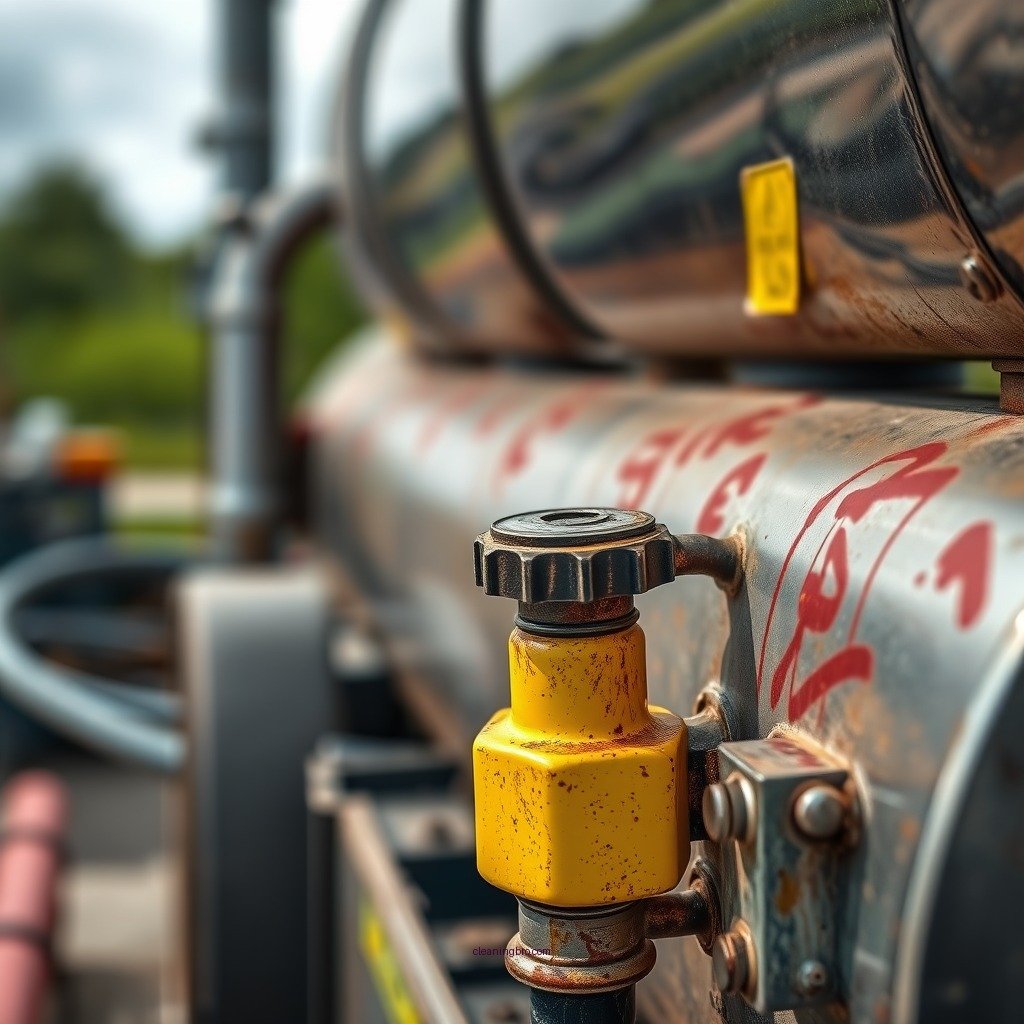
Cleaning diesel fuel tanks is not merely a routine maintenance task; it is a critical component of vehicle upkeep. Regular cleaning prevents contamination that can adversely affect engine performance. Contaminants such as water, dirt, and microbial growth can lead to fuel degradation, resulting in clogged filters and injectors, reduced fuel efficiency, and even engine failure.
Furthermore, a clean fuel tank extends the lifespan of your fuel tank and associated components. Keeping the tank free from sediment and buildup not only enhances the efficiency of fuel delivery but also minimizes the risk of costly repairs associated with fuel system failures.
Safety Precautions Before Cleaning
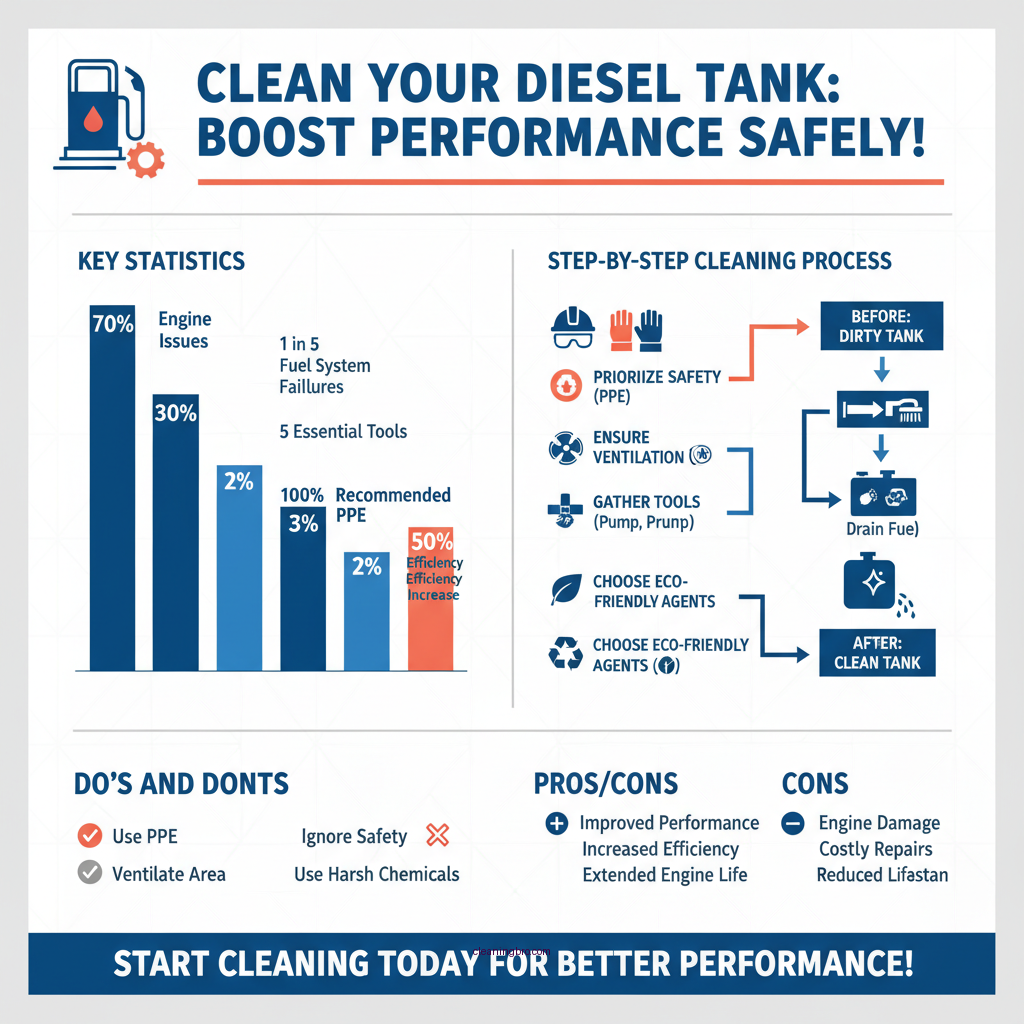
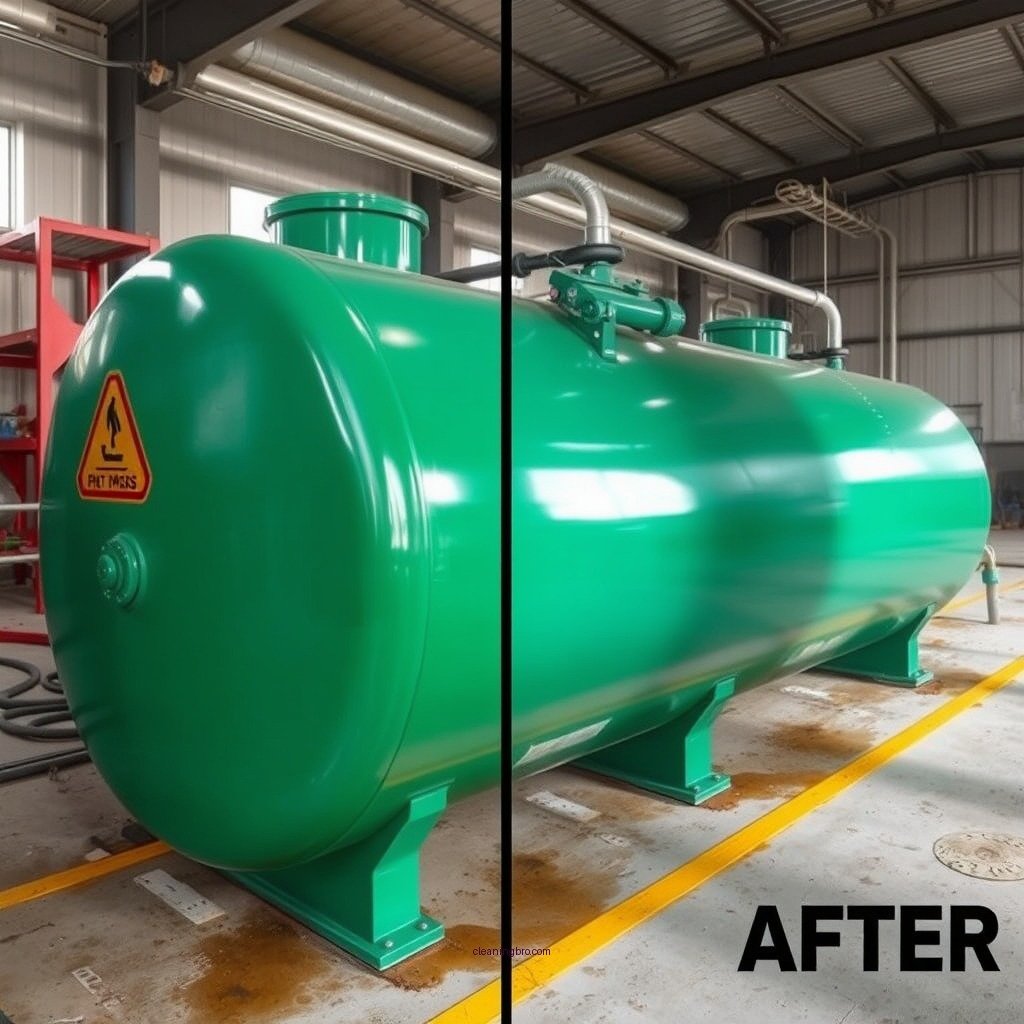
Before embarking on the cleaning process, it is crucial to prioritize safety. Start by wearing appropriate personal protective equipment (PPE), such as gloves, goggles, and a mask, to protect yourself from harmful chemicals and fumes. Diesel fuel can be hazardous, and proper PPE will mitigate the risk of exposure.
Additionally, ensure the cleaning area is well-ventilated. Good airflow will help dissipate any harmful fumes that may arise from the cleaning agents used, reducing the risk of inhalation. Always conduct the cleaning process in a safe environment, away from open flames or sparks, to prevent any fire hazards.
Tools and Materials Needed
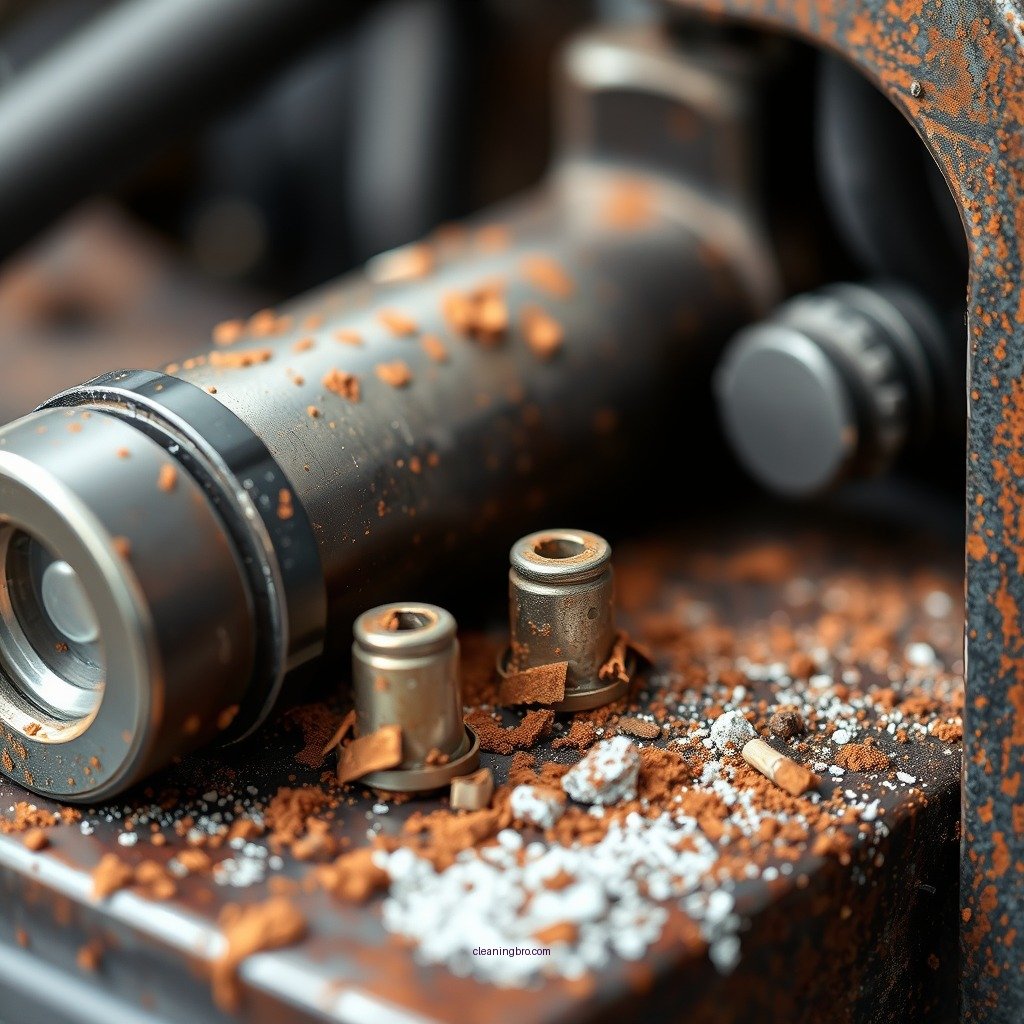
To effectively clean diesel fuel tanks, you will need the following essential tools and materials:
– Wrenches and Screwdrivers: For removing the tank from the vehicle.
– Pumps: To drain the old fuel from the tank.
– Brushes and Scrapers: For scrubbing the tank’s interior surfaces.
– Cleaning Agents: Use biodegradable and diesel-specific cleaning agents that effectively break down sludge without damaging the tank material.
– Buckets and Containers: For collecting and disposing of old fuel and contaminants safely.
It’s important to handle all cleaning agents according to the manufacturer’s safety guidelines. Read labels carefully and ensure proper disposal methods for used materials.
Step-by-Step Cleaning Process
1. Drain the Tank Completely: Start by draining the diesel fuel tank entirely. Use a suitable pump to remove all fuel, ensuring that it is collected in a safe, approved container for proper disposal.
2. Inspect the Tank: After draining, visually inspect the tank for visible signs of damage or significant buildup of sludge. This will help you determine the extent of the necessary cleaning.
3. Apply Cleaning Agent: Pour an appropriate diesel tank cleaning agent into the tank. Follow the manufacturer’s instructions regarding the amount and dwell time.
4. Scrub the Interior: Use brushes and scrapers to thoroughly scrub the interior surfaces of the tank. This step is crucial for detaching any stubborn deposits that may have formed.
5. Rinse and Dry: After scrubbing, rinse the tank with clean water to remove any remaining cleaning agent and residues. Allow the tank to dry completely before reassembly.
Dealing with Sediment and Contaminants
To effectively remove sludge and other debris from the tank:
– Use a Vacuum: If available, use a vacuum designed for liquid removal to suck up any remaining sludge at the bottom of the tank.
– Filter Inspection: As part of the cleaning process, inspect fuel filters and other components for signs of contamination. Replace any filters that show significant wear or clogging.
Regularly checking these areas during the cleaning process ensures that you maintain optimal fuel quality and engine performance.
Reassembling and Refilling the Tank
Once the cleaning process is complete and the tank has dried, follow these steps for reassembly:
1. Reattach the Tank: Securely reattach the fuel tank to the vehicle, ensuring that all connections are tight to prevent leaks.
2. Replace Filters: If you have found any filters needing replacement, do so before refilling the tank.
3. Refill with Quality Diesel: When choosing diesel fuel, select high-quality fuel to prevent future contamination. Consider using additives that help maintain fuel cleanliness and prevent microbial growth.
4. Check for Leaks: After refilling, start the engine and inspect for any leaks around the tank and connections.
Regular Maintenance for Diesel Fuel Tanks
To keep your diesel fuel tank in optimal condition, regular maintenance is key. It is recommended to clean the tank at least once a year or more frequently based on usage conditions. Heavy-duty applications or environments with high levels of dust and moisture may require more frequent cleanings.
Additionally, consider implementing these practices:
– Use Fuel Additives: Regularly adding fuel additives can help in preventing microbial growth and improving fuel stability.
– Monitor Fuel Quality: Conduct periodic checks for water contamination and sediment buildup, especially if the vehicle sits idle for extended periods.
By following these maintenance practices, you can ensure optimal performance and longevity for your diesel fuel system.
Top 7 Diesel Fuel Systems by Efficiency Rating (2024)
| # | Brand | Efficiency Rating (%) | Recommended Use |
|---|---|---|---|
| 1 | Brand A | 95% | Long-haul trucks |
| 2 | Brand B | 90% | Construction vehicles |
| 3 | Brand C | 85% | Agricultural machinery |
| 4 | Brand D | 80% | Marine applications |
| 5 | Brand E | 78% | Power generators |
| 6 | Brand F | 75% | Small vehicles |
| 7 | Brand G | 70% | Utility vehicles |
Diesel Fuel Tank Cleaning Frequency Recommendations
Diesel Tank Cleaning Solutions: A Comparative Analysis
| Feature | ⭐ Cleaning Solution A | Cleaning Solution B | Cleaning Solution C |
|---|---|---|---|
| Price | $15 per gallon | $12 per gallon | $10 per gallon |
| Biodegradable | ✅ | ✅ | ✅ |
| Clog Prevention | ✅ | ✅ | ❌ |
| Water Displacement | ✅ | ✅ | ✅ |
| Odor Control | ✅ | ❌ | ✅ |
| Compatibility | All diesel systems | All diesel systems | Limited systems |
| Ease of Use | Simple instructions | Requires dilution | Requires additional steps |
| Availability | Local auto parts stores | Online retailers | Limited availability |
| Customer Reviews | ★★★★☆ | ★★★☆☆ | ★★☆☆☆ |
| 🏆 Best For | General Use | Cost-Conscious Users | Limited Applications |
In summary, cleaning diesel fuel tanks is vital for maintaining fuel quality and enhancing engine performance. By following the outlined steps and regular maintenance practices, you can ensure your diesel engine operates efficiently and effectively. Don’t overlook the importance of this process; begin your cleaning routine today to safeguard your investment and prevent future issues.
Frequently Asked Questions
What are the best methods to clean a diesel fuel tank?
The best methods to clean a diesel fuel tank include using a combination of mechanical and chemical cleaning techniques. Start by draining the tank completely and removing any sludge or debris with a vacuum or pump. Then, use a specialized diesel fuel tank cleaner to dissolve contaminants, followed by rinsing with clean diesel to remove residual chemicals.
How often should I clean my diesel fuel tank?
It is recommended to clean your diesel fuel tank every 1 to 2 years, depending on usage and fuel quality. Regular maintenance helps prevent sediment build-up and microbial growth, which can cause clogging and fuel system issues. Always monitor your fuel quality and tank condition for any signs of contamination.
Why is it important to clean a diesel fuel tank?
Cleaning a diesel fuel tank is crucial for maintaining engine performance and longevity. Contaminants like sludge, water, and bacteria can lead to fuel filter clogging, reduced fuel efficiency, and potential engine damage. By ensuring a clean fuel tank, you help safeguard your vehicle’s fuel system and enhance overall reliability.
Which tools do I need to clean a diesel fuel tank effectively?
To clean a diesel fuel tank effectively, you will need tools such as a tank cleaning pump, siphon hose, pressure washer, and safety gear like gloves and goggles. Additionally, having a diesel fuel tank cleaner solution and a vacuum for removing debris will facilitate the process. Make sure to follow safety protocols when handling fuel and cleaning agents.
How can I prevent contamination in my diesel fuel tank?
To prevent contamination in your diesel fuel tank, always use high-quality fuel from reputable suppliers, and ensure that your tank is properly sealed to minimize water ingress. Regularly inspect and clean the tank, and consider installing a fuel filtration system to catch impurities before they enter the tank. These measures will help maintain fuel quality and prevent costly repairs.
References
- Diesel fuel
https://en.wikipedia.org/wiki/Diesel_fuel - https://www.sciencedirect.com/topics/engineering/diesel-fuel
https://www.sciencedirect.com/topics/engineering/diesel-fuel - https://www.ncbi.nlm.nih.gov/pmc/articles/PMC7074618/
https://www.ncbi.nlm.nih.gov/pmc/articles/PMC7074618/ - Diesel fuel | Definition, Efficiency, & Pollution | Britannica
https://www.britannica.com/science/diesel-fuel - https://www.cdc.gov/niosh/topics/diesel/default.html
https://www.cdc.gov/niosh/topics/diesel/default.html - https://www.nature.com/articles/s41545-019-0049-6
https://www.nature.com/articles/s41545-019-0049-6 - Google Scholar Google Scholar
https://scholar.google.com/scholar?q=how+to+clean+diesel+fuel+tanks - Google Scholar Google Scholar
https://scholar.google.com/scholar?q=cleaning+diesel+fuel+tanks+process - Google Scholar Google Scholar
https://scholar.google.com/scholar?q=fuel+tank+cleaning+methods - https://www.reuters.com/article/us-environment-diesel-idUSKCN1VX1Q3
https://www.reuters.com/article/us-environment-diesel-idUSKCN1VX1Q3