How to Clean Herbicide Out of Your Sprayer
Cleaning herbicide out of your sprayer is essential to avoid cross-contamination and ensure optimal performance for future applications. To effectively clean your sprayer, you need to flush it thoroughly with water, use a cleaning agent if necessary, and follow specific procedures to remove any residues. In this guide, you’ll learn step-by-step methods to clean your sprayer effectively.
Importance of Cleaning Your Sprayer
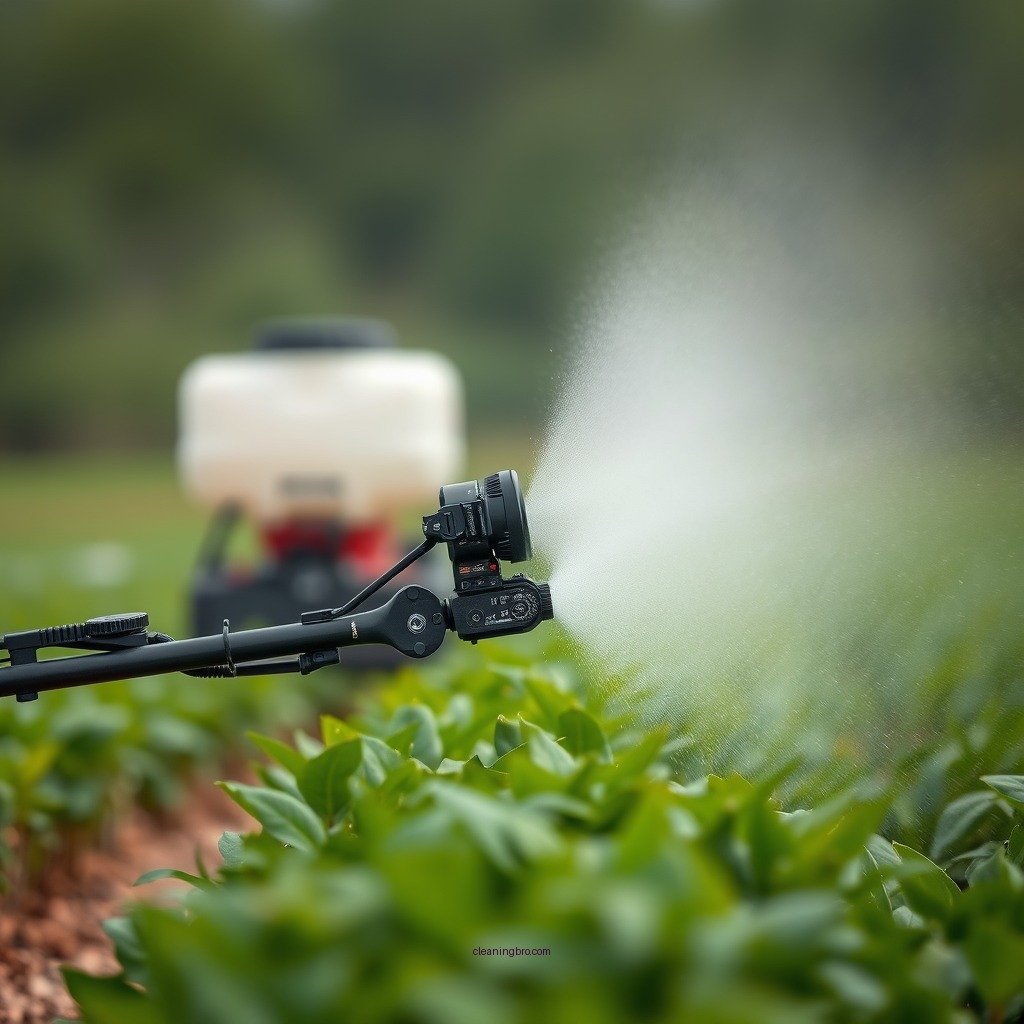
Cleaning your sprayer after each use is not just a best practice; it is a critical step in maintaining the integrity of your equipment and the safety of your crops. Here are some key reasons why cleaning your sprayer is vital:
– Prevents Chemical Cross-Contamination: Different herbicides and pesticides have varying chemical compositions. If residues from one product remain in the sprayer, they can mix with another chemical during the next application, potentially causing harmful reactions or reducing the effectiveness of the treatment.
– Ensures Longevity and Efficiency: Regular cleaning extends the life of your sprayer. Residues can cause clogging, corrosion, and damage to the internal components, leading to costly repairs or replacement. A clean sprayer ensures optimal pressure and distribution, which is crucial for effective application.
Essential Safety Precautions

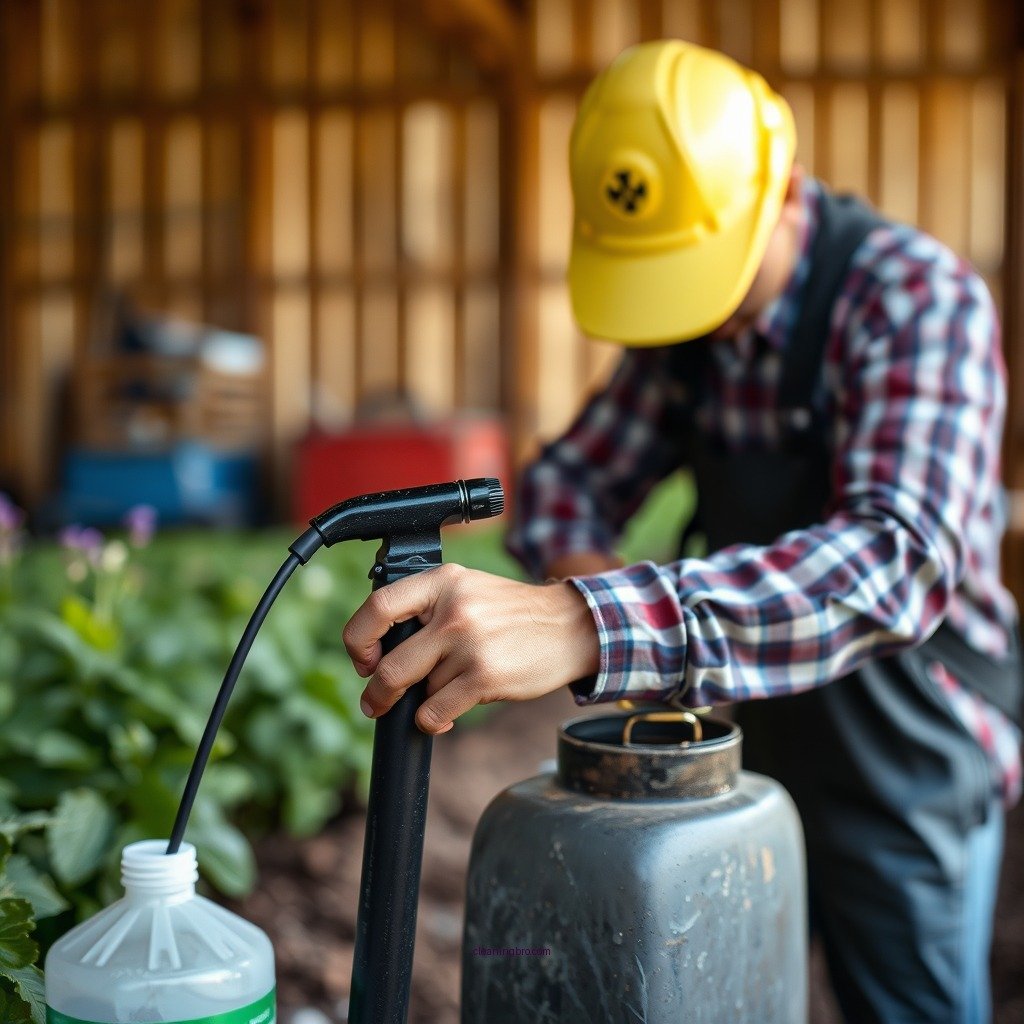
Before embarking on the cleaning process, it’s imperative to prioritize safety:
– Protective Gear: Always wear gloves, goggles, and a mask to protect yourself from chemical exposure. Herbicides can be toxic, and proper gear minimizes the risk of skin or eye irritation.
– Ventilation: Ensure that you are in a well-ventilated area. This is particularly important if you are using cleaning agents, as fumes can accumulate and pose inhalation risks.
Step-by-Step Cleaning Process

The cleaning process is straightforward but requires diligence:
1. Immediate Rinse: After using the sprayer, rinse the tank and hoses with clean water as soon as possible. This quick action prevents residues from drying and hardening inside the sprayer.
2. Fill and Flush: Fill the sprayer tank with clean water, then operate the pump and spray the water out. This action should be repeated until the water runs clear. Make sure to spray into a designated area where it won’t harm plants or soil.
3. Inspect Parts: After flushing, take time to inspect all parts of the sprayer, including hoses, filters, and nozzles, for any blockages or residues.
Using Cleaning Agents
In some cases, plain water may not be sufficient to remove stubborn residues:
– Specialized Cleaners: Consider using a specialized sprayer cleaner designed for agricultural equipment. These products are formulated to break down chemical residues and can be more effective than water alone.
– Mild Detergents: If specialized cleaners are unavailable, a mild detergent can be used as an alternative. Always follow the manufacturer’s instructions for dilution and application to avoid damage to your sprayer.
Rinsing Procedures
Rinsing effectively is crucial to ensure no residues remain:
– Multiple Rinses: Rinse the tank two to three times with clean water after using any cleaning agents. Each rinse should be done until the rinsate is clear, indicating that residues are removed.
– Nozzle and Filter Cleaning: Don’t forget to clean the nozzle and filter. Soak them in clean water, and if necessary, use a soft brush to remove any stubborn residues. This step ensures that your sprayer will provide even distribution during future applications.
Post-Cleaning Maintenance
After cleaning, take time to maintain the sprayer:
– Inspect for Damage: Look for any signs of wear, cracks, or damage to the sprayer components. Addressing these issues early can prevent larger problems down the line.
– Proper Storage: Store your sprayer in a dry, cool place to avoid corrosion and damage. Ensure that it is out of direct sunlight and away from extreme temperatures.
Environmentally Responsible Disposal
Proper disposal of residues and cleaning solutions is crucial:
– Disposal Regulations: Always dispose of any rinsate in accordance with local regulations. This may include designated disposal sites or following specific guidelines for agricultural chemicals.
– Avoid Contamination: Never pour leftover cleaning solutions down drains or on the ground, as this can lead to environmental contamination and harm local ecosystems.
Cleaning your sprayer properly is a crucial step to maintaining its functionality and ensuring safe pesticide application. By following these steps, you can effectively remove herbicides and keep your equipment in top condition. Don’t forget to establish a regular cleaning schedule to make this process easier and more effective in the future!
Top 7 Herbicides by Usage in Agriculture (2024)
| # | Herbicide | Usage (Million Acres) | Active Ingredient | Environmental Impact |
|---|---|---|---|---|
| 1 | Glyphosate | 90 | N-(phosphonomethyl)glycine | Moderate |
| 2 | Atrazine | 30 | 2-chloro-4-ethylamino-6-isopropylamino-s-triazine | High |
| 3 | Dicamba | 25 | 3,6-dichloro-2-methoxybenzoic acid | Moderate |
| 4 | 2,4-D | 20 | 2,4-dichlorophenoxyacetic acid | Low |
| 5 | Paraquat | 15 | 1,1′-dimethyl-4,4′-bipyridinium | High |
| 6 | Glufosinate | 10 | L-glutamic acid | Moderate |
| 7 | Sulfentrazone | 5 | 2-(1-((4-chlorophenyl)thio)-1-methylethyl)-5-(trifluoromethyl)-1H-benzimidazole-7-sulfonamide | Low |
Usage Rates of Common Herbicides (2024)
Top 3 Cleaning Agents for Sprayers
| Feature | ⭐ AgriClean | CleanSpray | EcoWash |
|---|---|---|---|
| Effectiveness | ✅ Excellent | ✅ Good | ❌ Fair |
| Active Ingredients | Enzymatic Cleaner | Surfactants | Natural Extracts |
| Biodegradable | ✅ Yes | ✅ Yes | ❌ No |
| User-Friendly | ✅ Easy | ✅ Moderate | ❌ Difficult |
| Price per Gallon | $15 | $12 | $10 |
| Availability | Online / Retail | Online | Limited |
| Effect on Equipment | ✅ Safe | ✅ Safe | ❌ Risky |
| Cleaning Time | 15 mins | 20 mins | 30 mins |
| 🏆 Best For | Professional Users | General Users | Budget Users |
In conclusion, effectively cleaning herbicide out of your sprayer is vital for maintaining the equipment’s performance and ensuring safe application of agricultural chemicals. By following the outlined steps, wearing appropriate safety gear, and utilizing the right cleaning agents, you can ensure that your sprayer remains in optimal condition for future use. Regular maintenance and proper disposal practices will also contribute to a safer and more efficient agricultural operation.
Frequently Asked Questions
What is the best method to clean herbicide out of a sprayer?
The best method to clean herbicide out of a sprayer involves using a solution of water and dish soap. First, rinse the sprayer with water to remove any residual herbicide, then fill it with a soapy water solution and agitate. After letting it sit for a few minutes, empty the sprayer and repeat the rinsing process until no herbicide traces remain.
How can I safely dispose of leftover herbicide when cleaning my sprayer?
To safely dispose of leftover herbicide, check your local regulations for hazardous waste disposal guidelines. Most areas require you to take unused chemicals to a designated hazardous waste facility or participate in community collection events. Always ensure that you label any leftover products clearly and store them safely until disposal.
Why is it important to thoroughly clean a sprayer after using herbicide?
Thoroughly cleaning a sprayer after using herbicide is crucial to prevent cross-contamination with other chemicals or plants. Residual herbicide can harm desirable plants in subsequent applications or damage equipment. A clean sprayer ensures effective performance and reduces the risk of unintended herbicide drift during future use.
Which cleaning agents are effective for removing stubborn herbicide residues from a sprayer?
Effective cleaning agents for removing stubborn herbicide residues include a mixture of vinegar and water, bleach diluted in water, or commercial sprayer cleaning solutions designed for herbicides. Always follow the manufacturer’s instructions and ensure proper rinsing afterward to prevent any chemical reactions or damage to the sprayer.
How often should I clean my sprayer after using herbicides?
You should clean your sprayer immediately after each use of herbicides to minimize residue buildup and avoid contamination. If you plan to use different chemicals, cleaning the sprayer between applications is essential to maintain its effectiveness and protect plants from chemical interactions. Regular maintenance will extend the life of your equipment and ensure optimal results.
References
- https://www.epa.gov/pesticides/how-clean-sprayer
https://www.epa.gov/pesticides/how-clean-sprayer - https://extension.psu.edu/cleaning-sprayers
https://extension.psu.edu/cleaning-sprayers - Page not found
https://www.clemson.edu/extension/rowcrops/pesticide-sprayer-cleaning.html - https://www.extension.iastate.edu/soilmanagment/cleaning-sprayers
https://www.extension.iastate.edu/soilmanagment/cleaning-sprayers - Read “Generating Revenue from Commercial Development On or Adjacent to Airports” at NAP.edu
https://www.nap.edu/read/24863/chapter/1 - https://www.ncbi.nlm.nih.gov/pmc/articles/PMC3119855/
https://www.ncbi.nlm.nih.gov/pmc/articles/PMC3119855/ - https://www.scholar.google.com/scholar?q=cleaning+herbicide+out+of+sprayer Google Scholar
https://www.scholar.google.com/scholar?q=cleaning+herbicide+out+of+sprayer - https://www.scholar.google.com/scholar?q=herbicide+sprayer+cleaning+procedures Google Scholar
https://www.scholar.google.com/scholar?q=herbicide+sprayer+cleaning+procedures - https://www.scholar.google.com/scholar?q=cleaning+sprayers+herbicides+guidelines Google Scholar
https://www.scholar.google.com/scholar?q=cleaning+sprayers+herbicides+guidelines - Google Scholar Google Scholar
https://scholar.google.com/scholar?q=how+to+clean+herbicide+out+of+sprayer