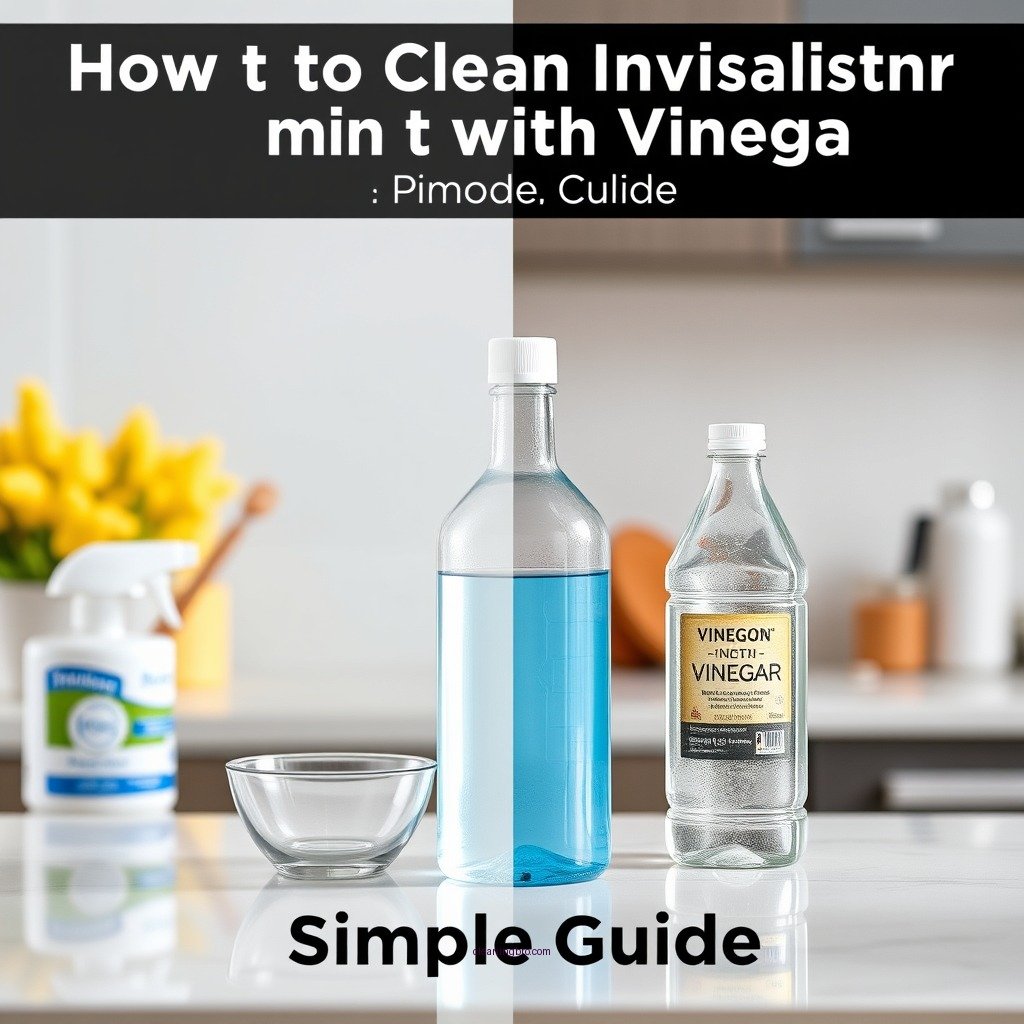
How to Clean Invisalign with Vinegar: A Simple Guide
Cleaning your Invisalign with vinegar is an effective and affordable method to keep your aligners fresh and clear. By employing the natural cleaning properties of vinegar, you can eliminate bacteria and stains, ensuring your aligners remain hygienic and functional. This guide will walk you through the process and offer tips for maintaining the cleanliness of your aligners, ultimately helping you achieve a healthy and confident smile.
Understanding Invisalign and Its Care
Invisalign aligners are crafted from a thermoplastic material that is designed to be both durable and comfortable. However, this same material can be prone to attracting bacteria and plaque over time. When worn for extended periods, aligners can accumulate saliva, food particles, and bacteria, which can lead to unpleasant odors and even affect your oral health. Regular cleaning of your aligners is essential—not only to maintain their clarity but also to prevent any potential discoloration. Neglecting proper care can compromise the effectiveness of the treatment, making it crucial to establish a consistent cleaning routine.
Why Use Vinegar for Cleaning?
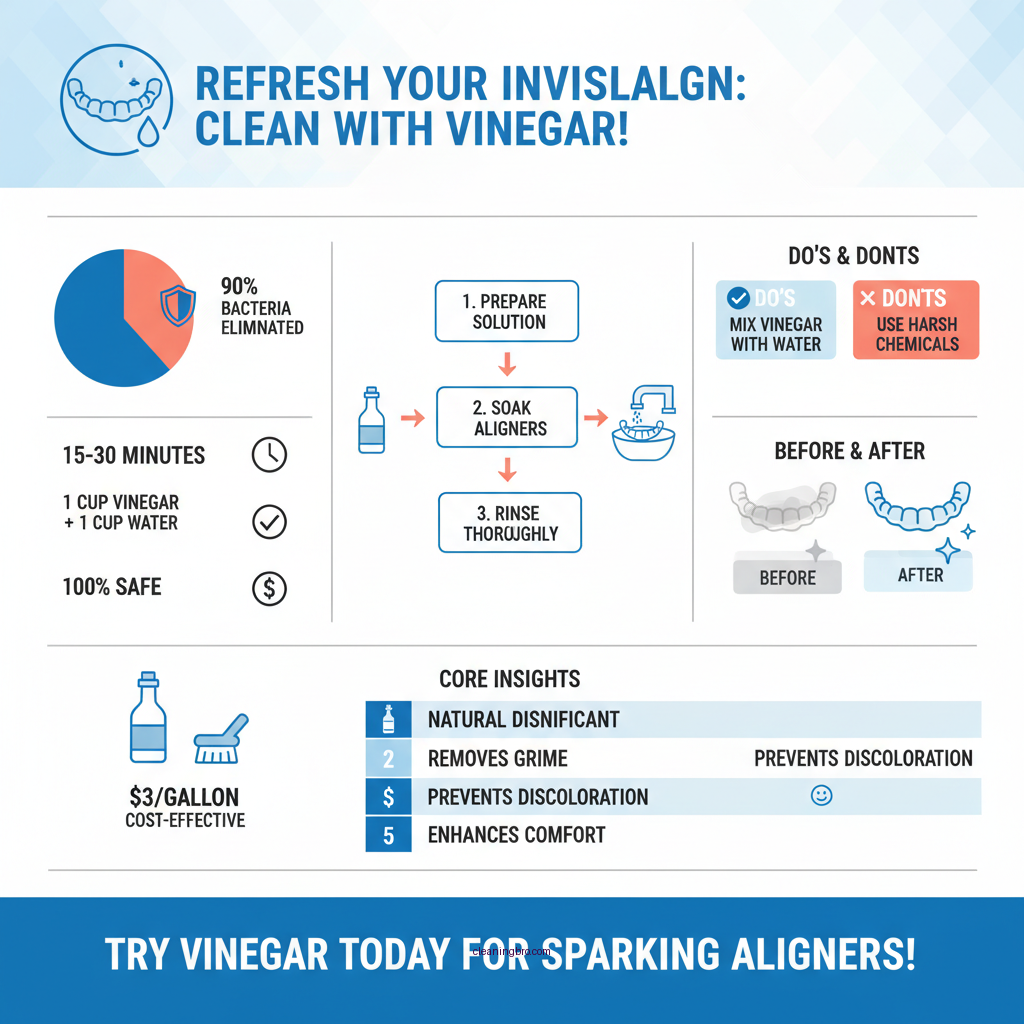
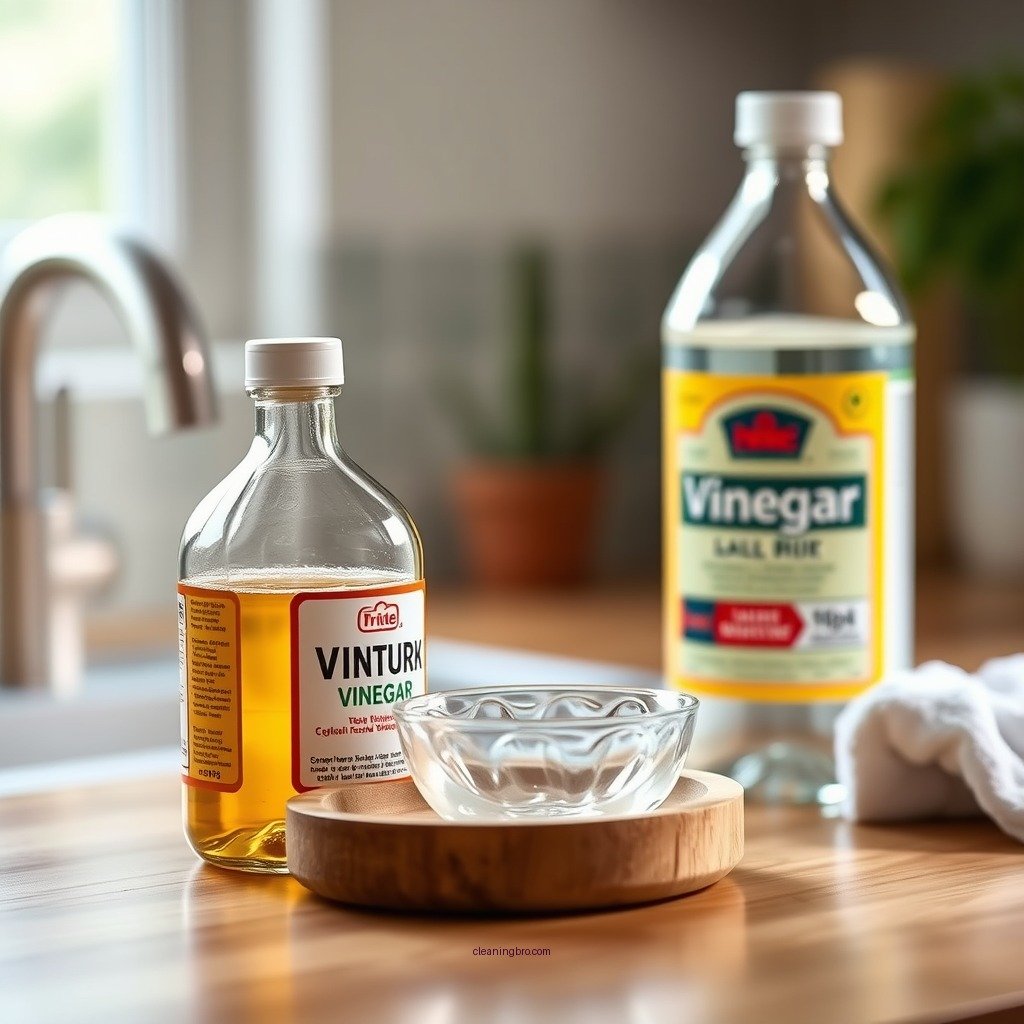
Vinegar is a natural disinfectant that is not only safe for your aligners but also effective in breaking down grime and removing bacteria. Its acetic acid content helps dissolve mineral deposits and other residues without the need for harsh chemicals that may cause damage. Additionally, vinegar is cost-effective and readily available in most households, making it an ideal choice for regular cleaning. The use of vinegar ensures that your aligners remain transparent and odor-free, contributing to a more pleasant wearing experience.
Step-by-Step Guide to Cleaning with Vinegar
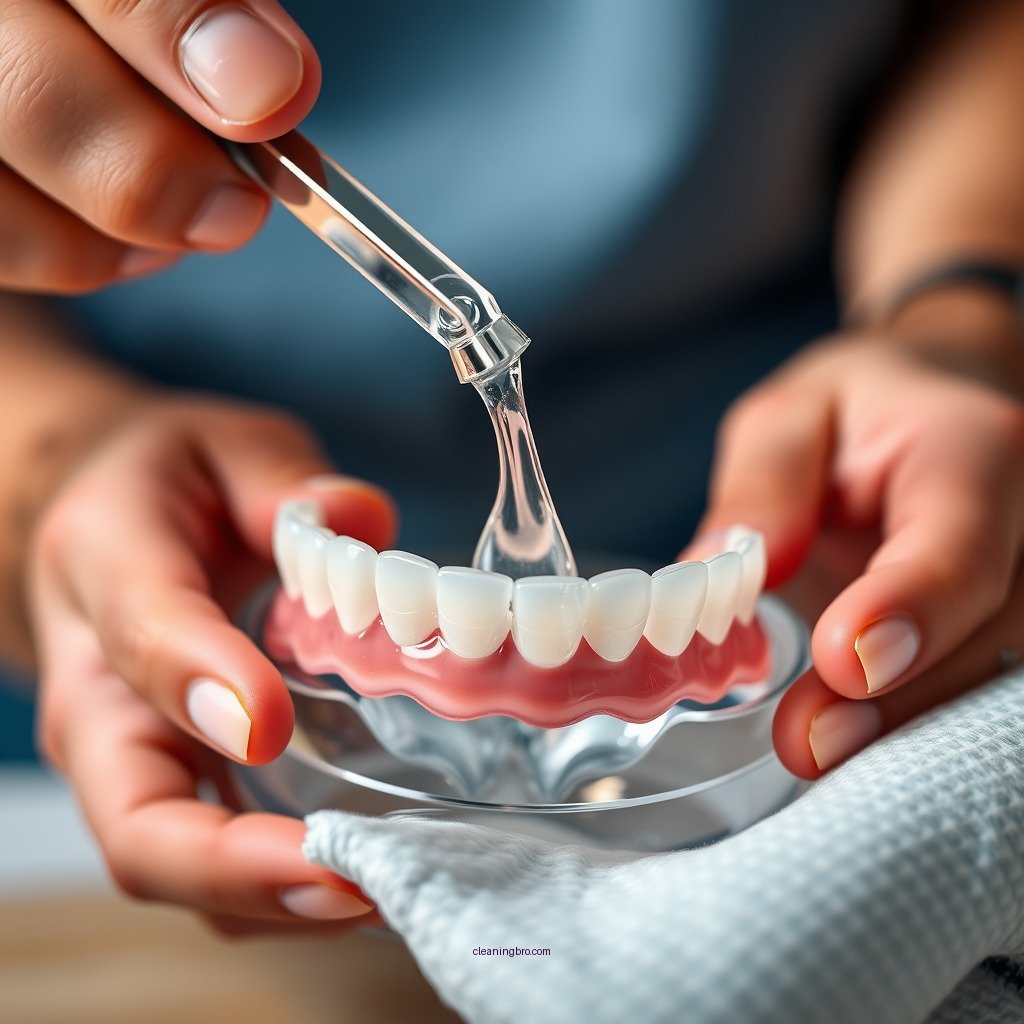
To clean your Invisalign aligners effectively with vinegar, follow these straightforward steps:
1. Prepare the Cleaning Solution: Mix equal parts of white vinegar and water in a bowl. A common ratio is one cup of vinegar to one cup of water.
2. Soak Your Aligners: Submerge your aligners in the vinegar solution for 15-30 minutes. Ensure they are fully covered by the liquid to allow for optimal cleaning.
3. Rinse Thoroughly: After soaking, remove the aligners from the solution and rinse them under lukewarm water to eliminate any residual vinegar smell.
By adhering to these steps, you can effectively clean your aligners and maintain their clarity and hygiene.
Additional Cleaning Techniques
Beyond soaking, you can enhance the cleaning process through additional techniques:
– Gentle Brushing: After soaking, use a soft toothbrush to gently brush your aligners. This can help remove any stubborn debris that may not have been eliminated during soaking. Be sure to use a non-abrasive toothbrush to avoid scratching the surface.
– Thorough Rinsing: Rinse your aligners with lukewarm water to ensure that any remaining vinegar is washed away, preventing any potential taste or smell.
Employing these additional techniques ensures that your aligners not only look clean but are also free from harmful bacteria.
Tips for Maintaining Your Aligners
To maximize the lifespan and effectiveness of your Invisalign aligners, consider the following maintenance tips:
– Daily Cleaning: Make it a habit to clean your aligners daily to prevent the buildup of plaque and odors. This routine will help keep them looking fresh and clear.
– Avoid Hot Water: Never use hot water to clean your aligners, as high temperatures can warp the plastic material, compromising their fit and effectiveness.
– Store Properly: When not in use, always store your aligners in their protective case to prevent damage and contamination.
By following these tips, you can ensure that your aligners remain in optimal condition throughout your treatment.
Common Mistakes to Avoid
Cleaning your Invisalign aligners can be straightforward, but several common mistakes can hinder their effectiveness:
– Over-soaking: Do not soak your aligners in vinegar for too long; excessive exposure can weaken the material and lead to damage.
– Using Toothpaste: Avoid using toothpaste to clean your aligners, as many toothpaste formulas can be abrasive and can scratch the aligner surface, leading to discoloration and reduced clarity.
By steering clear of these mistakes, you can maintain the integrity of your aligners and their effectiveness in your orthodontic treatment.
Top 7 Benefits of Cleaning Invisalign with Vinegar
| # | Benefit | Description | Cost |
|---|---|---|---|
| 1 | Natural Disinfectant | Effectively reduces bacteria | Low |
| 2 | Cost-effective | Affordable solution | Very Low |
| 3 | Easy to Use | Simple cleaning routine | Free |
| 4 | Environmentally Friendly | Non-toxic cleaning agent | Low |
| 5 | Removes Stains | Effective against discoloration | Low |
| 6 | Available Globally | Widely found in stores | Free |
| 7 | Versatility | Multi-purpose household cleaner | Low |
Effectiveness of Different Cleaning Solutions for Invisalign
Cleaning Methods for Invisalign: Vinegar vs. Baking Soda vs. Hydrogen Peroxide
| Feature | ⭐ Vinegar | Baking Soda | Hydrogen Peroxide |
|---|---|---|---|
| Effectiveness | ✅ Best | ✅ Good | ❌ Limited |
| Availability | Widely available | Common household item | Available at stores |
| Cost | Low | Low | Moderate |
| Ease of Use | Simple soaking method | Requires mixing | Requires careful handling |
| Safety | Non-toxic | Non-toxic | Safe in low concentrations |
| Stain Removal | Excellent at removing stains | Good for light stains | Effective but harsh |
| Odor Neutralization | Effective | Moderate effectiveness | Limited |
| Environmental Impact | Eco-friendly | Eco-friendly | Potentially harmful |
| 🏆 Best For | Daily Cleaning | General Maintenance | Occasional Deep Cleaning |
In summary, cleaning your Invisalign with vinegar is a straightforward and effective method to maintain clarity and hygiene. By implementing this routine regularly, along with additional cleaning techniques and maintenance tips, you can ensure your aligners remain in optimal condition. Avoid common mistakes, and enjoy the benefits of a cleaner, fresher smile throughout your orthodontic journey.
Frequently Asked Questions
How can I safely clean my Invisalign aligners with vinegar?
To safely clean your Invisalign aligners with vinegar, mix equal parts of white vinegar and lukewarm water in a bowl. Soak your aligners in the solution for about 15-30 minutes, then gently brush them with a soft toothbrush to remove any remaining debris before rinsing thoroughly with water. This method helps eliminate bacteria and odors without damaging the plastic.
Why should I use vinegar to clean my Invisalign aligners?
Using vinegar to clean your Invisalign aligners is effective because it is a natural disinfectant that can help break down plaque and kill bacteria. The acidity of vinegar can also help remove stubborn stains without the harsh chemicals found in some commercial cleaners, making it a safe and cost-effective option for maintaining your aligners.
What are the risks of cleaning Invisalign with vinegar?
While vinegar is generally safe for cleaning Invisalign aligners, excessive use can lead to wear over time due to its acidic nature. It’s important to avoid soaking your aligners for too long and to rinse them thoroughly afterward to prevent any lingering vinegar taste or odor. Always follow up with a gentle brushing to ensure they are clean and fresh.
What is the best way to maintain Invisalign aligners after cleaning with vinegar?
After cleaning your Invisalign aligners with vinegar, it’s best to rinse them thoroughly under lukewarm water to remove any vinegar residue. Additionally, store your aligners in their case when not in use and clean them daily with a soft toothbrush and mild soap to maintain their clarity and hygiene. Regular maintenance prevents buildup and ensures effective treatment.
Which other cleaning solutions can I use alongside vinegar for Invisalign?
Alongside vinegar, you can use a gentle dish soap mixed with water or specialized Invisalign cleaning crystals designed to remove plaque and bacteria. Avoid harsh chemicals or abrasive cleaners, as they can scratch and damage the aligners. Combination cleaning, such as using a mild soap after vinegar, can enhance the cleanliness and freshness of your aligners.
References
- Antibiotics and alcohol – Mayo Clinic
https://www.mayoclinic.org/healthy-lifestyle/oral-health/expert-answers/invisalign/faq-20057946 - https://www.ncbi.nlm.nih.gov/pmc/articles/PMC6905097/
https://www.ncbi.nlm.nih.gov/pmc/articles/PMC6905097/ - https://www.ncbi.nlm.nih.gov/pmc/articles/PMC5860492/
https://www.ncbi.nlm.nih.gov/pmc/articles/PMC5860492/ - Oral health
https://www.who.int/news-room/fact-sheets/detail/oral-health - https://www.cdc.gov/oralhealth/faq/invisalign.html
https://www.cdc.gov/oralhealth/faq/invisalign.html - https://www.britannica.com/topic/invisalign
https://www.britannica.com/topic/invisalign - https://www.sciencedirect.com/science/article/abs/pii/S2211335515000578
https://www.sciencedirect.com/science/article/abs/pii/S2211335515000578 - Google Scholar Google Scholar
https://scholar.google.com/scholar?q=cleaning+invisalign+with+vinegar - Google Scholar Google Scholar
https://scholar.google.com/scholar?q=invisalign+care+and+maintenance - Google Scholar Google Scholar
https://scholar.google.com/scholar?q=oral+health+invisalign+cleaning+methods