How to Clean Lacquer: Effective Techniques and Tips
Cleaning lacquer surfaces requires careful techniques to maintain their shine and integrity. In this article, you’ll learn the best methods to clean lacquer finishes safely and effectively, ensuring your furniture or decorative items remain in pristine condition without damaging the finish.
Understanding Lacquer Finishes
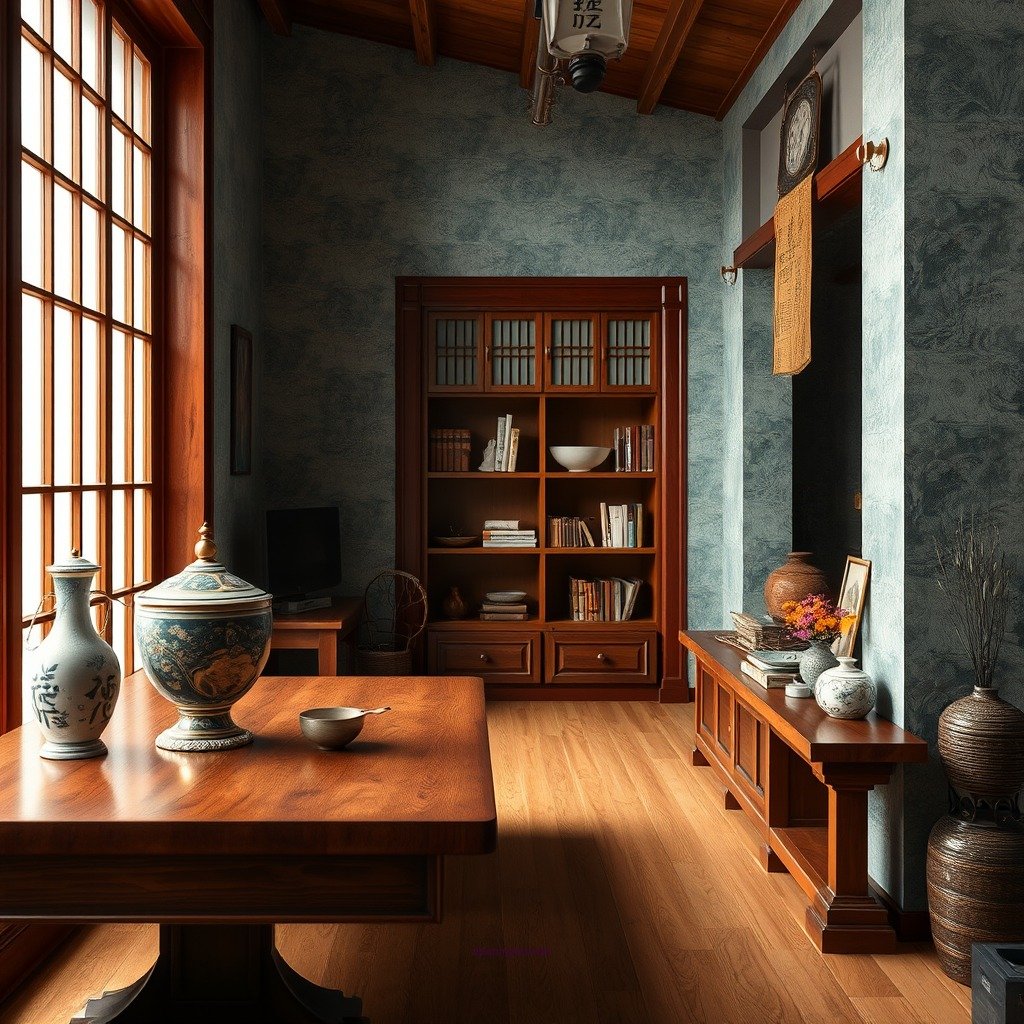
Lacquer is a protective coating that dries quickly and provides a high-gloss finish, making it a popular choice for a variety of applications. It is mainly used on wood furniture, musical instruments, and decorative items due to its ability to enhance the natural beauty of the material while offering a durable surface that is resistant to wear and tear. The lacquer finish not only adds aesthetic appeal but also protects the underlying surface from moisture and scratches. However, it is essential to maintain lacquer surfaces properly to preserve their luster and functionality.
Essential Cleaning Supplies
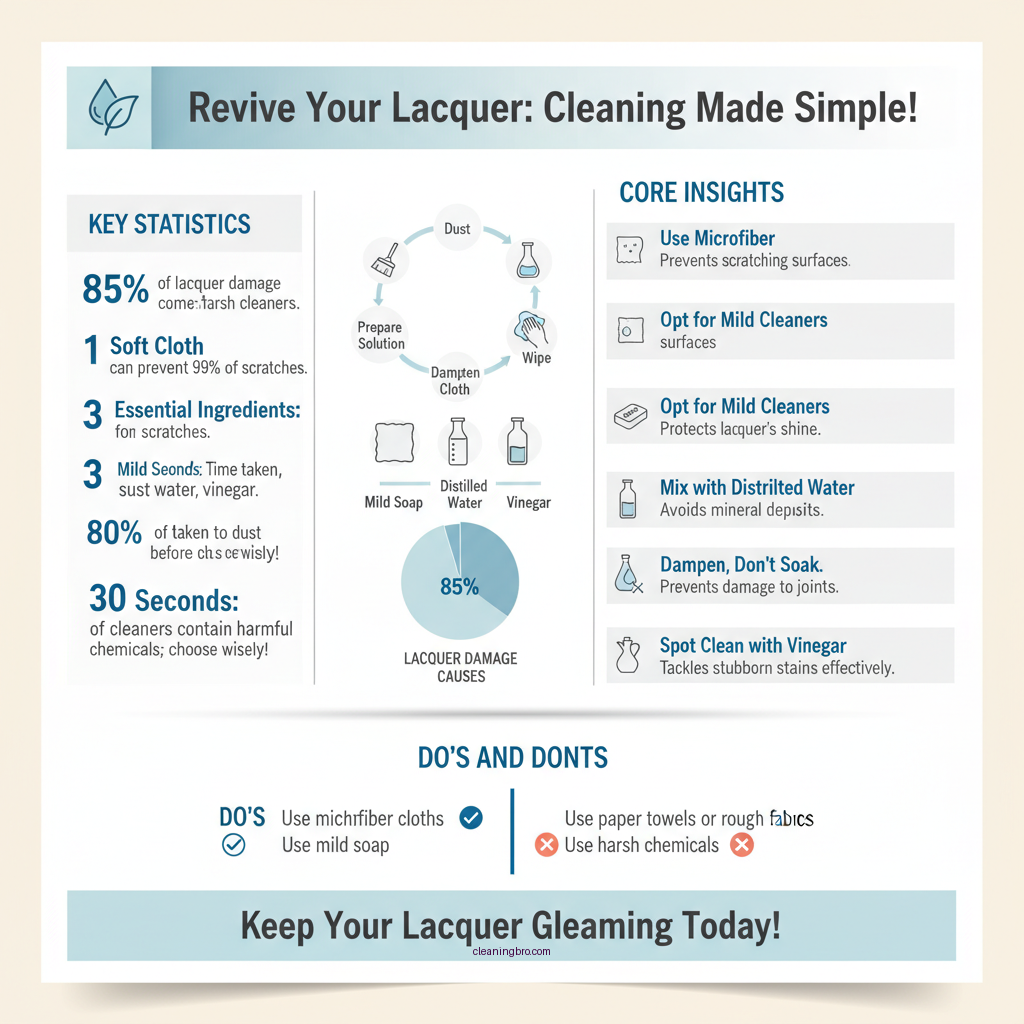
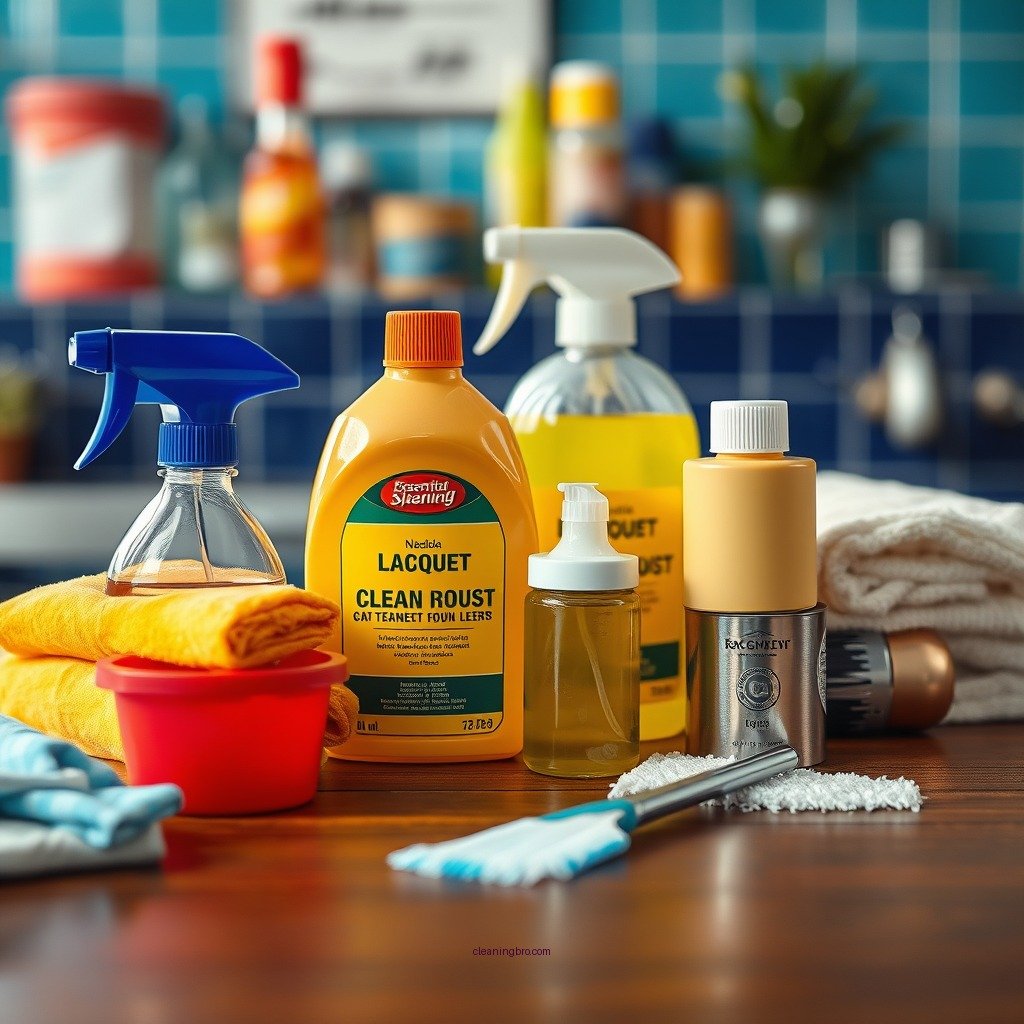
When it comes to cleaning lacquered surfaces, having the right supplies is crucial for achieving optimal results without causing damage. Here are the essential cleaning supplies you will need:
– Soft Microfiber Cloth: This is a must-have, as microfiber is gentle on surfaces and minimizes the risk of scratching the lacquer finish. Avoid paper towels or rough fabrics, which can leave scratches or lint.
– Mild Soap or Lacquer-Safe Cleaner: Select a gentle soap (like dish soap) or a cleaner specifically designed for lacquer finishes. Harsh chemicals can strip the lacquer and dull its shine, so always opt for mild options.
– Distilled Water: Using distilled water helps prevent mineral deposits on the surface, which can occur with regular tap water.
– Vinegar: In cases of stubborn stains, a diluted mixture of vinegar and water can be effective for spot cleaning.
Step-by-Step Cleaning Process
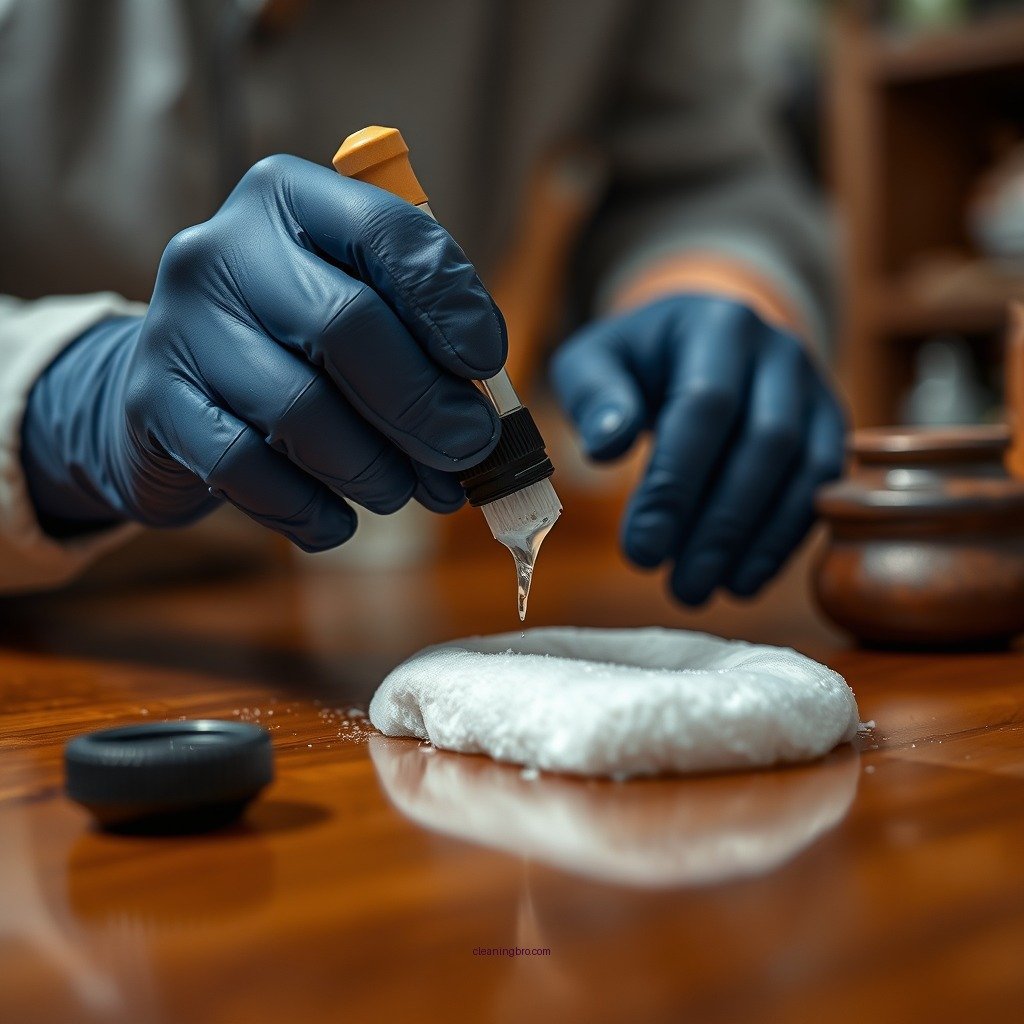
Cleaning lacquer surfaces involves a straightforward process that, when followed correctly, ensures the finish remains intact. Here’s a step-by-step guide:
1. Dust the Surface: Begin by using a dry microfiber cloth to gently dust the lacquered surface. This step removes loose dirt and debris that could scratch the finish during cleaning.
2. Prepare a Soapy Solution: In a bowl, mix a few drops of mild soap with distilled water. The solution should be soapy but not overly sudsy.
3. Dampen the Cloth: Lightly dampen a microfiber cloth with the soapy solution. Avoid soaking the cloth, as excess water can seep into seams or joints, potentially damaging the underlying material.
4. Gently Wipe the Surface: With the damp cloth, gently wipe the lacquered surface in the direction of the wood grain. This technique helps prevent streaks and enhances the shine.
5. Dry the Surface: After cleaning, use a dry microfiber cloth to buff the surface. This step is crucial to remove any moisture and restore the high-gloss finish.
Dealing with Stains and Marks
Despite your best efforts, stains and marks can still occur on lacquer surfaces. Here are effective techniques for addressing these issues:
– Spot Cleaning with Vinegar and Water: For stubborn stains, mix equal parts vinegar and distilled water. Dampen a cloth with this solution and lightly rub the stained area. Vinegar is effective for removing watermarks and other stubborn residues without damaging the lacquer.
– Avoid Harsh Chemicals: Never use abrasive cleaners or sponges, as they can scratch the lacquer finish. Additionally, avoid ammonia-based cleaners, which can strip the lacquer and dull its shine.
Regular Maintenance Tips
To keep your lacquered items in the best condition, regular maintenance is essential. Here are some tips to follow:
– Regular Dusting: Dust your lacquered furniture at least once a week to prevent buildup. Use a microfiber cloth for this task to avoid scratches.
– Immediate Clean-Up of Spills: If any spills occur, clean them immediately with a damp cloth to prevent them from setting and causing permanent stains.
– Use a Lacquer Polish: Consider applying a specialized lacquer polish every few months. This not only enhances the shine but also provides an extra layer of protection against dirt and moisture.
– Avoid Direct Sunlight: Keep lacquered items out of direct sunlight to prevent fading and discoloration over time.
When to Seek Professional Help
While cleaning and maintaining lacquer finishes can often be handled at home, there are instances when professional intervention is necessary:
– Chipped or Peeling Lacquer: If you notice any chips or peeling in the lacquer, it is advisable to seek professional refinishing. Attempting to repair these issues yourself can lead to further damage.
– Antique or Valuable Items: For antique or high-value lacquered items, consult with an expert before attempting any cleaning or restoration. Professionals can use specialized techniques to preserve the integrity of these items.
Top 5 Lacquer Care Products (2024)
| # | Product Name | Type | Usage | Rating |
|---|---|---|---|---|
| 1 | Howard Feed-N-Wax | Polish | Every 3 months | ★★★★☆ |
| 2 | Minwax Lacquer Spray | Spray | As needed | ★★★★★ |
| 3 | Briwax Original Wax | Wax | Every 6 months | ★★★★☆ |
| 4 | Pledge Multi Surface Cleaner | Cleaner | Weekly | ★★★★☆ |
| 5 | Old English Lemon Oil | Oil | Every month | ★★★★☆ |
Lacquer Cleaner Effectiveness by Type
Top Lacquer Cleaners: Comparison of Features
| Feature | ⭐ Howard Feed-N-Wax | Minwax Lacquer Spray | Pledge Multi Surface Cleaner |
|---|---|---|---|
| Type | Liquid Wax | Aerosol Spray | Liquid Cleaner |
| Ease of Use | Easy | Very Easy | Easy |
| Drying Time | 10 minutes | 5 minutes | No Drying Required |
| Finish | Natural Shine | High Gloss | Clean Finish |
| Suitable Surfaces | Wood | Wood, Metal | All Surfaces |
| Water Resistance | Moderate | High | Moderate |
| Environmental Safety | Low VOC | Low VOC | Low VOC |
| Price | $8.99 | $9.99 | $7.99 |
| User Rating | ★★★★☆ | ★★★★★ | ★★★★☆ |
| 🏆 Best For | Home furniture care | Quick touch-ups | General cleaning |
In this article, we’ve covered essential techniques for cleaning lacquer finishes, from understanding the material to maintaining its shine. By following these steps, you can keep your lacquered items looking their best. Regular maintenance, proper cleaning methods, and the use of suitable products will ensure that your lacquer surfaces remain beautiful and protected for years to come. For more tips and resources, explore our other articles on furniture care and maintenance.
Frequently Asked Questions
What is the best way to clean lacquered surfaces without damaging the finish?
The best way to clean lacquered surfaces is to use a soft, lint-free cloth dampened with warm water and a mild dish soap. Avoid abrasive cleaners and harsh chemicals, as they can damage the lacquer finish. Always test any cleaning solution on a small, inconspicuous area first to ensure it does not harm the surface.
How often should I clean lacquer furniture to maintain its appearance?
It’s recommended to clean lacquer furniture every 1-3 months, depending on the level of use and exposure to dust. Regular cleaning helps prevent the buildup of dirt and grime, which can dull the finish over time. Additionally, using coasters and avoiding direct sunlight can help preserve the lacquer’s shine.
Why does my lacquer finish look dull, and how can I restore its shine?
A dull lacquer finish can result from dust buildup, exposure to heat, or the natural wear of the surface over time. To restore its shine, gently clean the surface with a damp cloth and a mixture of equal parts vinegar and water, then buff it with a soft, dry cloth. For deeper restoration, consider using a lacquer polish specifically designed for this type of finish.
Which products are safe for cleaning lacquered wood without causing damage?
Safe products for cleaning lacquered wood include mild dish soap, white vinegar, and specialized wood cleaners that specify they are safe for lacquer finishes. Avoid any products containing ammonia or alcohol, as these can strip the lacquer and cause irreversible damage. Always read labels carefully to ensure compatibility with lacquer.
What should I avoid when cleaning lacquer surfaces to prevent damage?
When cleaning lacquer surfaces, avoid using abrasive scrubbers, harsh chemicals, or excessive water, as these can scratch or damage the finish. Additionally, steer clear of silicone-based polishes, which can create a sticky residue and trap dirt. Instead, opt for gentle cleaning methods and tools that are safe for delicate finishes.
References
- Lacquer
https://en.wikipedia.org/wiki/Lacquer - https://www.nature.com/articles/s41598-019-42650-0
https://www.nature.com/articles/s41598-019-42650-0 - https://pubmed.ncbi.nlm.nih.gov/30188482/
https://pubmed.ncbi.nlm.nih.gov/30188482/ - https://www.sciencedirect.com/topics/materials-science/lacquer
https://www.sciencedirect.com/topics/materials-science/lacquer - Lacquer | Woodworking, Furniture Finishing & Restoration | Britannica
https://www.britannica.com/science/lacquer - Google Scholar Google Scholar
https://scholar.google.com/scholar?q=how+to+clean+lacquer - Google Scholar Google Scholar
https://scholar.google.com/scholar?q=lacquer+cleaning+methods - CDC – NIOSH Pocket Guide to Chemical Hazards – Plaster of Paris
https://www.cdc.gov/niosh/npg/npgd0518.html - https://www.woodmagazine.com/materials-guide/finishes/lacquer-vs-polyurethane
https://www.woodmagazine.com/materials-guide/finishes/lacquer-vs-polyurethane - how to clean lacquer – Search results
https://en.wikipedia.org/wiki/Special:Search?search=how+to+clean+lacquer