How to Properly Clean Leather Gloves: A Step-by-Step Guide
Cleaning leather gloves is essential to maintain their appearance and longevity. Follow a straightforward process that involves removing dirt and debris with a soft brush or cloth, followed by the application of a gentle leather cleaner. In this article, you’ll learn effective methods to clean your gloves, ensuring they stay in great condition for years to come. Proper care not only enhances the aesthetic appeal of your gloves but also prolongs their life, making them a worthwhile investment.
Understanding Leather Material
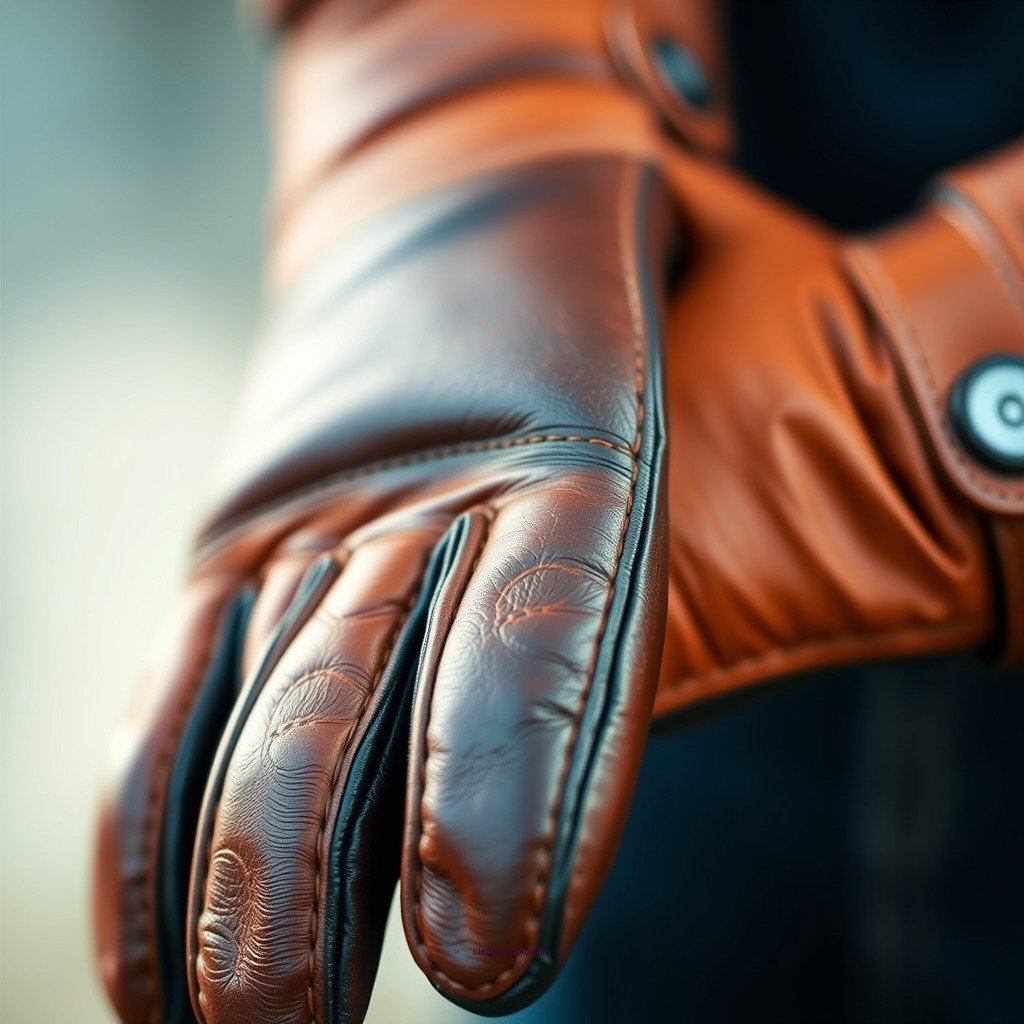
Leather gloves come in various types, each requiring specific care methods. The most common types include smooth leather, suede, and treated leather.
1. Smooth Leather: This type is often used for dress gloves. It has a polished finish that can be cleaned easily with a soft cloth and a specialized leather cleaner.
2. Suede: Suede gloves have a napped finish, making them more absorbent and susceptible to stains. Cleaning suede requires a different approach, typically involving a suede brush and a specialized cleaning solution.
3. Treated Leather: Some gloves come with a protective coating that makes them more resistant to stains and moisture. However, they still benefit from regular cleaning to maintain their appearance and flexibility.
Understanding the specific type of leather your gloves are made of is crucial before beginning the cleaning process. This knowledge helps in selecting the right cleaning products and methods, ensuring that you do not inadvertently damage the material.
Gathering Necessary Supplies
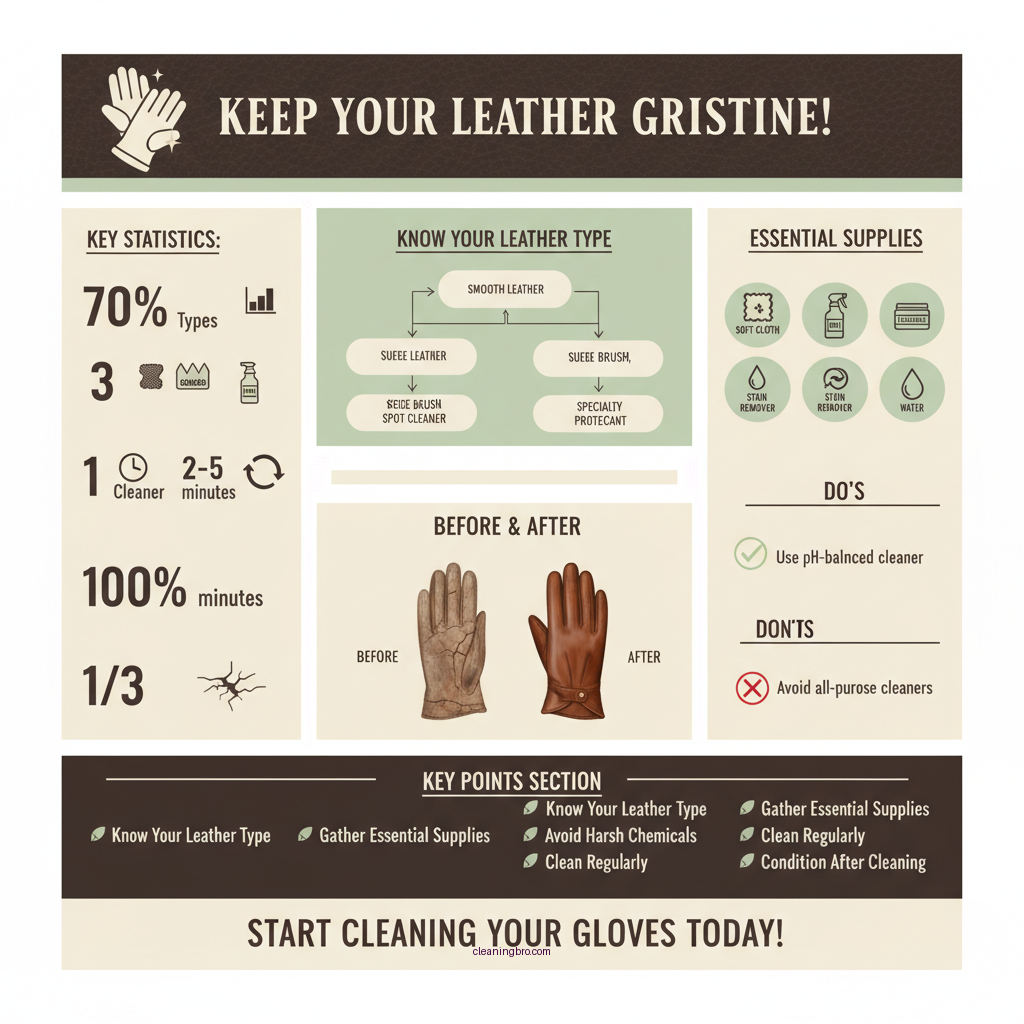
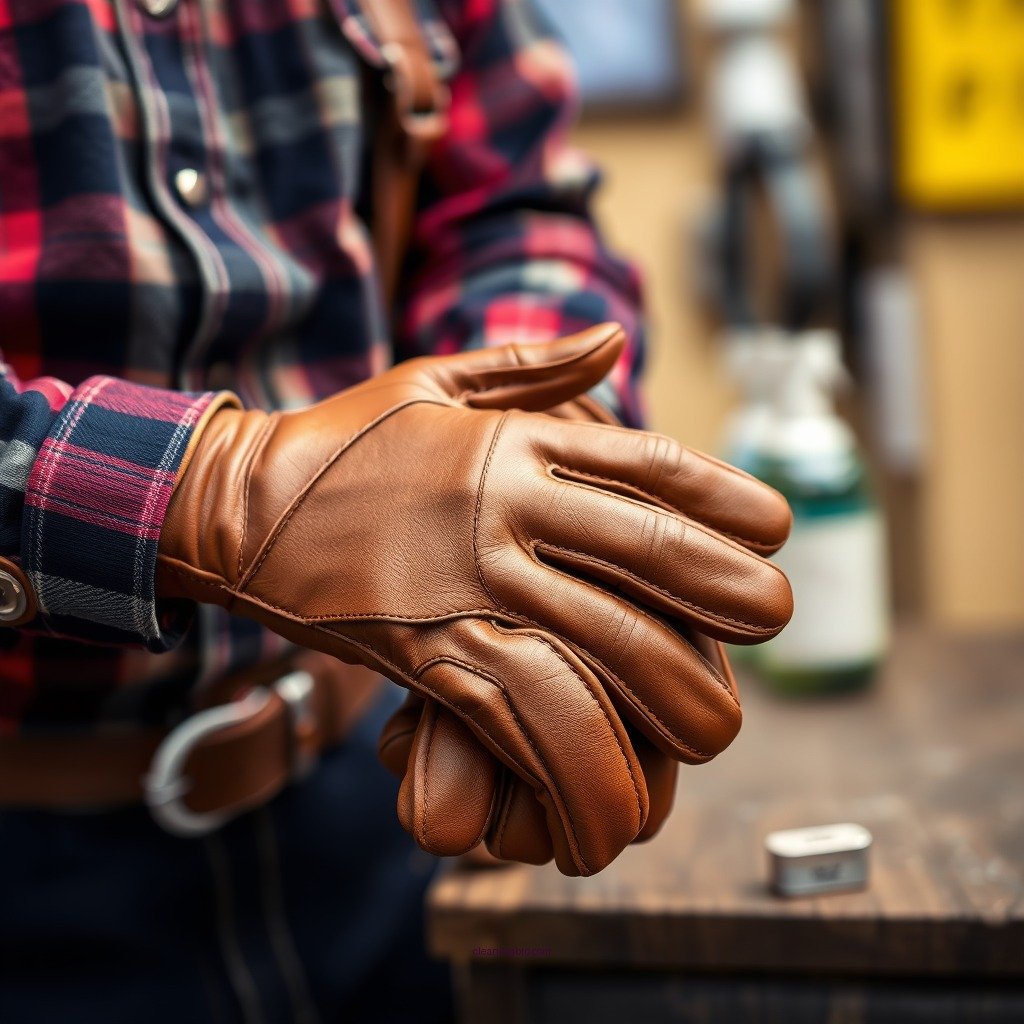
Before you start cleaning your leather gloves, it’s important to gather all the necessary supplies to ensure the process goes smoothly. Here’s what you’ll need:
– Soft Brush or Cloth: A microfiber or soft cotton cloth is ideal for removing dirt and dust without scratching the leather.
– Leather Cleaner: Select a pH-balanced leather cleaner specifically designed for the type of leather your gloves are made from. Avoid all-purpose cleaners, as they can damage the leather.
– Leather Conditioner: After cleaning, applying a leather conditioner helps to restore moisture and prevent cracking.
– Stain Remover: For tougher stains, consider having a specialized leather stain remover on hand.
– Water: Use distilled water when dampening your cloth, as tap water can contain minerals that might leave deposits on the leather.
Avoid harsh chemicals, abrasive tools, or excessive water, as these can harm the leather. Proper preparation ensures that your cleaning session is effective and safe for your gloves.
Cleaning the Exterior
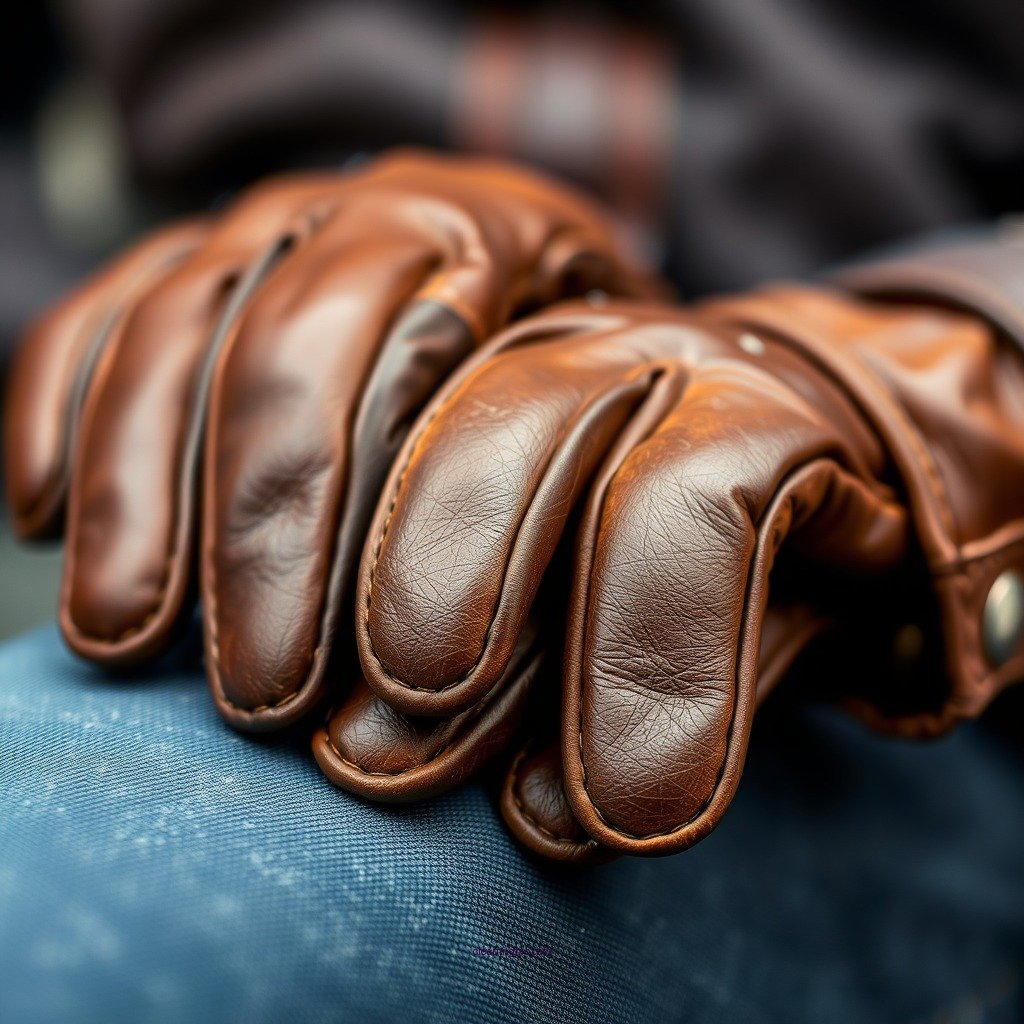
The cleaning process begins with removing any surface dirt. Here’s how to do it properly:
1. Initial Dusting: Use a soft brush or damp cloth to gently wipe away any dirt or dust from the gloves. Pay special attention to seams and folds where dirt accumulates.
2. Applying Leather Cleaner: Follow the product instructions to apply the leather cleaner. Typically, you’ll need to dampen a clean cloth with the cleaner and gently rub it onto the glove’s surface, focusing on stained areas. Always work in small sections to ensure thorough cleaning.
3. Wipe Off Residue: After applying the cleaner, use a separate damp cloth to remove any excess cleaner from the gloves. Make sure not to soak the leather, as too much moisture can lead to damage.
4. Drying: Allow the gloves to air dry at room temperature. Avoid direct sunlight or heat sources, as these can cause the leather to crack or warp.
Regular cleaning of the exterior not only maintains the gloves’ appearance but also helps to prolong their lifespan.
Dealing with Stains
Stains can be particularly troublesome on leather gloves, but with the right approach, they can often be removed effectively. Here are some targeted strategies:
1. Identify the Stain: Determine the type of stain you are dealing with. Common stains include oil, ink, and water marks. Each type requires a different treatment method.
2. Oil Stains: Sprinkle cornstarch or talcum powder on the stain and let it sit for several hours to absorb the oil. Then brush off the powder and clean the area with a damp cloth.
3. Ink Stains: Use a leather-specific ink remover or rubbing alcohol on a cotton swab. Gently dab the stain, being careful not to rub it in further. Test this method on a small, inconspicuous area first to ensure it doesn’t discolor the leather.
4. Water Stains: If your gloves develop water stains, dampen the entire glove slightly with a clean cloth and reshape it while drying. This can help even out the discoloration.
5. Testing: Always perform a patch test with any cleaning solution on a hidden area of the glove before treating the stained section. This precaution helps prevent irreversible damage.
Dealing with stains promptly will help keep your gloves looking pristine, so it’s a good idea to address any spills or marks as soon as they occur.
Conditioning After Cleaning
After cleaning, conditioning is an important step that should not be overlooked. Here’s why and how to do it:
1. Restoring Moisture: Leather can dry out over time, leading to cracks and loss of flexibility. A good leather conditioner helps to replenish the oils and moisture lost during cleaning.
2. Application: Use a clean, soft cloth to apply a small amount of leather conditioner. Work it into the leather using circular motions, ensuring even coverage.
3. Let It Absorb: Allow the conditioner to sit on the gloves for about 15 minutes, then buff the gloves with a clean cloth to remove any excess product.
4. Frequency: Condition your leather gloves every 3-6 months, or more frequently if they are exposed to harsh conditions or heavy use.
Proper conditioning extends the life of your gloves and keeps them looking supple and attractive.
Drying and Storing Your Gloves
Proper drying and storage techniques are crucial for maintaining the shape and condition of your leather gloves:
1. Air Drying: After cleaning, let your gloves air dry naturally, away from direct sunlight and heat sources. This prevents the leather from drying out or cracking.
2. Storage: Store your gloves in a cool, dry place. Ideally, keep them in a breathable cloth bag, as opposed to plastic, which can trap moisture and promote mold growth.
3. Avoid Folding: To maintain their shape, avoid folding your gloves. Instead, lay them flat or hang them on a glove hanger.
4. Check Periodically: Regularly check your gloves for any signs of wear or damage. Early detection can help you address issues before they become significant problems.
Taking these steps ensures that your gloves are ready for use whenever you need them, preserving their functionality and style.
Regular Maintenance Tips
To keep your leather gloves looking their best, regular maintenance is essential. Here are some actionable tips:
1. Routine Cleaning: Clean your gloves regularly, especially after heavy use. A quick wipe with a soft cloth can prevent dirt buildup.
2. Avoid Excessive Moisture: Try to keep your gloves dry. If they get wet, dry them slowly and naturally to avoid damage.
3. Store Properly: Follow proper storage techniques to maintain their shape and prevent creasing.
4. Rotate Usage: If you have multiple pairs of gloves, rotate them to avoid excessive wear on a single pair.
5. Be Mindful of Activities: If you’re engaging in activities that might soil or damage your gloves, consider wearing a less expensive pair.
By implementing these maintenance strategies, you can ensure your leather gloves remain stylish and functional for years to come.
Maintaining your leather gloves through proper cleaning techniques will ensure they remain stylish and functional for a long time. By following these steps and tips, you can keep your gloves looking their best. Don’t forget to check your gloves periodically for any signs of wear and treat them with care. Regular attention to their care will enhance their longevity and keep them looking like new.
Frequently Asked Questions
How can I remove stains from my leather gloves?
To remove stains from leather gloves, start by gently blotting the stain with a soft, dry cloth. For tougher stains, mix a solution of mild soap and water, dampen a cloth with it, and gently rub the stained area. Afterward, wipe with a clean, damp cloth to remove any soap residue and let the gloves air dry away from direct heat.
What is the best way to clean leather gloves without damaging them?
The best way to clean leather gloves is by using a specialized leather cleaner or a mild soap solution. Avoid using harsh chemicals or excessive water, as they can dry out the leather or cause it to lose its shape. Always test any cleaner on a small, inconspicuous area first to ensure it doesn’t cause discoloration.
Why do my leather gloves smell bad, and how can I get rid of the odor?
Leather gloves can develop unpleasant odors due to moisture, sweat, or lack of ventilation. To eliminate the smell, use a mixture of equal parts water and white vinegar to lightly mist the inside of the gloves, then allow them to air out in a well-ventilated area. You can also place baking soda inside the gloves overnight to absorb odors, then shake it out the next day.
Which products should I avoid when cleaning leather gloves?
When cleaning leather gloves, avoid using bleach, ammonia, or any products containing alcohol or solvents, as these can damage the leather. Additionally, steer clear of household cleaners not specifically designed for leather, as they may strip away natural oils and cause the material to dry out or crack.
How often should I clean and condition my leather gloves?
It is advisable to clean and condition your leather gloves every few months, or more frequently if they are used often or exposed to harsh conditions. Regular cleaning helps maintain their appearance and longevity, while conditioning keeps the leather supple and prevents it from drying out and cracking.
References
- Leather | History & Facts | Britannica
https://www.britannica.com/technology/leather - https://www.ncbi.nlm.nih.gov/pmc/articles/PMC6425436/
https://www.ncbi.nlm.nih.gov/pmc/articles/PMC6425436/ - https://www.sciencedirect.com/topics/engineering/leather-cleaning
https://www.sciencedirect.com/topics/engineering/leather-cleaning - https://www.ncbi.nlm.nih.gov/books/NBK455084/
https://www.ncbi.nlm.nih.gov/books/NBK455084/ - https://www.hse.gov.uk/skin/conditions/leather.htm
https://www.hse.gov.uk/skin/conditions/leather.htm - https://www.who.int/news-room/fact-sheets/detail/skin-infections
https://www.who.int/news-room/fact-sheets/detail/skin-infections - https://www.theguardian.com/lifeandstyle/2021/jul/18/how-to-care-for-leather-clothing
https://www.theguardian.com/lifeandstyle/2021/jul/18/how-to-care-for-leather-clothing - https://www.bbc.com/future/article/20200709-how-to-clean-your-leather-jacket
https://www.bbc.com/future/article/20200709-how-to-clean-your-leather-jacket - Google Scholar Google Scholar
https://scholar.google.com/scholar?q=cleaning+leather+gloves - Google Scholar Google Scholar
https://scholar.google.com/scholar?q=leather+care+and+maintenance