How to Clean Mold on a Leather Jacket: Effective Methods
Understanding Mold on Leather
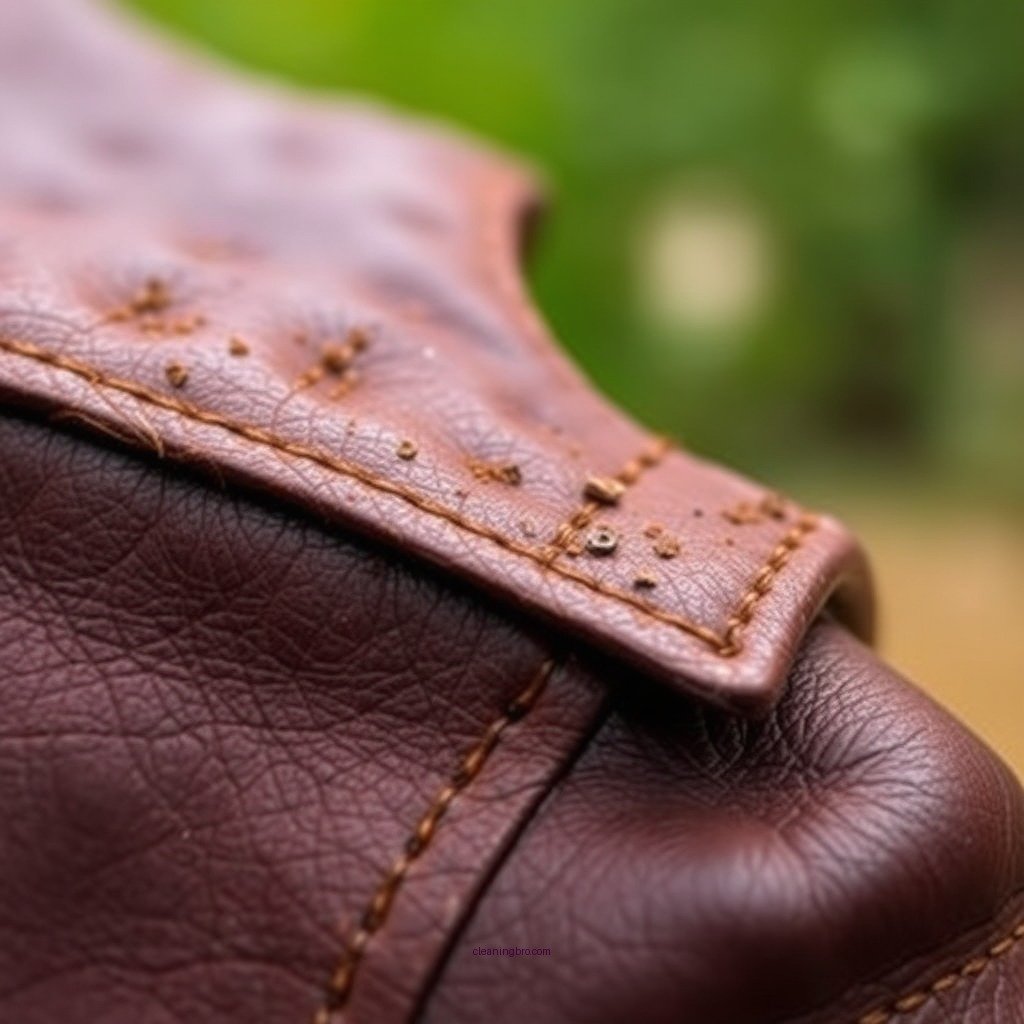
Mold thrives in damp environments, often found in areas with high humidity and limited airflow. Understanding this helps prevent future growth. Leather, being a natural material, is porous and can absorb moisture, which makes it susceptible to mold. When leather becomes damp, it creates an ideal breeding ground for mold spores, which not only affect the aesthetics of your jacket but can also compromise its structural integrity. To combat mold, it is crucial to maintain a dry storage environment and regularly inspect your leather items.
Preparing Your Cleaning Area
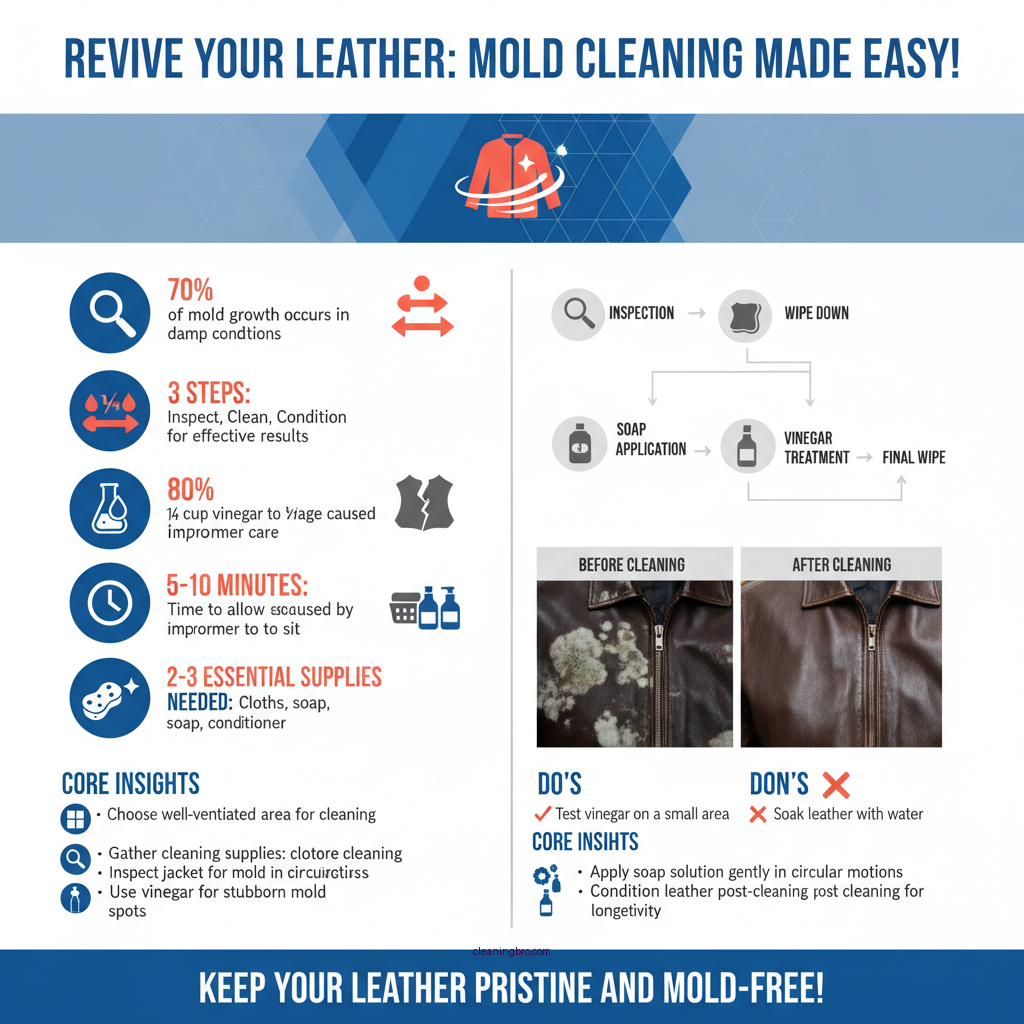
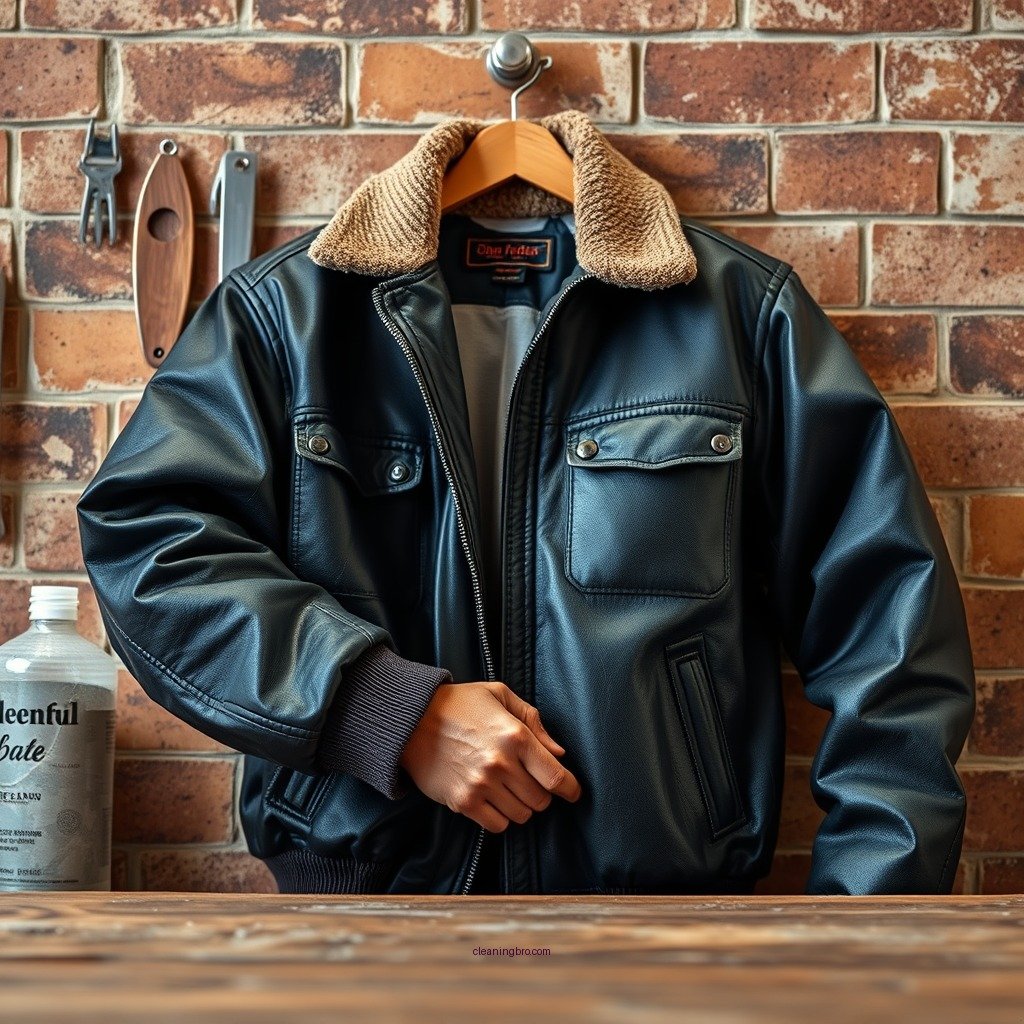
Before you begin the cleaning process, it is vital to choose a well-ventilated space, as this will help prevent inhaling mold spores that may become airborne during cleaning. A garage, outdoor area, or a room with open windows can work well. Gather all necessary supplies which include:
– Soft cloths: Use microfiber or cotton cloths to avoid scratching the leather.
– Mild soap: Opt for a gentle soap specifically designed for leather care.
– Leather conditioner: This will help restore moisture and suppleness to the leather after cleaning.
– A soft-bristled brush: Useful for gently scrubbing away mold without damaging the leather.
Cleaning Mold Off Your Jacket
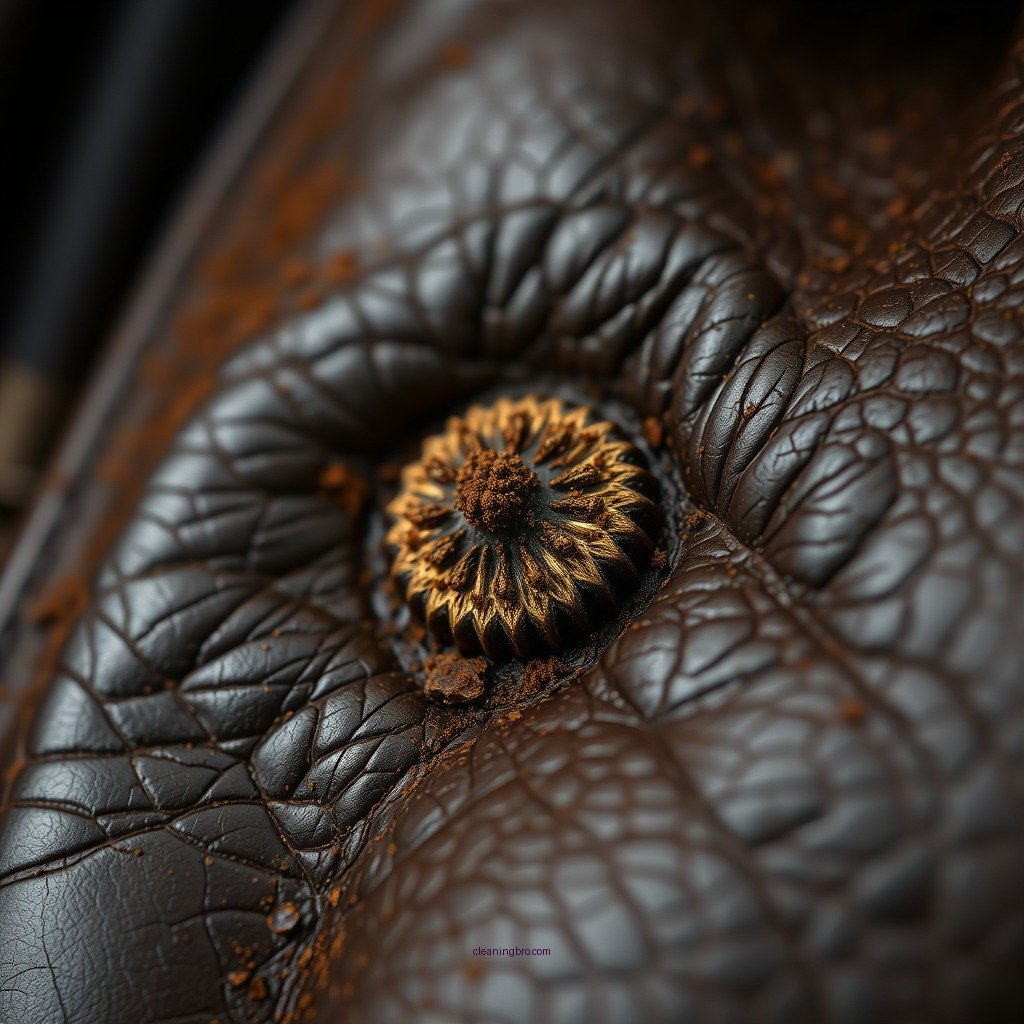
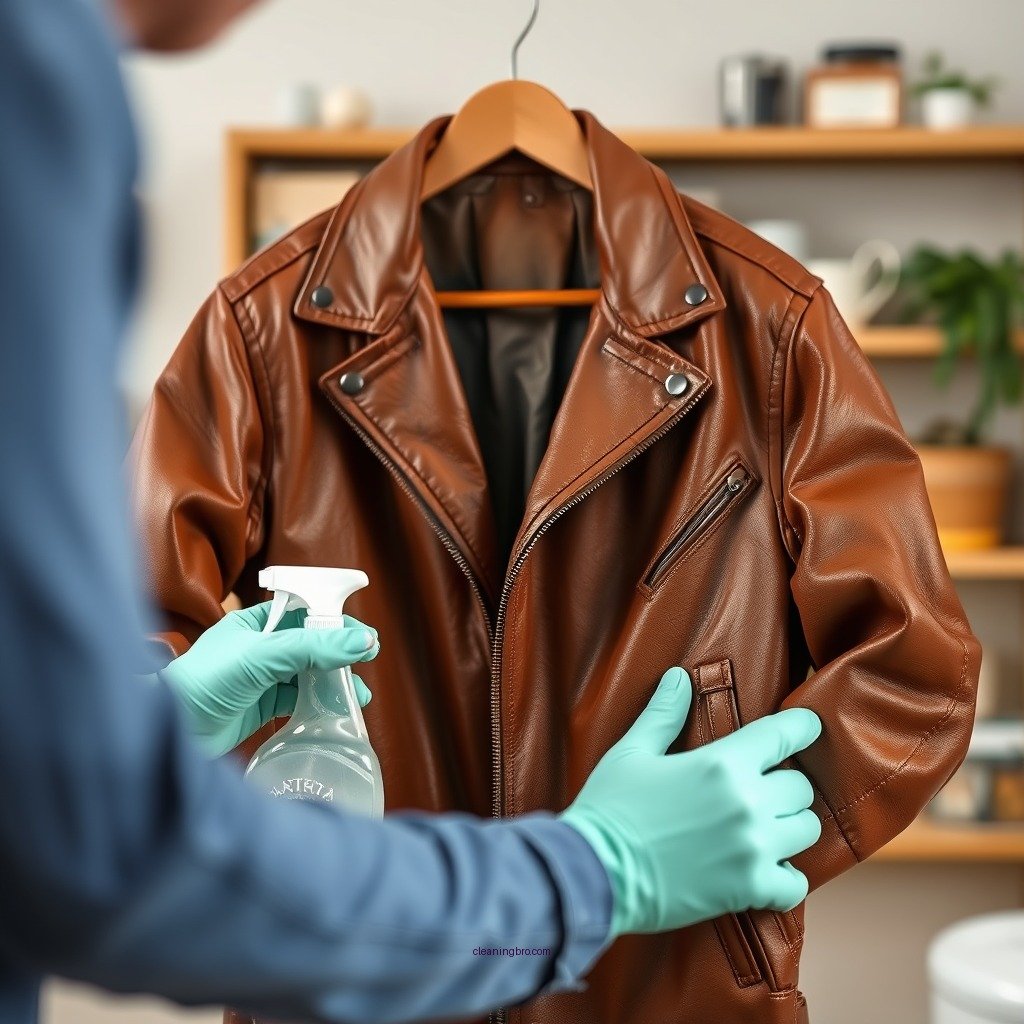
To start the cleaning process, mix a solution of mild soap and water. Dampen a soft cloth with this solution and gently scrub the affected areas of the leather jacket. Be cautious not to saturate the leather, as excessive moisture can lead to more mold growth. If you encounter stubborn mold, consider using a vinegar solution made of one part vinegar to three parts water. Vinegar is a natural mold killer and can penetrate the surface of the leather effectively. However, always test a small inconspicuous area first to ensure that the vinegar does not discolor or damage the leather.
Here’s a step-by-step guide for cleaning:
1. Preliminary Inspection: Identify the areas with mold and assess the extent of the damage.
2. Initial Wipe Down: Use a dry cloth to wipe off any loose mold from the surface.
3. Soap Solution Application: Apply the soap solution with a damp cloth, using circular motions to lift the mold from the leather.
4. Vinegar Treatment: For persistent mold, apply the vinegar solution with a clean cloth, allowing it to sit for a few minutes before wiping it away.
5. Final Wipe: Use a damp cloth to remove any soap or vinegar residue, ensuring the leather is not left wet.
Drying Your Leather Jacket
After cleaning, it is crucial to dry the jacket properly. Avoid direct sunlight or heat sources, such as radiators or blow dryers, as this can cause the leather to crack or warp. Instead, hang the jacket in a shaded area with good airflow, allowing it to dry naturally. Ensure that the jacket is thoroughly dried to prevent mold from returning. You can speed up the drying process by placing it on a padded hanger, which helps maintain its shape while allowing air to circulate.
Conditioning and Protecting Your Leather
Once the jacket is clean and dry, it’s essential to apply a leather conditioner. This will restore moisture and flexibility to the leather, counteracting any drying effects caused by the cleaning process. Choose a high-quality leather conditioner and apply it with a soft cloth, following the manufacturer’s instructions. After conditioning, consider using a leather protector spray to create a barrier against future mold growth and environmental damage. This protective layer can repel moisture and make it easier to clean any future stains.
Preventing Future Mold Growth
Preventing mold is much easier than cleaning it. Here are some strategies to help ensure your leather jacket remains mold-free:
1. Storage Conditions: Store your leather jacket in a cool, dry place. Avoid damp or humid areas, and consider using silica gel packets in storage to absorb excess moisture.
2. Regular Cleaning: Clean and condition your leather jacket regularly, even when it appears to be in good condition. This maintenance helps prevent mold growth by keeping the leather dry and nourished.
3. Air Circulation: Ensure that your wardrobe or storage space is well-ventilated. This will minimize humidity levels and reduce the likelihood of mold spores settling on your jacket.
Top Causes of Mold on Leather Jackets (2024)
| # | Cause | Risk Level | Mitigation Strategies |
|---|---|---|---|
| 1 | High Humidity | High | Use dehumidifiers |
| 2 | Poor Ventilation | Medium | Improve airflow |
| 3 | Damp Storage | High | Store in dry areas |
| 4 | Spills and Stains | Medium | Wipe spills immediately |
| 5 | Infrequent Cleaning | High | Regular maintenance |
| 6 | Contact with Water | Medium | Avoid wet conditions |
| 7 | Improper Storage | High | Use breathable covers |
Common Mold Removal Methods for Leather Jackets
Leather Cleaning Products: Best Options
| Feature | ⭐ Leather Cleaner Pro | Mild Soap | Vinegar Cleaner |
|---|---|---|---|
| Effectiveness | High | Medium | High |
| Price | $15 | $5 | $3 |
| Ease of Use | ✅ | ✅ | ✅ |
| Multi-surface Use | ✅ | ❌ | ✅ |
| Conditioning Effect | ✅ | ❌ | ❌ |
| Mold Removal | ✅ | ❌ | ✅ |
| Quick Drying | ✅ | ❌ | ❌ |
| Environmentally Friendly | ✅ | ✅ | ✅ |
| 🏆 Best For | Heavy-duty cleaning | Daily use | Emergency cleanup |
Cleaning mold from a leather jacket is not only crucial for aesthetic reasons but also for the longevity and integrity of the leather itself. By understanding how mold forms, preparing your cleaning area, and employing the right methods, you can effectively remove mold while protecting your investment. Remember to condition and store your leather properly to prevent future mold growth. Regular maintenance and proper storage are key to preventing mold on your leather jacket. Try these methods today to keep your jacket looking its best! If you found this guide helpful, share it with friends or leave a comment with your own tips.
Frequently Asked Questions
How can I safely remove mold from my leather jacket?
To safely remove mold from your leather jacket, first take it outside to prevent spores from spreading indoors. Use a soft brush to gently remove surface mold, then clean the affected area with a mixture of water and mild soap. After cleaning, let the jacket air dry away from direct sunlight and apply a leather conditioner to restore moisture.
What household items can I use to clean mold off a leather jacket?
You can use a mixture of white vinegar and water to clean mold off your leather jacket, as vinegar is a natural antifungal agent. Alternatively, a solution of rubbing alcohol and water can be effective. Always test any cleaning solution on a small, inconspicuous area first to ensure it doesn’t damage the leather.
Why does mold grow on leather jackets, and how can I prevent it?
Mold grows on leather jackets due to excess moisture and lack of ventilation, often in humid environments. To prevent mold, store your leather jacket in a cool, dry place, and ensure it is clean and completely dry before putting it away. Regularly conditioning the leather can also help maintain its integrity and resist mold growth.
What is the best way to treat a leather jacket that has a severe mold infestation?
For severe mold infestations on a leather jacket, it’s best to consult a professional leather cleaner who has experience with mold removal. Attempting to clean it yourself could damage the leather further. If you choose to do it yourself, follow the gentle cleaning methods and ensure thorough drying to prevent future mold growth.
Which products are recommended for cleaning mold off leather jackets?
Recommended products for cleaning mold off leather jackets include specialized leather cleaning solutions that contain antifungal agents. Additionally, natural options like diluted white vinegar or rubbing alcohol can be effective. Always follow up with a quality leather conditioner to keep the material supple and protected after cleaning.
References
- https://www.mayoclinic.org/healthy-lifestyle/home-and-garden/in-depth/mold-cleanup/art-20046491
https://www.mayoclinic.org/healthy-lifestyle/home-and-garden/in-depth/mold-cleanup/art-20046491 - https://www.cdc.gov/mold/cleanupguidelines.html
https://www.cdc.gov/mold/cleanupguidelines.html - https://www.nytimes.com/2020/05/04/style/how-to-clean-leather.html
https://www.nytimes.com/2020/05/04/style/how-to-clean-leather.html - https://www.bbc.com/future/article/20200303-how-to-get-rid-of-mould-in-your-home
https://www.bbc.com/future/article/20200303-how-to-get-rid-of-mould-in-your-home - https://www.sciencedirect.com/topics/earth-and-planetary-sciences/mold-cleaning
https://www.sciencedirect.com/topics/earth-and-planetary-sciences/mold-cleaning - University of Washington Press
https://www.washington.edu/uwpress/search/books/blackford.html - https://www.scholar.google.com/scholar?q=how+to+clean+mold+on+leather+jacket Google Scholar
https://www.scholar.google.com/scholar?q=how+to+clean+mold+on+leather+jacket - https://www.scholar.google.com/scholar?q=cleaning+mold+leather+care Google Scholar
https://www.scholar.google.com/scholar?q=cleaning+mold+leather+care - https://www.scholar.google.com/scholar?q=leather+cleaning+mold+removal Google Scholar
https://www.scholar.google.com/scholar?q=leather+cleaning+mold+removal - Google Scholar Google Scholar
https://scholar.google.com/scholar?q=how+to+clean+mold+on+leather+jacket