How to Clean Out a Diesel Fuel Tank: A Step-by-Step Guide
Cleaning out a diesel fuel tank is crucial for ensuring your vehicle runs efficiently and reliably. Over time, contaminants such as sediment, water, and microbial growth can accumulate in the tank, potentially leading to engine performance issues and costly repairs. This comprehensive guide will walk you through the necessary tools, safety precautions, and a detailed step-by-step process to effectively clean your diesel fuel tank, ensuring longevity and optimal performance.
Understanding the Importance of Cleaning
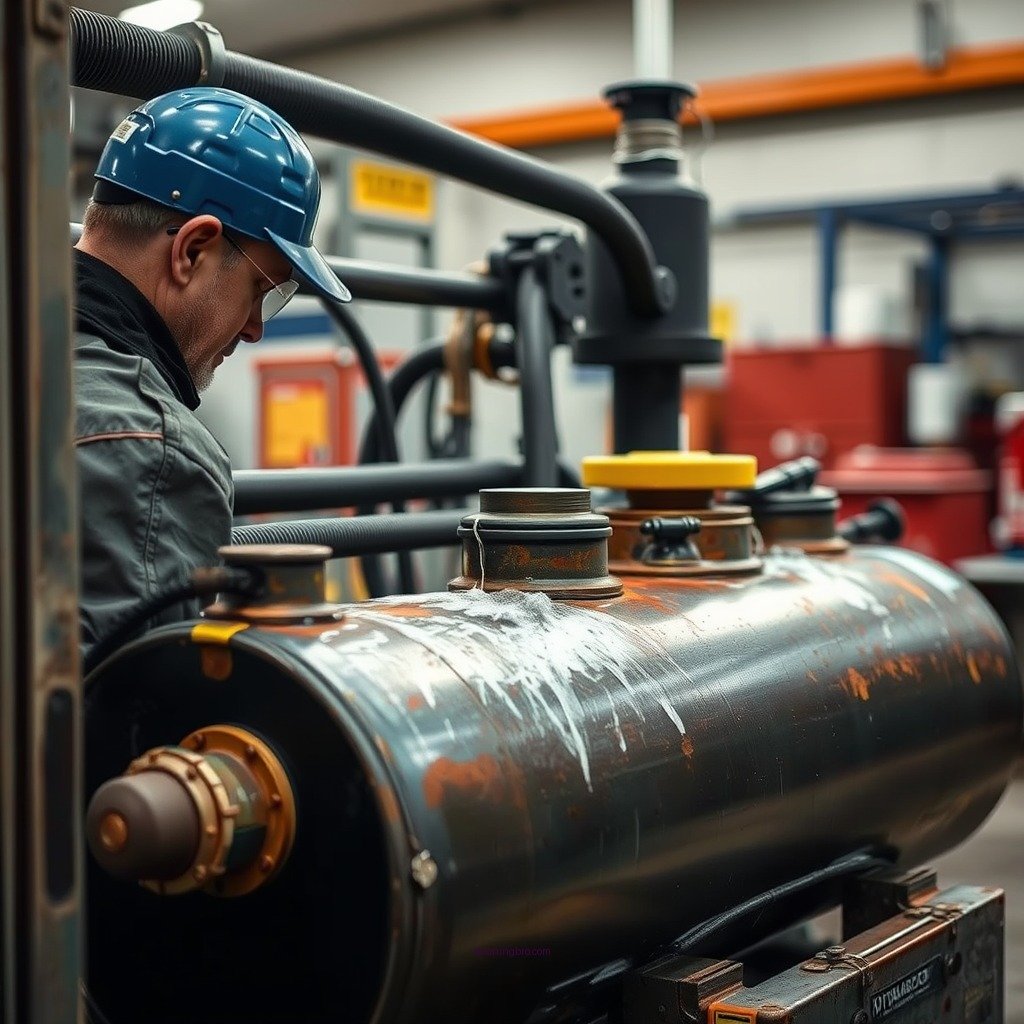
Safety Precautions
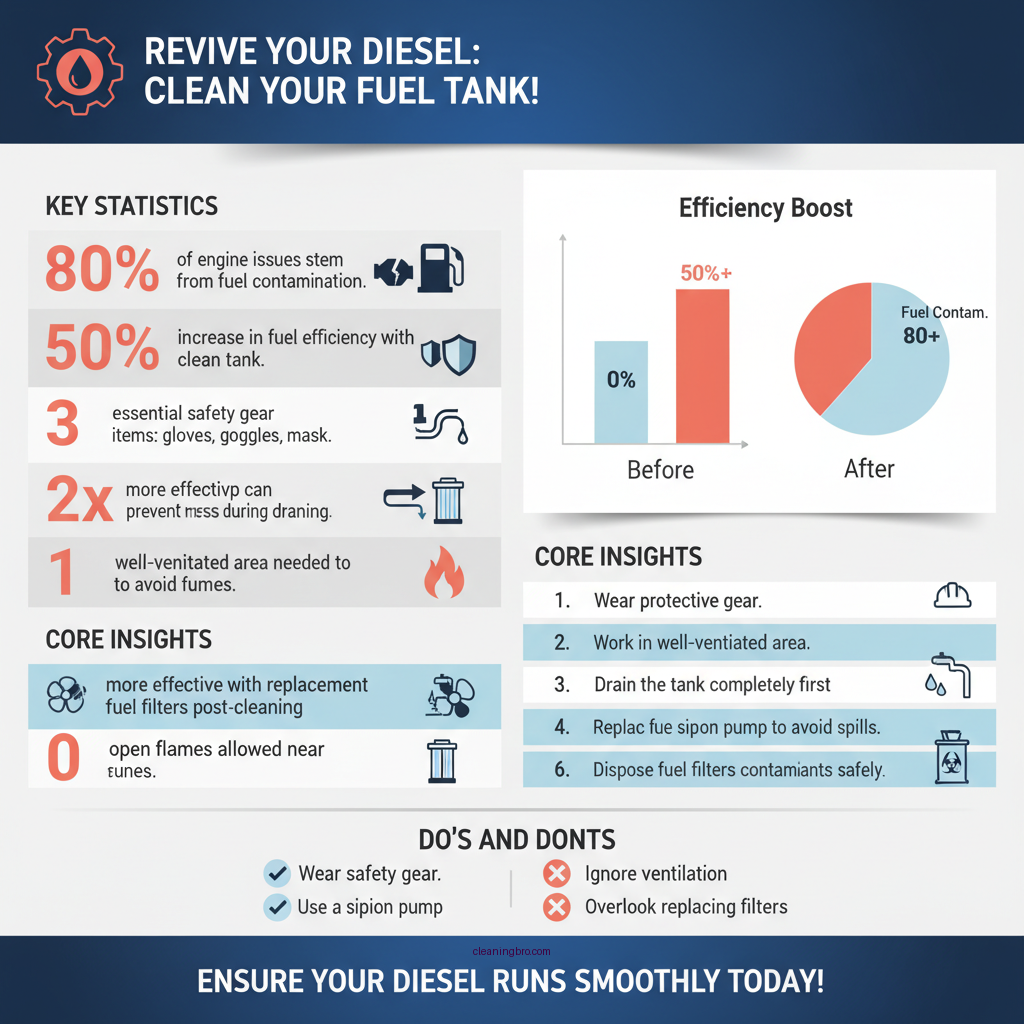
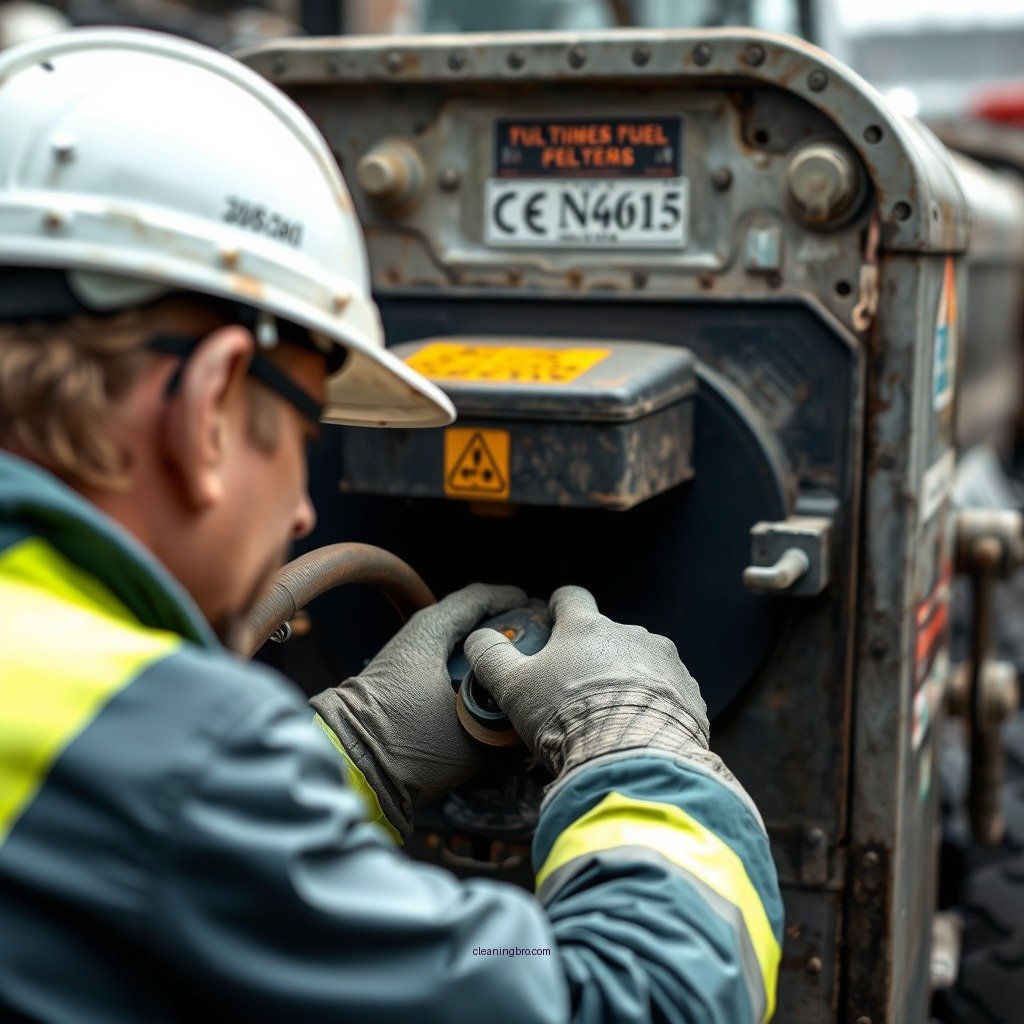
When handling diesel fuel and cleaning agents, it’s essential to prioritize safety to prevent accidents or health hazards. Always wear appropriate protective gear, including gloves, goggles, and a face mask, to shield yourself from harmful fumes and potential skin contact with fuel. Working in a well-ventilated area is crucial to avoid inhaling toxic vapors that can cause dizziness or respiratory issues. Additionally, keep fire extinguishers nearby, as diesel fuel is flammable, and ensure that there are no open flames or sparks in the vicinity during the cleaning process.
Tools and Materials Needed
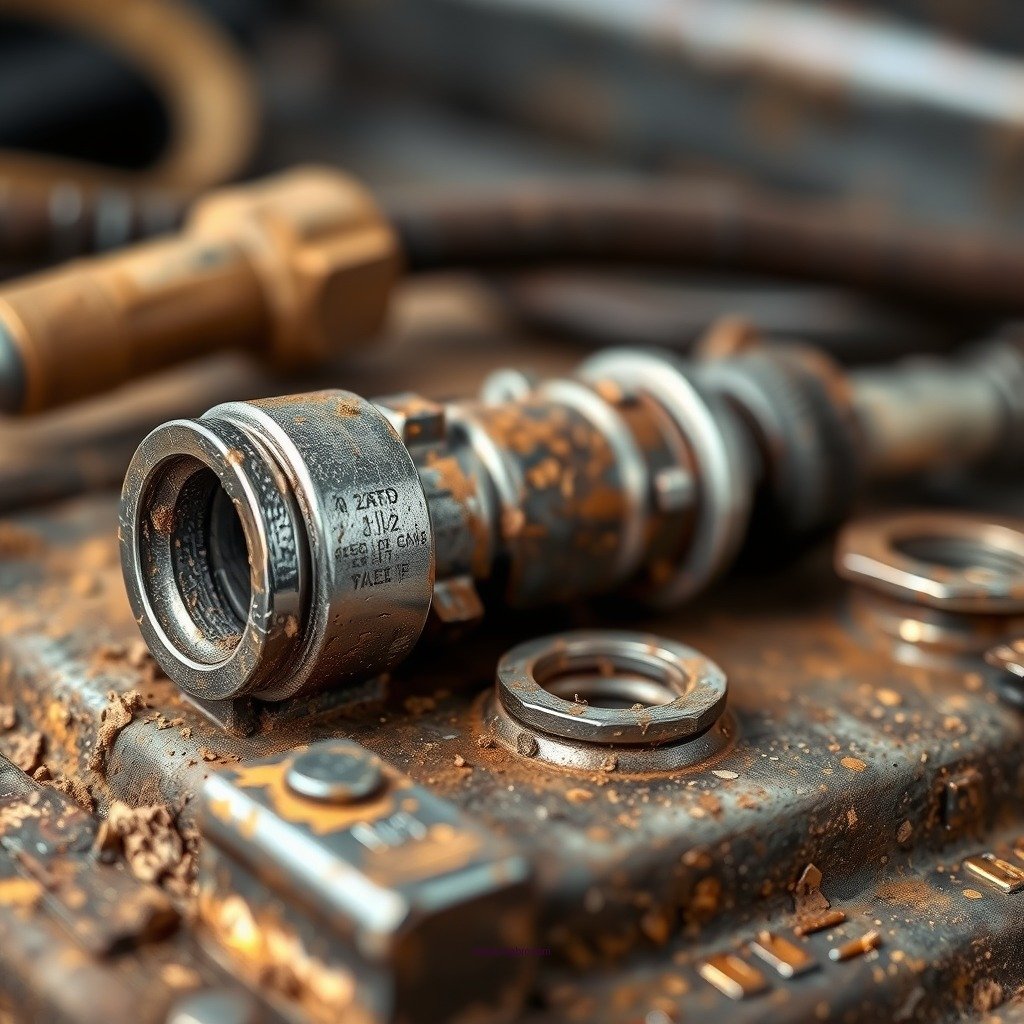
Before starting the cleaning process, gather the necessary tools and materials to ensure a smooth operation. Here’s a list of what you will need:
Tools:
– Siphon Pump: Essential for draining the diesel fuel tank without making a mess.
– Cleaning Solvent: A diesel-compatible solvent to help break down sludge and debris.
– Brushes: Use stiff-bristled brushes to scrub the interior surfaces of the tank.
– Rags: For wiping down surfaces and cleaning up spills.
Materials:
– Replacement Fuel Filters: It’s advisable to replace filters during the cleaning process to ensure optimal fuel flow.
– Safety Containers: For the safe disposal of old fuel and contaminants collected during the cleaning.
Step-by-Step Cleaning Process
Step 1: Drain the Diesel Fuel Tank Completely
Begin by safely draining the diesel fuel tank using a siphon pump. Ensure you have a suitable container for collecting the fuel. Avoid siphoning fuel in areas with high temperatures or open flames. Once the tank is empty, inspect it for any visible debris or sediment.
Step 2: Remove Sediment and Debris
Use a combination of brushes and cleaning solvents to scrub the inside of the tank. Apply the cleaning solvent generously and let it sit for a few minutes to loosen stubborn contaminants. Then, use brushes to scrub the tank’s interior, focusing on corners and edges where debris tends to accumulate. Wipe down the surfaces with rags to remove any remaining residue.
Inspecting the Tank
After cleaning, it’s essential to inspect the tank for any signs of rust or damage that could compromise its integrity. Check for leaks in all connections and hoses, as even minor leaks can lead to significant problems down the line. Look for any signs of corrosion or wear that may necessitate repairs or replacement.
Reassembly and Refilling
Once you are satisfied with the tank’s cleanliness and have completed your inspection, it’s time to reassemble everything. Replace any worn-out parts, including fuel filters and seals, to ensure a proper fit and function. Refill the tank with fresh diesel fuel, and run the engine for a few minutes to check for any issues. Listen for unusual sounds and monitor the performance to ensure everything is functioning as it should.
Regular Maintenance Tips
To keep your diesel fuel tank clean and your vehicle running smoothly, incorporate regular maintenance into your routine. Schedule routine checks to monitor fuel quality and cleanliness, ideally every few months or after long periods of inactivity. Additionally, keep the tank full to minimize condensation, which can lead to water accumulation and contamination.
By following these steps, you can ensure your diesel fuel tank is clean and functioning optimally. Regular maintenance will enhance your vehicle’s performance and save you from costly repairs in the future. Always prioritize safety and consider consulting a professional if you’re unsure about any part of the process.
Top Diesel Fuel Contaminants and Their Effects
| # | Contaminant Type | Effects on Engine | Recommended Action |
|---|---|---|---|
| 1 | Water | Corrosion of engine components | Regular tank cleaning |
| 2 | Sediment | Clogged fuel filters | Frequent fuel checks |
| 3 | Microbial Growth | Fuel system damage | Use biocides |
| 4 | Rust | Leaking fuel | Tank replacement |
| 5 | Dust and Dirt | Engine inefficiency | Regular cleaning |
| 6 | Biofilms | Fuel degradation | Use biocides |
| 7 | Gums and Varnishes | Fuel line blockages | Regular maintenance |
Common Diesel Fuel Contaminants
Best Practices for Diesel Fuel Tank Maintenance
| Maintenance Practice | ⭐ Regular Cleaning | Fuel Quality Checks | Biocide Usage |
|---|---|---|---|
| Frequency | Every 6 months | Quarterly | As needed |
| Inspection of Filters | ✅ | ✅ | ✅ |
| Use of Additives | ❌ | ✅ | ✅ |
| Monitoring for Water | ✅ | ✅ | ✅ |
| Tank Fullness | ✅ | ✅ | ✅ |
| Record Keeping | ✅ | ✅ | ✅ |
| Professional Help | ❌ | ✅ | ✅ |
| Environmental Concerns | ✅ | ✅ | ✅ |
| 🏆 Best For | Routine maintenance | Quality assurance | Contamination control |
In conclusion, maintaining a clean diesel fuel tank is essential for optimal vehicle performance and longevity. By being diligent about cleaning and monitoring your tank, you can prevent fuel contamination, improve efficiency, and avoid costly repairs. Always prioritize safety during the cleaning process and consider professional assistance if needed. Regular maintenance and attention to detail will ensure that your diesel engine runs smoothly for years to come.
Frequently Asked Questions
What are the necessary steps to clean out a diesel fuel tank?
To clean out a diesel fuel tank, first, ensure safety by disconnecting the battery and relieving fuel system pressure. Next, drain the fuel tank completely using a siphon or pump. After removing the sediment and contaminants, clean the interior surfaces with a suitable fuel tank cleaner, rinse thoroughly with clean diesel, and allow it to dry before reassembly.
How do I safely remove diesel fuel from my tank?
Safely remove diesel fuel from your tank by using a fuel transfer pump or siphoning method. Make sure to wear appropriate personal protective equipment, including gloves and goggles, and work in a well-ventilated area to avoid inhaling fumes. Always store the removed diesel fuel in approved containers for proper disposal or recycling.
Why is it important to clean a diesel fuel tank regularly?
Regularly cleaning a diesel fuel tank is crucial to prevent fuel contamination, which can cause engine problems, reduce efficiency, and lead to costly repairs. Contaminants like dirt, water, and microbial growth can accumulate over time, impacting fuel quality and performance. By maintaining a clean tank, you ensure optimal engine operation and longevity.
What is the best method for cleaning a diesel fuel tank?
The best method for cleaning a diesel fuel tank involves a combination of draining the tank, using a specialized fuel tank cleaning solution, and utilizing a high-pressure rinse. Mechanical agitation may also be employed to dislodge stubborn deposits. Following these steps helps ensure a thorough cleaning, setting the stage for better fuel performance and engine health.
Which tools do I need to clean a diesel fuel tank effectively?
To clean a diesel fuel tank effectively, you will need a fuel transfer pump or siphon hose, fuel tank cleaner, a high-pressure washer or hose, and tools for removing the tank if necessary. Additionally, using a vacuum or a brush can help remove stubborn sediments. Always ensure you have safety gear, including gloves and goggles, when performing this task.
References
- https://www.sciencedirect.com/topics/engineering/diesel-fuel-tank
https://www.sciencedirect.com/topics/engineering/diesel-fuel-tank - State Department of Transportation Fleet Replacement Management Practices | The National Academie…
https://www.nap.edu/catalog/22427/fuel-tank-cleaning-and-inspection - https://www.cdc.gov/niosh/topics/fuels/diesel.html
https://www.cdc.gov/niosh/topics/fuels/diesel.html - Diesel fuel | Definition, Efficiency, & Pollution | Britannica
https://www.britannica.com/science/diesel-fuel - https://www.researchgate.net/publication/324334042_Management_of_fuel_tank_cleaning
https://www.researchgate.net/publication/324334042_Management_of_fuel_tank_cleaning - https://pubmed.ncbi.nlm.nih.gov/32002467/
https://pubmed.ncbi.nlm.nih.gov/32002467/ - Google Scholar Google Scholar
https://scholar.google.com/scholar?q=how+to+clean+out+diesel+fuel+tank - Google Scholar Google Scholar
https://scholar.google.com/scholar?q=diesel+fuel+tank+cleaning+methods - Google Scholar Google Scholar
https://scholar.google.com/scholar?q=maintenance+of+diesel+fuel+tanks - how to clean out diesel fuel tank – Search results
https://en.wikipedia.org/wiki/Special:Search?search=how+to+clean+out+diesel+fuel+tank