
How to Effectively Clean Up a Gas Spill on Concrete
Cleaning up a gas spill on concrete requires swift action to minimize damage and ensure safety. The first step is to contain the spill and prevent further spread, followed by using appropriate materials to absorb and remove the gasoline. In this article, you’ll learn the essential steps and safety precautions needed to safely clean a gas spill on concrete.
Assessing the Spill
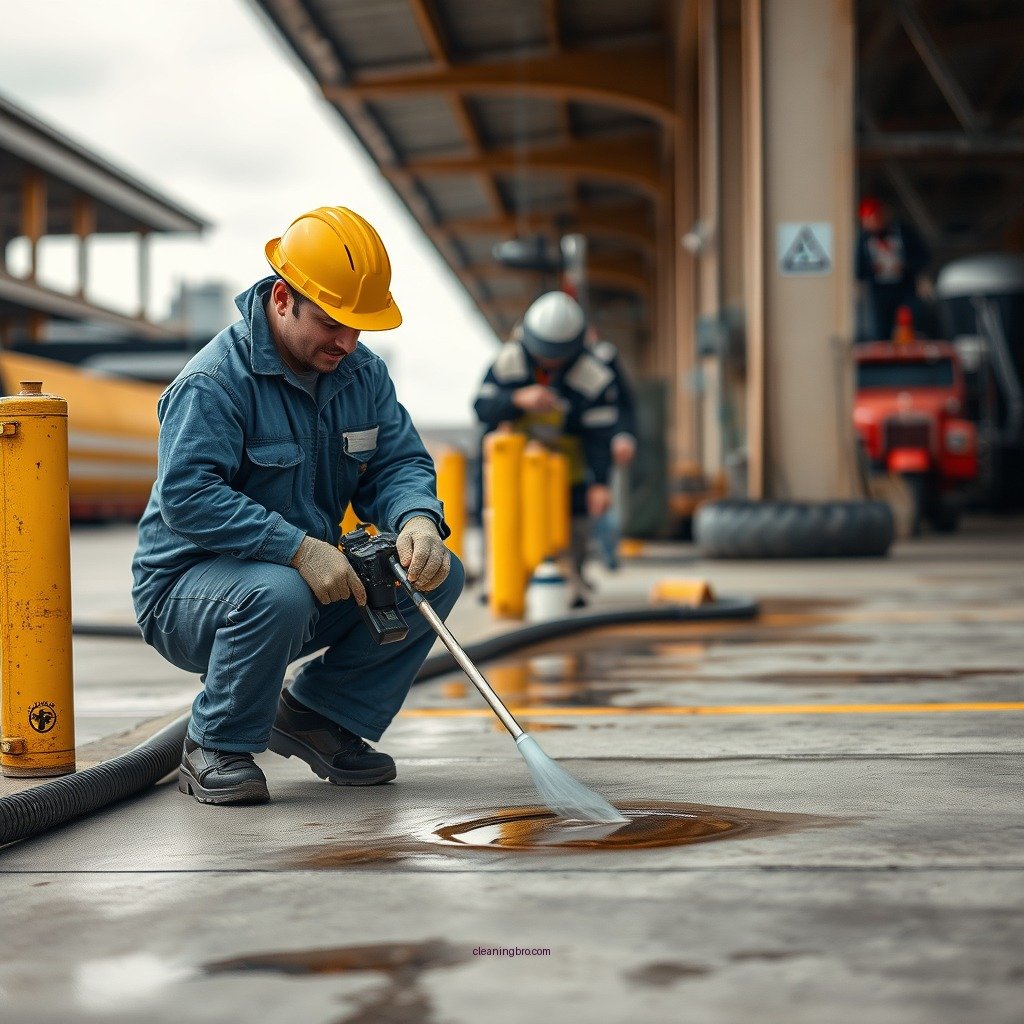
Before initiating any cleanup efforts, it is crucial to assess the gas spill’s size and extent. Determine how much gasoline has been spilled and the area it covers. For small spills, a few ounces may be manageable with household items. However, larger spills may require significant resources and professional help.
As you assess the situation, be vigilant for potential hazards. Look for any nearby ignition sources such as open flames, electrical equipment, or even hot surfaces. Gasoline fumes are highly flammable and can ignite easily, so identifying and eliminating these risks is vital.
Safety Precautions
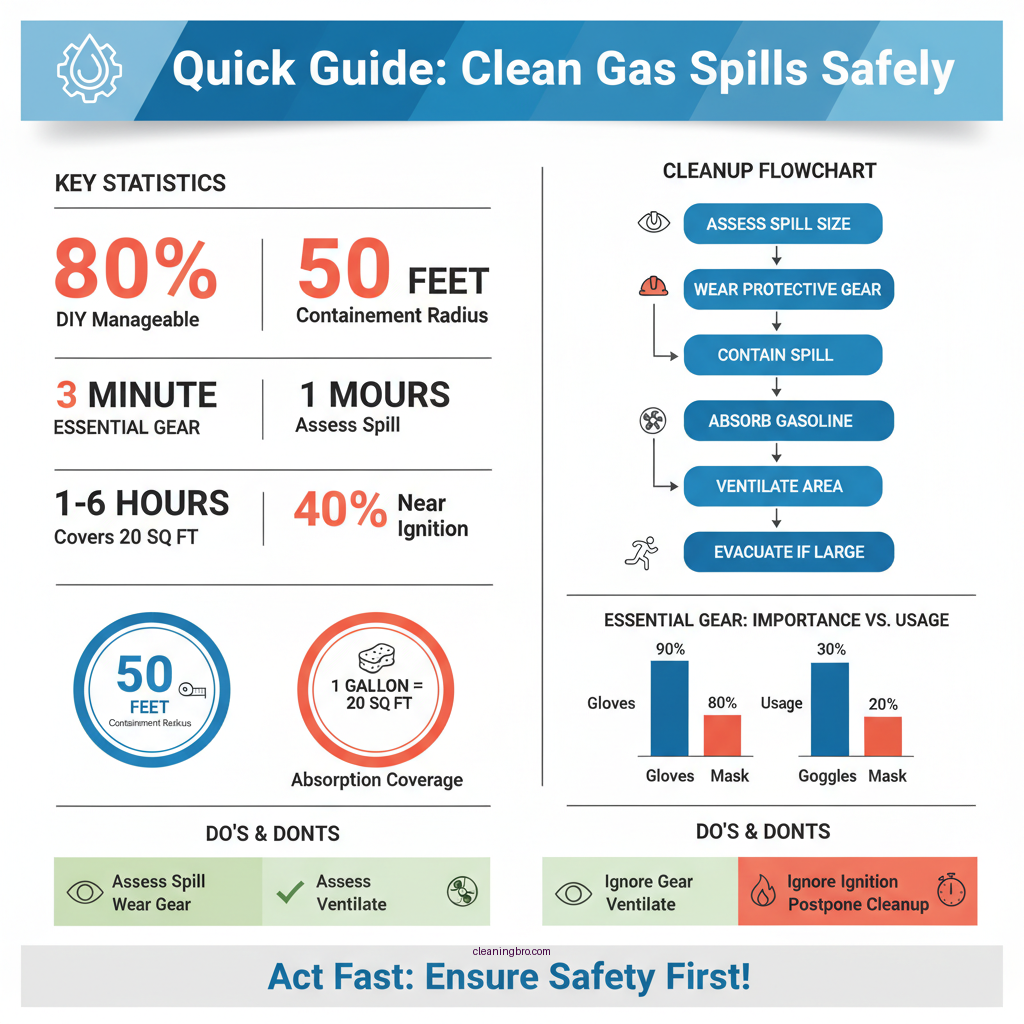
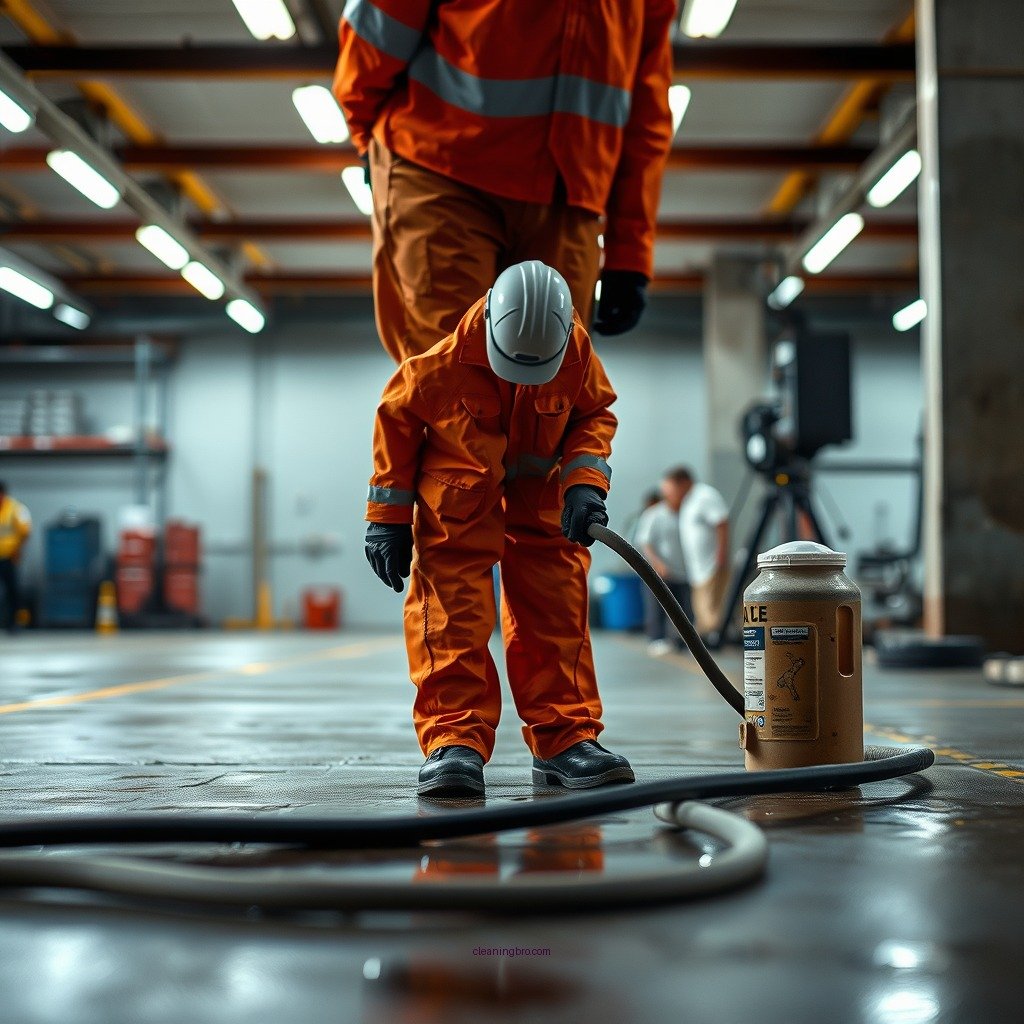
Safety should always be your top priority when dealing with hazardous materials like gasoline. Begin by wearing protective gear to shield yourself from direct contact with the gasoline and its harmful fumes. Essential gear includes:
– Gloves: Chemical-resistant gloves will help protect your skin.
– Goggles: Safety goggles prevent splashes from reaching your eyes.
– Mask: A mask or respirator is recommended to avoid inhaling harmful vapors.
In addition to personal protective equipment, ensure adequate ventilation in the area where the gas spill occurred. Open windows and doors to allow fresh air to circulate, which helps reduce the concentration of harmful fumes. If the spill is extensive, consider evacuating the area until it is safe to proceed.
Containing the Spill
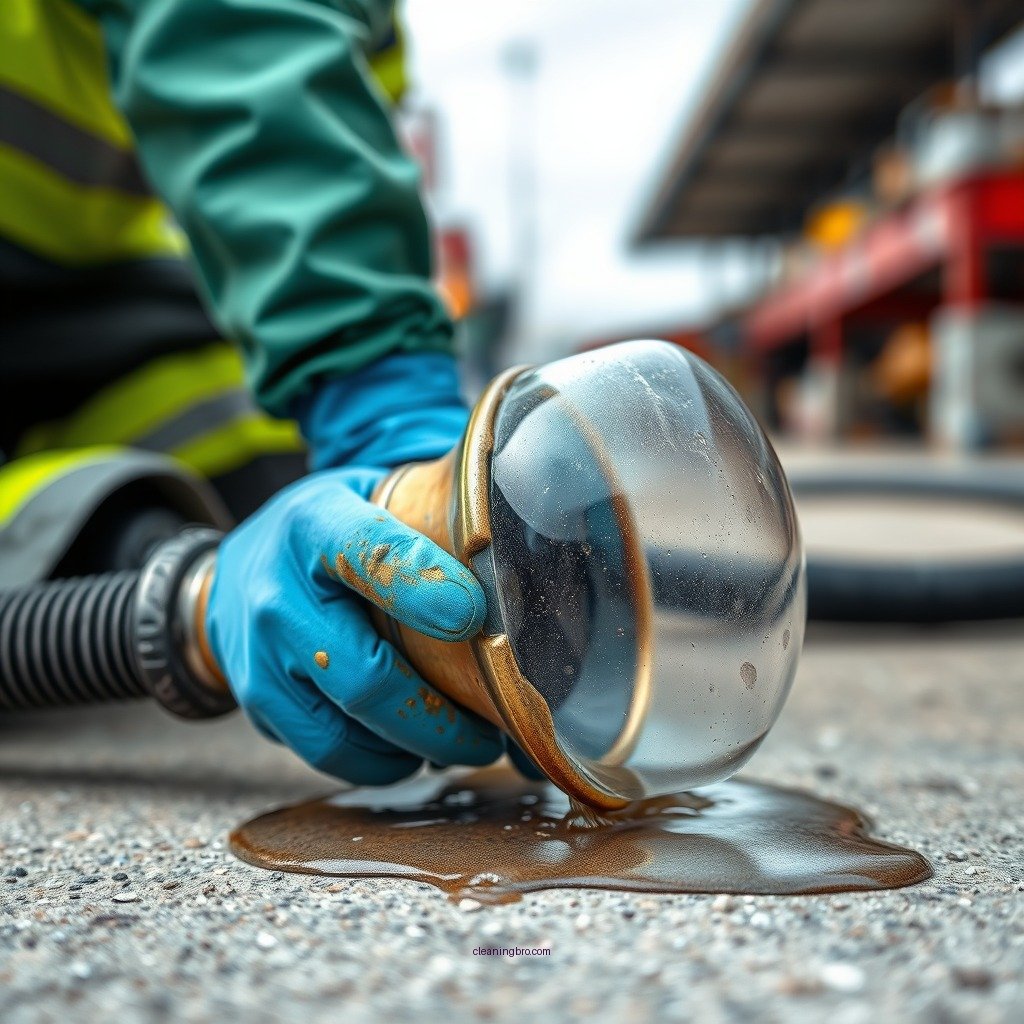
Effective containment is critical to prevent the gasoline from spreading further across the concrete surface. Start by using absorbent materials like sand, kitty litter, or specialized absorbent pads. These materials can help soak up the gasoline and limit its spread.
Use the absorbent material to create a barrier around the perimeter of the spill. This will help contain the gasoline and prevent it from seeping into nearby areas or cracks in the concrete. It’s important to use enough absorbent material to cover the entire spill adequately.
Absorbing the Gasoline
Once the spill is contained, the next step is to absorb the gasoline. Generously sprinkle your chosen absorbent material over the spill, ensuring it covers the entire area. Depending on the material used, you may need to apply a thicker layer for maximum effectiveness.
Allow the absorbent materials to sit for at least 15-30 minutes. This waiting period enables the materials to thoroughly soak up the gasoline. During this time, keep the area clear of foot traffic to avoid disturbing the absorbent materials.
Cleaning the Area
After the absorbent materials have absorbed the gasoline, it’s time to clean the area. Using a broom and dustpan, sweep up the used absorbent material carefully. Dispose of the contaminated materials according to local hazardous waste regulations. It is crucial to follow these regulations to prevent environmental harm and potential legal consequences.
If the concrete surface still appears stained or has a lingering gasoline odor, further cleaning may be necessary. You can use a mixture of soap and water to scrub the affected area. A stiff-bristled brush can help remove any remaining residue from the concrete surface.
Deodorizing and Final Cleanup
To ensure the area is free from any gasoline odor, scrub the cleaned area with a mixture of soap and water. Rinse the area thoroughly with clean water to ensure no soap residue remains. This step is essential, as any remaining soap can create a slippery surface, posing a risk of falls.
In some cases, you may also want to consider using a commercial concrete cleaner or deodorizer specifically designed for oil and gasoline spills. These products can effectively neutralize odors and enhance the overall cleanliness of the area.
Preventing Future Spills
Preventative measures are essential to minimize the risk of future gasoline spills. Here are some strategies to consider:1. Safe Storage: Always store gasoline in approved containers designed for fuel storage. Ensure these containers are sealed and kept away from heat sources or direct sunlight.
2. Regular Inspections: Routinely inspect areas where gasoline is used or stored. Look for leaks or signs of wear and tear in containers, hoses, and equipment.
3. Training: If your business involves the handling of gasoline, ensure that employees are trained in proper storage, handling, and emergency response techniques.
By implementing these preventive measures, you can significantly reduce the likelihood of gas spills in the future.
Most Common Causes of Gas Spills
| # | Cause | Percentage (%) | Severity |
|---|---|---|---|
| 1 | Equipment Malfunction | 35% | High |
| 2 | Human Error | 25% | Medium |
| 3 | Improper Storage | 20% | Low |
| 4 | Environmental Factors | 15% | Medium |
| 5 | Spills During Transport | 5% | Low |
Gas Spill Response Time Effectiveness
Gasoline Cleanup Products Comparison
| Feature | ⭐ Product A | Product B | Product C |
|---|---|---|---|
| Absorption Rate | 90% | 75% | 80% |
| Environmental Safety | ✅ Biodegradable | ✅ Non-toxic | ✅ Biodegradable |
| Ease of Use | ✅ Easy | ✅ Moderate | ✅ Difficult |
| Odor Removal | ✅ Effective | ✅ Limited | ✅ Effective |
| Drying Time | Short | Moderate | Long |
| Coverage Area | Large | Medium | Small |
| Cost | $30 | $25 | $20 |
| Availability | ✅ Widely Available | ✅ Limited | ✅ Widely Available |
| User Reviews | 4.5/5 | 3.5/5 | 4/5 |
| 🏆 Best For | Heavy-duty spills | Home use | Small spills |
In conclusion, effectively cleaning up a gas spill on concrete involves a systematic approach that prioritizes safety and environmental responsibility. By assessing the spill, taking necessary safety precautions, containing and absorbing the gasoline, and following through with thorough cleaning and deodorization, you can mitigate the risks associated with gas spills. Additionally, implementing preventive measures will help safeguard against future incidents. If you encounter a significant spill or are uncertain about handling it, do not hesitate to reach out to professionals for assistance. Always prioritize safety and proper disposal methods to protect both yourself and the environment.
Frequently Asked Questions
What are the best methods to clean up a gas spill on concrete?
The best methods to clean up a gas spill on concrete include using absorbent materials like kitty litter or sawdust to soak up the gasoline. After absorbing as much liquid as possible, sweep up the material and dispose of it properly. For any remaining residue, a mixture of dish soap and warm water can be scrubbed into the concrete to help break down the hydrocarbons.
How do I safely dispose of materials used to clean up a gas spill?
To safely dispose of materials used to clean up a gas spill, place the absorbent materials in a sealed plastic bag and label it as hazardous waste. Check local regulations for disposal options, as many areas have specific guidelines for disposing of gasoline-soaked materials. Never throw them in regular trash to avoid environmental contamination.
Why is it important to act quickly when cleaning a gas spill on concrete?
Acting quickly when cleaning a gas spill on concrete is crucial because gasoline can seep into the porous surface, making it harder to remove and potentially causing long-term damage. Additionally, gasoline is highly flammable, and delays in cleanup can increase the risk of fire or explosion, especially in warm or confined spaces.
Which products are effective for cleaning gasoline stains from concrete?
Effective products for cleaning gasoline stains from concrete include degreasers, enzyme-based cleaners, and specialized concrete stain removers. Look for products that specifically mention oil and grease removal, as they are formulated to break down the hydrocarbons found in gasoline. Always follow the manufacturer’s instructions for the best results.
What precautions should I take when cleaning a gas spill on concrete?
When cleaning a gas spill on concrete, it’s important to wear protective gear such as gloves, goggles, and a mask to avoid inhaling fumes. Ensure proper ventilation in the area to disperse harmful vapors and keep a fire extinguisher nearby in case of an emergency. Avoid using electrical equipment or creating sparks, as gasoline is highly flammable.
References
- https://www.epa.gov/emergency-response/cleaning-gasoline-spills
https://www.epa.gov/emergency-response/cleaning-gasoline-spills - https://www.cdc.gov/niosh/topics/chemicalspill.html
https://www.cdc.gov/niosh/topics/chemicalspill.html - https://www.cdc.gov/niosh/docs/2005-101/default.html
https://www.cdc.gov/niosh/docs/2005-101/default.html - https://www.atsdr.cdc.gov/csem/csem.asp?csem=20&po=0
https://www.atsdr.cdc.gov/csem/csem.asp?csem=20&po=0 - https://www.nyc.gov/assets/dsny/downloads/pdf/content/cleaning-up-gasoline-spills.pdf
https://www.nyc.gov/assets/dsny/downloads/pdf/content/cleaning-up-gasoline-spills.pdf - Google Scholar Google Scholar
https://scholar.google.com/scholar?q=cleaning+gas+spill+on+concrete - Google Scholar Google Scholar
https://scholar.google.com/scholar?q=how+to+clean+gasoline+spills - Google Scholar Google Scholar
https://scholar.google.com/scholar?q=cleanup+methods+for+gas+spills+on+concrete - https://www.nature.com/articles/s41598-020-63656-9
https://www.nature.com/articles/s41598-020-63656-9 - Google Scholar Google Scholar
https://scholar.google.com/scholar?q=how+to+clean+up+gas+spill+on+concrete