How to Clean Weighted Stuffed Animals Effectively
Cleaning weighted stuffed animals requires careful attention to both the materials and the weight components. To ensure your cherished toys remain clean and safe, follow these simple steps that will help you maintain their condition without compromising their integrity. This guide will walk you through the necessary preparations, cleaning methods for different materials, and maintenance tips to keep your weighted stuffed animals looking their best.
Understanding the Materials
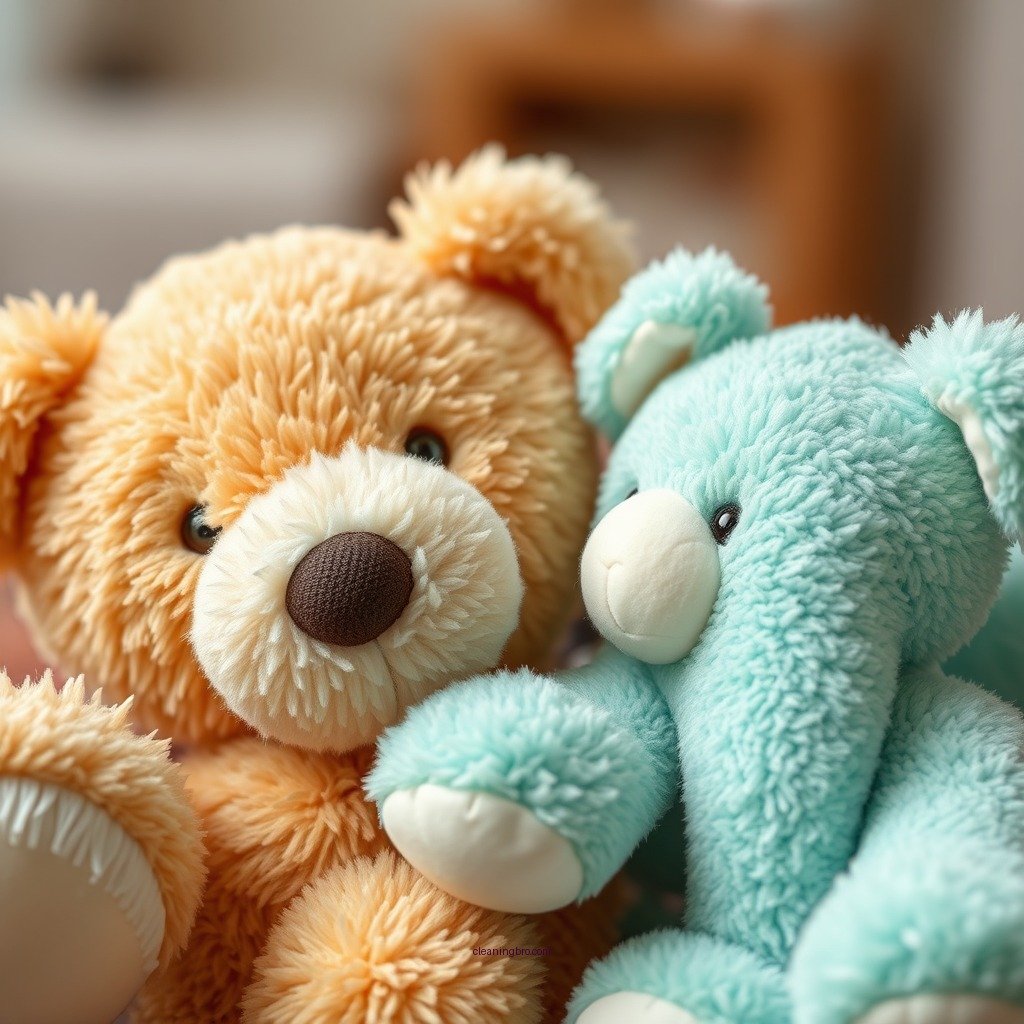
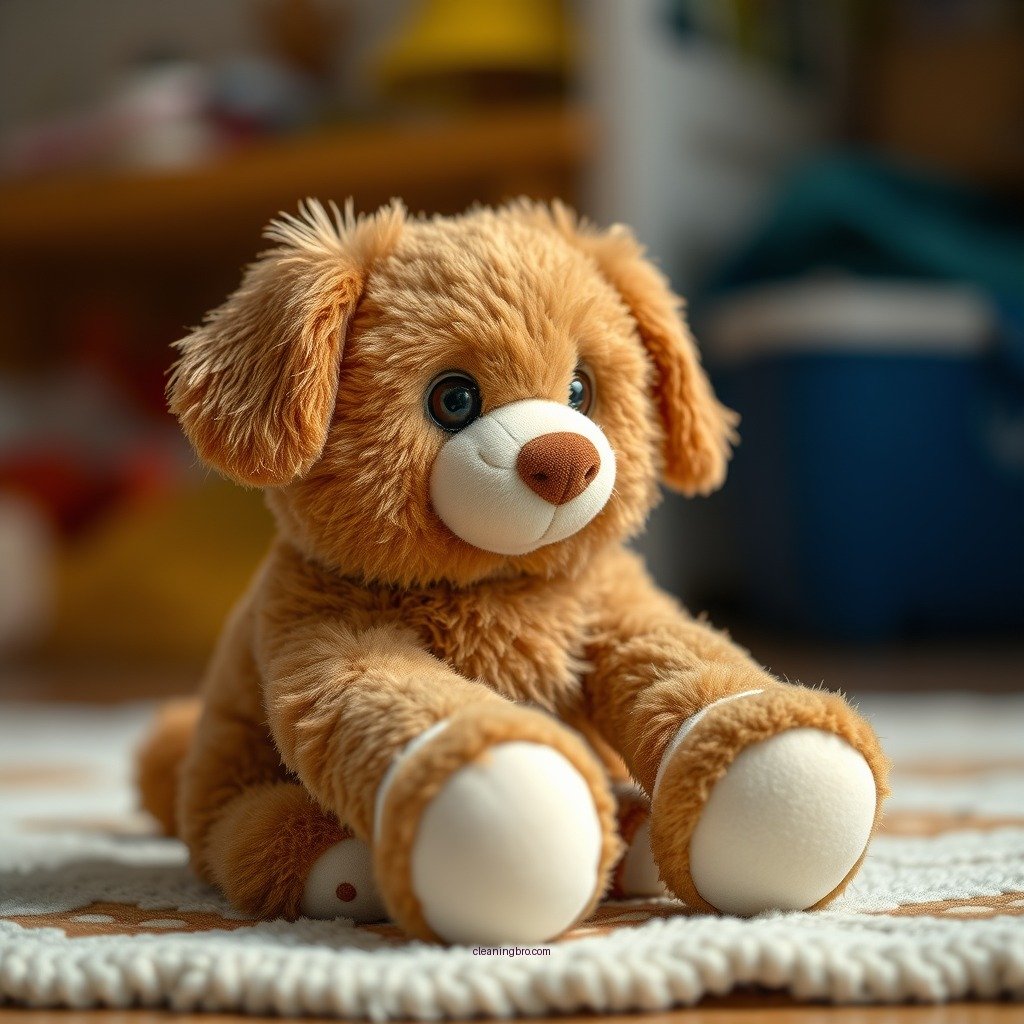
When embarking on the cleaning process for weighted stuffed animals, the first step is to understand the materials involved.
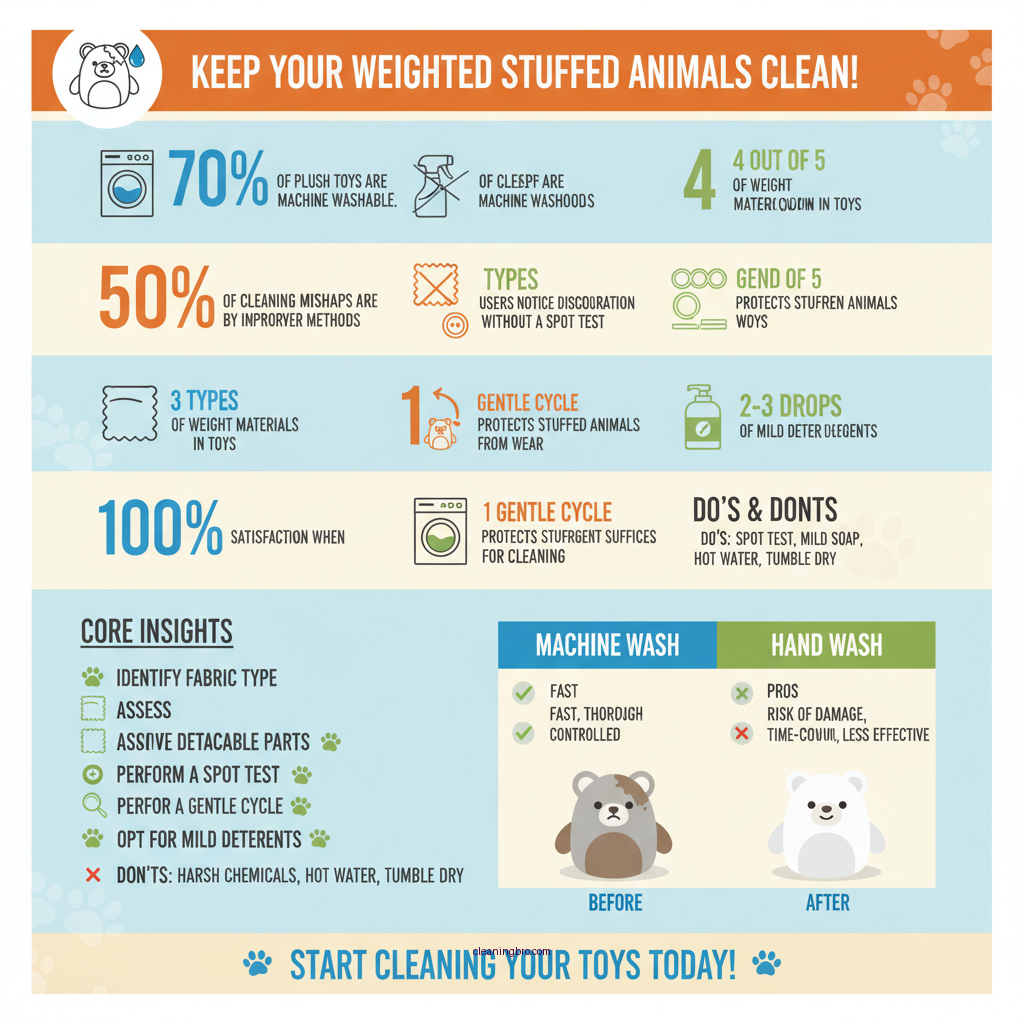
– Identify the fabric: Most weighted stuffed animals are made from soft fabrics like cotton, plush, or polyester. Always check the care label attached to the toy to determine the recommended cleaning method. Some may be machine washable, while others may require hand washing to prevent damage.
– Assess the weight: The weight in these toys usually comes from materials such as glass beads, plastic pellets, or sand. Knowing the type of weight component is crucial; for instance, glass beads can be damaged in a washing machine, while plastic pellets may be more durable. This understanding helps you select the right cleaning method effectively.
Pre-Cleaning Preparation
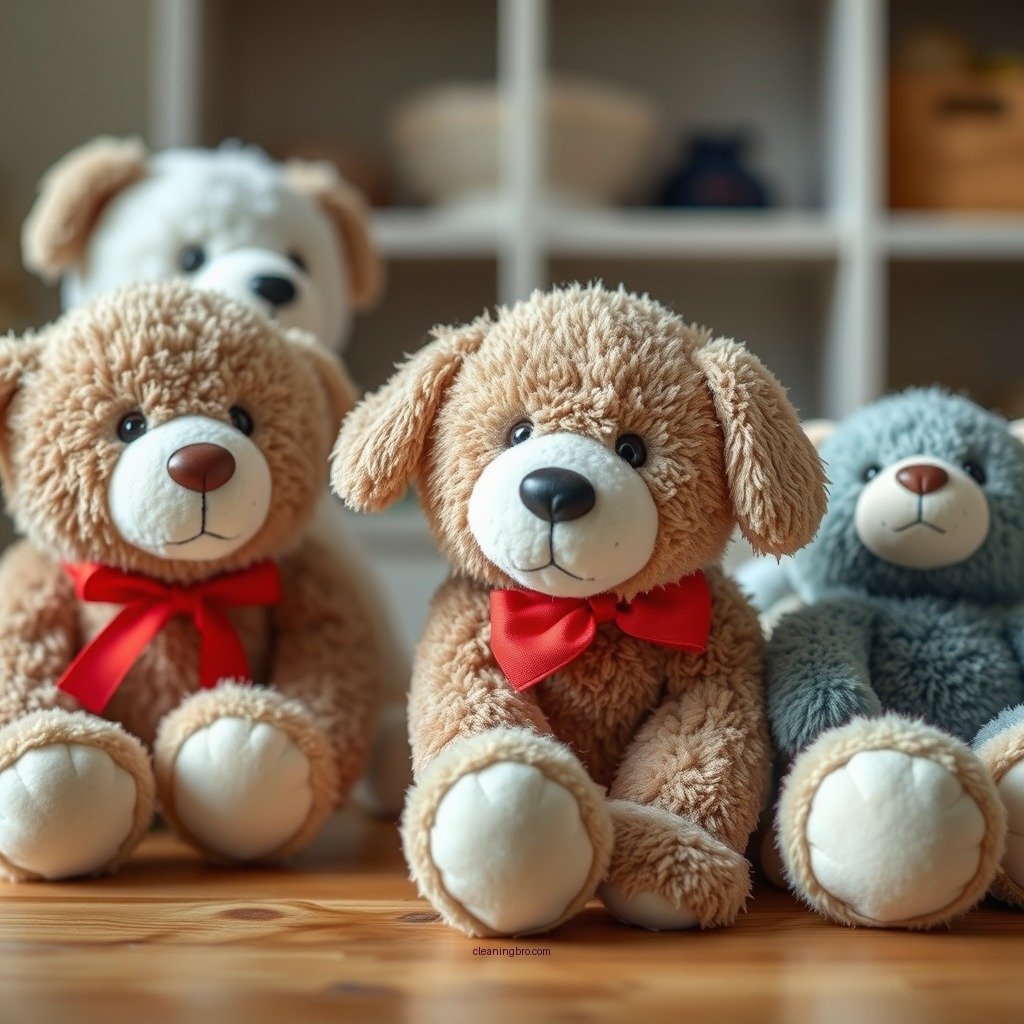
Before diving into the cleaning process, it’s important to take some preliminary steps to ensure the best results.
– Remove any detachable parts: If your weighted stuffed animal comes with accessories or removable weights, detach them before cleaning. This step will prevent potential damage to both the stuffed animal and the components during the cleaning process.
– Spot test: To avoid any unwanted surprises, perform a spot test on an inconspicuous area of the toy. Dampen a soft cloth with your chosen cleaner and apply it to a small patch of fabric to check for colorfastness. If the fabric bleeds or discolors, you may need to choose a gentler cleaning method.
Cleaning Machine-Washable Stuffed Animals
For weighted stuffed animals that are safe for machine washing, follow these guidelines:
– Use a gentle cycle: Place the stuffed animal in a pillowcase or laundry bag to protect it, and wash it on a delicate cycle with cold water. This method minimizes wear and tear while ensuring effective cleaning.
– Opt for mild detergent: A gentle, non-toxic detergent is essential to protect the fabric from harsh chemicals. Avoid bleach or fabric softeners, as they may degrade the material or affect the weight components.
Cleaning Hand-Washable Stuffed Animals
Hand washing is often the safest approach for delicate weighted stuffed animals. Here’s how to do it properly:
– Prepare a cleaning solution: Fill a basin or sink with lukewarm water and add a few drops of mild detergent. Mix the solution gently to create suds without generating too much agitation.
– Use a soft cloth or sponge: Dip a soft cloth or sponge into the soapy water and gently scrub the surface of the stuffed animal. Pay special attention to any stained areas, but avoid soaking it entirely, as excessive moisture can damage the weight components. Rinse thoroughly with clean water to remove any soap residue.
Drying Techniques
After cleaning, proper drying is crucial to maintain the integrity of your weighted stuffed animals.
– Air dry: Lay the stuffed animal flat on a clean, dry towel. This method helps absorb excess water and prevents deformation during the drying process. Reshape the toy gently to maintain its original form.
– Avoid direct heat: Keep the stuffed animal away from direct sunlight or heat sources such as radiators or hair dryers. Heat can damage the fabric and the weight components, leading to a potential loss of structure or even melting of certain materials.
Maintaining Your Weighted Stuffed Animals
To prolong the life of your weighted stuffed animals, consider implementing regular maintenance routines.
– Regular spot cleaning: Keep your stuffed animals looking fresh by performing regular spot cleaning. Use a damp cloth to wipe away dirt or stains promptly before they set in. This practice can help prevent the need for more intensive cleaning sessions.
– Store properly: When not in use, store your weighted stuffed animals in a dry, cool place. This storage will help avoid dust accumulation, moisture, and potential damage from pests. A breathable storage container can be an excellent option for keeping them safe.
When to Seek Professional Cleaning
While most cleaning can be done at home, some situations merit seeking professional assistance.
– Heavy soiling: If your weighted stuffed animal has significant stains or odors that home cleaning cannot resolve, a professional cleaning service may be your best option. These experts have specialized tools and solutions designed for deep cleaning stuffed toys.
– Special fabrics: For delicate materials or if the stuffed animal is vintage or collectible, consider professional cleaning services. They can ensure that your cherished items are treated with the utmost care to prevent irreversible damage.
Top 7 Weighted Stuffed Animals by Popularity (2023)
| # | Toy Name | Weight | Material | Price |
|---|---|---|---|---|
| 1 | Huggaroo Weighted Sloth | 5 lbs | Plush | $39.99 |
| 2 | Weighted Penguin | 3 lbs | Cotton | $29.99 |
| 3 | Mellow Weighted Bear | 4 lbs | Polyester | $34.99 |
| 4 | CuddleBug Weighted Unicorn | 5 lbs | Velvet | $44.99 |
| 5 | Dreamy Weighted Dinosaur | 4 lbs | Plush | $39.99 |
| 6 | SnuggleWeighted Lap Pad | 2 lbs | Cotton | $24.99 |
| 7 | Weighted Bunny | 3 lbs | Fleece | $32.99 |
Weighted Stuffed Animal Cleaning Frequency Recommendations
Weighted Stuffed Animals: Cleaning Methods Comparison
| Feature | ⭐ Machine Washable | Hand Washable | Spot Clean Only |
|---|---|---|---|
| Ease of Cleaning | ✅ | ✅ | ✅ |
| Time to Clean | 1 hour | 30 mins | 10 mins |
| Drying Time | 4 hours | 2 hours | 1 hour |
| Suitable for Children | ✅ | ✅ | ✅ |
| Risk of Damage | Moderate | Low | Very Low |
| Best for Quick Clean | ❌ | ❌ | ✅ |
| Machine Washable | ✅ | ❌ | ❌ |
| Best for Long-term Use | ❌ | ✅ | ✅ |
| User Experience | ⭐️ ⭐⭐⭐⭐⭐ | ⭐️ ⭐⭐⭐⭐ | ⭐️ ⭐⭐⭐ |
| 🏆 Best For | Busy Families | Gentle Care | Quick Fixes |
In summary, cleaning and maintaining weighted stuffed animals requires a thoughtful approach tailored to their unique materials and components. By understanding the materials involved, preparing adequately, selecting the right cleaning method, and maintaining your beloved toys, you can extend their life and keep them in great condition. Always remember to seek professional help when faced with heavy soiling or special fabrics. By following these guidelines, your treasured companions will remain fresh and enjoyable for years to come.
Frequently Asked Questions
How do I safely wash a weighted stuffed animal?
To safely wash a weighted stuffed animal, first check the care label for specific washing instructions. Most can be machine washed on a gentle cycle using cold water, but it’s recommended to place the stuffed animal in a pillowcase or laundry bag to protect it. After washing, air dry it completely to maintain its shape and prevent any damage to the weighted filling.
What is the best way to remove odors from a weighted stuffed animal?
The best way to remove odors from a weighted stuffed animal is to sprinkle baking soda over the entire surface and let it sit for a few hours to absorb the smell. Afterward, gently shake off the baking soda and spot clean any areas with a damp cloth. If the smell persists, consider using a fabric-safe spray or deodorizing solution, ensuring it’s safe for the materials used in the stuffed animal.
Why can’t I put my weighted stuffed animal in the dryer?
You shouldn’t put a weighted stuffed animal in the dryer because the heat can damage both the fabric and the internal weighted materials, such as glass beads or pellets. Instead, air drying is recommended to preserve the quality and shape of the stuffed animal. Additionally, high heat can cause shrinkage or deformation of the plush fabric.
Which cleaning products are safe for weighted stuffed animals?
Safe cleaning products for weighted stuffed animals include mild detergents or baby-safe laundry detergents, as they are less likely to cause irritation or damage. Avoid bleach and fabric softeners, as they can degrade the material and affect the stuffing. For spot cleaning, a mixture of water and white vinegar can be effective for removing stains without harsh chemicals.
How often should I clean my weighted stuffed animal?
You should clean your weighted stuffed animal every few months or as needed, especially if it’s frequently used or shows signs of dirt and odors. Regular cleaning helps maintain hygiene and prolongs the life of the toy. However, if your child is sick or the stuffed animal has been exposed to spills, it’s best to wash it immediately to ensure a clean and safe environment.
References
- https://www.cdc.gov/healthywater/hygiene/cleaning/cleaning_and_disinfecting.html
https://www.cdc.gov/healthywater/hygiene/cleaning/cleaning_and_disinfecting.html - https://www.mayoclinic.org/healthy-lifestyle/consumer-health/cleaning-tips-for-your-home/art-20205910
https://www.mayoclinic.org/healthy-lifestyle/consumer-health/cleaning-tips-for-your-home/art-20205910 - https://www.sciencedirect.com/science/article/pii/S2352186419301037
https://www.sciencedirect.com/science/article/pii/S2352186419301037 - 6 Ways to Clean a Stuffed Animal – wikiHow
https://www.wikihow.com/Clean-a-Stuffed-Animal - https://www.bbc.com/future/article/20210126-how-to-clean-your-home-after-covid-19
https://www.bbc.com/future/article/20210126-how-to-clean-your-home-after-covid-19 - Google Scholar Google Scholar
https://scholar.google.com/scholar?q=cleaning+stuffed+animals - Google Scholar Google Scholar
https://scholar.google.com/scholar?q=how+to+clean+weighted+stuffed+animals - Google Scholar Google Scholar
https://scholar.google.com/scholar?q=cleaning+methods+for+stuffed+toys - https://www.nhlbi.nih.gov/health-topics/cleaning-and-disinfecting-your-home
https://www.nhlbi.nih.gov/health-topics/cleaning-and-disinfecting-your-home - https://www.nature.com/articles/s41598-020-78605-0
https://www.nature.com/articles/s41598-020-78605-0