How to Clean Weights: A Step-by-Step Guide
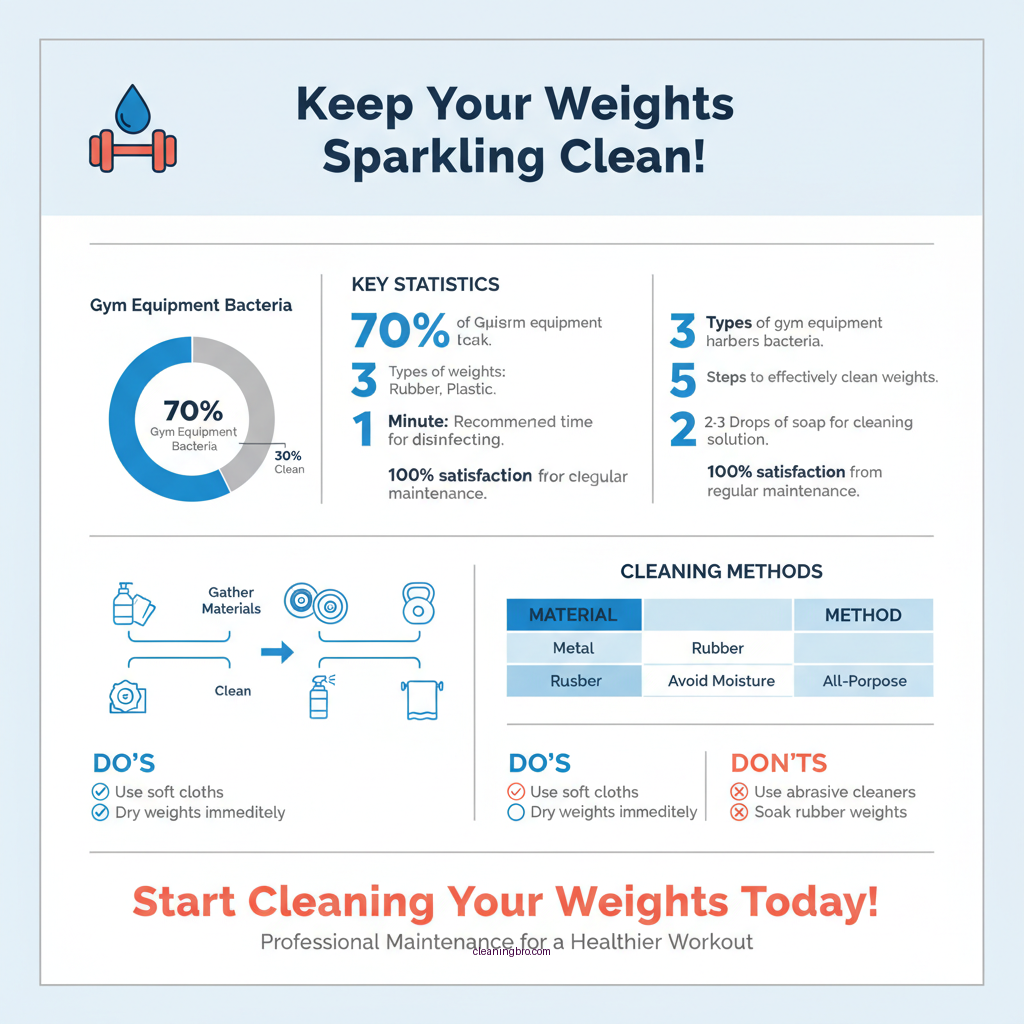
Cleaning weights is essential for maintaining hygiene and prolonging the life of your equipment. Regular cleaning not only helps to prevent the spread of germs, but it also ensures that your weights remain in optimal condition for use. In this guide, we will explore the necessary supplies, the proper techniques for cleaning various types of weights, and effective sanitization methods to keep your fitness equipment in top shape.
Gather Your Cleaning Supplies
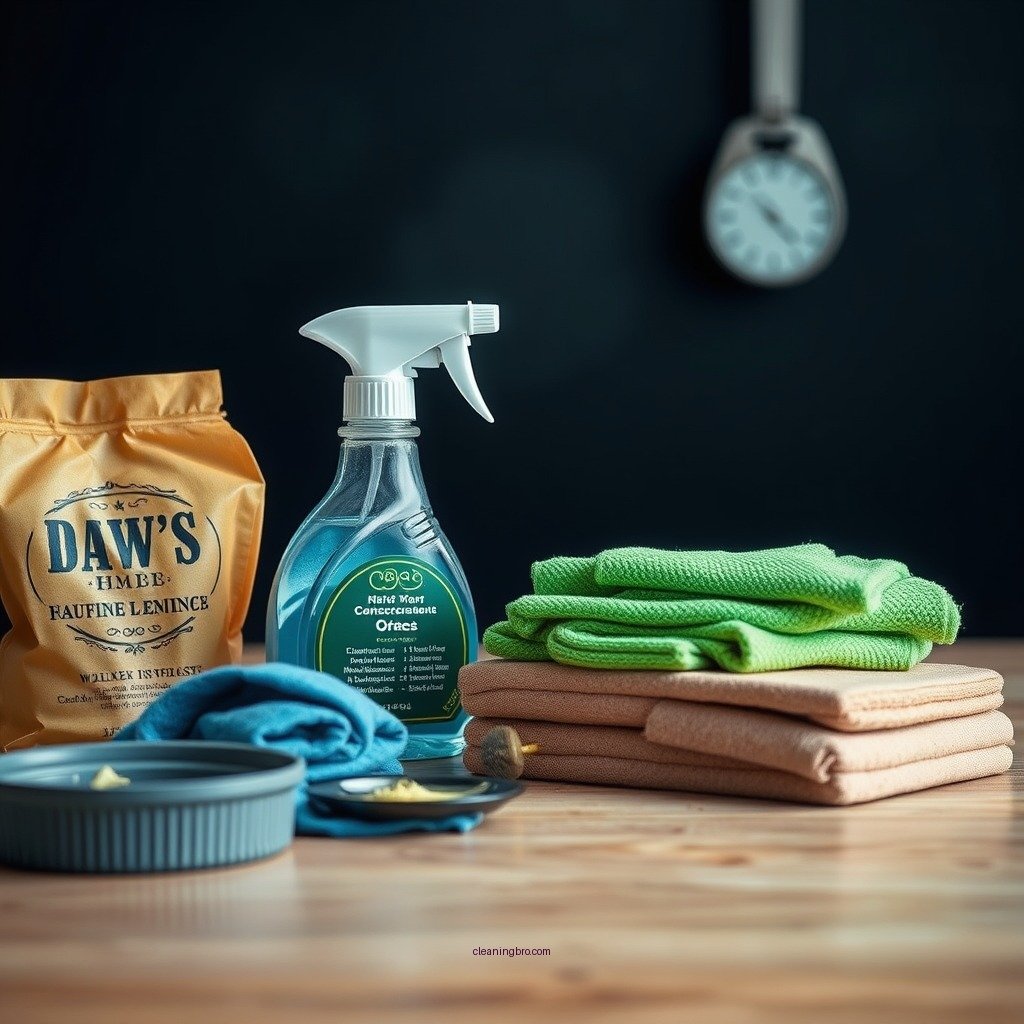
To begin the cleaning process, it’s important to assemble the right tools. The following supplies are recommended:
– Mild Soap or Specialized Gym Equipment Cleaner: A gentle soap or a cleaner specifically designed for gym equipment will effectively remove dirt and grime without damaging surfaces. Avoid harsh chemicals that could corrode or deteriorate the materials of your weights.
– Soft Cloths or Sponges: These should be non-abrasive to prevent scratching or damaging the surface of your weights. Microfiber cloths are particularly effective as they trap dirt and dust while being gentle on surfaces.
– Disinfectant Wipes or Spray: For quick sanitization, having disinfectant wipes or a spray solution on hand can be very beneficial. Look for products that are effective against a broad spectrum of bacteria and viruses.
Having these supplies ready will streamline the cleaning process and ensure you are thoroughly prepared.
Understand the Material of Your Weights
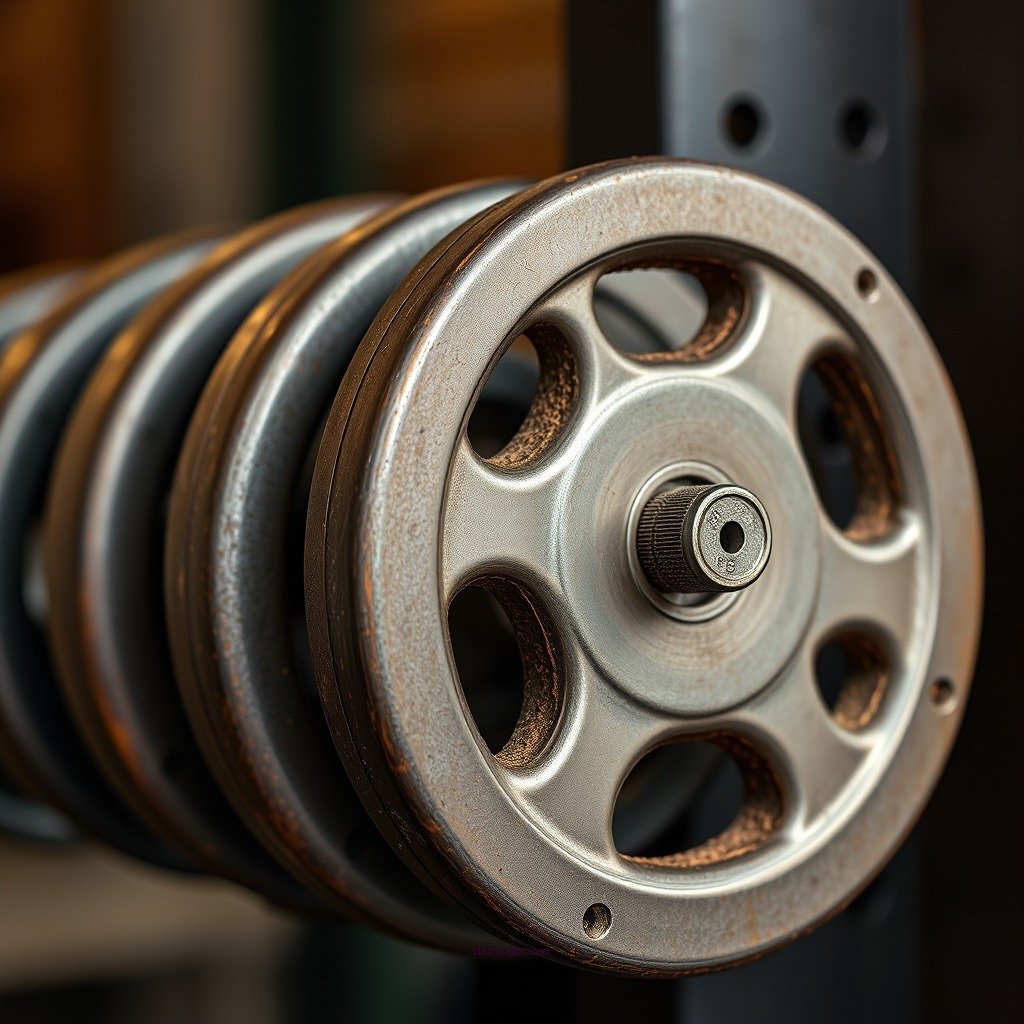
Different types of weights—metal, rubber, or plastic—require different cleaning methods. Understanding the material will help you choose the right cleaning technique:
– Metal Weights: Typically robust, but they can rust if not maintained properly. Ensure that you use non-corrosive cleaners to avoid damaging the finish.
– Rubber Weights: While durable, rubber can degrade if exposed to too much moisture or harsh chemicals. It’s crucial to check the manufacturer’s guidelines for cleaning recommendations.
– Plastic Weights: Generally easy to clean but can be susceptible to scratches. Avoid abrasive tools and use gentle cleaning solutions.
Familiarizing yourself with the specific requirements of your weights will help you maintain them effectively.
Cleaning Metal Weights
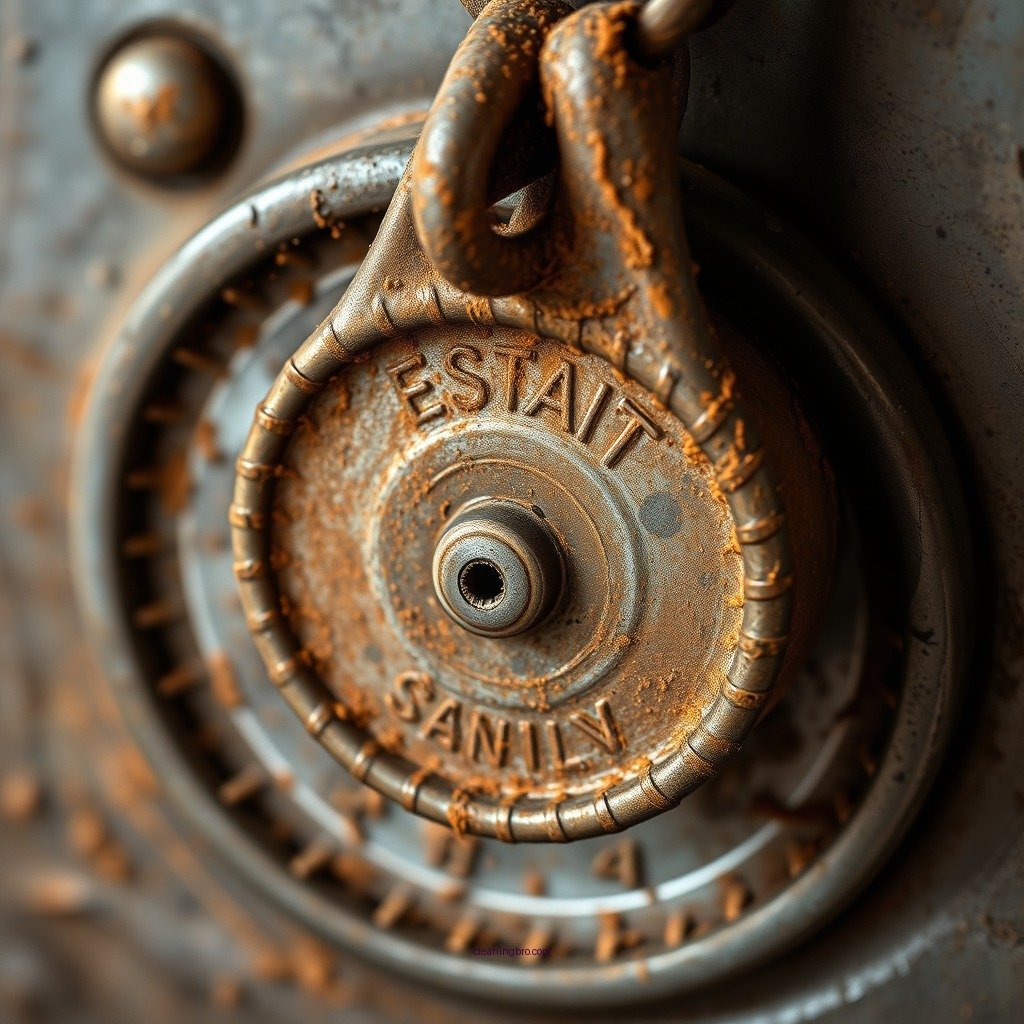
To clean metal weights, follow these steps:
1. Create a Cleaning Solution: Mix warm water with a few drops of mild soap.
2. Wipe Down the Weights: Using a soft cloth or sponge, wipe the weights down thoroughly, making sure to remove all grime and sweat. Focus on areas that show signs of wear.
3. Dry Immediately: After cleaning, dry the weights immediately with a soft cloth to prevent rust formation. Ensure that no moisture remains in any crevices.
4. Address Stubborn Stains: For persistent stains, gently use a fine steel wool pad. Be careful to apply minimal pressure to avoid scratching the metal surface.
By following these steps, you can maintain the aesthetic and functional quality of your metal weights.
Cleaning Rubber Weights
Cleaning rubber weights requires a slightly different approach:
1. Dampen a Cloth: Use a damp cloth with mild soap to gently wipe the surface of the rubber weights. Avoid soaking them completely, as excessive moisture can lead to deterioration.
2. Inspect for Damage: Regularly check rubber weights for cracks, tears, or any signs of wear. If you identify damage, consider replacing the affected weights.
3. Dry Thoroughly: Use a dry cloth to wipe down the weights after cleaning to remove any excess moisture.
This method ensures that your rubber weights remain in good condition for an extended period.
Sanitizing Your Weights
Once cleaning is complete, the next step is sanitization:
1. Apply Disinfectant: Use disinfectant wipes or spray on the weights, focusing particularly on high-contact areas such as handles and grips.
2. Follow Instructions: Allow the disinfectant to sit for the recommended time specified on the product label. This ensures that germs and bacteria are effectively eliminated.
3. Wipe Off Excess: After the appropriate time has elapsed, wipe off any excess disinfectant with a clean cloth. This helps to prevent any sticky residue.
Sanitizing your weights is essential for creating a safe workout environment, especially in shared spaces like gyms.
Storing Weights Properly
Proper storage is just as important as cleaning:
1. Choose the Right Location: Store weights in a cool, dry place to prevent moisture accumulation, which can lead to rust or mold.
2. Use Weight Racks: Invest in weight racks or storage solutions to keep your weights organized and off the floor. This not only saves space but also makes it easier to access the weights during workouts.
3. Regularly Review Condition: Regularly check your weights for cleanliness and signs of wear. Address any issues immediately to prevent further damage.
Proper storage techniques will help ensure that your weights remain in excellent condition over time.Maintenance Tips for Longevity
To prolong the lifespan of your weights, consider the following maintenance tips:
1. Establish a Regular Cleaning Schedule: Depending on how frequently you use your weights, set a cleaning schedule (e.g., weekly or bi-weekly) to ensure they are always maintained.
2. Avoid Abrasive Materials: Steer clear of using steel wool or harsh scrubbers on any weights, as these can scratch and damage the surface.
3. Consider Protective Coatings: For metal weights, applying a protective coating can help prevent rust and prolong their usability.
By adhering to these maintenance strategies, you can enhance the durability of your weights and enjoy a safe fitness environment.
Types of Weights and Their Cleaning Methods
| # | Weight Type | Cleaning Method | Drying Method | Special Care |
|---|---|---|---|---|
| 1 | Metal | Mild soap solution | Immediate drying | Rust prevention coating |
| 2 | Rubber | Damp cloth with soap | Air dry | Inspect for cracks |
| 3 | Plastic | Mild soap and water | Wipe down | Avoid sharp objects |
| 4 | Adjustable Weights | Follow manufacturer’s instructions | Immediate drying | Regular maintenance |
| 5 | Kettlebells | Mild soap solution | Immediate drying | Inspect for wear |
| 6 | Medicine Balls | Damp cloth with soap | Air dry | Check for damage |
| 7 | Sandbags | Rinse with water | Air dry | Ensure no leaks |
Comparison of Weight Cleaning Methods Effectiveness
Cleaning Supplies for Weights Comparison
| Feature | ⭐ Specialized Cleaner | Mild Soap | Disinfectant Wipes |
|---|---|---|---|
| Effectiveness | ✅ Best | ✅ Good | ✅ Quick |
| Ease of Use | ✅ Easy | ✅ Simple | ✅ Very Easy |
| Cost | $10-$20 | $5 | $7-$15 |
| Surface Safety | ✅ Non-abrasive | ✅ Safe | ✅ Safe |
| Fragrance | ✅ Fresh | ❌ No Fragrance | ✅ Pleasant |
| Availability | ✅ Easy to find | ✅ Common | ✅ Widely available |
| Eco-friendliness | ❌ Not Eco-friendly | ✅ Eco-friendly | ❌ Not Eco-friendly |
| Long-lasting | ✅ Lasts long | ✅ Moderate | ✅ Shorter lifespan |
| 🏆 Best For | Comprehensive cleaning | Budget-friendly | Quick use |
Maintaining clean weights not only ensures a hygienic workout environment but also helps your equipment last longer. By following these steps, you can effectively clean your weights and keep them in top condition. Make a habit of regular cleaning and maintenance to enjoy a safe and healthy fitness journey.
Frequently Asked Questions
What are the best cleaning solutions for disinfecting weights?
The best cleaning solutions for disinfecting weights include a mixture of warm water and mild dish soap, or a solution of 70% isopropyl alcohol. These options effectively kill germs without damaging the weights. Avoid using harsh chemicals like bleach, as they can corrode metal and damage rubber coatings.
How do I clean rubber-coated weights without damaging them?
To clean rubber-coated weights, use a soft cloth or sponge soaked in a solution of warm water and mild soap. Gently wipe the surface to remove dirt and grime, then rinse with a damp cloth and dry thoroughly. This method ensures you maintain the integrity of the rubber while keeping your weights fresh and hygienic.
Why is it important to clean weights regularly?
Regularly cleaning weights is important to prevent the buildup of sweat, dirt, and bacteria that can lead to unpleasant odors and potential health risks. Additionally, maintaining clean weights can prolong their lifespan and ensure they are safe and pleasant to use. A routine cleaning schedule can enhance your workout environment significantly.
Which tools are most effective for cleaning gym weights?
The most effective tools for cleaning gym weights include microfiber cloths, soft brushes, and non-abrasive sponges. Microfiber cloths trap dust and dirt effectively, while soft brushes can reach crevices without scratching the surface. Using these tools in conjunction with a gentle cleaning solution will give your weights a thorough clean.
How often should I clean my weights at home?
You should clean your weights at home at least once a week, or more frequently if you use them daily or notice visible grime. Regular cleaning after each workout session is ideal for minimizing bacterial growth and maintaining a hygienic workout space. Adjust the frequency based on usage and personal preference to keep your weights in top condition.
References
- https://www.ncbi.nlm.nih.gov/pmc/articles/PMC6020803/
https://www.ncbi.nlm.nih.gov/pmc/articles/PMC6020803/ - https://www.mayoclinic.org/diseases-conditions/fitness/in-depth/fitness/art-20044387
https://www.mayoclinic.org/diseases-conditions/fitness/in-depth/fitness/art-20044387 - https://www.ncbi.nlm.nih.gov/pmc/articles/PMC6020802/
https://www.ncbi.nlm.nih.gov/pmc/articles/PMC6020802/ - https://www.cdc.gov/healthyweight/physical_activity/index.html
https://www.cdc.gov/healthyweight/physical_activity/index.html - Physical activity
https://www.who.int/news-room/fact-sheets/detail/physical-activity - Weight training | Strength, Endurance & Flexibility | Britannica
https://www.britannica.com/science/weight-training - https://www.nytimes.com/2020/01/10/well/move/weight-training-benefits.html
https://www.nytimes.com/2020/01/10/well/move/weight-training-benefits.html - Google Scholar Google Scholar
https://scholar.google.com/scholar?q=how+to+clean+weights - Google Scholar Google Scholar
https://scholar.google.com/scholar?q=cleaning+fitness+equipment - Google Scholar Google Scholar
https://scholar.google.com/scholar?q=maintenance+of+weight+lifting+equipment