How to Keep Your Mouthguard Clean: Essential Tips
To keep your mouthguard clean, regularly rinse it with water, use a gentle soap, and store it properly to prevent bacteria buildup. Maintaining a clean mouthguard is crucial for your oral health and performance, especially for athletes or anyone using it for teeth protection. In this article, you’ll learn effective methods for cleaning your mouthguard, the importance of regular maintenance, and tips to ensure its longevity.
Understanding the Importance of a Clean Mouthguard
A clean mouthguard is essential for maintaining oral hygiene, as it directly impacts your health. Over time, bacteria and germs can accumulate on the surface, leading to potential oral health issues such as gum disease, tooth decay, or infections. Regular cleaning prevents these harmful microorganisms from thriving and ensures that your mouthguard remains safe for use.
Moreover, a clean mouthguard contributes to better performance, especially during sports. An unclean mouthguard can harbor unpleasant odors and tastes, which can be distracting and uncomfortable during critical moments in a game. By prioritizing cleanliness, you’re not only safeguarding your health but also enhancing your focus and effectiveness.
Daily Cleaning Routine
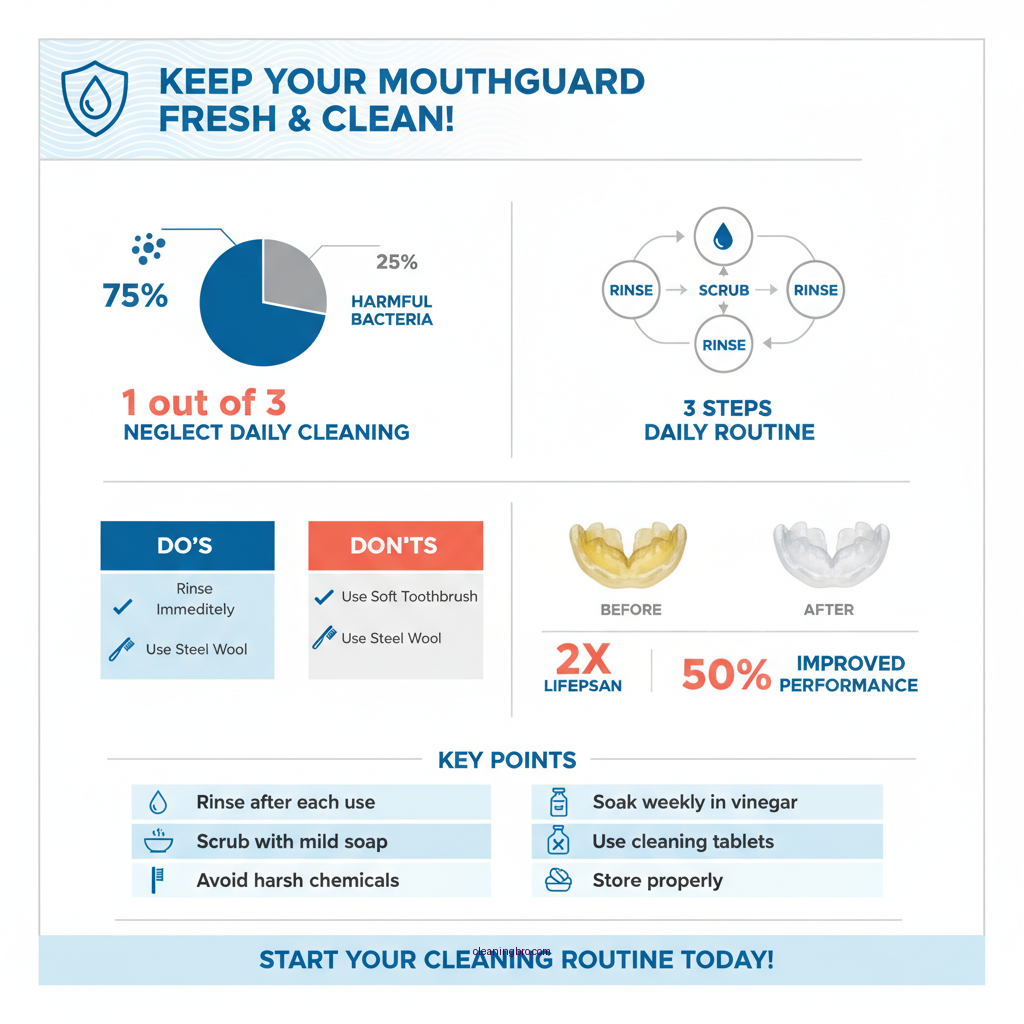
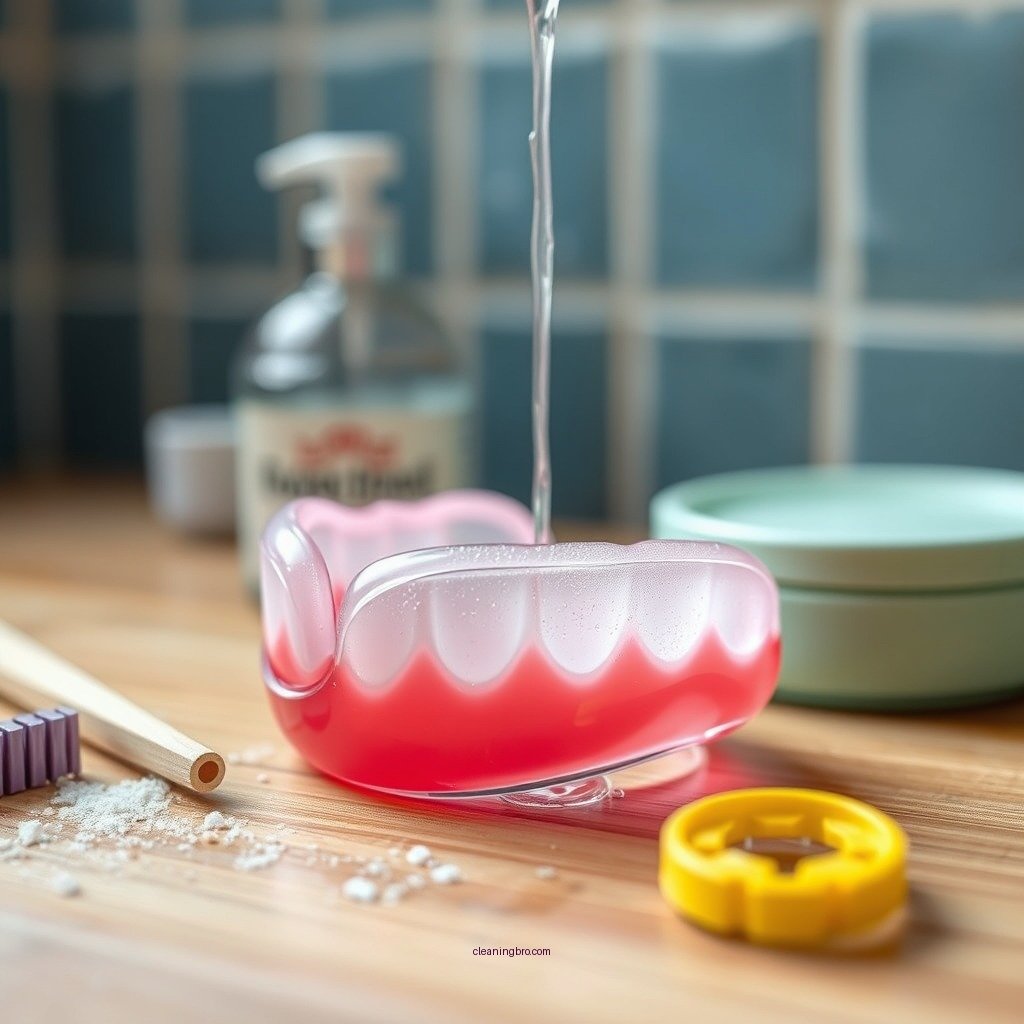
Implementing a daily cleaning routine for your mouthguard is relatively simple yet highly effective. Start by rinsing your mouthguard with lukewarm water immediately after each use. This helps to remove any saliva or food particles that may cling to the guard.
Next, take a soft toothbrush and apply a small amount of mild soap. Gently scrub the surface of the mouthguard, ensuring that all areas, including the grooves and edges, are cleaned. Avoid using abrasive materials or harsh chemicals, as these can damage the mouthguard’s material. After scrubbing, rinse thoroughly under running water to ensure no soap residue remains. This simple routine can significantly prolong the life of your mouthguard while keeping it hygienic.
Deep Cleaning Methods
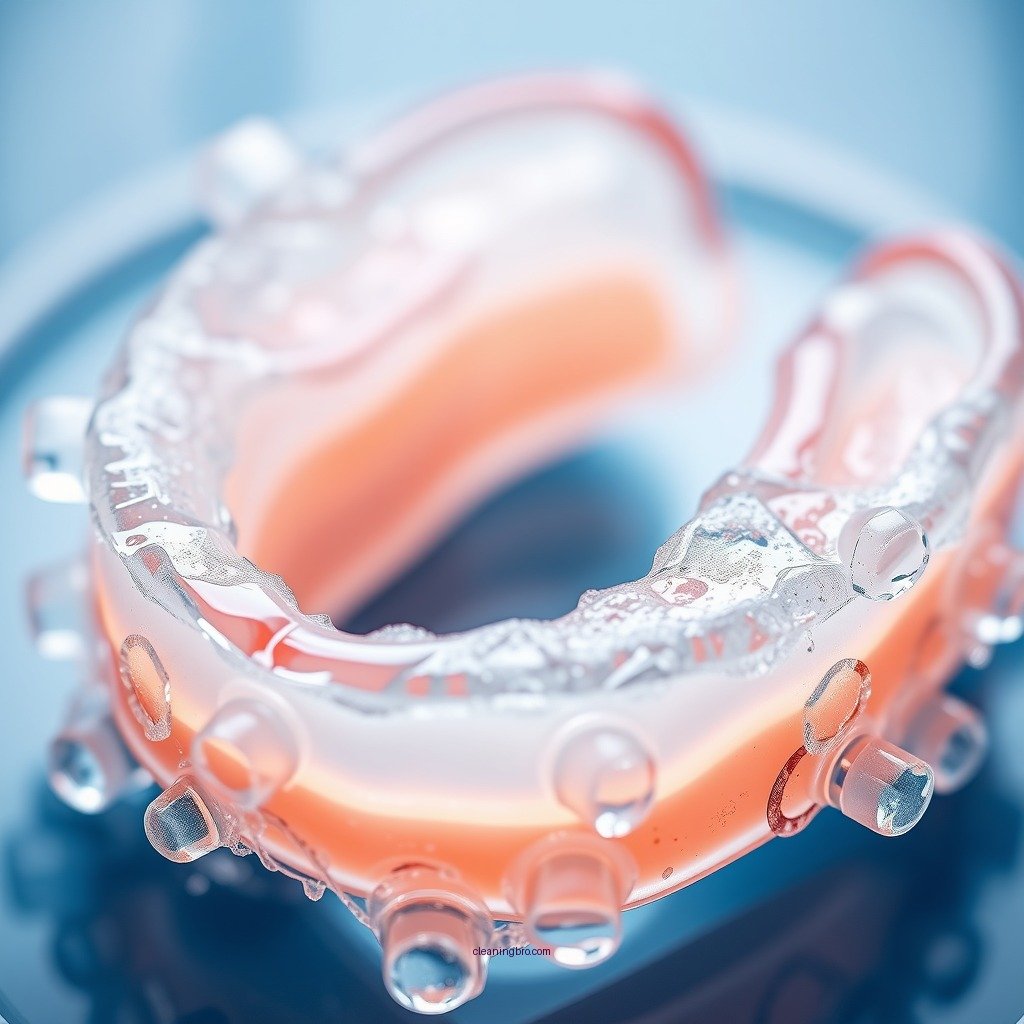
In addition to your daily cleaning routine, consider incorporating deep cleaning methods on a weekly or biweekly basis. One effective technique is to soak your mouthguard in a solution of equal parts water and white vinegar for about 30 minutes. Vinegar is a natural disinfectant that can kill bacteria and eliminate odors.
Alternatively, specialized mouthguard cleaning tablets are available on the market. These tablets dissolve in water and create a solution that effectively sanitizes your mouthguard. Follow the manufacturer’s instructions for the best results. Using these deep cleaning methods will help maintain the integrity and cleanliness of your mouthguard, ensuring that it remains safe for prolonged usage.
Proper Storage Techniques
Proper storage of your mouthguard is just as important as cleaning it. After cleaning, allow the mouthguard to dry completely before placing it in a case. This prevents any moisture buildup, which can encourage bacteria growth. Look for a ventilated case that allows airflow, ensuring that your mouthguard remains dry and clean.
Additionally, avoid storing your mouthguard in direct sunlight or extreme temperatures, as this can deform the material, compromising its fit and protective capabilities. Maintaining a suitable storage environment will greatly extend the life of your mouthguard, keeping it effective and hygienic.
Signs Your Mouthguard Needs Replacement
Despite diligent care, mouthguards do have a lifespan. Regularly inspect your mouthguard for signs of wear and tear. Look for cracks, tears, or significant wear that may compromise its effectiveness. If you notice any of these issues, it’s time to replace your mouthguard.
Comfort is another indicator. If your mouthguard no longer fits snugly or feels loose, it may not provide the protection you need. A proper fit is crucial for both comfort and effectiveness, so replace your mouthguard as necessary to ensure optimal protection for your teeth.
Additional Maintenance Tips
To further enhance the lifespan of your mouthguard, avoid chewing on it, as this can lead to irreversible damage. Chewing can create stress points that may cause cracks or permanent deformities, reducing its protective capabilities.
Additionally, regularly check for odors, as this can indicate the presence of bacteria. If you notice a foul smell, increase your cleaning frequency and consider using vinegar or cleaning tablets more often. Maintaining a rigorous cleaning schedule and being aware of your mouthguard’s condition will help you protect your teeth and gums effectively.
Regularly maintaining your mouthguard through simple cleaning routines and proper storage not only enhances its lifespan but also protects your oral health. By following the tips outlined above, you can ensure your mouthguard remains in top condition. Don’t wait—start implementing these cleaning strategies today for better performance and hygiene!
Top 7 Mouthguard Brands for Cleaning and Maintenance (2024)
| # | Brand | Cleaning Method | Effectiveness | Price |
|---|---|---|---|---|
| 1 | Shock Doctor | Vinegar soaking | Highly effective | $29.99 |
| 2 | Opro | Cleaning tablets | Very effective | $24.99 |
| 3 | Under Armour | Soap & water | Effective | $19.99 |
| 4 | Mouthguard Pro | Vinegar & baking soda | Highly effective | $32.99 |
| 5 | SISU | Soap & water | Effective | $29.99 |
| 6 | Venum | Cleaning tablets | Very effective | $26.99 |
| 7 | Battle | Vinegar soaking | Highly effective | $22.99 |
Mouthguard Cleaning Effectiveness Comparison
Comparison of Cleaning Methods for Mouthguards
| Feature | ⭐ Vinegar Soaking | Cleaning Tablets | Soap & Water |
|---|---|---|---|
| Effectiveness | Highly effective | Very effective | Effective |
| Cost | Low | Moderate | Low |
| Ease of Use | Easy | Easy | Very easy |
| Time Required | 30 minutes | 5 minutes | 5 minutes |
| Frequency | Weekly | Weekly | Daily |
| Odor Removal | Excellent | Good | Fair |
| Bacteria Removal | Excellent | Good | Fair |
| Material Compatibility | All types | Most types | All types |
| Overall Satisfaction | Very high | High | Moderate |
| 🏆 Best For | Serious athletes | Casual users | Everyday users |
In conclusion, keeping your mouthguard clean is a straightforward yet critical aspect of maintaining your oral health and ensuring your performance remains at its peak. By adhering to a regular cleaning schedule, utilizing effective cleaning methods, and understanding when to replace your mouthguard, you can significantly enhance its longevity and effectiveness. Implement these essential tips and safeguard your dental health today!
Frequently Asked Questions
What are the best methods to clean a mouthguard?
The best methods to clean a mouthguard include rinsing it with cool water after each use and using a soft toothbrush with mild soap to scrub the surface. Additionally, soaking the mouthguard in a solution of equal parts water and vinegar for about 30 minutes can help eliminate bacteria and odors. Avoid harsh chemicals, as they can damage the material.
How often should I clean my mouthguard?
You should clean your mouthguard after every use to maintain oral hygiene and prevent bacteria buildup. It’s also advisable to do a deep cleaning once a week using a vinegar solution or mouthguard-specific cleaning tablets to ensure it stays fresh and safe for use.
Why is it important to keep my mouthguard clean?
Keeping your mouthguard clean is crucial to preventing oral infections, bad breath, and the buildup of harmful bacteria. A dirty mouthguard can also harbor plaque and debris that can affect your dental health. Regular cleaning ensures that your mouthguard remains effective in protecting your teeth and gums.
Which products are safe to use for cleaning a mouthguard?
Safe products for cleaning a mouthguard include mild dish soap, white vinegar, and baking soda. Additionally, there are specialized mouthguard cleaning tablets available that effectively disinfect without damaging the material. Always avoid bleach or alcohol-based cleaners, as they can degrade the mouthguard.
How should I store my mouthguard when not in use?
When not in use, store your mouthguard in a clean, dry case that allows for ventilation to prevent moisture buildup and bacterial growth. Avoid leaving it in direct sunlight or in hot places, as this can warp the material. Regularly clean the storage case to ensure it remains hygienic.
References
- https://www.mayoclinic.org/healthy-lifestyle/adult-health/in-depth/mouthguards/art-20045343
https://www.mayoclinic.org/healthy-lifestyle/adult-health/in-depth/mouthguards/art-20045343 - https://www.ncbi.nlm.nih.gov/pmc/articles/PMC6512624/
https://www.ncbi.nlm.nih.gov/pmc/articles/PMC6512624/ - https://www.cdc.gov/oralhealth/publications/mouthguards.html
https://www.cdc.gov/oralhealth/publications/mouthguards.html - https://www.who.int/news-room/questions-and-answers/item/oral-health-mouthguards
https://www.who.int/news-room/questions-and-answers/item/oral-health-mouthguards - https://www.healthline.com/health/mouthguard-care
https://www.healthline.com/health/mouthguard-care - https://www.britannica.com/science/mouthguard
https://www.britannica.com/science/mouthguard - Google Scholar Google Scholar
https://scholar.google.com/scholar?q=cleaning+mouthguard - Google Scholar Google Scholar
https://scholar.google.com/scholar?q=oral+health+mouthguard+care - Google Scholar Google Scholar
https://scholar.google.com/scholar?q=mouthguard+maintenance+and+cleaning - Google Scholar Google Scholar
https://scholar.google.com/scholar?q=how+to+keep+mouthguard+clean