How to Keep Rain Barrel Water Clean: Essential Tips
To keep rain barrel water clean, it’s crucial to implement proper filtration, regular maintenance, and protective measures against contaminants. By following these steps, you can ensure your collected rainwater remains pure and safe for use in your garden or other projects. This article will outline the best practices for maintaining clean rain barrel water.
Importance of Clean Rain Barrel Water
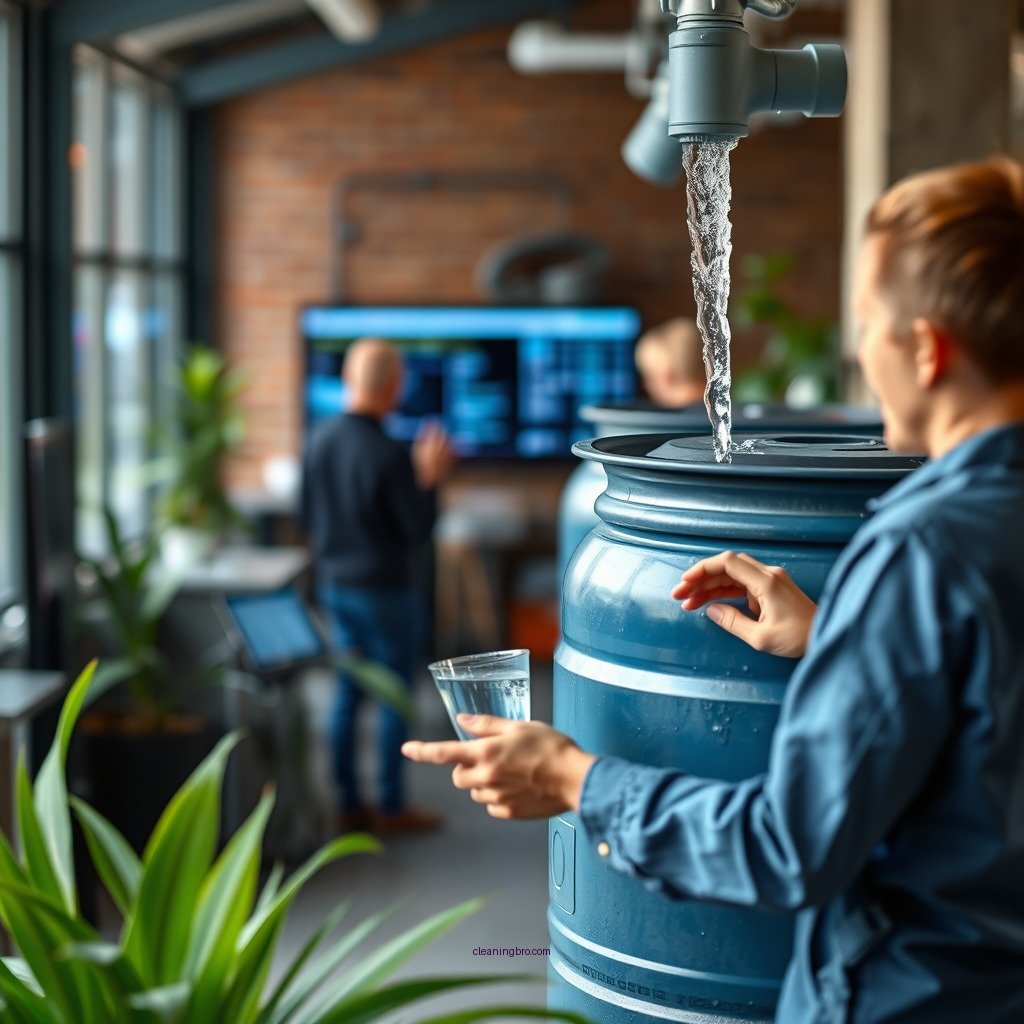
Clean water is essential for gardening and irrigation, preventing plant diseases and promoting healthy growth. When using contaminated water, plants can suffer from various ailments, which can lead to reduced yields and even plant death. Additionally, the use of dirty water can attract pests, such as mosquitoes, and create health risks for humans and pets. By ensuring that rain barrel water is clean, you not only protect your plants but also contribute to a healthier environment.
Effective Filtration Systems
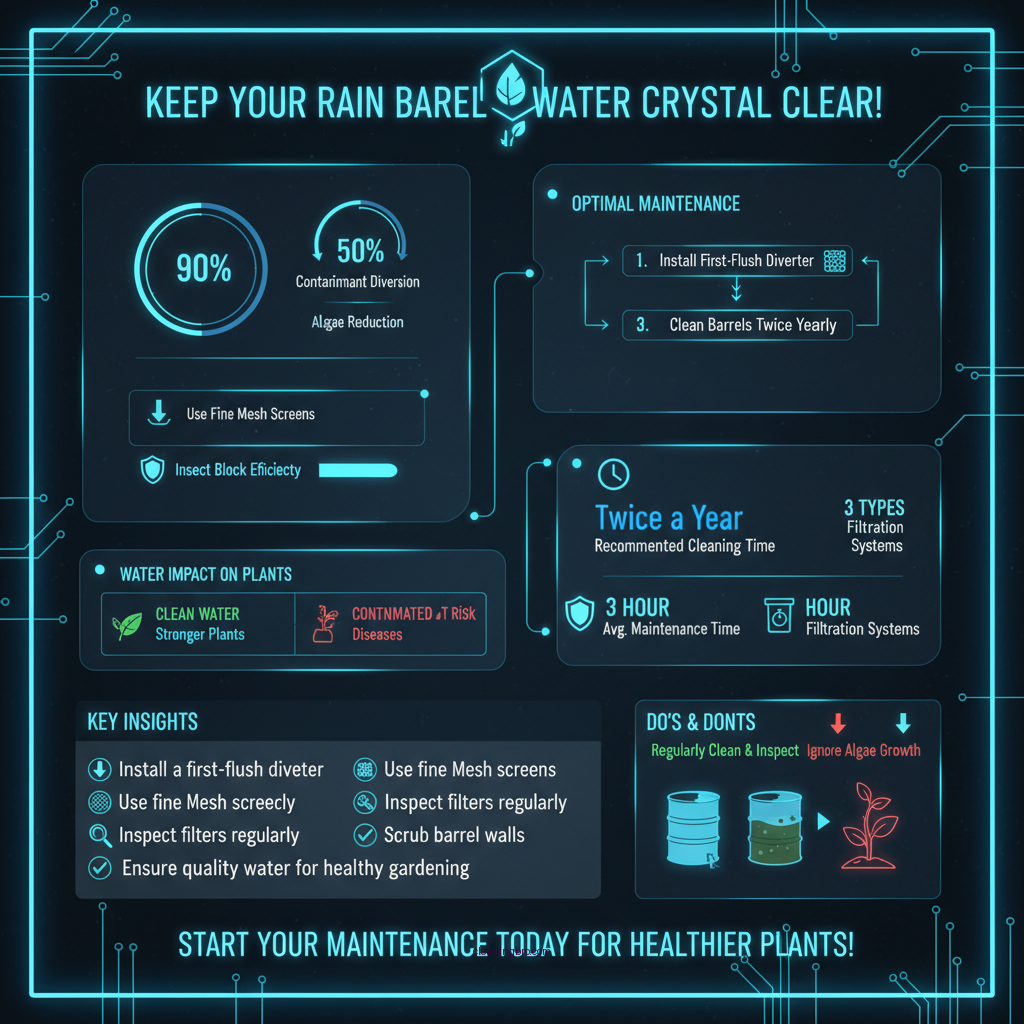

One of the most effective ways to keep rain barrel water clean is to install a first-flush diverter. This device prevents the initial flow of rainwater, which often contains debris and contaminants, from entering the barrel. By diverting this first flush, you can significantly reduce the amount of dirt, leaves, and other pollutants that may compromise your water quality.
Moreover, using fine mesh screens or filters at the inlet of your rain barrel can further enhance the filtration process. These screens catch leaves, insects, and other debris before they enter the barrel, ensuring that the collected rainwater remains clean. Regularly checking and cleaning these filters will help maintain their effectiveness.
Regular Maintenance Practices
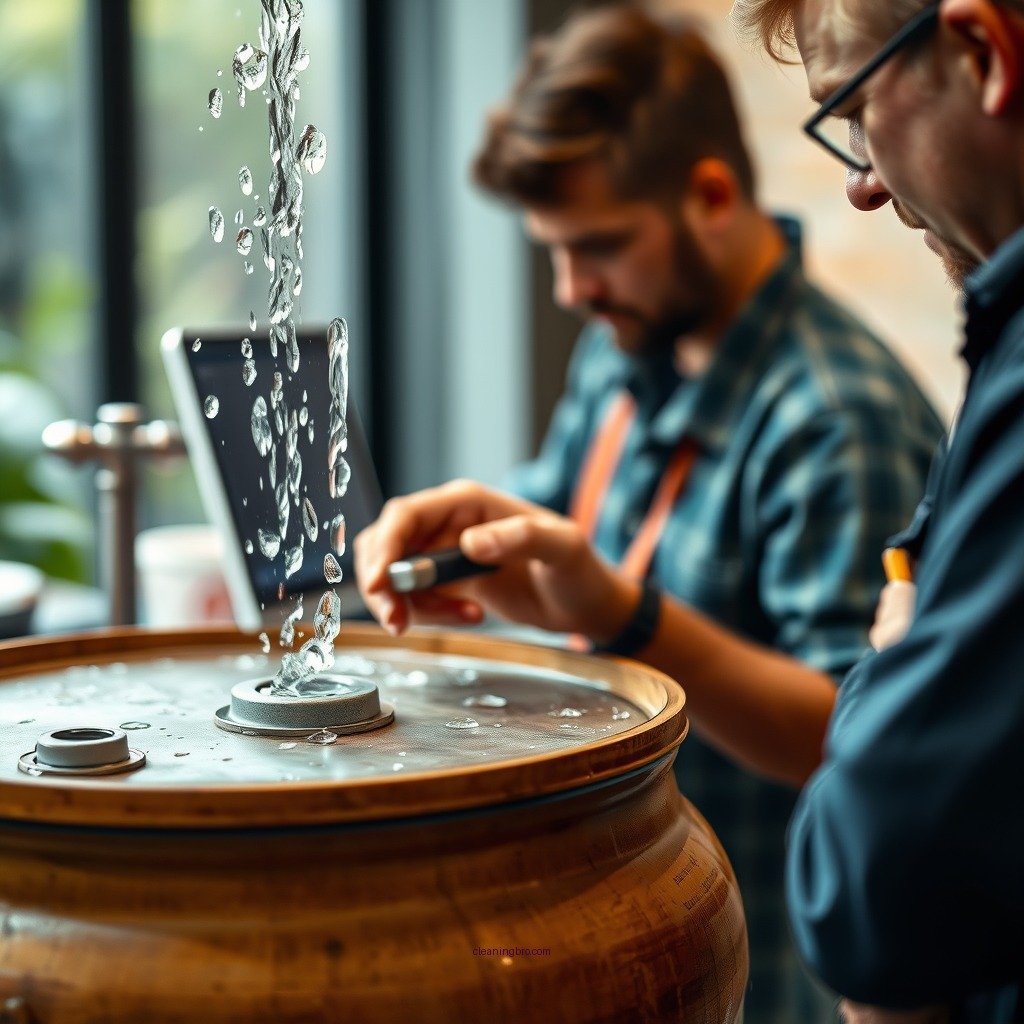
In addition, inspecting and maintaining the filtration system is crucial to ensure it functions properly. If you notice any blockages or signs of wear, take the time to replace or repair the filters and screens. A clean and well-maintained rain barrel will provide you with high-quality water for your gardening and irrigation needs.
Protective Measures Against Contaminants
Protecting your rain barrel from contaminants is essential in maintaining the cleanliness of the water. Keeping the rain barrel covered is one of the simplest and most effective measures. A secure lid not only prevents debris from entering the barrel but also stops mosquitoes and other pests from breeding in the stagnant water.
Additionally, storing your rain barrel in a shaded area can help minimize algae growth, which thrives in sunlight. Algae can cloud the water and produce foul odors, making it less appealing for use in your garden. If you notice any algal bloom, it is advisable to clean the barrel thoroughly and adjust its positioning to avoid direct sunlight.
Safe Water Use Guidelines
When using collected rainwater, it is essential to follow safe usage guidelines. Collected rainwater is suitable for non-potable purposes, such as irrigation and cleaning, but it should never be used for drinking or cooking, especially if it has been in contact with harmful chemicals or contaminants.
Before using rainwater for irrigation, consider testing it for any harmful substances, particularly if you have concerns about the surrounding environment. This precaution can ensure that the water you are using will not negatively impact your plants or garden soil.
Troubleshooting Common Issues
Even with regular maintenance, issues can arise that may affect the quality of rain barrel water. Foul odors can indicate the presence of decomposing organic material inside the barrel. To address this, inspect the interior for any debris and clean it out promptly.
If the water appears cloudy, this may be a sign of algae growth or sediment disturbance. In such cases, replacing filters and cleaning the barrel thoroughly will help restore the water’s clarity and quality. Regular monitoring and prompt action can prevent minor issues from escalating into significant problems.
Top 7 Rain Barrel Filtration Methods (2024)
| # | Method | Effectiveness | Cost |
|---|---|---|---|
| 1 | First-Flush Diverter | High | $50-$100 |
| 2 | Fine Mesh Screens | Medium | $20-$50 |
| 3 | Activated Charcoal Filters | High | $30-$60 |
| 4 | Sand Filters | Medium | $100-$200 |
| 5 | UV Light Treatment | High | $150-$300 |
| 6 | Sediment Filters | Medium | $20-$40 |
| 7 | Biofilters | High | $100-$150 |
Effectiveness of Different Rain Barrel Filtration Methods
Top 3 Rain Barrel Filtration Options
| Feature | ⭐ First-Flush Diverter | Activated Charcoal Filters | UV Light Treatment |
|---|---|---|---|
| Initial Cost | $50-$100 | $30-$60 | $150-$300 |
| Maintenance Frequency | Low | Medium | High |
| Effectiveness | High | High | High |
| Ease of Installation | Moderate | Easy | Moderate |
| Filter Replacement Cost | N/A | $10-$20 | $30-$50 |
| Footprint Size | Compact | Medium | Large |
| Environmental Impact | Low | Medium | Medium |
| Overall Satisfaction Rating | ★★★★☆ | ★★★☆☆ | ★★★☆☆ |
| 🏆 Best For | Cost-effective filtration | High-quality water purification | Advanced treatment needs |
Maintaining clean rain barrel water is vital for effective use and safety. By implementing proper filtration, performing regular maintenance, and following safe usage guidelines, you can ensure your rainwater remains clean and beneficial for your gardening and outdoor needs. Start incorporating these tips today to enjoy the advantages of clean rain barrel water!
Frequently Asked Questions
What are the best practices for maintaining rain barrel water cleanliness?
To keep rain barrel water clean, ensure you regularly clean the barrel and its components, including the screen and spout, at least twice a year. Additionally, use a fine mesh screen to filter debris and install a first-flush diverter to separate the initial runoff, which often contains contaminants.
How can I prevent algae growth in my rain barrel?
To prevent algae growth in your rain barrel, keep it covered to block sunlight and prevent photosynthesis. You can also add a non-toxic algae inhibitor or use dark-colored barrels that limit light penetration, which is essential for algae proliferation.
Why is it important to keep rain barrel water clean for garden use?
Keeping rain barrel water clean is crucial for garden use because contaminated water can introduce harmful pathogens and pollutants to your plants, affecting their health and growth. Clean water ensures that you provide your garden with safe irrigation, promoting a thriving ecosystem and yielding better produce.
Which type of filter is most effective for rain barrels?
The most effective filter for rain barrels is a fine mesh screen or a sediment filter that can capture small debris and prevent sediment buildup. Look for filters that can be easily cleaned and replaced to ensure optimal flow and water quality.
How often should I empty and clean my rain barrel?
It is recommended to empty and clean your rain barrel at least once or twice a year, preferably before the rainy season begins. This routine maintenance helps remove accumulated debris and any stagnant water, ensuring the water collected is clean and safe for use.
References
- https://www.epa.gov/soakuptherain/what-rain-barrels
https://www.epa.gov/soakuptherain/what-rain-barrels - https://extension.uga.edu/publications/detail.html?number=C1043
https://extension.uga.edu/publications/detail.html?number=C1043 - https://www.nrcs.usda.gov/wps/portal/nrcs/detail/national/home/?cid=nrcs143_014199
https://www.nrcs.usda.gov/wps/portal/nrcs/detail/national/home/?cid=nrcs143_014199 - https://www.cdc.gov/healthywater/drinking/home/rainwater.html
https://www.cdc.gov/healthywater/drinking/home/rainwater.html - https://www.who.int/publications/i/item/9789241515613
https://www.who.int/publications/i/item/9789241515613 - Latitudinal drivers of oyster mortality: deciphering host, pathogen and environmental risk factor…
https://www.nature.com/articles/s41598-020-64086-1 - https://www.sciencedirect.com/science/article/pii/S0048969719352706
https://www.sciencedirect.com/science/article/pii/S0048969719352706 - Google Scholar Google Scholar
https://scholar.google.com/scholar?q=how+to+keep+rain+barrel+water+clean - Google Scholar Google Scholar
https://scholar.google.com/scholar?q=rainwater+harvesting+water+quality - Google Scholar Google Scholar
https://scholar.google.com/scholar?q=rain+barrel+water+filtration+methods