How to Remove Overspray from Clear Coat: Effective Methods
Removing overspray from clear coat can be achieved effectively using a few simple techniques. Whether it’s paint, primer, or other substances, you can restore your vehicle’s finish with the right approach. In this article, you’ll discover various methods to safely eliminate overspray and protect your clear coat.
Understanding Overspray and Its Effects
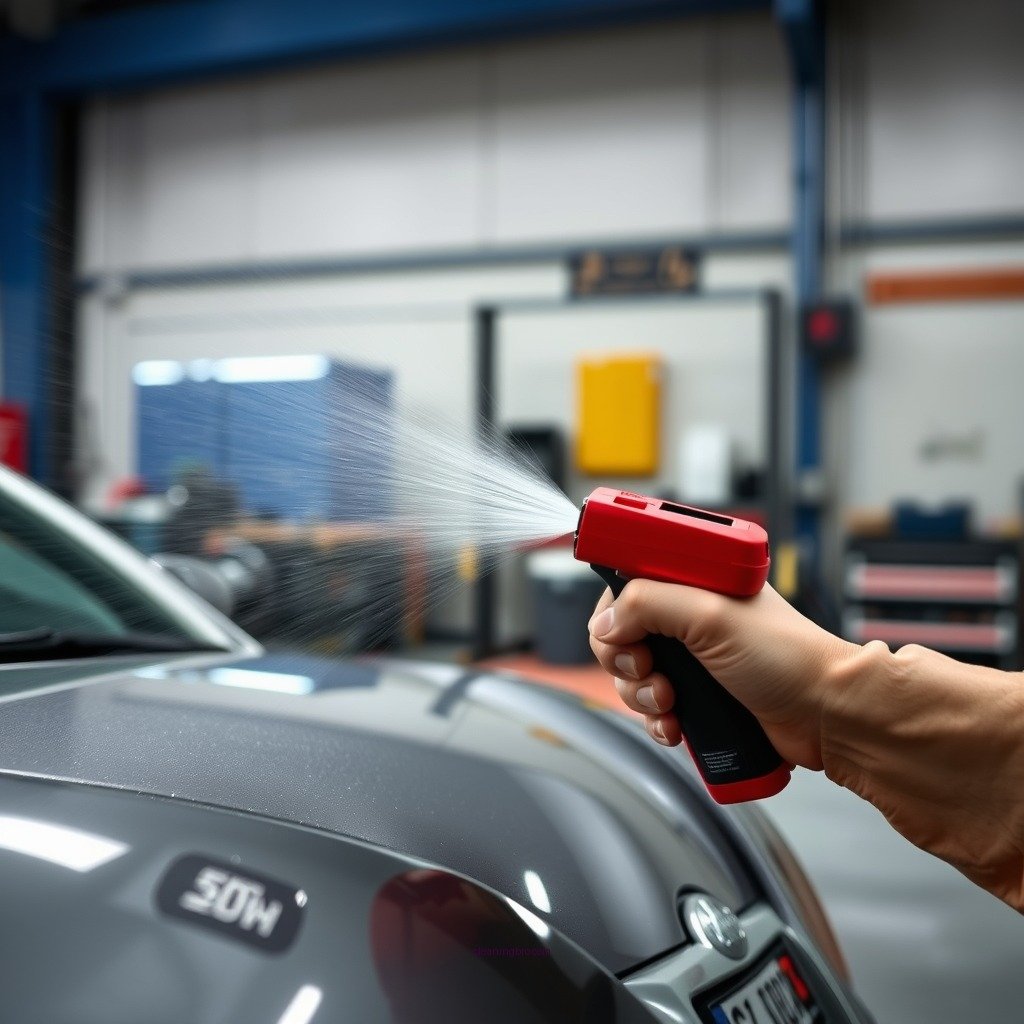
Overspray refers to the unintended application of paint or other substances onto a surface that is not intended to be painted. It commonly occurs during spray painting, auto bodywork, or even when using aerosol products. Common sources include DIY home improvement projects, professional auto painting, or even environmental factors such as dust or pollen combined with moisture.
Overspray can significantly detract from a vehicle’s aesthetic appeal, creating unsightly marks that can be hard to ignore. When left untreated, overspray can lead to surface damage on the clear coat, resulting in dullness, scratches, or even peeling. Understanding these effects is crucial for maintaining the integrity of your vehicle’s finish and ensuring that it remains visually appealing.
Tools and Materials Needed
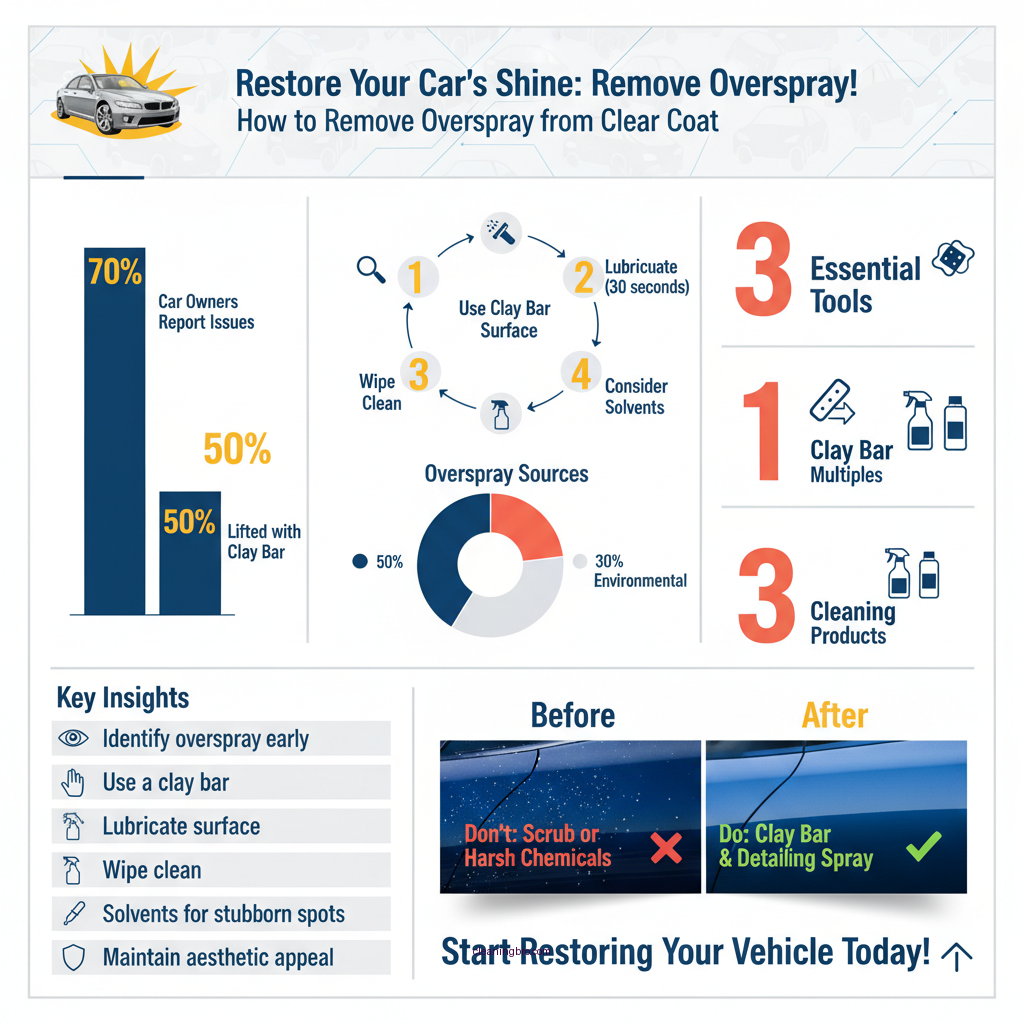
To effectively remove overspray from your vehicle’s clear coat, you will need the following tools and materials:
Essential Tools
– Clay Bar: This is a soft, malleable substance that removes contaminants from the surface of your car’s paint.
– Microfiber Cloths: These are essential for safely wiping surfaces without scratching the clear coat.
– Spray Bottle: For applying detailing sprays or lubricants.
Recommended Cleaning Products
– Detailing Spray: A clay bar lubricant that helps the clay glide over the surface smoothly.
– Rubbing Compound: Useful for more stubborn overspray that cannot be easily removed with a clay bar.
– Solvents: Such as mineral spirits or rubbing alcohol, for particularly challenging spots (use with caution).
Step-by-Step Process for Removal
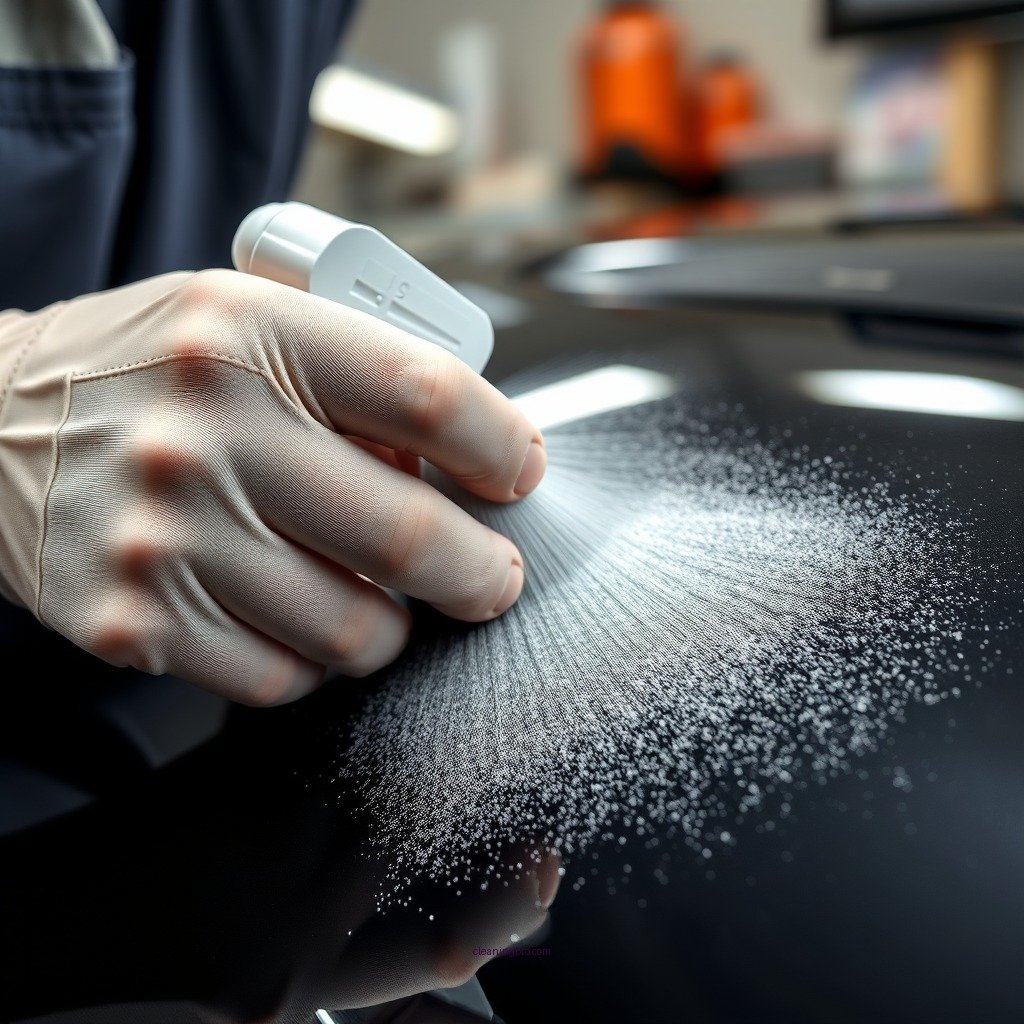
Initial Assessment
Before beginning the removal process, inspect the affected areas of your vehicle closely to understand the extent of the overspray. This will help you determine which method or combination of methods will be most effective.
Using a Clay Bar
1. Wash the Vehicle: Begin by thoroughly washing your vehicle to remove any surface dirt. Use a pH-balanced car wash solution.
2. Dry the Surface: Use a microfiber cloth to dry the vehicle completely.
3. Lubricate the Area: Spray a generous amount of detailing spray onto the area with overspray.
4. Apply the Clay Bar: Knead the clay bar until it’s pliable. Gently rub the clay bar over the lubricated area using a back-and-forth motion. The overspray will stick to the clay, lifting it from the clear coat.
5. Wipe Clean: After using the clay bar, wipe the area with a clean microfiber cloth to remove any residue.
6. Inspect: Check to ensure that all overspray has been removed. Repeat if necessary.
Alternative Methods for Stubborn Overspray
In some cases, overspray may be particularly stubborn and require additional methods for removal.
Using Rubbing Compound
For tougher spots, a rubbing compound can be effective:
1. Apply Rubbing Compound: Place a small amount of rubbing compound onto a clean microfiber cloth.
2. Rub Gently: Using circular motions, gently rub the area until the overspray starts to lift. Be cautious not to apply too much pressure, which could damage the clear coat.
3. Wipe Clean: After you notice the overspray is removed, use a clean cloth to wipe away any excess compound.
Solvents and Precautions
If the overspray remains:
1. Select a Suitable Solvent: Use mineral spirits or rubbing alcohol, but always test a small hidden area first to ensure it doesn’t damage the clear coat.
2. Apply Carefully: Dampen a microfiber cloth with the solvent and gently dab the overspray. Avoid saturating the clear coat, and always work in a well-ventilated area.
3. Rinse and Dry: Once the overspray is removed, rinse the area with water and dry it thoroughly.
Preventing Future Overspray Issues
To minimize the risks of overspray in the future, consider the following precautions:
– Proper Masking Techniques: When painting, use high-quality painter’s tape and plastic sheeting to cover areas that should not be painted.
– Work in Controlled Environments: If possible, perform any painting or bodywork in a garage or enclosed space to reduce exposure to environmental factors that can lead to overspray.
– Educate Yourself: Familiarize yourself with the best practices for painting and vehicle maintenance to avoid common pitfalls that lead to overspray.
When to Seek Professional Help
There are situations where it may be best to seek the assistance of a professional detailer:
– Extensive Damage: If the overspray has caused significant damage or is widespread across the vehicle, a professional can assess and correct the issue more effectively.
– Specialized Techniques: Professionals have access to advanced tools and techniques that may be necessary for severe overspray situations.
– Time Constraints: If you lack the time or resources to address the issue thoroughly, enlisting a professional can save you both time and stress.
Benefits of Professional Services
Professional detailing services not only provide expertise in removing overspray but can also offer additional services such as paint correction, ceramic coating, and waxing to protect your vehicle’s finish in the future.
Top 7 Methods for Removing Overspray from Clear Coat (2024)
| # | Method | Effectiveness | Ease of Use | Cost |
|---|---|---|---|---|
| 1 | Clay Bar | High | Easy | Low |
| 2 | Rubbing Compound | Medium | Moderate | Medium |
| 3 | Solvents | High | Difficult | Low |
| 4 | Professional Detail | Very High | Easy | High |
| 5 | Detailing Spray | Medium | Very Easy | Low |
| 6 | Polishing Compound | Medium | Moderate | Medium |
| 7 | Baking Soda Paste | Low | Easy | Low |
Effectiveness of Various Methods for Removing Overspray
Clay Bar vs Rubbing Compound vs Professional Detail: Full Comparison
| Feature | ⭐ Clay Bar | Rubbing Compound | Professional Detail |
|---|---|---|---|
| Effectiveness | ✅ High | ✅ Medium | ✅ Very High |
| Ease of Use | Easy | Moderate | Easy |
| Cost | Low | Medium | High |
| Time Required | Low | Medium | High |
| Safety | Very Safe | Safe | Safe |
| Skill Level Required | Beginner | Intermediate | Professional |
| Surface Compatibility | Clear Coat | Clear Coat | All Surfaces |
| Effect on Paint Finish | No Damage | Potential Damage | No Damage |
| Recommended For | DIY Enthusiasts | Car Owners | All Vehicle Owners |
| 🏆 Best For | Home Users | Budget-Friendly | Thorough Restoration |
In conclusion, removing overspray from clear coat is achievable through various methods, including the use of clay bars, rubbing compounds, and professional detailing services. By understanding the nature of overspray and employing the right tools and techniques, you can effectively restore your vehicle’s finish. Furthermore, taking preventive measures will help protect your vehicle from future overspray issues. Whether you choose to tackle the problem yourself or seek professional assistance, the key is to act promptly to maintain the integrity and appearance of your vehicle’s clear coat.
Frequently Asked Questions
What is the best method to remove overspray from clear coat?
The best method to remove overspray from clear coat involves using detailing clay or a microfiber towel along with a solvent like rubbing alcohol or a dedicated overspray remover. Gently rub the affected area in circular motions to lift the overspray without damaging the clear coat. Always test any product on a small, inconspicuous area first to ensure compatibility with your vehicle’s finish.
How can I safely remove paint overspray from my car’s clear coat?
To safely remove paint overspray from your car’s clear coat, start by washing the area with soap and water to eliminate surface dirt. Then, use a clay bar or a microfiber cloth with a lubricant, such as detailing spray or soapy water, to gently rub the overspray away. This method minimizes the risk of scratching the clear coat while effectively lifting the unwanted paint.
Why is it important to remove overspray from clear coat promptly?
It’s important to remove overspray from clear coat promptly because the longer it remains, the harder it can become to remove, potentially leading to permanent damage. Overspray can bond with the clear coat and cause discoloration or dullness, affecting your vehicle’s appearance. Addressing the issue quickly helps maintain your car’s finish and resale value.
Which products are recommended for removing overspray from clear coat?
Recommended products for removing overspray from clear coat include detailing clay bars, rubbing alcohol, and specialty overspray removers designed for automotive finishes. Look for products that are safe for clear coats and follow the manufacturer’s instructions for best results. Additionally, using a high-quality microfiber towel can help prevent scratching while cleaning.
What should I do if the overspray won’t come off my clear coat?
If the overspray won’t come off your clear coat, consider using a more aggressive method such as a polishing compound or a professional-grade overspray removal product. Apply the product carefully with a foam or microfiber applicator, and buff it out gently to avoid damaging the clear coat. If you’re still unable to remove it, seeking help from a professional detailer may be the best option to restore your vehicle’s finish.
References
- Automotive paint
https://en.wikipedia.org/wiki/Clear_coat - https://www.sciencedirect.com/topics/materials-science/clear-coat
https://www.sciencedirect.com/topics/materials-science/clear-coat - Paint | Interior, Exterior & Primer | Britannica
https://www.britannica.com/science/paint - Google Scholar Google Scholar
https://scholar.google.com/scholar?q=how+to+remove+overspray+from+clear+coat - https://pubmed.ncbi.nlm.nih.gov/
https://pubmed.ncbi.nlm.nih.gov/ - Google Scholar Google Scholar
https://scholar.google.com/scholar?q=overspray+removal+techniques - https://www.ncbi.nlm.nih.gov/pmc/articles/PMC6949474/
https://www.ncbi.nlm.nih.gov/pmc/articles/PMC6949474/ - https://www.nature.com/articles/s41598-020-71095-5
https://www.nature.com/articles/s41598-020-71095-5 - The page you were looking for has moved.
https://www.cdc.gov/niosh/topics/chemical.html - how to remove overspray from clear coat – Search results
https://en.wikipedia.org/wiki/Special:Search?search=how+to+remove+overspray+from+clear+coat