How to Clean Green Water in a Swimming Pool
To clean green water in your swimming pool, start by testing the water’s pH and chlorine levels, then shock the pool with chlorine or a suitable algaecide. This immediate action will help eliminate algae and restore clarity. In this guide, you’ll learn effective steps to tackle green water and maintain a sparkling pool all season long.
Understand the Causes of Green Water
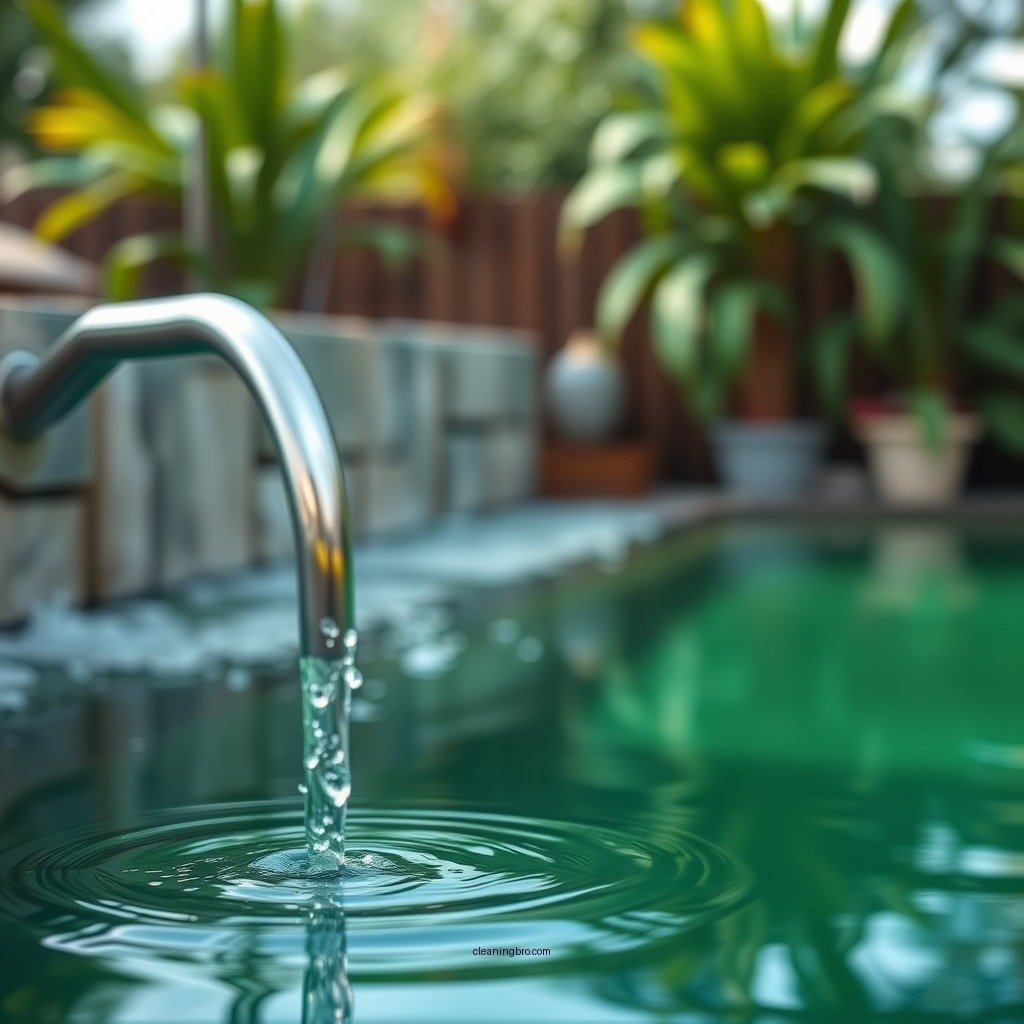
Green water in swimming pools is primarily caused by algae growth, which can be triggered by several environmental and chemical factors. High temperatures, excessive sunlight, and low chlorine levels create an ideal breeding ground for algae. Additionally, poor filtration or circulation can exacerbate these issues, allowing algae to thrive. When the pool’s water is stagnant or not properly filtered, it can quickly turn from clear to green, making it uninviting and potentially unsafe for swimming. Understanding these causes is crucial for prevention and effective remediation.
Test Your Pool Water
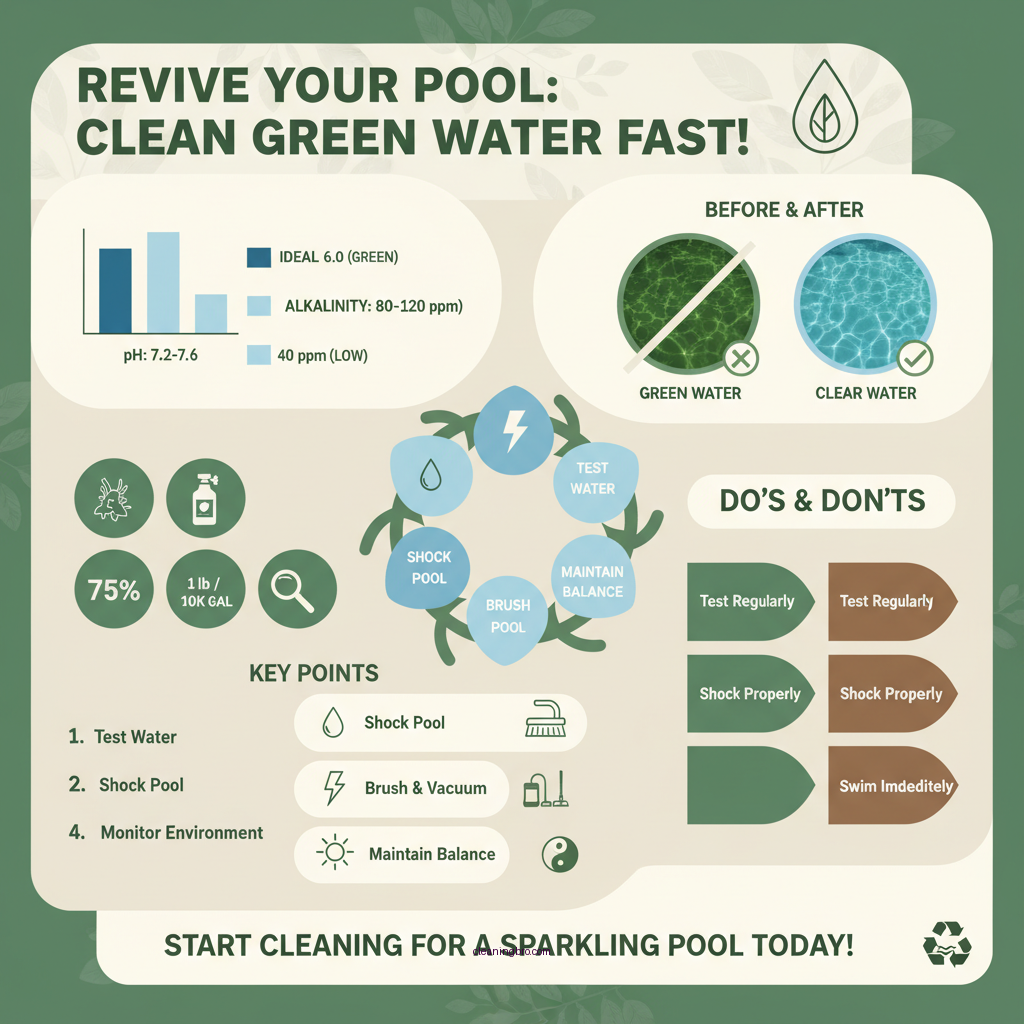
Before taking any remedial steps, it’s essential to assess the current state of your pool water. Use a reliable pool test kit to check the pH, chlorine, and alkalinity levels. Ideally, your pH should be between 7.2 and 7.6, as this range allows chlorine to work most effectively. If the pH is out of balance, adjust it using pH increasers or decreasers. Additionally, check the alkalinity, which should ideally be between 80-120 ppm to buffer the pH levels. Regular testing not only helps in addressing immediate issues but also in maintaining a healthy pool environment.
Shock the Pool
Once you have tested and balanced the water, the next step is to shock the pool. Shocking involves adding a high dose of chlorine or a specialized algaecide to rapidly increase the chlorine level, which in turn kills algae and other contaminants. Follow the manufacturer’s instructions on dosage based on your pool size; typically, you will need about 1 pound of chlorine shock per 10,000 gallons of water. It’s advisable to shock the pool during the evening or nighttime to prevent the sun from burning off the chlorine too quickly. After shocking, avoid swimming for at least 24 hours to allow the chemicals to circulate and take effect.
Brush and Vacuum the Pool
After shocking the pool, it’s time to physically remove any remaining algae and debris. Use a pool brush to scrub the walls and floors thoroughly, dislodging any algae that may be clinging to surfaces. Pay special attention to corners and steps, as these areas tend to accumulate more debris. Following brushing, vacuum the pool to remove dislodged algae and other particles. Using a manual vacuum or an automatic pool cleaner can expedite this process. Regular brushing and vacuuming not only facilitate immediate cleanup but also help prevent future algae growth.
Run the Pool Filter
After the physical cleaning is done, it’s crucial to run the pool filter continuously for at least 24-48 hours. This will help clear any remaining particles from the water and improve overall clarity. Check the filter pressure gauge during this time; if the pressure rises significantly, it may indicate that the filter needs to be cleaned or backwashed. Keeping the filter clean is essential for optimal performance, as a dirty filter can lead to poor circulation and contribute to future algae blooms.
Add Algaecide if Necessary
If algae blooms are a recurring issue, consider using an algaecide as a preventive measure. Algaecides are designed to target algae spores and prevent their growth. Choose a product that is suitable for your pool type—whether it’s chlorine, saltwater, or other systems—and carefully follow the usage instructions. Adding algaecide as part of your regular maintenance routine can help keep your pool clear and reduce the frequency of severe algae outbreaks.
Maintain Regular Pool Care
The key to enjoying a crystal-clear swimming pool throughout the season is consistent maintenance. Regularly test and balance the water chemistry to keep pH and chlorine levels in check. Cleaning the pool and filter routinely will ensure proper circulation and filtration, which are vital for preventing green water. Additionally, consider covering the pool when it’s not in use to reduce debris accumulation and limit sunlight exposure, which can promote algae growth. Implementing a maintenance schedule will not only enhance your pool’s appearance but also extend its lifespan.
Top 7 Causes of Green Pool Water (2024)
| # | Cause | Impact Level | Prevention |
|---|---|---|---|
| 1 | Low Chlorine Levels | High | Regular Testing |
| 2 | High Temperatures | Medium | Pool Covers |
| 3 | Poor Filtration | High | Regular Maintenance |
| 4 | High pH Levels | Medium | pH Adjusters |
| 5 | Excessive Debris | High | Regular Cleaning |
| 6 | Infrequent Water Changes | Medium | Change Water Regularly |
| 7 | Low Alkalinity | Medium | Balance Regularly |
Common Algae Types in Swimming Pools
Top 3 Algaecides for Swimming Pools
| Feature | ⭐ Algaecide A | Algaecide B | Algaecide C |
|---|---|---|---|
| Type | Copper-Based | Polymeric | Natural |
| Effectiveness | ✅ Highly Effective | ✅ Effective | ❌ Less Effective |
| Application Frequency | Weekly | Bi-Weekly | Monthly |
| Compatibility | Chlorine Pools | Saltwater Pools | All Pools |
| Cost | $20/32 oz | $30/32 oz | $15/32 oz |
| Residual Effect | Long-lasting | Medium | Short-lasting |
| Environmental Impact | Moderate | Low | Very Low |
| Odor | Slight | None | Slight |
| User Rating | ★★★★☆ | ★★★☆☆ | ★★☆☆☆ |
| 🏆 Best For | Effective algae control | Saltwater users | Eco-conscious users |
Maintaining a clean swimming pool requires diligence and regular maintenance. By following these steps, you can effectively clean green water and enjoy a safe, inviting swimming environment. Don’t hesitate to reach out to a pool professional if the problem persists or for tailored advice on maintaining crystal clear water.
Frequently Asked Questions
What causes green water in a swimming pool?
Green water in a swimming pool is primarily caused by algae growth, which occurs when the water is not properly sanitized or balanced. Factors such as high temperatures, inadequate chlorine levels, and poor filtration can contribute to this problem, making it essential to regularly maintain your pool’s chemistry and equipment.
How can I effectively clean green water in my swimming pool?
To clean green water in your swimming pool, start by shocking the pool with a high dose of chlorine to kill the algae. Follow this by brushing the pool walls and floor to remove any dead algae, and then vacuum the debris. Lastly, run the filter continuously until the water clears, and consider using an algaecide for additional prevention.
Why is it important to prevent green water in my swimming pool?
Preventing green water is crucial for both health and maintenance reasons. Algae can harbor harmful bacteria, making the pool unsafe for swimming, while also leading to costly repairs and increased chemical usage if not addressed promptly. Regular maintenance helps ensure a clean and enjoyable swimming environment.
What is the best algaecide to use for treating green pool water?
The best algaecide for treating green pool water typically contains copper or quaternary ammonium compounds, which are effective against a wide range of algae types. Look for products specifically labeled for pool use and follow the manufacturer’s instructions for dosage and application to achieve optimal results.
Which steps should I take to maintain clear water after cleaning a green pool?
To maintain clear water after cleaning a green pool, regularly test and balance your pool’s chemical levels, focusing on pH and chlorine levels. Additionally, ensure your filtration system is functioning properly, clean the skimmer and pump baskets regularly, and consider using a weekly algaecide treatment as a preventative measure against future algae growth.
References
- https://www.cdc.gov/healthywater/swimming/pools/infection-control.html
https://www.cdc.gov/healthywater/swimming/pools/infection-control.html - https://www.who.int/news-room/fact-sheets/detail/safe-water
https://www.who.int/news-room/fact-sheets/detail/safe-water - https://www.epa.gov/ground-water-and-drinking-water/cleaning-your-pool
https://www.epa.gov/ground-water-and-drinking-water/cleaning-your-pool - https://www.ncbi.nlm.nih.gov/pmc/articles/PMC6950540/
https://www.ncbi.nlm.nih.gov/pmc/articles/PMC6950540/ - https://www.sciencedirect.com/topics/earth-and-planetary-sciences/swimming-pool
https://www.sciencedirect.com/topics/earth-and-planetary-sciences/swimming-pool - https://www.britannica.com/science/pool-water-treatment
https://www.britannica.com/science/pool-water-treatment - https://www.nytimes.com/2020/06/23/well/live/green-pool-water.html
https://www.nytimes.com/2020/06/23/well/live/green-pool-water.html - Google Scholar Google Scholar
https://scholar.google.com/scholar?q=green+water+in+swimming+pool+how+to+clean - Google Scholar Google Scholar
https://scholar.google.com/scholar?q=swimming+pool+maintenance+green+water+cleaning - green water in swimming pool how to clean – Search results
https://en.wikipedia.org/wiki/Special:Search?search=green+water+in+swimming+pool+how+to+clean