How to Clean a Hydroponic System: A Step-by-Step Guide
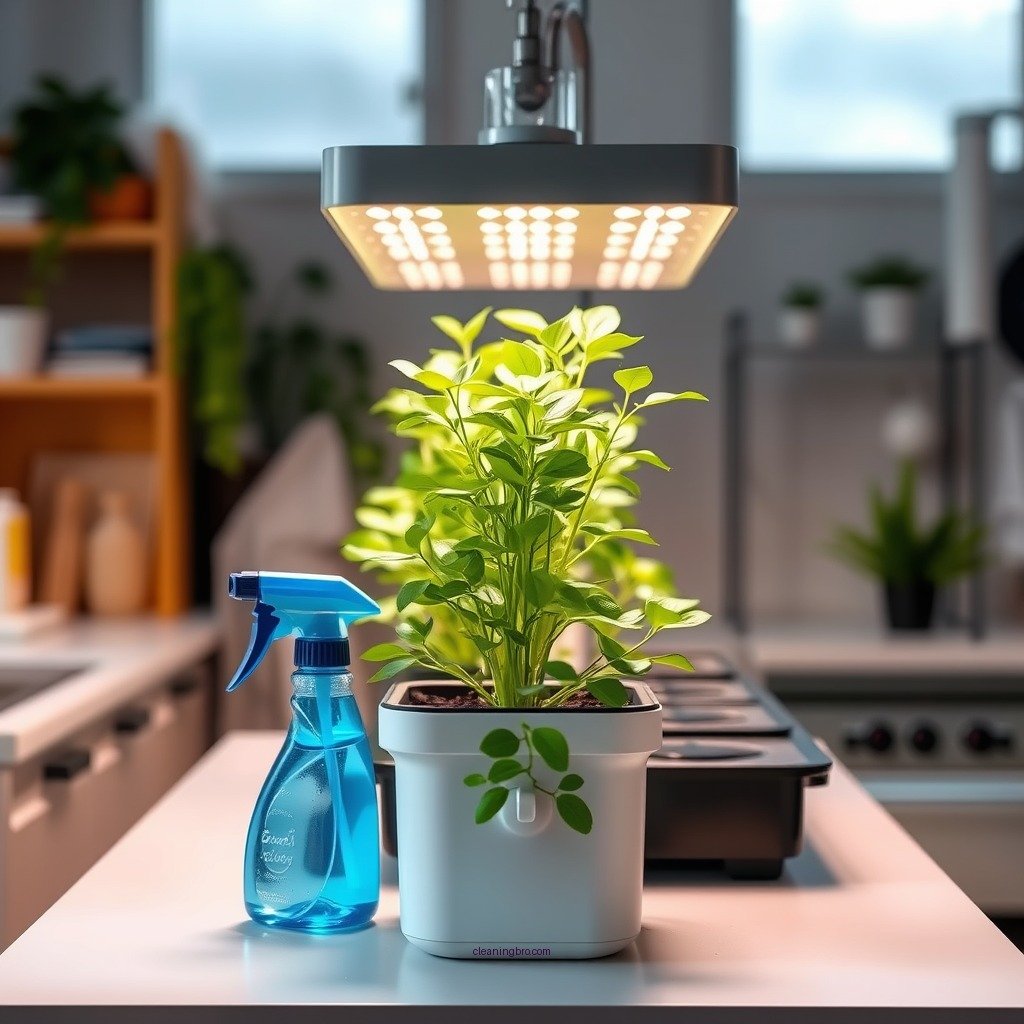
Cleaning a hydroponic system is essential for maintaining plant health and ensuring optimal growth. To clean your system effectively, you’ll need to remove any debris, disinfect components, and flush with clean water. This guide will walk you through each step to keep your hydroponic setup in top condition, ensuring your plants thrive.
Understanding the Importance of Cleaning
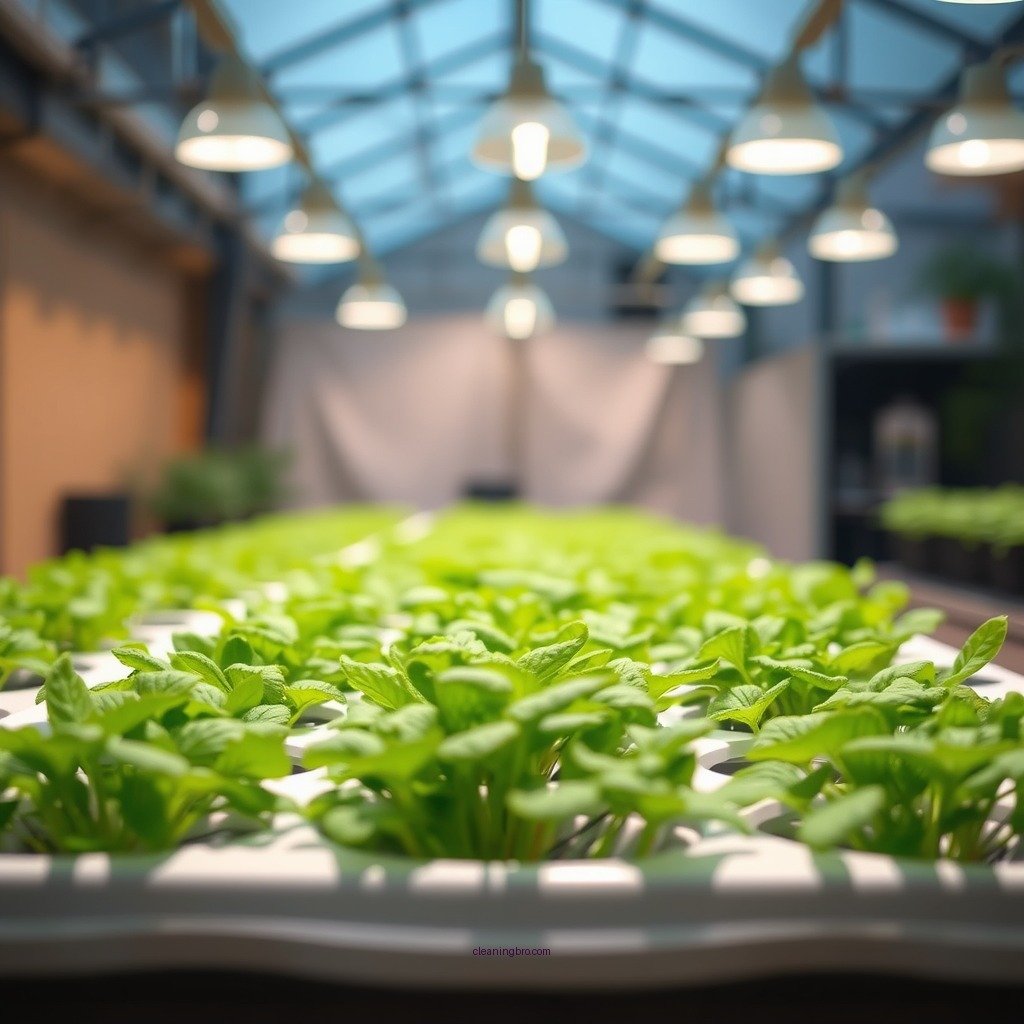
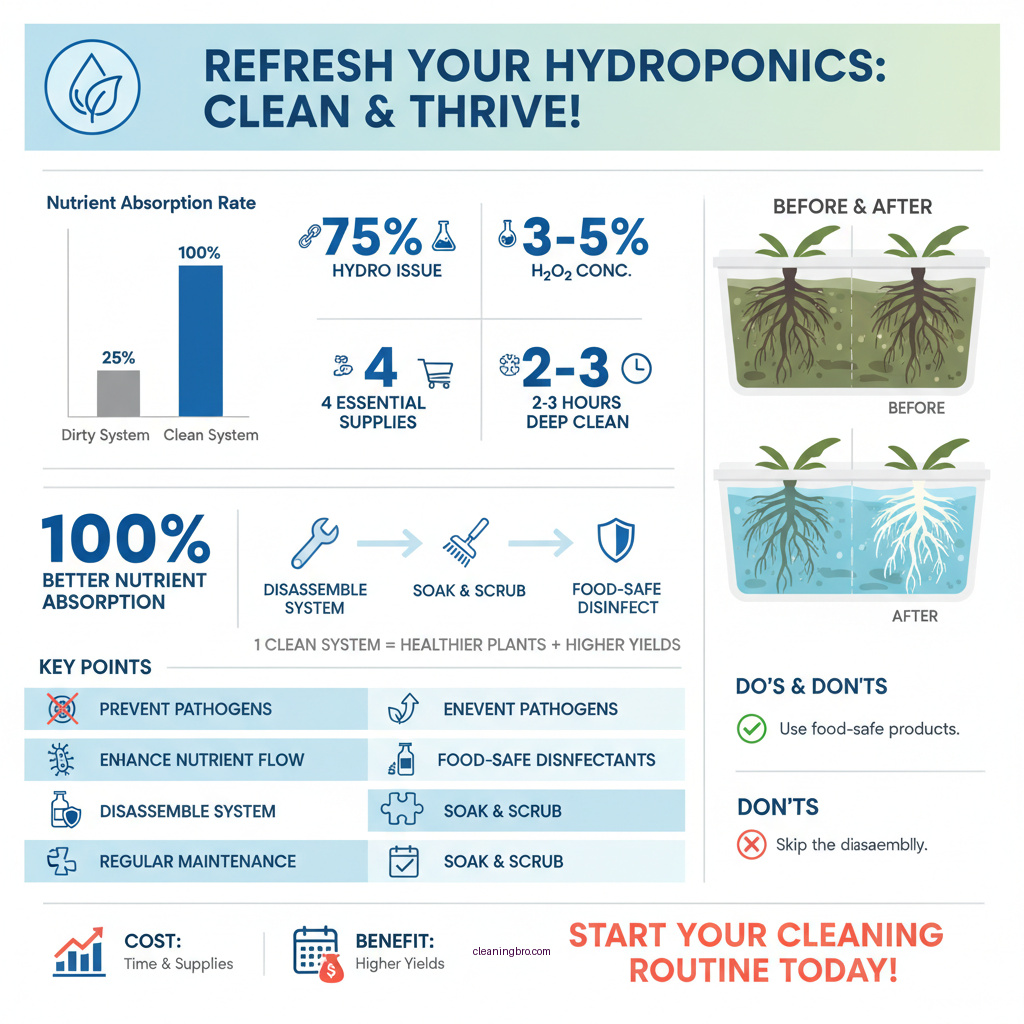
Regular cleaning of your hydroponic system is crucial for several reasons. First and foremost, it prevents the buildup of harmful pathogens and algae that can jeopardize plant health. Algae growth can block light and oxygen from reaching the roots, leading to stunted growth or even plant death. Additionally, a clean hydroponic system promotes better nutrient absorption. When debris accumulates, it can hinder the flow of nutrient-rich water, limiting access to vital minerals essential for healthy plant growth. By keeping your system clean, you are not only enhancing plant health but also ensuring a more productive and efficient growing environment.
Gather Necessary Supplies
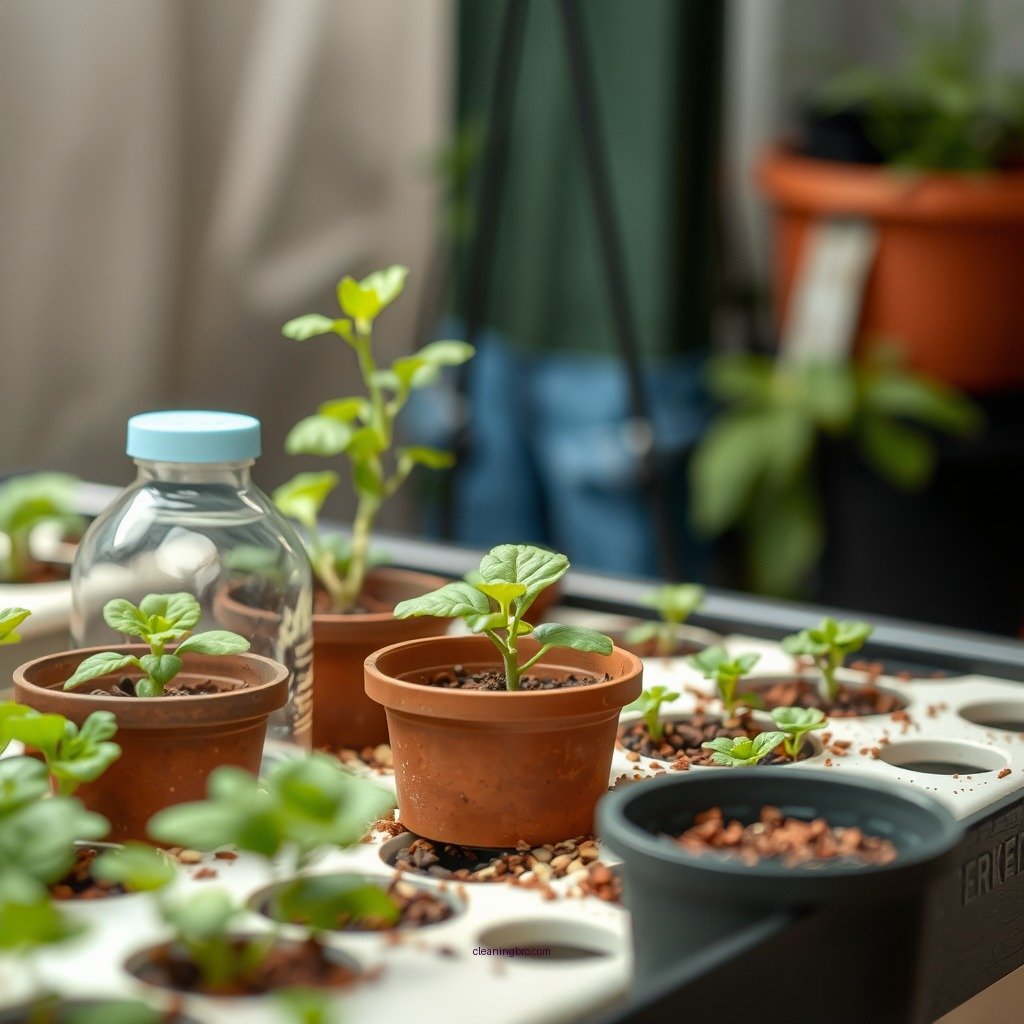
Before you begin cleaning, it’s important to gather all the necessary supplies. Here’s a list of recommended cleaning supplies:
– Hydrogen Peroxide: An effective disinfectant that helps eliminate bacteria and pathogens.
– White Vinegar: A natural cleaning agent that can help dissolve mineral deposits and kill bacteria.
– Soft Brushes: Used for scrubbing stubborn residues from various components.
– Cloths or Rags: For drying and wiping down surfaces.
Using food-safe disinfectants is vital to protect your plants from harmful chemicals. Always ensure that any cleaning agents you use are safe for hydroponic systems, as residues can adversely affect plant health.
Step-by-Step Cleaning Process
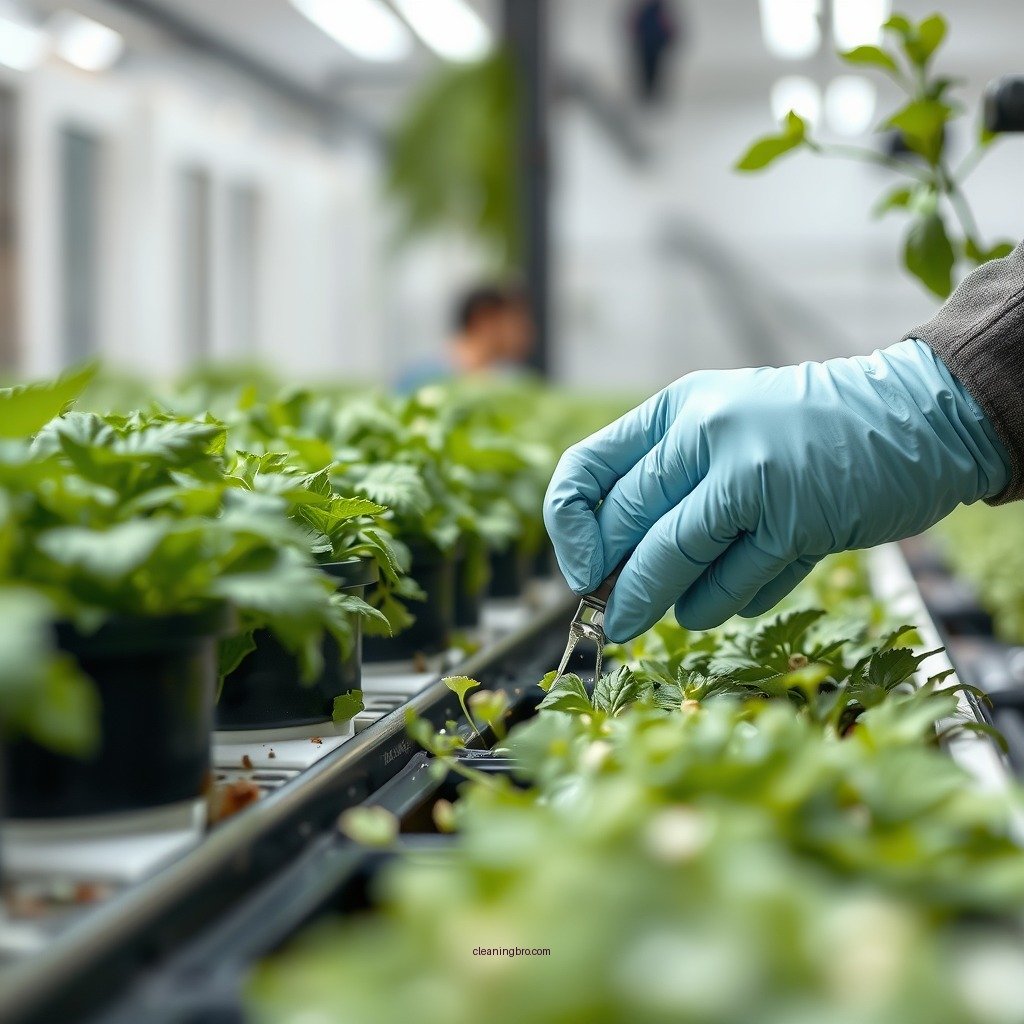
1. Disassemble the System: Start by carefully disassembling your hydroponic system. Remove all plant pots, growing media, and pump components. This will allow you to access all areas that require cleaning.
2. Clean Each Part: Utilize soft brushes to scrub each component. Pay close attention to any stubborn residues, especially in areas where nutrient buildup may have occurred. For larger components, such as tanks or reservoirs, consider soaking them in a cleaning solution made from hydrogen peroxide or vinegar.
Disinfecting the System
Once the components are clean, it’s time to disinfect:
1. Prepare a Disinfectant Solution: Mix water with hydrogen peroxide (at a concentration of about 3-5%) or vinegar. This solution will help eliminate any lingering bacteria or pathogens.
2. Soak and Scrub: Allow the parts to soak in the disinfectant solution for 15-30 minutes. After soaking, use a brush to scrub away any remaining bacteria. Rinse each component thoroughly with clean water to ensure no cleaning agent remains.
Flushing the System
After disinfecting, it’s essential to flush your system properly:
1. Rinse Thoroughly: Ensure all cleaning agents are removed by flushing the system with clean water. This will help prevent any residue from affecting your plants.
2. Run the System: Reassemble your hydroponic system and let the pump circulate fresh water. This step checks for leaks and ensures that everything is functioning properly. Monitor the system for a few minutes to confirm that water flows freely without obstruction.
Regular Maintenance Tips
To maintain system health effectively, consider scheduling routine cleanings every few weeks. During these cleanings, inspect all components for wear and tear, and replace any that show signs of damage. Additionally, monitor plant growth and overall system performance to identify issues early. Regular maintenance will not only enhance your hydroponic system’s efficiency but also save you time and effort in the long run.
Troubleshooting Common Issues
Even with regular cleaning, you may encounter issues such as buildup or algae growth. Signs of buildup include discolored water or visible residues in the reservoir. To address these issues, increase the frequency of your cleanings and consider implementing a preventative maintenance schedule.
It’s also crucial to recognize when to replace components. If certain parts become too degraded or damaged despite cleaning, replacing them may be the best option to ensure your hydroponic system continues to operate effectively.
Top 7 Hydroponic System Cleaning Agents (2024)
| # | Cleaning Agent | Effectiveness | Safety | Cost ($) |
|---|---|---|---|---|
| 1 | Hydrogen Peroxide | High | Safe | 5 |
| 2 | White Vinegar | Medium | Safe | 3 |
| 3 | Bleach (Diluted) | High | Caution | 2 |
| 4 | Baking Soda | Medium | Safe | 1 |
| 5 | Lemon Juice | Medium | Safe | 2 |
| 6 | Commercial Cleaners | High | Caution | 15 |
| 7 | Essential Oils | Low | Safe | 10 |
Hydroponic System Cleaning Effectiveness (%)
Hydroponic Cleaning Solutions: Comparison
| Feature | ⭐ Hydrogen Peroxide | White Vinegar | Baking Soda |
|---|---|---|---|
| Effectiveness | 95% | 75% | 50% |
| Cost ($) | 5 | 3 | 1 |
| Safety | Safe | Safe | Caution |
| Algae Removal | Excellent | Moderate | Low |
| Mineral Buildup | Good | Excellent | Moderate |
| Ease of Use | Easy | Moderate | Easy |
| Availability | Widely available | Widely available | Commonly available |
| Environmental Impact | Low | Low | Low |
| Overall Rating | ★★★★★ | ★★★★☆ | ★★★☆☆ |
| 🏆 Best For | Effective Disinfection | Cost-Effective Cleaning | Mild Cleaning |
By following these steps, you can keep your hydroponic system clean and functional, promoting healthy plant growth and productivity. Regular maintenance will save you time and effort in the long run, allowing you to enjoy a thriving hydroponic garden. Start cleaning today and watch your plants flourish!
Frequently Asked Questions
How do you clean a hydroponic system effectively?
To clean a hydroponic system effectively, start by disassembling all components, including pumps, tubing, and containers. Rinse each part with warm water to remove debris and algae, then soak them in a diluted solution of hydrogen peroxide or a mild bleach solution for 15-30 minutes to disinfect. Rinse thoroughly with clean water before reassembling the system.
What is the best way to prevent algae growth in a hydroponic system?
The best way to prevent algae growth in a hydroponic system is to limit light exposure to the nutrient solution and components. Use opaque containers to block light, maintain proper water levels, and ensure the system is well-ventilated. Additionally, regularly changing the nutrient solution and cleaning the system can significantly reduce algae buildup.
Why is it important to regularly clean your hydroponic system?
Regularly cleaning your hydroponic system is crucial to prevent the buildup of pathogens, algae, and mineral deposits that can harm plant health and growth. A clean system ensures optimal nutrient delivery and prevents clogs in the pumps and tubing, leading to healthier plants and better yields over time.
Which cleaning solutions are safe for hydroponic systems?
Safe cleaning solutions for hydroponic systems include hydrogen peroxide, vinegar, and mild bleach solutions. Hydrogen peroxide is effective for disinfection without leaving harmful residues, while vinegar is a natural alternative for removing mineral deposits. Always rinse thoroughly with water after cleaning to ensure no harmful chemicals remain.
How often should you clean your hydroponic system?
You should clean your hydroponic system every 2 to 4 weeks, depending on the type of plants you are growing and the system’s design. Regular maintenance, including checking for clogs and changing the nutrient solution, can help identify when a deeper clean is necessary, ensuring optimal performance and plant health.
References
- https://www.extension.purdue.edu/extmedia/ho/ho-249-w.pdf
https://www.extension.purdue.edu/extmedia/ho/ho-249-w.pdf - Home – Indiana Yard and Garden – Purdue Consumer HorticulturePurdue University Indiana Yard and G…
https://www.hort.purdue.edu/ext/ho-249.pdf - https://www.naturalhydroponics.com/how-to-clean-your-hydroponic-system/
https://www.naturalhydroponics.com/how-to-clean-your-hydroponic-system/ - Google Scholar Google Scholar
https://scholar.google.com/scholar?q=clean+hydroponic+system - Google Scholar Google Scholar
https://scholar.google.com/scholar?q=maintenance+of+hydroponics - Google Scholar Google Scholar
https://scholar.google.com/scholar?q=hydroponic+system+cleaning+methods - https://www.ncbi.nlm.nih.gov/pmc/articles/PMC6297306/
https://www.ncbi.nlm.nih.gov/pmc/articles/PMC6297306/ - https://www.sciencedirect.com/science/article/abs/pii/S2214785321000678
https://www.sciencedirect.com/science/article/abs/pii/S2214785321000678 - Google Scholar Google Scholar
https://scholar.google.com/scholar?q=how+do+you+clean+a+hydroponic+system - how do you clean a hydroponic system – Search results
https://en.wikipedia.org/wiki/Special:Search?search=how+do+you+clean+a+hydroponic+system