
How to Clean Ivory Piano Keys: A Step-by-Step Guide
Cleaning ivory piano keys requires gentle methods to preserve their beauty and integrity. The best way to clean them is by using a soft cloth and a mild cleaning solution specifically designed for delicate surfaces. In this article, you’ll learn the best techniques and materials to effectively clean your ivory piano keys without causing damage.
Understanding Ivory Piano Keys

Ivory keys are known for their unique aesthetic appeal and rich history as a premium material for piano manufacturing. However, they are sensitive to harsh chemicals and moisture, which can lead to irreversible damage. The use of ivory in pianos dates back centuries, and it was prized for its durability and tactile qualities. Understanding this history and the delicacy of ivory can greatly enhance your approach to cleaning.
Over time, ivory keys can accumulate dirt, oils from fingers, and even stains from spills. Given their sensitivity, it’s crucial to adopt a gentle cleaning regimen that respects the integrity of the ivory while effectively removing any buildup. This understanding lays the groundwork for implementing the right cleaning techniques and maintaining the quality of your piano.
Materials Needed for Cleaning
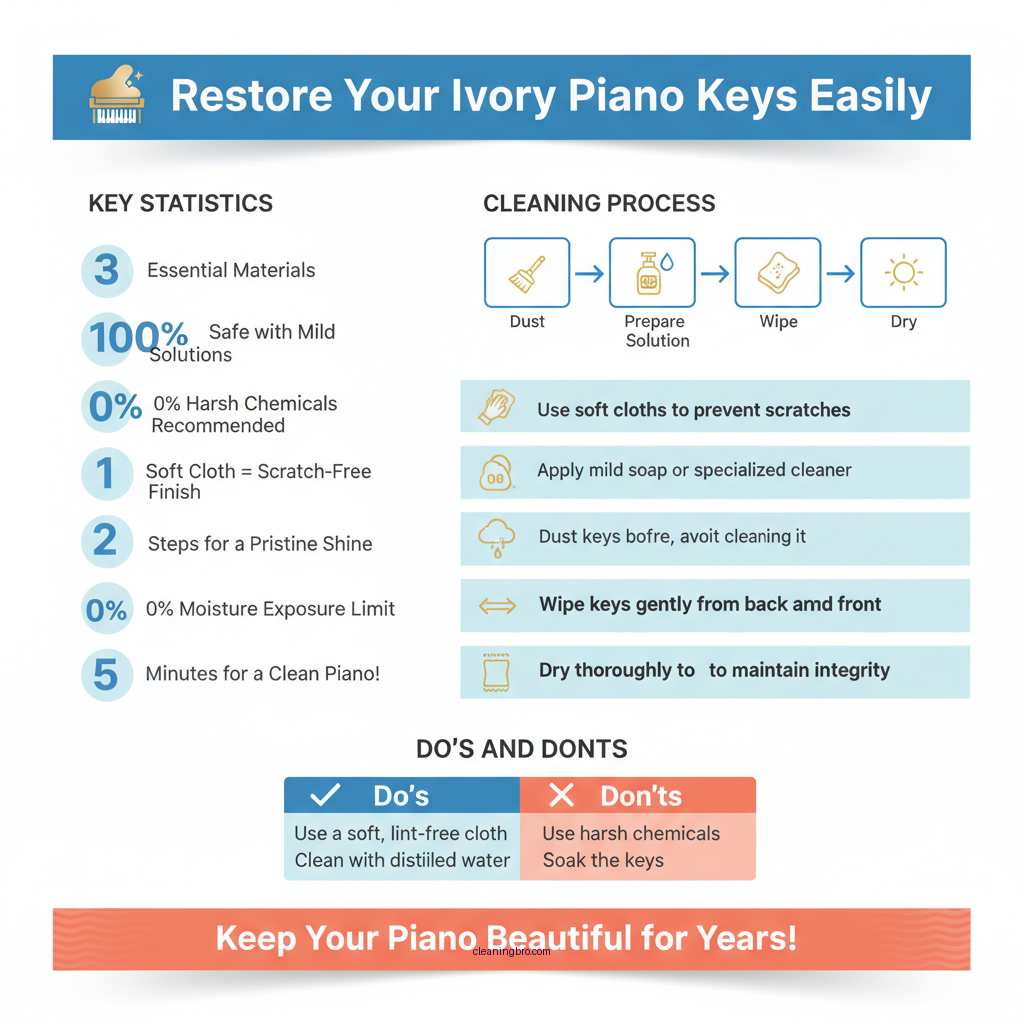
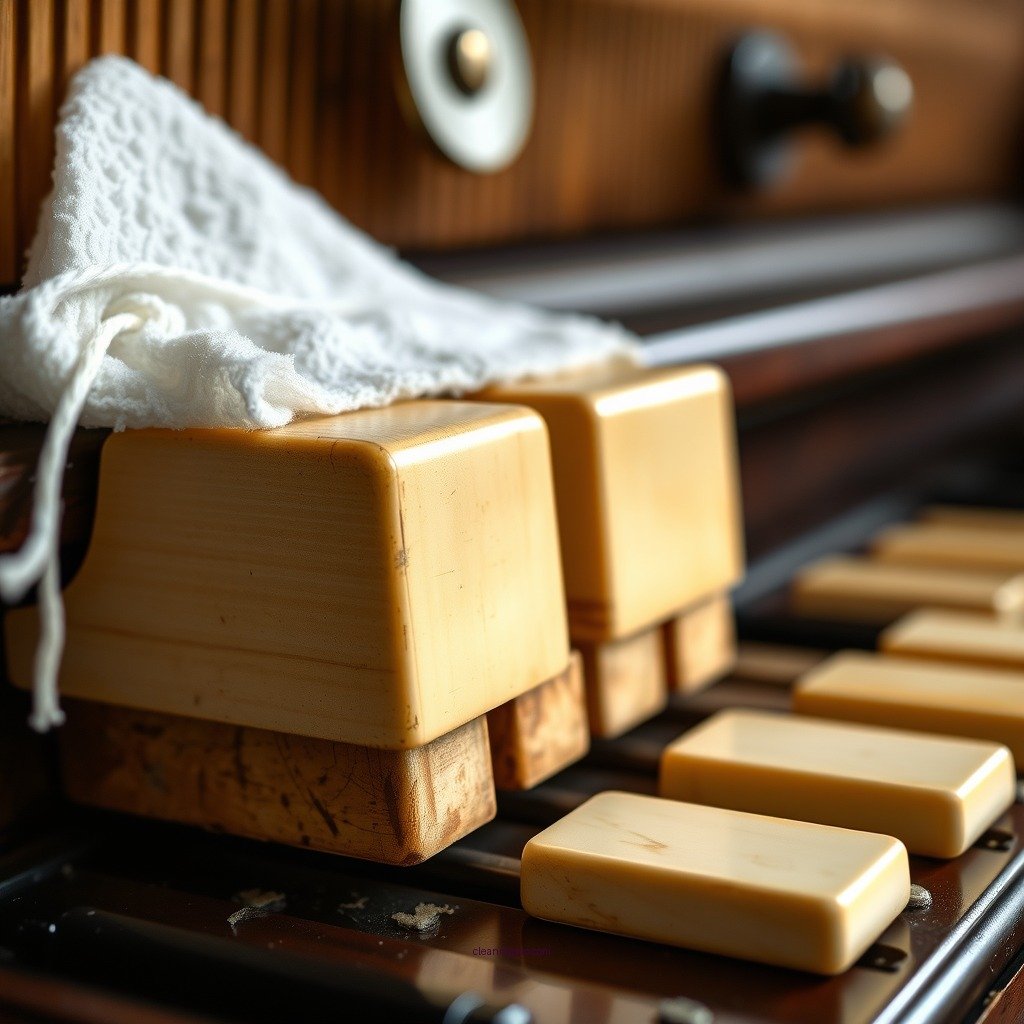
To effectively clean ivory piano keys, you will need a few essential materials:
– Soft, lint-free cloths: These are critical as they prevent scratching the surface of the ivory keys. Microfiber cloths are particularly effective because they are gentle yet efficient at picking up dirt and oils.
– Mild soap or specialized piano key cleaner: Choose a soap that is free from harsh chemicals and fragrances. A specialized piano key cleaner designed for delicate surfaces is ideal, as it is formulated to clean without damaging the ivory.
– Distilled water: Using distilled water helps avoid mineral deposits that can occur from tap water, which is vital for maintaining the pristine condition of the keys.
Having these materials on hand will prepare you to undertake the cleaning process with confidence and care.
Step-by-Step Cleaning Process

Cleaning ivory piano keys is a straightforward process, but it requires careful execution:
1. Dusting the Keys: Begin by gently dusting the keys with a dry, soft cloth. This step is crucial to remove surface dust and debris that could scratch the ivory during the wet cleaning stage.
2. Preparing the Cleaning Solution: Dampen a cloth with your chosen cleaning solution, ensuring it is not soaking wet. Excess moisture can seep into the key joints and cause damage.
3. Wiping the Keys: Using the damp cloth, gently wipe each key from back to front, being careful to avoid any harsh scrubbing. Pay special attention to the sides of the keys where grime tends to accumulate.
4. Drying the Keys: After cleaning, use a dry cloth to wipe down the keys again, ensuring no moisture is left behind. This step helps prevent water damage and keeps the keys looking their best.
5. Final Inspection: Finally, examine the keys for any remaining dirt or stains. If necessary, repeat the process on particularly stubborn areas, using a minimal amount of cleaning solution.
This step-by-step guide will help you keep your ivory piano keys looking pristine and enhance your playing experience.
Special Considerations for Stains
When it comes to stains, identifying the type is key to effective treatment. Common stains on ivory piano keys include grease from fingers, dirt, or even ink from pens. Here’s how to approach different types of stains:
– Grease Stains: For grease or oil stains, a slightly stronger solution may be necessary. Mix a small amount of mild dish soap with distilled water and test a small area first to ensure it does not damage the ivory.
– Dirt and Grime: If the keys are simply dirty, a soft damp cloth with distilled water should suffice. Avoid using excessive pressure, as this may scratch the surface.
– Ink Stains: Ink stains can be more challenging. If you encounter one, use a specialized cleaner that explicitly states it is safe for ivory. Always conduct a patch test in a less visible area first.
By understanding the type of stain and applying the correct cleaning method, you can effectively restore the beauty of your ivory keys.
Preventative Care Tips
Preventing dirt and grime buildup on your ivory piano keys is just as important as cleaning them. Here are some practical tips:
– Regular Dusting: Make it a habit to dust the keys regularly with a soft cloth. This simple practice can significantly reduce the amount of grime that accumulates over time.
– Avoid Eating or Drinking Near the Piano: To minimize the risk of spills or stains, avoid consuming food or beverages near your piano. This will not only protect the keys but also the overall integrity of the instrument.
– Keep the Piano Covered: When not in use, consider covering your piano with a protective cloth. This can shield the keys from dust, moisture, and sunlight, which can cause fading and damage.
By following these preventative measures, you can maintain the pristine condition of your ivory piano keys and ensure they last for many years.
When to Seek Professional Help
While regular maintenance and cleaning can address most issues with ivory keys, there are times when professional help is warranted:
– Deep Staining or Yellowing: If you notice deep stains or yellowing that does not respond to cleaning, it may be time to consult a professional piano technician. They have the expertise and tools to restore ivory effectively.
– Structural Issues: If your ivory keys are loose or have developed any structural issues, a professional technician can ensure they are repaired correctly without causing further damage.
– Uncertainty About Cleaning: If you are unsure about the cleaning process or the solutions to use, don’t hesitate to seek advice from a professional. Protecting your investment and ensuring the longevity of your piano should always be a priority.
In summary, while the care of ivory piano keys may seem daunting, it can be managed effectively with the right methods and materials. Regular maintenance, gentle cleaning techniques, and an understanding of the material will keep your piano’s keys looking beautiful and functioning well.
—
Common Stains on Ivory Piano Keys and Their Solutions
| # | Stain Type | Cleaning Method | Effectiveness |
|---|---|---|---|
| 1 | Grease | Mild soap solution | High |
| 2 | Dirt | Distilled water | Medium |
| 3 | Ink | Specialized cleaner | Low |
| 4 | Food Stains | Mild soap and water | Medium |
| 5 | Mold | Specialized mold remover | Low |
| 6 | Water Stains | Dry cloth and gentle buffing | High |
Effectiveness of Different Cleaning Solutions
Piano Key Cleaning Products Comparison
| Feature | ⭐ Ivory Key Cleaner | Mild Soap | General Surface Cleaner |
|---|---|---|---|
| Targeted for Ivory | ✅ | ✅ | ❌ |
| Non-Chemical Ingredients | ✅ | ✅ | ❌ |
| Ease of Use | Spray & Wipe | Mix & Wipe | Spray |
| Stain Removal Efficiency | High | Medium | Low |
| pH Balanced | ✅ | ✅ | ❌ |
| Price | $15 | $5 | $4 |
| Availability | Specialty Stores | Grocery Stores | General Stores |
| User Ratings | ★★★★☆ | ★★★☆☆ | ★★☆☆☆ |
| 🏆 Best For | Ivory Key Preservation | General Cleaning | Surface Use |
In conclusion, regular maintenance of your ivory piano keys can keep them looking pristine and prolong their lifespan. By following these steps and tips, you’ll be able to enjoy the beauty of your piano for years to come. If you need more assistance, consider reaching out to a professional for advice.
Frequently Asked Questions
How do you properly clean ivory piano keys without damaging them?
To clean ivory piano keys effectively, start by using a soft, dry microfiber cloth to remove dust and debris. For stubborn stains, lightly dampen the cloth with a solution of water and mild soap, ensuring it’s not too wet. Gently wipe the keys and dry them immediately to prevent moisture damage.
What household items can be used to clean ivory piano keys?
You can use a mixture of warm water and a few drops of mild dish soap as a gentle cleaning solution for ivory piano keys. Additionally, a soft toothbrush can help reach the crevices, while a mixture of vinegar and water can be effective for tougher stains, but should be used sparingly and followed by immediate drying.
Why is it important to clean ivory piano keys regularly?
Regularly cleaning ivory piano keys is crucial to maintain their appearance and functionality. Dust, oils from fingers, and moisture can cause discoloration and degradation over time, leading to a dull appearance and potential damage. Keeping them clean ensures a longer lifespan and enhances the overall sound quality of the piano.
What are the best practices for maintaining ivory piano keys after cleaning?
After cleaning ivory piano keys, it’s best to avoid exposing them to direct sunlight and high humidity, as these conditions can lead to yellowing and warping. Regularly dusting the keys with a soft cloth and using a piano cover when not in use can help protect them from environmental damage and keep them looking pristine.
Which products should be avoided when cleaning ivory piano keys?
When cleaning ivory piano keys, avoid using harsh chemicals, bleach, or abrasive cleaners, as they can cause irreversible damage to the delicate surface. Additionally, stay away from any products containing silicone, which can leave a residue and attract more dirt. Always opt for gentle, natural cleaning solutions to preserve the integrity of the ivory.
References
- 4 Ways to Clean Ivory Piano Keys – wikiHow
https://www.wikihow.com/Clean-Ivory-Piano-Keys - Piano | Definition, History, Types, & Facts | Britannica
https://www.britannica.com/art/piano - https://www.nature.com/articles/s41598-019-43998-4
https://www.nature.com/articles/s41598-019-43998-4 - https://www.pubmed.ncbi.nlm.nih.gov/31521711/
https://www.pubmed.ncbi.nlm.nih.gov/31521711/ - https://www.sciencedirect.com/science/article/pii/S235197891630018X
https://www.sciencedirect.com/science/article/pii/S235197891630018X - Google Scholar Google Scholar
https://scholar.google.com/scholar?q=cleaning+ivory+piano+keys - Google Scholar Google Scholar
https://scholar.google.com/scholar?q=ivory+piano+key+maintenance - Google Scholar Google Scholar
https://scholar.google.com/scholar?q=piano+care+and+cleaning - https://www.mayoclinic.org/healthy-lifestyle/adult-health/expert-answers/cleaning-ivory/faq-20057808
https://www.mayoclinic.org/healthy-lifestyle/adult-health/expert-answers/cleaning-ivory/faq-20057808 - Western Washington University
https://www.wwu.edu/