How Much Clear Coat Do You Need for a Car?
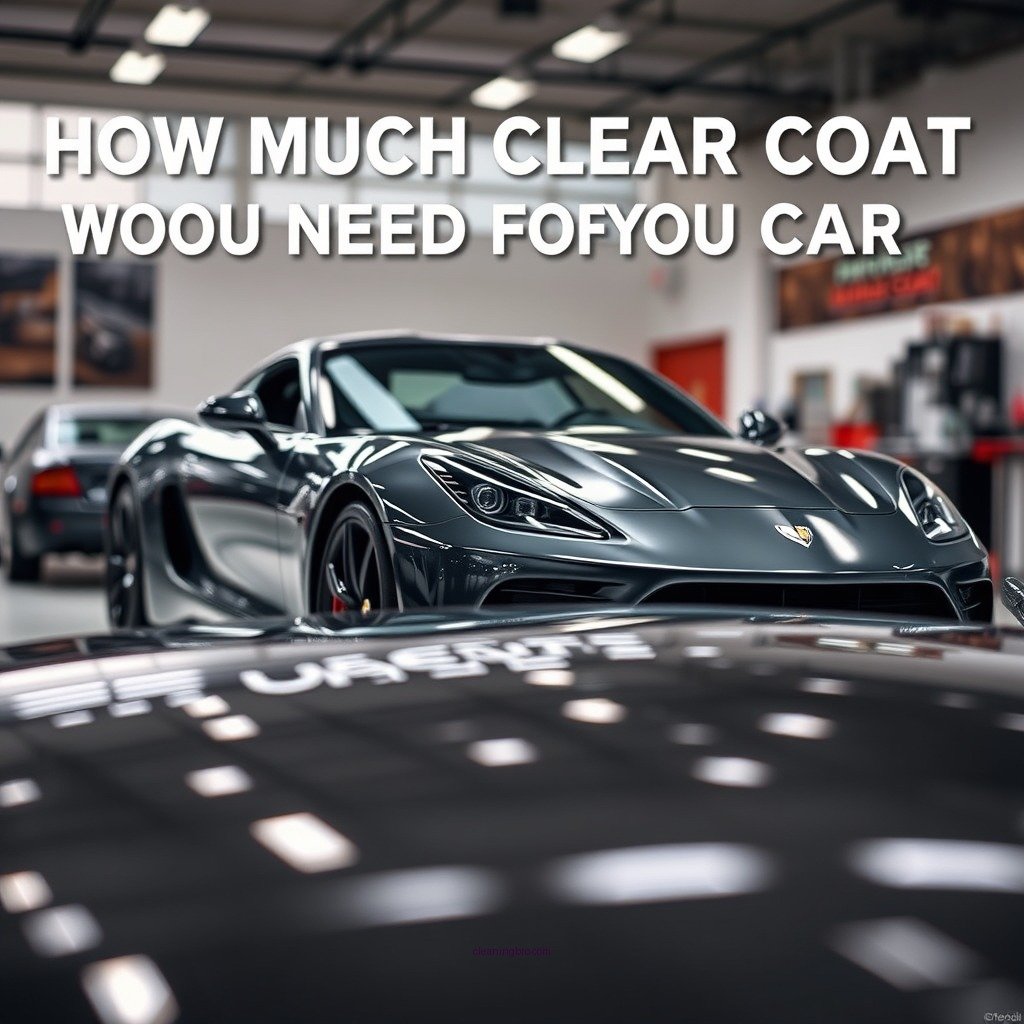
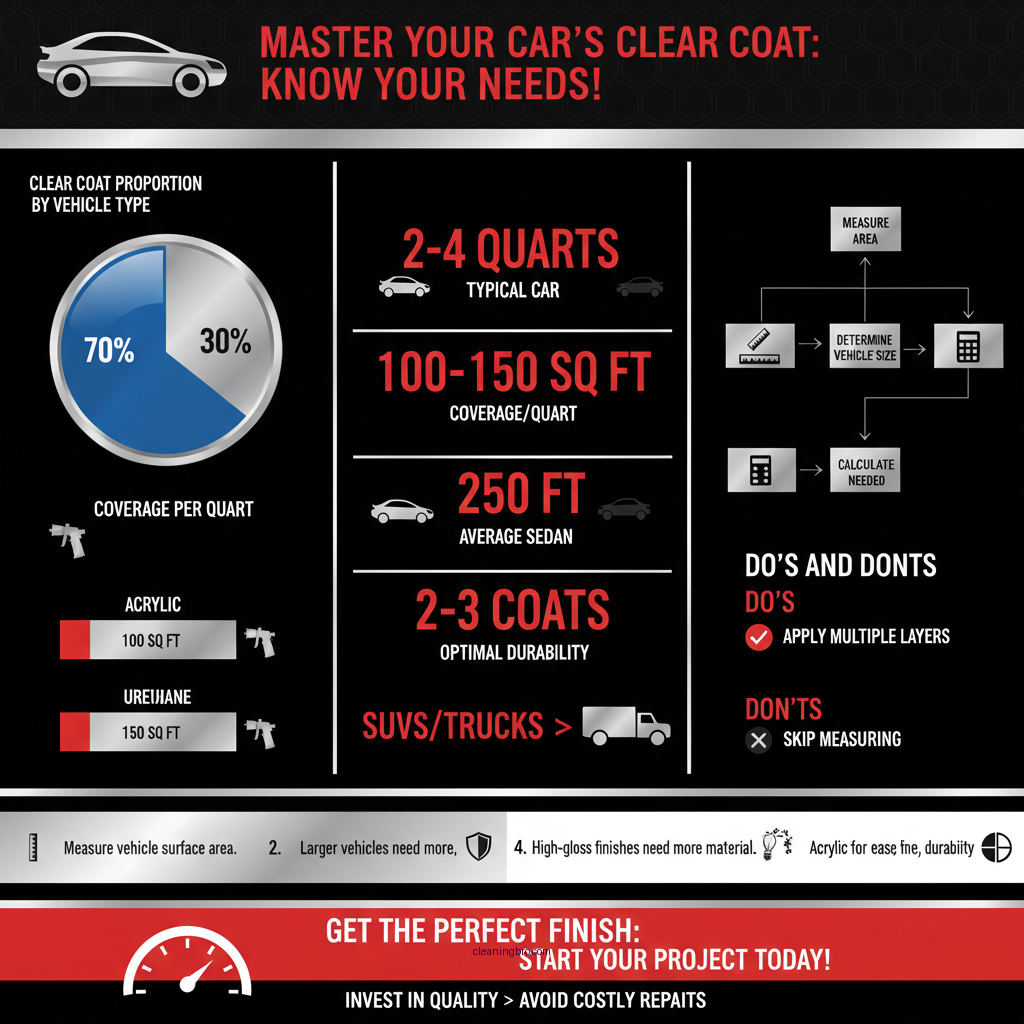
To achieve a professional finish on your car’s paint job, you’ll typically need around 2 to 4 quarts of clear coat, depending on the size of the vehicle and the number of layers you plan to apply. Understanding the right amount of clear coat is crucial for ensuring that your vehicle’s paint job is both aesthetically pleasing and durable. This article will guide you through the factors that influence the amount of clear coat necessary, along with tips for effective application.
Understanding Clear Coat
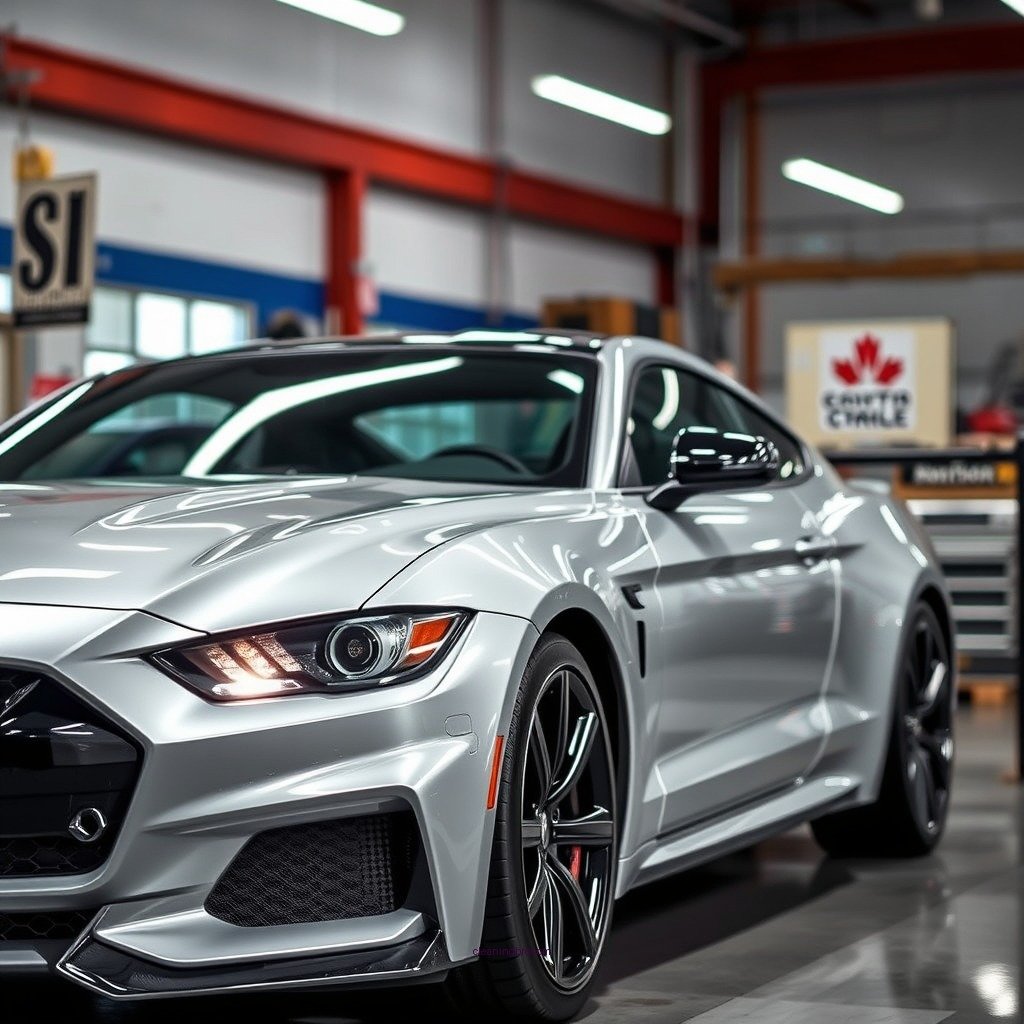
Clear coat serves as a protective barrier over automotive paint, enhancing both its durability and shine. It protects the underlying paint from environmental elements such as UV rays, acid rain, and road debris, which can cause fading and erosion over time. Typically available in two main types—acrylic and urethane—each has distinct properties that can affect coverage and finish. Acrylic clear coats are generally easier to work with and dry quickly, while urethane offers superior durability and chemical resistance. The choice between these types can influence how much clear coat is needed and the final appearance of the paint job.
Factors Influencing Clear Coat Amount
Several factors play a critical role in determining the quantity of clear coat necessary for your vehicle:
– Size of the Vehicle: Larger vehicles like SUVs and trucks require more clear coat compared to smaller cars. The surface area directly correlates with the amount of material needed to cover it adequately.
– Number of Layers: The complexity of the paint job can significantly affect how much clear coat you will need. If you plan to apply multiple layers for added depth and protection, you will require more clear coat. Generally, a minimum of two coats is recommended for optimal results.
– Desired Finish: A high-gloss finish may require additional layers of clear coat compared to a matte finish, which might need less material.
Understanding these factors will help you better estimate your clear coat requirements.
Calculating Coverage
A standard quart of clear coat typically covers approximately 100 to 150 square feet of surface area. To calculate how much clear coat you’ll need, measure your vehicle’s surface area. For example, a sedan usually has a surface area of about 250 square feet, which would generally necessitate 2-3 quarts of clear coat if you plan on applying two coats. If you’re working on larger vehicles, like trucks or vans, ensure you adjust your calculations accordingly.
Example Calculation:
– Vehicle Surface Area: 250 square feet
– Coverage per Quart: 125 square feet (average)
– Total Quarts Required: 250 sq ft / 125 sq ft per quart = 2 quarts
This simple formula allows you to plan accurately and avoid running out of materials mid-project.
Application Techniques
The application technique you choose will also affect how much clear coat you use. Spray application is the most common method for applying clear coat, as it provides an even finish. A high-quality spray gun can help achieve a smooth application, leading to better coverage and reduced overspray.
When applying clear coat, it is essential to:
– Maintain Consistency: Apply thin, even coats rather than one thick layer. This approach minimizes the risk of runs and drips.
– Adjust Pressure Settings: If using a spray gun, ensure the pressure settings are appropriate to prevent excessive overspray.
Using a paint gun not only improves the application quality but can also lead to more efficient use of your materials.
Tips for Applying Clear Coat
To ensure the best results when applying clear coat, keep these tips in mind:
– Ventilation: Always work in a well-ventilated area to avoid inhaling fumes and ensure safe working conditions.
– Follow Manufacturer’s Instructions: Each clear coat may have specific mixing and application requirements. Adhering to these guidelines is essential for achieving optimal results.
– Temperature and Humidity: Ideal conditions for applying clear coat are typically between 70°F and 80°F with low humidity. Extreme temperatures can affect the curing process.
By following these practical tips, you can maximize the effectiveness of your clear coat application.
Common Mistakes to Avoid
When applying clear coat, certain pitfalls can detract from your results:
– Applying Too Thick of a Coat: This can lead to runs and drips, negatively impacting the finish. Always apply multiple thin coats instead of one thick layer.
– Skipping Surface Preparation: Properly preparing the surface is crucial for adhesion. Ensure that the area is clean, dry, and free of contaminants before application.
– Neglecting Curing Time: Rushing through the curing process can lead to issues with adhesion and finish quality. Allow the clear coat to cure fully as per the manufacturer’s recommendations.
Avoiding these mistakes will help you achieve a flawless finish on your vehicle.
Final Thoughts on Clear Coat Application
Choosing a high-quality clear coat is essential for providing the best protection and aesthetic appeal for your vehicle’s paint job. The right clear coat can enhance the longevity and appearance of your paint, ensuring it remains vibrant for years to come. Remember, patience is key; don’t rush through the process. Allowing adequate curing time is critical for durability and performance.
In summary, understanding how much clear coat you need for your car involves considering factors such as vehicle size, the number of layers, and application techniques. By measuring accurately and planning your project carefully, you can achieve a beautiful and lasting finish. For further tips and detailed guidance, explore additional resources on automotive painting.
Clear Coat Coverage Based on Vehicle Type (2024)
| # | Vehicle Type | Surface Area (sq ft) | Quarts of Clear Coat Needed |
|---|---|---|---|
| 1 | Sedan | 250 | 2 |
| 2 | Coupe | 220 | 2 |
| 3 | Hatchback | 230 | 2 |
| 4 | SUV | 350 | 3 |
| 5 | Truck | 400 | 4 |
| 6 | Minivan | 375 | 4 |
| 7 | Convertible | 300 | 3 |
Clear Coat Application Coverage
Best Clear Coats: A Comparison
| Feature | ⭐ 3M Clear Coat | DuPont Clear Coat | House of Kolor Clear Coat |
|---|---|---|---|
| Durability | Excellent | Good | Very Good |
| UV Protection | ✅ High | ✅ Moderate | ✅ High |
| Ease of Application | Spray | Brush/Spray | Spray |
| Curing Time | 2-3 hrs | 2-4 hrs | 2-3 hrs |
| Finish Quality | High Gloss | Glossy | Deep Gloss |
| Price | $25/qt | $20/qt | $30/qt |
| Availability | Widely Available | Widely Available | Specialty Stores |
| User Ratings | ★★★★☆ | ★★★☆☆ | ★★★★☆ |
| Warranty | Limited | Limited | Lifetime |
| 🏆 Best For | Professional Finish | Budget Users | Custom Paint Jobs |
Frequently Asked Questions
How much clear coat do I need for a full car repaint?
For a full car repaint, you’ll typically need about 2 to 3 quarts of clear coat. This amount allows for multiple coats to ensure proper coverage and durability. It’s important to apply at least two to three layers for optimal protection and a glossy finish.
What is the best clear coat for automotive use?
The best clear coat for automotive use often depends on your specific needs, but high-quality options like 2K urethane clear coats are highly recommended. These provide excellent durability and UV protection, ensuring your car’s paint job lasts longer and resists fading. Brands like PPG and House of Kolor are popular among professionals for their reliability and finish quality.
How do I apply clear coat to my car properly?
To apply clear coat properly, start by ensuring the surface is clean and free of dust. Use a spray gun for even application, applying thin coats and allowing each layer to dry before adding the next. Aim for 2 to 3 coats for a smooth, professional finish while adhering to the manufacturer’s instructions for drying times and conditions.
Why is clear coat important for automotive paint?
Clear coat is crucial for automotive paint because it protects the underlying color from UV rays, chemicals, and environmental contaminants. This layer enhances the gloss and depth of the paint while providing a barrier against scratches and chips. Without a clear coat, the paint can deteriorate quickly and lose its vibrant appearance.
Which clear coat should I choose for a DIY car project?
For a DIY car project, consider choosing a user-friendly, aerosol clear coat if you’re a beginner, as it provides controlled application and less chance of runs. Brands like Dupli-Color and Rust-Oleum offer affordable and effective options for DIY enthusiasts. If you’re more experienced, a 2K urethane clear coat might offer better durability and finish quality for a long-lasting result.
References
- Automotive paint
https://en.wikipedia.org/wiki/Clear_coat - Google Scholar Google Scholar
https://scholar.google.com/scholar?q=how+much+clear+coat+for+a+car - https://pubmed.ncbi.nlm.nih.gov/
https://pubmed.ncbi.nlm.nih.gov/ - https://www.sciencedirect.com/topics/materials-science/clear-coat
https://www.sciencedirect.com/topics/materials-science/clear-coat - https://www.britannica.com/science/clear-coat
https://www.britannica.com/science/clear-coat - Google Scholar Google Scholar
https://scholar.google.com/scholar?q=clear+coat+application+automobiles - https://www.nature.com/articles
https://www.nature.com/articles - https://www.cdc.gov/niosh/topics/paints.html
https://www.cdc.gov/niosh/topics/paints.html - https://www.ncbi.nlm.nih.gov/pmc/articles/PMC5555554/
https://www.ncbi.nlm.nih.gov/pmc/articles/PMC5555554/ - how much clear coat for a car – Search results
https://en.wikipedia.org/wiki/Special:Search?search=how+much+clear+coat+for+a+car