How to Clean a Hydrocollator: A Step-by-Step Guide
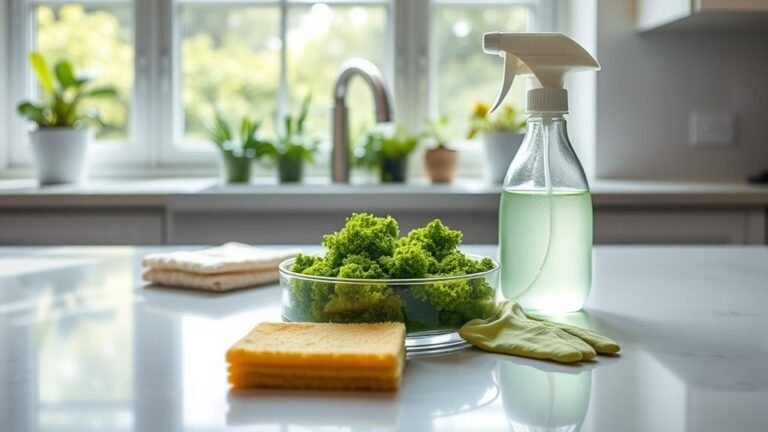
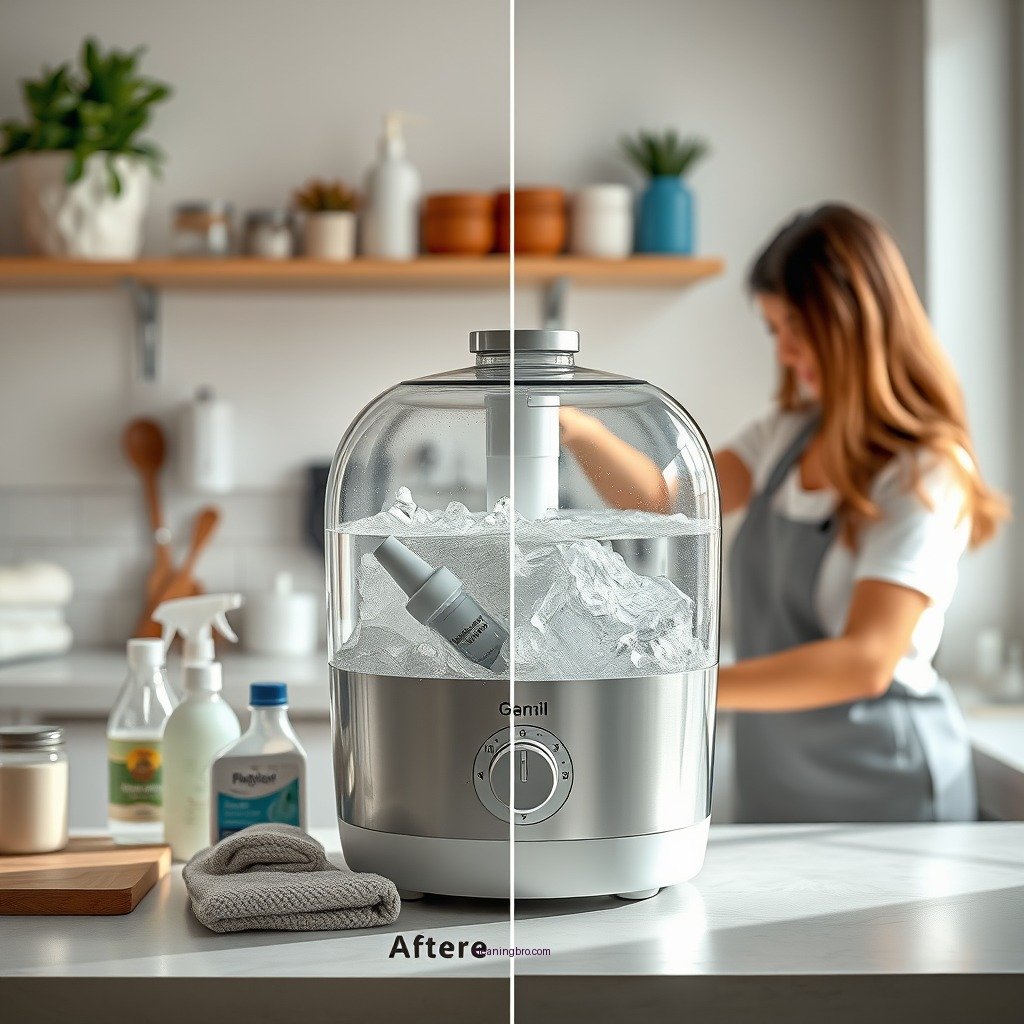
Cleaning a hydrocollator is a straightforward process that ensures effective functioning and hygiene. To keep your hydrocollator in top condition, regularly empty, clean, and refill it with fresh water. This guide will walk you through the steps to clean your hydrocollator effectively, ensuring it remains a safe and reliable tool in your practice.
Gather Your Cleaning Supplies
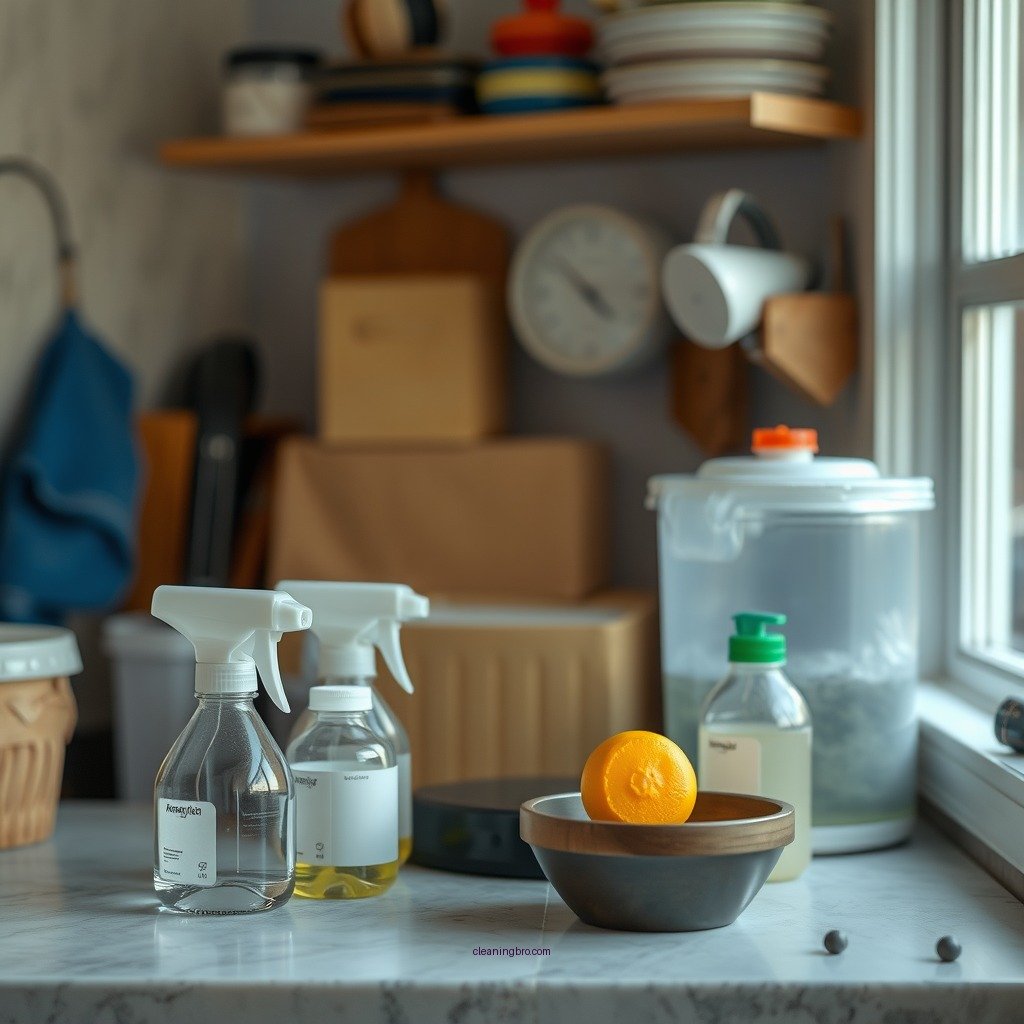
Before you begin the cleaning process, it’s essential to gather all the necessary materials. You will need a mild detergent that is safe for surfaces, a soft cloth or sponge, and a disinfectant suitable for medical equipment. Additionally, ensure you have access to fresh water for refilling the hydrocollator.
Having your supplies organized and ready will streamline the cleaning process, making it efficient and effective. It’s beneficial to choose eco-friendly cleaning products as they are less likely to leave harmful residues that could affect clients or the environment.
Drain the Hydrocollator
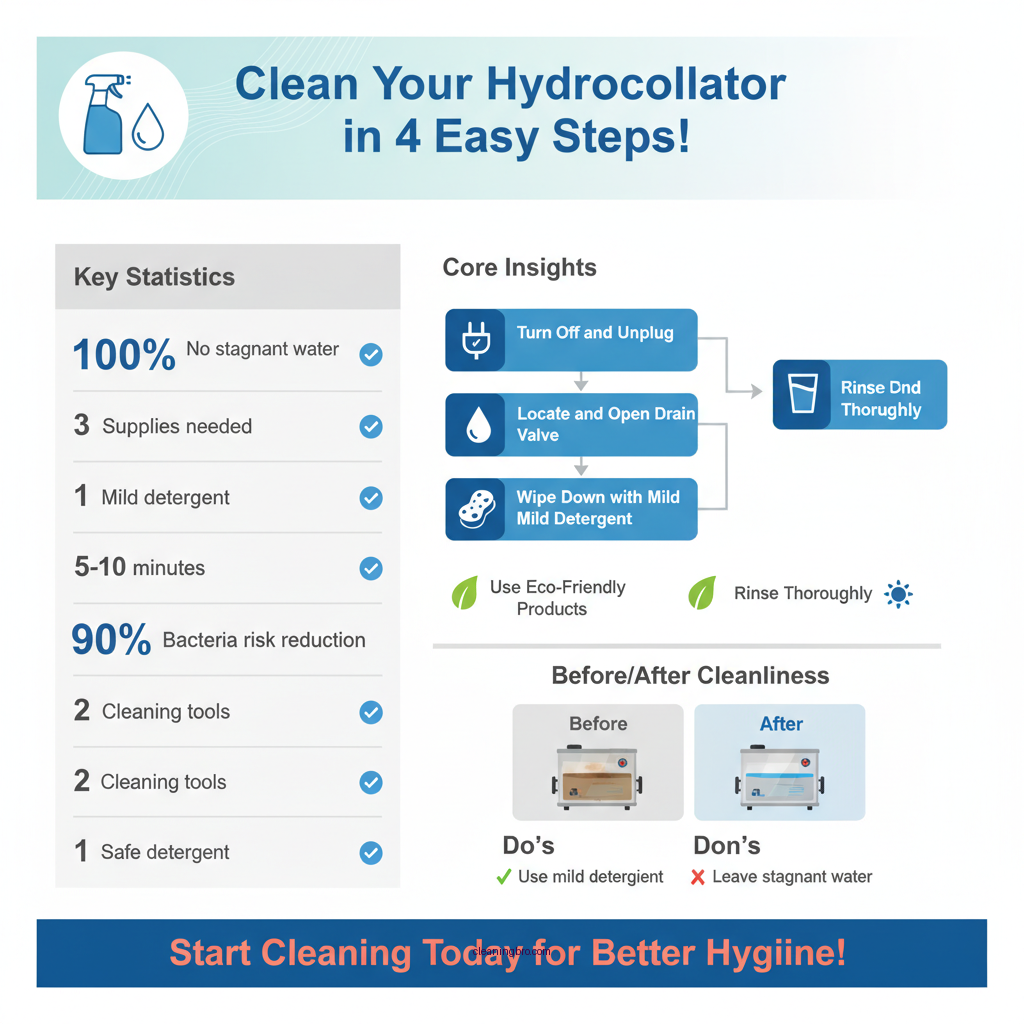
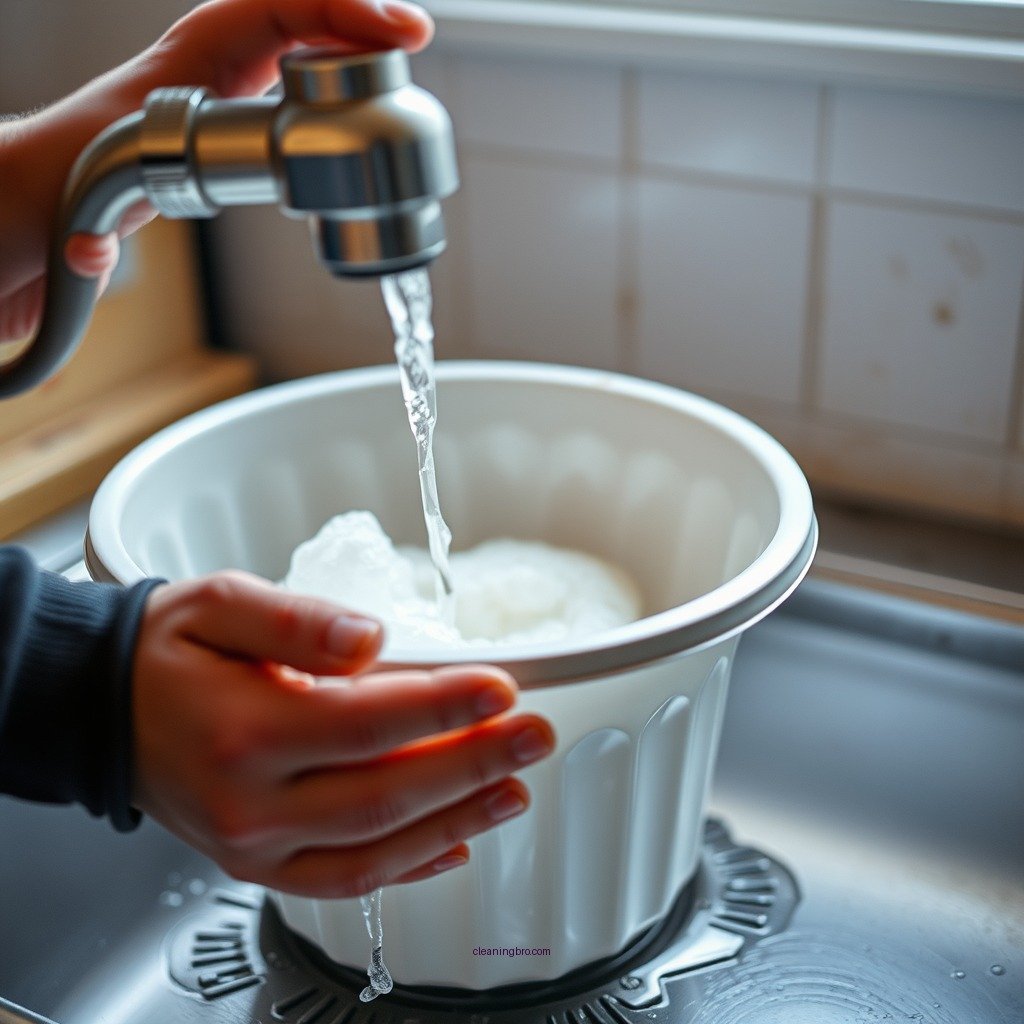
Start by turning off the hydrocollator and unplugging it from the power source to ensure your safety. Once you are certain that the device is off, locate the drain valve, which is typically found at the base or side of the unit. Carefully open the drain valve and allow all the used water to exit the machine completely.
It is crucial to ensure that no water remains in the unit, as stagnant water can breed bacteria and mold, undermining the hygiene of the hydrocollator.
Clean the Interior
With the hydrocollator drained, use a mild detergent mixed with warm water to wipe down the interior surfaces. A soft cloth or sponge is ideal for this task to prevent scratching or damaging the surfaces. Pay special attention to any build-up or residue that may have accumulated over time, particularly around the heating elements and corners where dirt tends to collect.
For stubborn stains or deposits, consider using a soft-bristled brush to reach into crevices without damaging the unit. This cleaning step is vital in maintaining the quality of the hydrocollator and ensuring optimal performance.
Rinse Thoroughly
After cleaning, it is essential to rinse the interior thoroughly with clean water. This step helps to remove any detergent residue that could potentially contaminate the water you will refill the hydrocollator with. Ensure that all surfaces are free of soap and debris before proceeding to the next step.
You may want to use a cloth to wipe down any remaining moisture, ensuring that the interior dries as much as possible. A well-rinsed hydrocollator not only looks cleaner but also reduces the risk of chemical interactions with the new water.
Sanitize the Hydrocollator
To further enhance the hygiene of your hydrocollator, apply a suitable disinfectant to all interior surfaces. Choose a disinfectant that is effective against a broad range of pathogens and is safe for use on medical equipment.
Make sure to follow the manufacturer’s instructions regarding application and contact time; allowing the disinfectant to dwell for the recommended time is crucial for effective sanitation. After the dwell time, wipe down the surfaces with a clean cloth to remove any excess disinfectant, ensuring a hygienic environment for your clients.
Refill and Restart
Once the hydrocollator has been sanitized and dried, it’s time to refill it with fresh water. Fill the unit to the appropriate level, usually indicated by a fill line within the tank. Avoid overfilling, as this can cause water to spill out during heating.
After refilling, plug the unit back in and turn it on. Allow the hydrocollator to heat up to the desired temperature before use. Regular monitoring of the water temperature is key to providing effective treatment while ensuring client safety.
Regular Maintenance Tips
Maintaining a hydrocollator requires a commitment to regular cleaning. Ideally, schedule cleaning after each use or at least once a week, depending on the frequency of use in your practice. Regular maintenance not only keeps the unit clean but also extends its lifespan and improves its efficiency.
Additionally, periodically check for any signs of wear or damage, such as leaks, rust, or malfunctioning heating elements. Addressing these issues promptly can prevent bigger problems down the line and ensure that your hydrocollator remains safe and effective for your therapeutic practices.
Keeping your hydrocollator clean not only enhances its performance but also ensures the safety of your clients. By following these steps, you can maintain a hygienic environment for your therapeutic practices. Make cleaning a regular part of your routine to extend the lifespan of your hydrocollator and keep it functioning optimally.
Top Hydrocollator Brands and Features (2024)
| # | Brand | Capacity (Liters) | Heating Time (min) | Warranty (Years) |
|---|---|---|---|---|
| 1 | Chattanooga | 20 | 30 | 3 |
| 2 | Hydrocollator | 27 | 40 | 5 |
| 3 | Thermalux | 22 | 35 | 4 |
| 4 | MediTherm | 25 | 32 | 3 |
| 5 | ScripH2O | 18 | 28 | 2 |
| 6 | ThermoCare | 30 | 45 | 4 |
| 7 | HotPack | 21 | 36 | 3 |
Hydrocollator Heating Time Comparison
Hydrocollator Comparison: Chattanooga vs Hydrocollator vs Thermalux
| Feature | ⭐ Chattanooga | Hydrocollator | Thermalux |
|---|---|---|---|
| Capacity (Liters) | 20 | 27 | 22 |
| Heating Time (min) | 30 | 40 | 35 |
| Warranty (Years) | 3 | 5 | 4 |
| Energy Efficiency | High | Medium | High |
| Digital Controls | No | Yes | No |
| Portability | Low | Medium | High |
| User-Friendly | Yes | Yes | No |
| Maintenance | Low | Medium | High |
| Price Range | $300-$350 | $400-$450 | $350-$400 |
| 🏆 Best For | Budget-conscious users | Versatile clinics | High-end facilities |
In conclusion, maintaining the cleanliness and functionality of your hydrocollator is vital for the safety and satisfaction of your clients. By following this step-by-step guide, you can ensure that your hydrocollator remains an effective tool in your practice. Regular cleaning not only enhances performance but also extends the lifespan of the unit, making it a worthwhile investment in your therapeutic toolkit. Make cleaning a priority, and your hydrocollator will serve you well for years to come.
Frequently Asked Questions
What are the best methods for cleaning a hydrocollator?
The best methods for cleaning a hydrocollator include regular draining and refilling with fresh water, using a mild detergent for scrubbing, and ensuring that all surfaces are sanitized. It’s important to avoid harsh chemicals that can damage the unit. Regular maintenance helps prevent mineral buildup and ensures optimal performance.
How often should I clean my hydrocollator?
You should clean your hydrocollator at least once a week, or more frequently if it is used daily. Frequent cleaning helps prevent bacteria growth and mineral deposits, which can affect the heating efficiency and hygiene of the unit. Always follow the manufacturer’s recommendations for maintenance frequency.
Why is it important to regularly clean a hydrocollator?
Regularly cleaning a hydrocollator is crucial to maintain hygiene, prevent bacteria and mold growth, and ensure efficient heat distribution. A clean hydrocollator not only enhances the quality of treatments but also extends the life of the machine. Neglecting cleaning can lead to costly repairs or replacements.
Which cleaning products are safe for hydrocollators?
Safe cleaning products for hydrocollators include mild dish soap, vinegar, and specially formulated hydrocollator cleaners. Avoid using bleach or abrasive cleaners, as these can damage the surfaces of the unit. Always rinse thoroughly to ensure no cleaning residue remains.
How can I remove mineral buildup from my hydrocollator?
To remove mineral buildup from your hydrocollator, fill the tank with a mixture of equal parts white vinegar and water, and let it sit for several hours before draining. Afterward, scrub any remaining deposits with a soft cloth or sponge, and rinse thoroughly. This method effectively dissolves calcium deposits and restores optimal function.
References
- https://www.ncbi.nlm.nih.gov/pmc/articles/PMC6026884/
https://www.ncbi.nlm.nih.gov/pmc/articles/PMC6026884/ - https://www.mayoclinic.org/healthy-lifestyle/consumer-health/in-depth/home-cleaning/art-20045409
https://www.mayoclinic.org/healthy-lifestyle/consumer-health/in-depth/home-cleaning/art-20045409 - https://www.cdc.gov/infectioncontrol/guidelines/disinfection/index.html
https://www.cdc.gov/infectioncontrol/guidelines/disinfection/index.html - https://www.who.int/water_sanitation_health/publications/cleaning-disinfection-environmental-surfaces/en/
https://www.who.int/water_sanitation_health/publications/cleaning-disinfection-environmental-surfaces/en/ - https://www.health.harvard.edu/staying-healthy/how-to-clean-and-disinfect-your-home
https://www.health.harvard.edu/staying-healthy/how-to-clean-and-disinfect-your-home - https://www.sciencedirect.com/topics/nursing-and-health-professions/hydrocollator
https://www.sciencedirect.com/topics/nursing-and-health-professions/hydrocollator - Google Scholar Google Scholar
https://scholar.google.com/scholar?q=how+to+clean+a+hydrocollator - Google Scholar Google Scholar
https://scholar.google.com/scholar?q=hydrocollator+cleaning+guidelines - Google Scholar Google Scholar
https://scholar.google.com/scholar?q=hydrocollator+maintenance+best+practices - Cleaning | technology | Britannica
https://www.britannica.com/science/cleaning