How to Clean a Sand Filter for Your Pool
Cleaning a sand filter for your pool is essential for maintaining clear and healthy water. The process typically involves backwashing the filter, rinsing it, and performing periodic sand replacement. In this article, we’ll guide you through the steps to effectively clean your sand filter and keep your pool in top condition.
Understanding Your Sand Filter

A sand filter operates by utilizing sand as a filtration medium to trap dirt, debris, and other contaminants from the pool water. Water flows through the sand, which captures particles, allowing clean water to return to the pool. The efficiency of this system depends not only on the quality of the sand but also on regular maintenance. Neglecting your sand filter can lead to cloudy water, algae growth, and increased pressure in the system, which can strain the pump and lead to costly repairs. Regular maintenance ensures your pool remains inviting and safe for all swimmers.
Preparing for the Cleaning Process

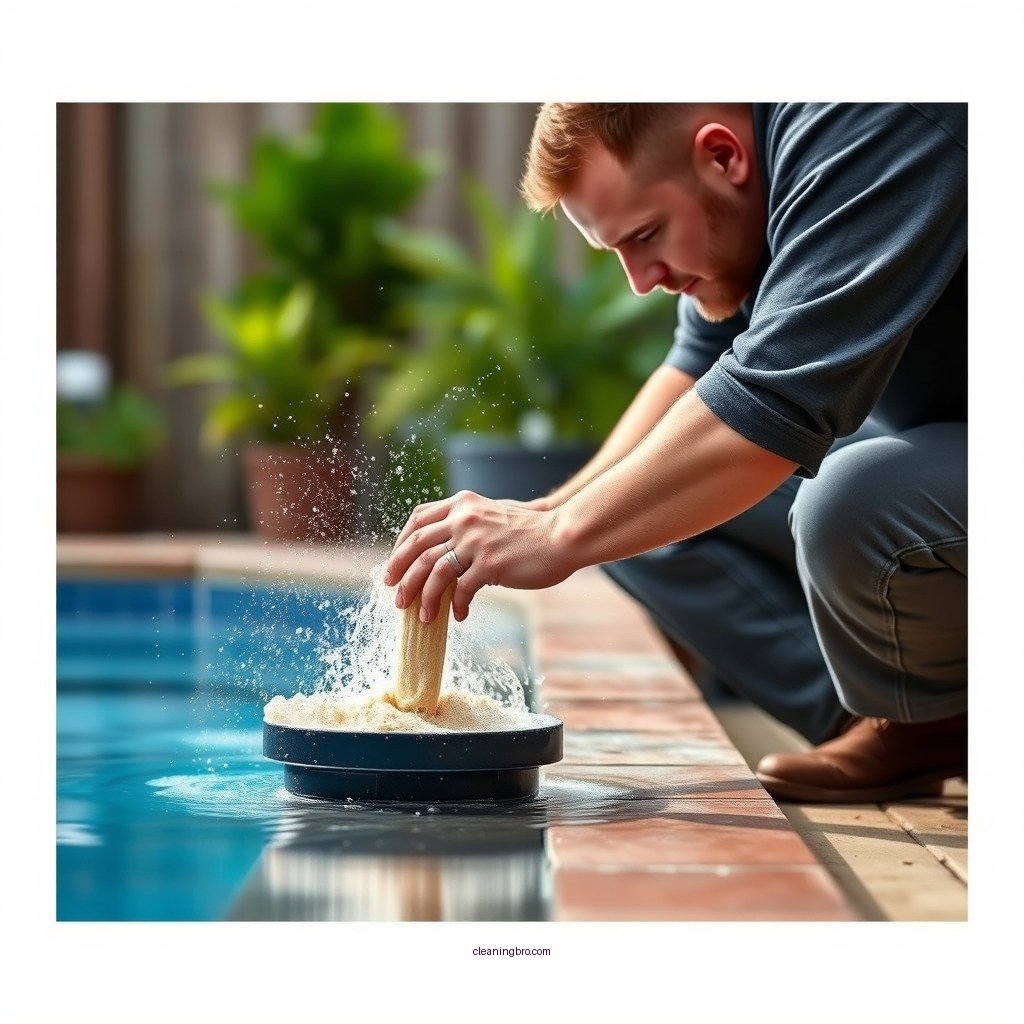
Before you begin the cleaning process, it’s important to gather all necessary tools and materials. You will need:
– A garden hose for rinsing
– A pair of gloves to protect your hands
– A bucket (optional) for collecting sand if you plan to replace it
– A backwash hose, if not already attached
Most importantly, ensure the pool pump is turned off to prevent any accidents during cleaning. This step is crucial for your safety, as working on electrical equipment while it is powered can lead to severe injuries.
Backwashing the Sand Filter
Backwashing is the first step in cleaning your sand filter and is crucial for removing the debris that has accumulated in the sand. Here’s how to do it:
1. Turn off the pool pump before starting the process.
2. Set the filter valve to ‘Backwash’. This setting reverses the flow of water, sending it through the sand in the opposite direction, which dislodges dirt and debris.
3. Turn the pump back on and let it run for 2-3 minutes or until the water in the sight glass turns clear.
4. Turn the pump off again and reset the valve to ‘Filter’.
5. Turn the pump back on to return to normal operation.
Signs that indicate when backwashing is needed include an increase in pressure on the gauge (typically 8-10 psi above the normal operating range) or if the water in your pool appears cloudy.
Rinsing the Filter
After backwashing, it is essential to rinse the filter to ensure that any remaining dirt is expelled from the system. Follow these steps:
1. Set the valve to ‘Rinse’.
2. Turn on the pump and allow it to run for 1-2 minutes.
3. Check the sight glass; if the water is clear, you can proceed to the next step.
4. Switch the valve back to ‘Filter’ once rinsing is complete.
Rinsing is significant as it helps to settle the sand back into place and prepare it for efficient filtration. Skipping this step can lead to dirty water returning to the pool.
Checking and Replacing Sand
Over time, sand can become less effective due to clogging or breakdown. Indicators that your sand needs replacement include:
– Persistent cloudy water despite regular cleaning
– A noticeable increase in pressure on the filter gauge
– Sand appearing in the pool
To replace the sand, follow these steps:
1. Turn off the pump and set the valve to ‘Drain’.
2. Remove the skimmer lid and the filter lid to access the sand.
3. Scoop out the old sand using a bucket or vacuum. Be careful not to damage the laterals at the bottom of the filter.
4. Rinse the tank with water to remove debris.
5. Add new sand, ensuring it meets the manufacturer’s specifications (usually #20 silica sand).
6. Reassemble the filter, turn the pump back on, and backwash again to settle the new sand.
Replacing the sand every 3-5 years is crucial for maintaining filtration efficiency.
Final Steps After Cleaning
After cleaning and possibly replacing the sand, it’s time to restart the filter. Follow these steps:
1. Turn the pump back on and monitor the pressure gauge.
2. Check for leaks around the filter and fittings to ensure everything is sealed properly.
3. Observe the water clarity over the next few days. If issues persist, further investigation may be needed.
To prolong the lifespan of your sand filter, consider implementing regular maintenance schedules, including checking and cleaning the skimmer and pump baskets, monitoring water chemistry, and performing routine backwashing.
Troubleshooting Common Issues
While cleaning your sand filter, you may encounter some common issues, such as:
– High pressure readings: This could indicate a clogged filter, requiring backwashing or sand replacement.
– Cloudy water: If your water remains cloudy after cleaning, check the chemical balance and ensure all components are functioning correctly.
– Leaks around the filter: This could be due to worn-out seals or improper assembly. Check all connections and replace any faulty parts.
If issues persist, consult a pool professional for in-depth troubleshooting.
Keeping your sand filter clean is crucial for ensuring your pool remains sparkling and inviting. By following these steps regularly, you can enhance the efficiency of your filtration system and enjoy a clean swimming environment. Remember to maintain a routine cleaning schedule and consult your filter’s manual for specific instructions. Happy swimming!
Top 7 Sand Filter Brands by Market Share (2024)
| # | Brand | Market Share (%) | Founded | Warranty |
|---|---|---|---|---|
| 1 | Hayward | 35% | 1925 | 3 years |
| 2 | Intex | 25% | 1968 | 2 years |
| 3 | Pentair | 20% | 1973 | 3 years |
| 4 | Blue Wave | 10% | 1982 | 1 year |
| 5 | Waterco | 5% | 1980 | 2 years |
| 6 | SANDMAN | 3% | 1995 | 1 year |
| 7 | Aquaflo | 2% | 2000 | 1 year |
Sand Filter Market Share by Brand (2024)
Hayward vs. Intex vs. Pentair: Sand Filter Comparison
| Feature | ⭐ Hayward | Intex | Pentair |
|---|---|---|---|
| Price | $450 | $250 | $500 |
| Flow Rate | 60 GPM | 45 GPM | 70 GPM |
| Sand Capacity | 200 lbs | 100 lbs | 250 lbs |
| Warranty | 3 years | 2 years | 3 years |
| Filter Type | Sand | Sand | Sand |
| Suitable Pool Size | Up to 30,000 gallons | Up to 15,000 gallons | Up to 35,000 gallons |
| Maintenance | Low | Medium | Low |
| Customer Rating | ★★★★☆ | ★★★☆☆ | ★★★★☆ |
| Best For | Large pools | Budget users | Efficiency seekers |
In conclusion, maintaining a clean sand filter is crucial for the health of your pool and the enjoyment of its users. By following the outlined steps for cleaning, rinsing, and periodically replacing sand, you can ensure your filtration system operates efficiently. Regular maintenance not only enhances water clarity but also prolongs the lifespan of your equipment. Always remember to monitor your pool’s water quality and address any issues promptly for a safe and pleasant swimming experience.
Frequently Asked Questions
How often should I clean my sand filter for a pool?
You should clean your sand filter every 4 to 6 weeks during the swimming season, or whenever the pressure gauge indicates a rise of 8 to 10 psi above the normal operating level. Regular cleaning helps maintain optimal water clarity and circulation, ensuring your pool remains safe and enjoyable.
What are the steps to properly clean a sand filter for my pool?
To clean a sand filter, first turn off the pump and set the valve to “backwash.” Next, run the pump for 2-3 minutes to flush out debris. After backwashing, switch the valve to “rinse” for about 1 minute to settle the sand, then return the filter to the “filter” position and restart the pump. This process ensures your sand filter operates efficiently.
Why is it important to clean my pool’s sand filter?
Cleaning your pool’s sand filter is crucial because it removes trapped dirt, algae, and debris that can hinder filtration efficiency. A clean filter helps maintain water clarity, reduces the risk of algae growth, and prolongs the lifespan of the filter system, ensuring a healthier swimming environment.
Which cleaning products are best for maintaining a sand filter?
The best cleaning products for maintaining a sand filter include filter sand cleaner solutions specifically designed to break down oils and debris. Look for biodegradable options that won’t harm the pool chemistry. Additionally, regular use of a clarifier can help keep your filter cleaner for longer periods.
How do I know when my sand filter needs cleaning?
You will know your sand filter needs cleaning when the pressure gauge shows an increase of 8-10 psi above the normal operating range or when water flow decreases significantly. Additionally, if your pool water appears cloudy or has a green tint, it may indicate that the filter is not functioning effectively and requires cleaning.
References
- Sand filter
https://en.wikipedia.org/wiki/Sand_filter - https://www.extension.purdue.edu/extmedia/ID/ID-150.pdf
https://www.extension.purdue.edu/extmedia/ID/ID-150.pdf - https://www.cdc.gov/healthywater/swimming/pools/sand_filters.html
https://www.cdc.gov/healthywater/swimming/pools/sand_filters.html - https://www.poolsafely.gov/cleaning-your-pool/
https://www.poolsafely.gov/cleaning-your-pool/ - https://www.sciencedirect.com/topics/engineering/sand-filter
https://www.sciencedirect.com/topics/engineering/sand-filter - https://pubmed.ncbi.nlm.nih.gov/22943458/
https://pubmed.ncbi.nlm.nih.gov/22943458/ - https://www.britannica.com/science/filtration
https://www.britannica.com/science/filtration - https://www.nature.com/articles/s41598-020-68647-4
https://www.nature.com/articles/s41598-020-68647-4 - Google Scholar Google Scholar
https://scholar.google.com/scholar?q=how+to+clean+a+sand+filter+for+a+pool - Google Scholar Google Scholar
https://scholar.google.com/scholar?q=sand+filter+maintenance+for+swimming+pools