How to Clean Calcium Off Pool Tile: Effective Methods
Cleaning calcium off pool tiles can be effectively achieved using a few simple methods, including the use of vinegar, baking soda, or commercial cleaners specifically designed for pool maintenance. This article will guide you through these methods to restore your pool tiles to their original shine.
Calcium buildup in pool tiles is a common issue that can make your pool appear uninviting and dirty. The accumulation, often caused by hard water, manifests as unsightly white stains along the tile edges and surfaces. Fortunately, there are several effective methods to tackle this problem, ensuring your pool remains pristine and inviting. Regular maintenance is crucial not only for aesthetics but also to prolong the life of your pool surfaces.
Understanding Calcium Buildup
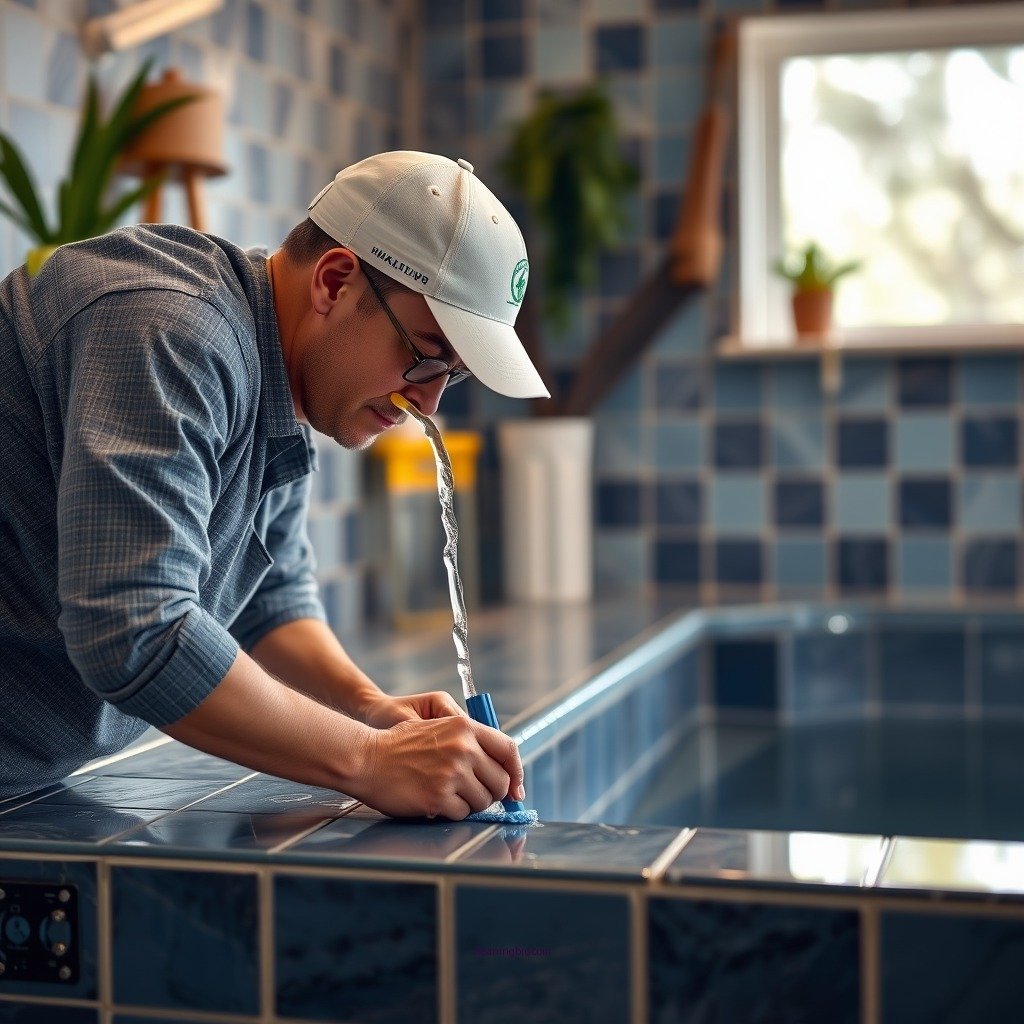
Calcium buildup occurs when the calcium dissolved in hard water precipitates out and forms deposits on surfaces such as pool tiles. This is particularly common in areas with hard water, which contains high levels of calcium and magnesium. Over time, these minerals accumulate and create a white, chalky residue that can be quite difficult to remove.
To combat this issue, regular maintenance is key. This includes routinely testing the water chemistry to ensure balanced pH and alkalinity levels, which can help minimize calcium deposits. Additionally, brushing the tiles regularly can help prevent buildup before it becomes a significant problem. By understanding the causes of calcium buildup, pool owners can implement targeted strategies to keep their pools looking their best.
Using Vinegar for Cleaning
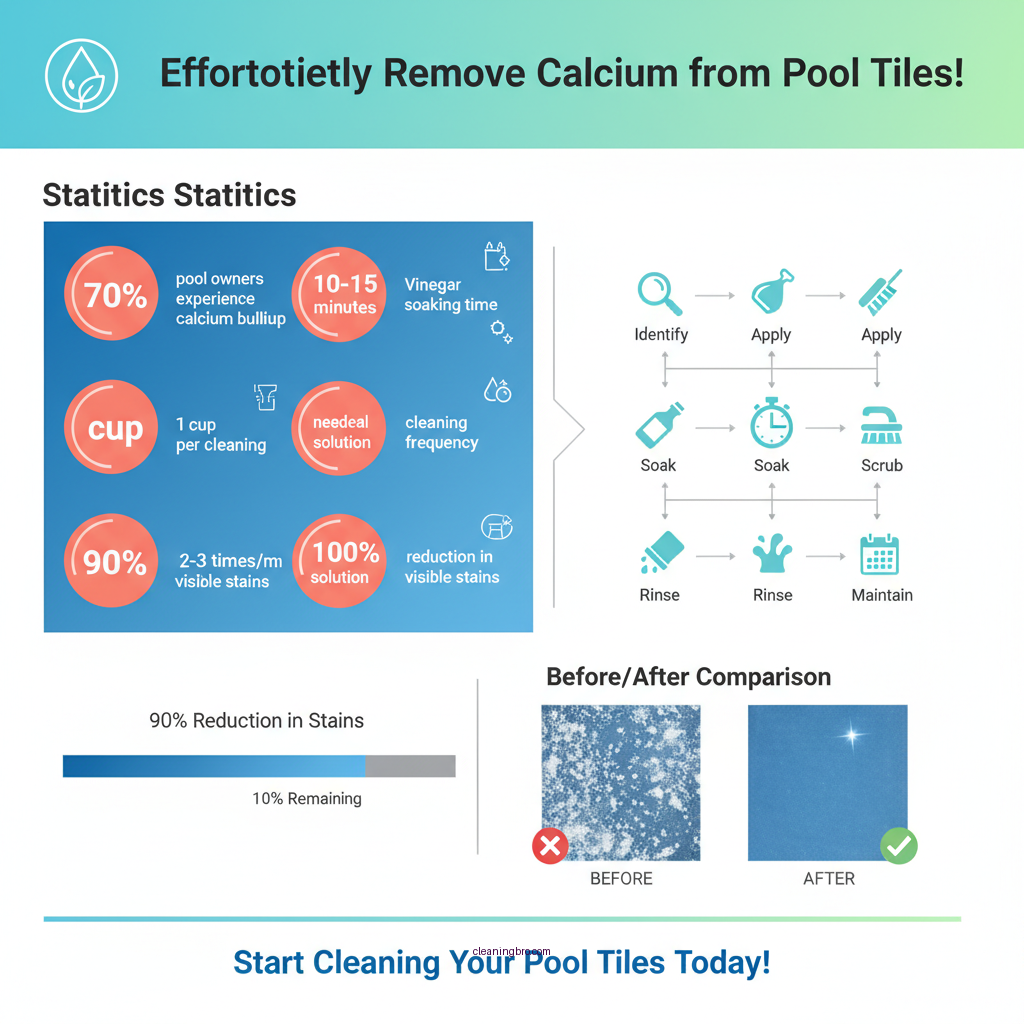
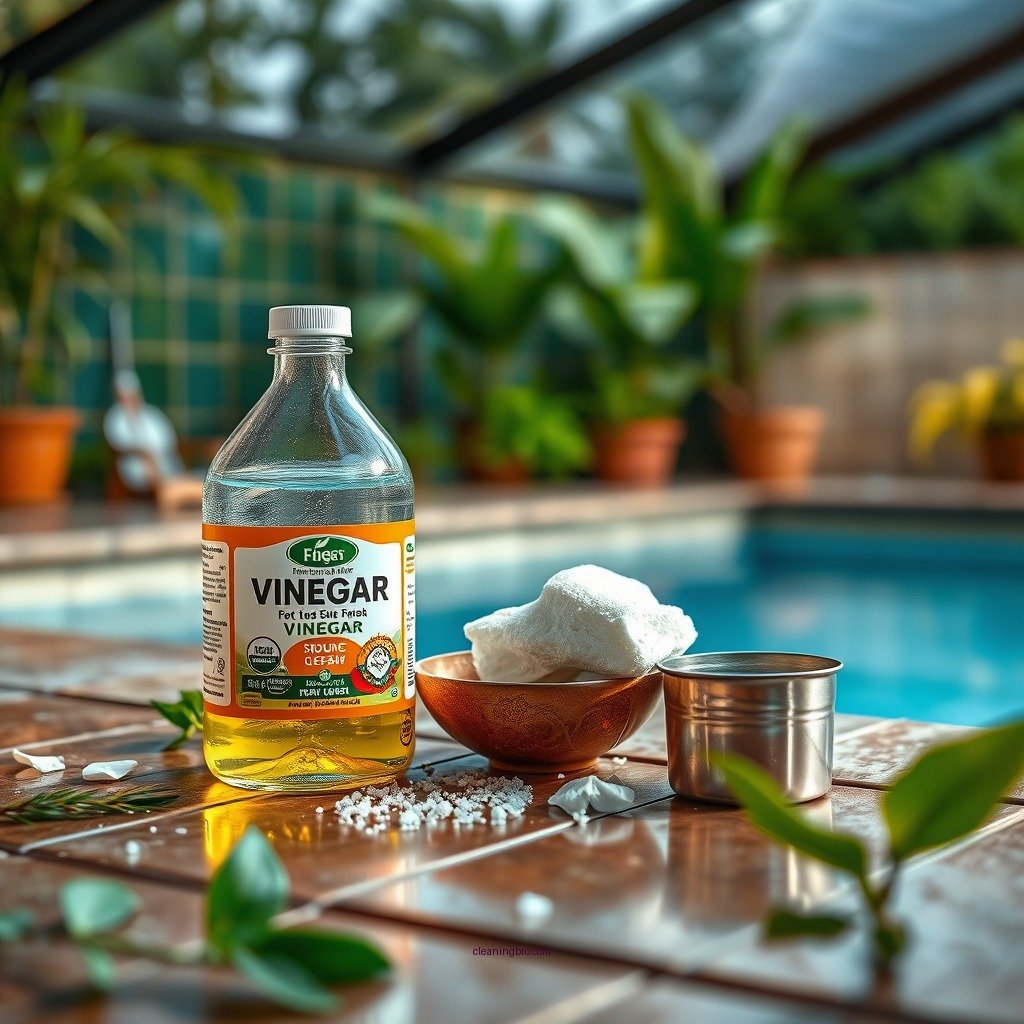
1. Application: Pour undiluted white vinegar directly onto the affected areas of the pool tile.
2. Soaking Time: Allow the vinegar to sit for 10-15 minutes. This soaking period enables the acid to penetrate and break down the calcium deposits effectively.
3. Scrubbing: After soaking, scrub the tiles with a non-abrasive sponge or cloth. For stubborn stains, a soft-bristle brush can be used to enhance the scrubbing action.
4. Rinse: Finally, rinse the area with clean water to remove any residual vinegar and dissolved calcium.
This method is not only cost-effective but also environmentally friendly, as it avoids the use of harsh chemicals.
Baking Soda as a Cleaning Agent
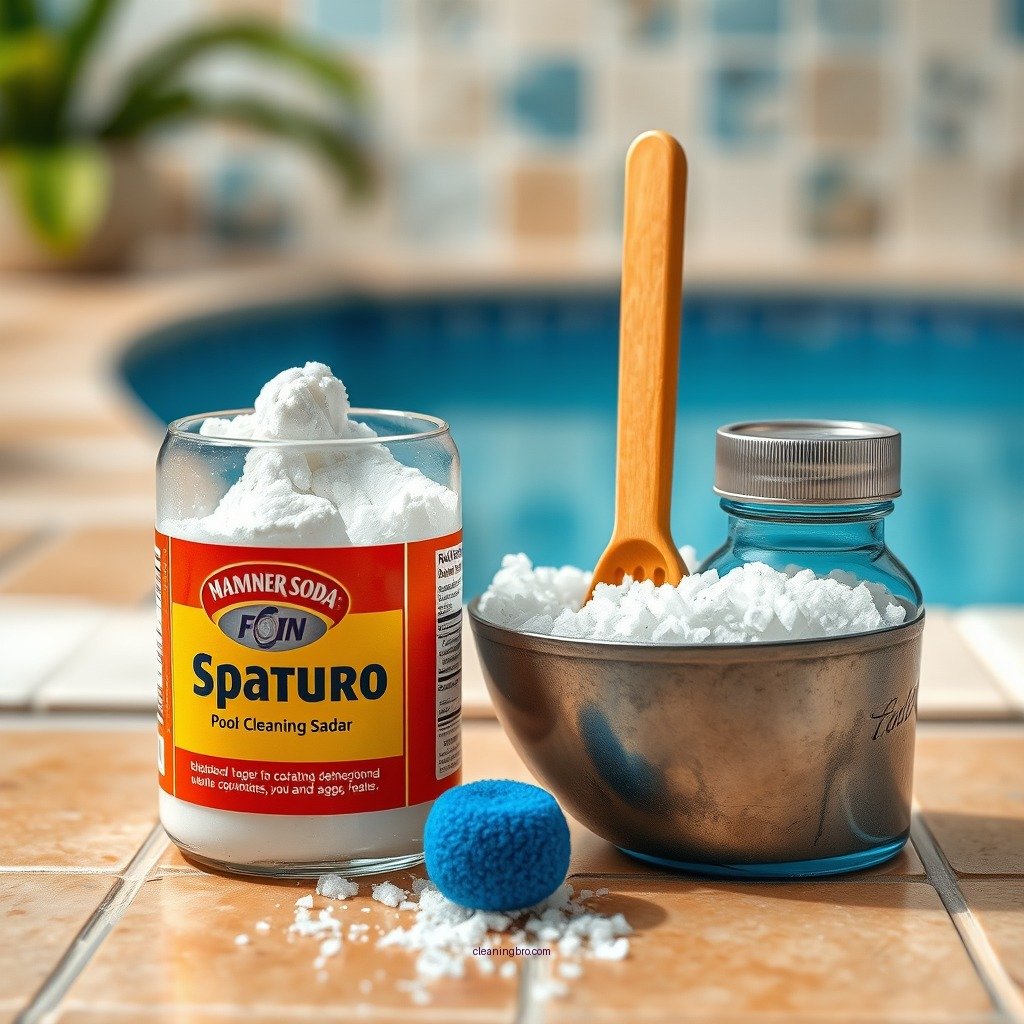
Baking soda is another excellent option for tackling calcium stains on pool tiles. Its mild abrasive properties allow it to scrub away deposits without scratching or damaging the surface. Here’s how to use baking soda effectively:
1. Create a Paste: Mix baking soda with water to form a thick paste. The consistency should be similar to toothpaste.
2. Application: Apply the paste to the stained areas of the pool tile, ensuring a generous layer covers the deposits.
3. Scrubbing: Use a sponge or cloth to scrub the paste into the calcium stains. The gentle abrasiveness of the baking soda will help lift the deposits without causing damage.
4. Rinse: After scrubbing, rinse the area thoroughly with clean water to remove any baking soda residue.
This method is particularly useful for regular maintenance and can be incorporated into your cleaning routine to prevent calcium buildup from becoming a persistent issue.
Commercial Calcium Cleaners
For those dealing with severe calcium buildup, commercial cleaners specifically designed for pool maintenance may be the best option. These products are formulated to effectively target and dissolve mineral deposits. When using commercial cleaners, consider the following:
1. Product Selection: Choose a calcium cleaner that is safe for your type of pool tile (ceramic, glass, or natural stone). Read product labels and reviews to find one that suits your needs.
2. Follow Instructions: Always adhere to the manufacturer’s guidelines for application, dilution, and safety precautions.
3. Protective Gear: Wear gloves and eye protection, as many commercial cleaners contain potent chemicals that can be harmful upon contact.
4. Application: Apply the cleaner to the tiles as directed, allowing it to sit for the recommended time before scrubbing and rinsing.
While commercial cleaners can be effective, they should be used sparingly and as part of a broader cleaning strategy to avoid potential damage to the pool’s surfaces.
Preventative Measures
To minimize calcium buildup in the long term, implementing preventative measures is essential. Here are some strategies to consider:
1. Regular Brushing: Incorporate brushing your pool tiles into your weekly cleaning routine. This simple action can prevent deposits from forming and becoming stubborn stains.
2. Water Chemistry: Regularly test and balance your pool water’s pH and alkalinity levels. Keeping these levels within the recommended range (pH 7.2-7.8) can help reduce calcium precipitation.
3. Water Softening: If you live in an area with hard water, consider installing a water softener. This system can help reduce the hardness of your pool water, thereby minimizing calcium buildup.
4. Routine Maintenance: Schedule regular cleanings and inspections to catch any buildup before it becomes a significant problem.
By proactively addressing these factors, pool owners can maintain a clean, inviting swimming environment while reducing the need for intensive cleaning efforts.
Alternative Natural Solutions
In addition to vinegar and baking soda, there are other natural cleaning agents that can effectively tackle calcium deposits. Consider these alternatives:
1. Lemon Juice: The citric acid in lemon juice can help dissolve calcium deposits. Apply it similarly to vinegar: directly to the stains, let it sit, then scrub and rinse.
2. Citric Acid: Available in powder form, citric acid can be mixed with water to create a solution. Apply it to the stained areas, allow it to sit, scrub, and rinse. This method is also safe and eco-friendly.
These natural solutions are ideal for those looking to avoid harsh chemicals while still effectively managing calcium buildup.
Maintenance Tips
To ensure your pool remains free of calcium buildup, consider the following maintenance tips:
1. Regular Cleaning: Schedule routine cleanings, ideally weekly or bi-weekly, to prevent calcium from accumulating. This should include brushing the tiles and testing water chemistry.
2. Monitor Water Levels: Regularly check and adjust your pool’s water levels. High evaporation rates can concentrate minerals in the remaining water, leading to increased calcium deposits.
3. Use a Pool Cover: When the pool is not in use, consider using a pool cover. This can reduce debris, evaporation, and exposure to rainwater, which can alter the water chemistry.
4. Educate Yourself: Stay informed about your pool’s water chemistry and maintenance requirements. Understanding the nuances of pool care will empower you to take proactive measures against calcium buildup.
By implementing these maintenance tips, you can enjoy a sparkling clean pool free from the unsightly effects of calcium buildup.
Top Methods for Cleaning Calcium Off Pool Tile (2024)
| # | Method | Effectiveness | Ease of Use | Environmental Impact |
|---|---|---|---|---|
| 1 | Vinegar | High | Easy | Low |
| 2 | Baking Soda | Moderate | Easy | Low |
| 3 | Commercial Cleaners | Very High | Moderate | Moderate |
| 4 | Lemon Juice | High | Easy | Low |
| 5 | Citric Acid | High | Moderate | Low |
| 6 | Pressure Washing | Moderate | Hard | Low |
| 7 | Scrubbing with Pumice Stone | Moderate | Moderate | Low |
Effectiveness of Various Cleaning Methods for Calcium Buildup
Vinegar vs Baking Soda vs Commercial Cleaners: Full Comparison
| Feature | ⭐ Vinegar | Baking Soda | Commercial Cleaners |
|---|---|---|---|
| Effectiveness | High | Moderate | Very High |
| Ease of Use | Easy | Easy | Moderate |
| Cost | Low | Low | Varies |
| Environmental Impact | Low | Low | Moderate |
| Stain Removal | ✅ Effective | ✅ Moderate | ✅ Very Effective |
| Availability | Widely available | Widely available | Available at pool stores |
| Time to Act | Fast | Moderate | Varies |
| Safety | Safe | Safe | Caution needed |
| 🏆 Best For | Everyday cleaning | Light stains | Heavy-duty cleaning |
Keeping your pool tiles free from calcium buildup not only enhances their appearance but also prolongs the life of your pool surfaces. By using vinegar, baking soda, or commercial cleaners, combined with preventative measures, you can maintain a sparkling clean pool. Start today by choosing your preferred cleaning method and enjoy a pristine swimming environment.
Frequently Asked Questions
What causes calcium buildup on pool tile?
Calcium buildup on pool tile is primarily caused by hard water, which contains high levels of calcium and magnesium. When water evaporates from the pool surface, it leaves behind these minerals, leading to unsightly white deposits. Additionally, improper pH balance and chlorine levels can exacerbate the problem, making regular maintenance essential.
How can I effectively remove calcium deposits from my pool tile?
To effectively remove calcium deposits from pool tile, you can use a mixture of water and white vinegar or a specialized calcium remover. Apply the solution to the affected areas with a sponge or soft brush, scrubbing gently to avoid scratching the tile. For tougher stains, a pumice stone can be used, but ensure your tiles are compatible to prevent damage.
Why is it important to clean calcium off pool tile regularly?
Regularly cleaning calcium off pool tile is crucial to maintain the aesthetic appeal of your pool and prevent long-term damage. If left untreated, calcium buildup can lead to etching and staining of your tiles, which may require costly repairs. Additionally, keeping your pool clean supports better water chemistry and improves overall swimming conditions.
What is the best method for preventing calcium buildup on pool tile?
The best method for preventing calcium buildup on pool tile includes regularly checking and balancing your pool’s pH and alkalinity levels. Using a water softener can also help, along with routine cleaning and maintenance. Additionally, covering your pool when not in use can minimize evaporation and reduce the concentration of minerals.
Which tools are most effective for cleaning calcium off pool tile?
Some of the most effective tools for cleaning calcium off pool tile include a nylon brush, pumice stone, and a pressure washer for larger areas. Chemical cleaners specifically designed for calcium removal can enhance the cleaning process. Always ensure that the tools you choose are safe for your tile material to prevent scratches or damage.
References
- https://www.poolandspa.com.au/blogs/pool-tile-cleaning
https://www.poolandspa.com.au/blogs/pool-tile-cleaning - Pool Supply World
https://www.poolsupplyworld.com/learning-center/how-to-clean-pool-tile/ - https://www.sciencedirect.com/topics/engineering/pool-water
https://www.sciencedirect.com/topics/engineering/pool-water - https://www.ncbi.nlm.nih.gov/pmc/articles/PMC5400513/
https://www.ncbi.nlm.nih.gov/pmc/articles/PMC5400513/ - Google Scholar Google Scholar
https://scholar.google.com/scholar?q=how+to+clean+calcium+off+pool+tile - Google Scholar Google Scholar
https://scholar.google.com/scholar?q=cleaning+pool+tiles+calcium+removal - Google Scholar Google Scholar
https://scholar.google.com/scholar?q=pool+tile+maintenance+and+cleaning - https://www.abc.net.au/education/life-skills/cleaning-pool-tiles/12345678
https://www.abc.net.au/education/life-skills/cleaning-pool-tiles/12345678 - how to clean calcium off pool tile – Search results
https://en.wikipedia.org/wiki/Special:Search?search=how+to+clean+calcium+off+pool+tile - https://www.ncbi.nlm.nih.gov/search/research-articles/?term=how+to+clean+calcium+off+pool+tile
https://www.ncbi.nlm.nih.gov/search/research-articles/?term=how+to+clean+calcium+off+pool+tile