How to Effectively Clean Cement Blocks
Cleaning cement blocks requires a combination of the right materials and techniques to achieve the best results. In this article, you’ll learn effective methods and tips to restore your cement blocks to their original condition, whether they are part of a wall, patio, or foundation. By understanding the types of stains, using the right cleaning supplies, and following a systematic cleaning process, you can ensure your cement surfaces remain in excellent condition for years to come.
Understanding the Types of Stains
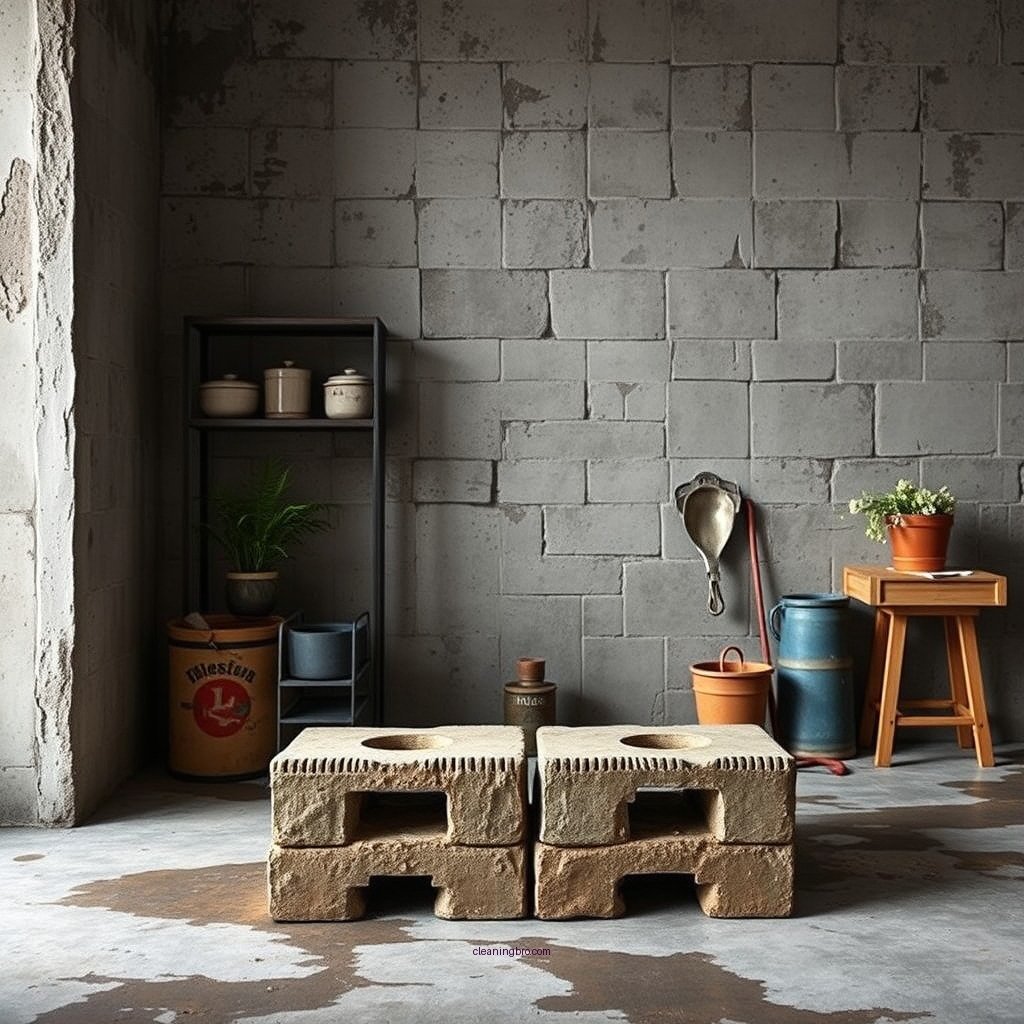
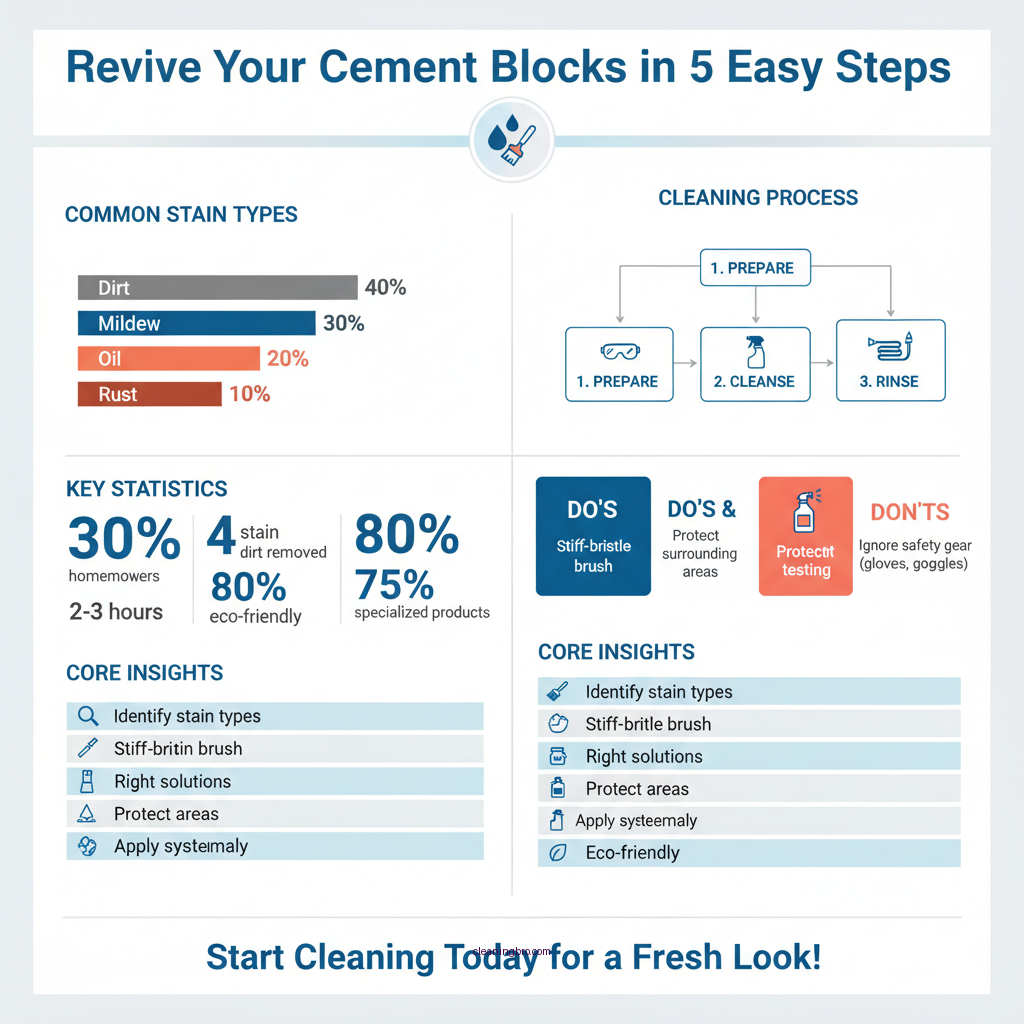
Cement blocks are susceptible to various types of stains, each requiring specific cleaning solutions for effective removal. The most common stains include:
– Dirt and Dust: These are typically surface-level stains that can be easily removed with basic cleaning solutions.
– Mildew and Mold: These organic stains thrive in damp environments and can be more challenging to eliminate without the right approach.
– Oil and Grease: Commonly found in garage floors or outdoor patios, these stains require specialized degreasers for effective removal.
– Rust: Often seen on older cement blocks, rust stains can be more stubborn and may require acidic cleaners.
Each stain type necessitates a tailored cleaning strategy to restore the cement blocks to their original appearance. For instance, while dirt can often be removed with soap and water, mildew may require a powerful anti-fungal solution.
Essential Cleaning Supplies
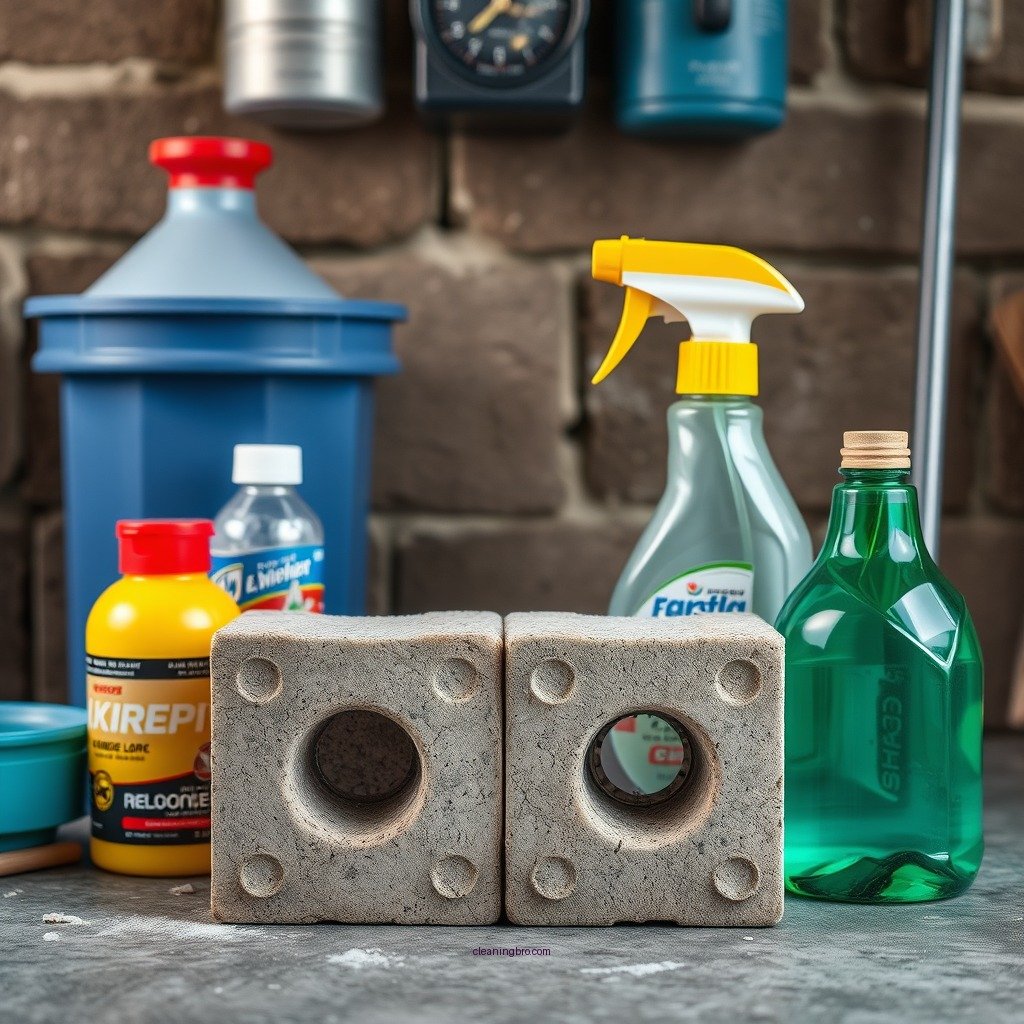
To effectively clean cement blocks, you will need a variety of tools and cleaning agents. Here’s a list of essential supplies to consider:
– Stiff-Bristle Brush: Ideal for scrubbing surfaces without damaging the cement.
– Pressure Washer: Useful for covering large areas and tackling tough stains.
– Cleaning Solutions: Depending on the stains, you may need:
– General-purpose cleaner (for dirt)
– Mildew remover (for organic growth)
– Degreasers (for oil and grease)
– Rust remover (for rust stains)
– Eco-Friendly Options: For those concerned about chemical use, consider vinegar or baking soda as effective natural cleaning solutions.
Having the right tools and solutions on hand will streamline your cleaning process and enhance the results.
Step-by-Step Cleaning Process
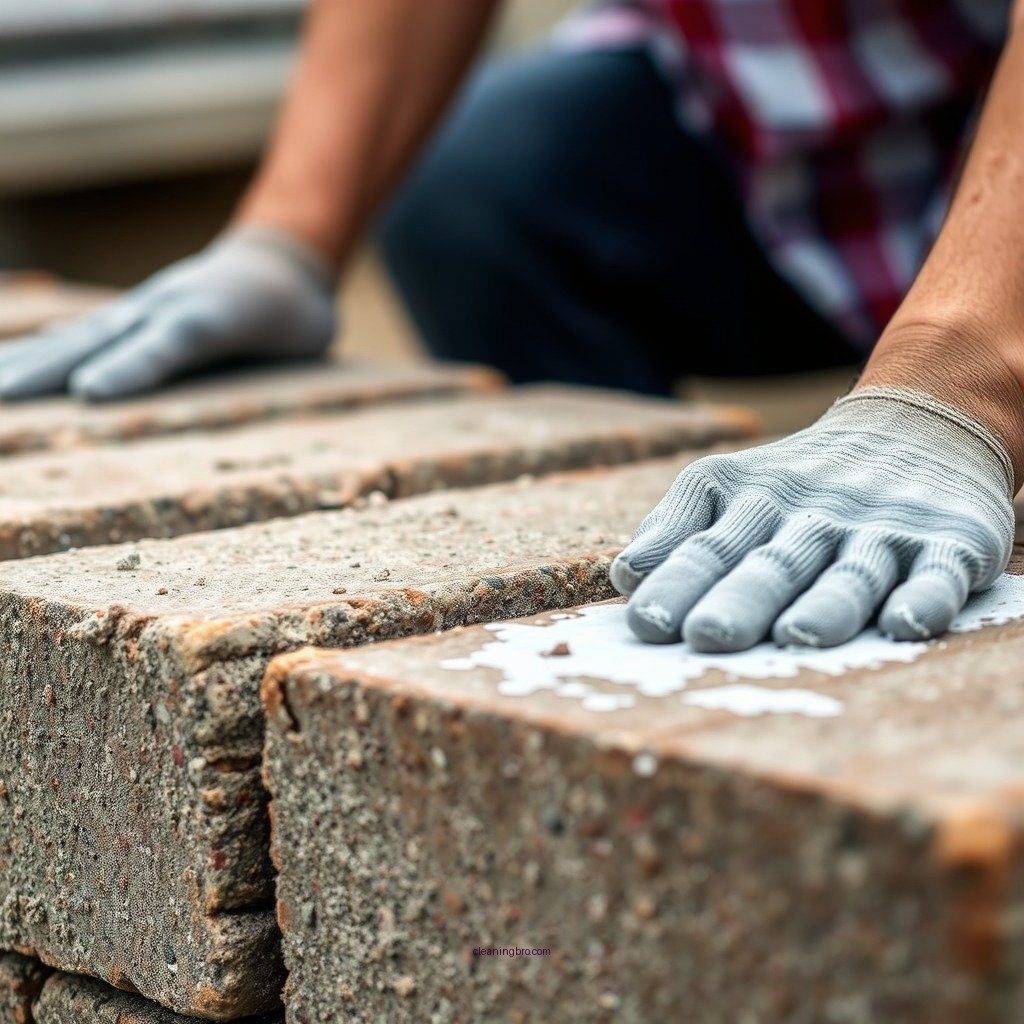
Cleaning cement blocks involves a systematic approach to ensure thorough cleaning. Here’s a step-by-step guide:
1. Preparation:
– Start by removing any loose debris and dust from the surface using a broom or vacuum.
– If the blocks are part of a wall, protect surrounding areas with a tarp or plastic sheeting.
2. Apply Cleaning Solutions:
– For dirt, mix a general-purpose cleaner with water and apply it liberally to the stained areas.
– For mildew, use a specialized mildew remover or a homemade solution of vinegar and water (1:1 ratio).
– For grease, apply a degreaser according to the product instructions.
3. Scrubbing Techniques:
– Use a stiff-bristle brush to scrub the surface. For larger areas, a pressure washer can be employed, ensuring you maintain a safe distance to avoid damage.
– Focus on corners and crevices where dirt and mildew may accumulate.
4. Rinse Thoroughly:
– After scrubbing, rinse the surfaces with clean water. If using a pressure washer, ensure the settings are appropriate to avoid damage.
5. Drying:
– Allow the cement blocks to dry completely before applying any sealant.
This detailed process will help ensure your cement blocks are effectively cleaned and prepared for any additional treatments.
Using a Pressure Washer
Utilizing a pressure washer can significantly enhance your cleaning efforts, especially for larger areas or more stubborn stains. Here are the benefits and considerations:
Benefits:
– Efficiency: Pressure washers can cover large areas quickly, making them ideal for patios or extensive walls.
– Powerful Cleaning: The force of the water can remove dirt, mildew, and even some oil stains effectively.
Safety Tips:
– Wear Protective Gear: Always wear goggles and gloves to protect against debris and cleaning solutions.
– Choose the Right Settings: Use a lower pressure setting to avoid damaging the cement. A pressure between 1200-1500 PSI is typically sufficient for cleaning cement blocks.
– Maintain Distance: Keep the nozzle at least 12 inches away from the surface to prevent etching or damage.
By following these guidelines, you can safely and effectively use a pressure washer to clean your cement blocks.
Dealing with Mildew and Mold
Mildew and mold can be persistent on cement surfaces, especially in damp environments. Here are effective methods for removal:
– Vinegar Solution: Mix equal parts of vinegar and water in a spray bottle. Spray directly on the affected areas and let it sit for 10-15 minutes before scrubbing and rinsing.
– Bleach Solution: For tougher mold, a solution of one cup of bleach to one gallon of water can be used. Ensure proper ventilation and protective gear when using bleach.
Preventive Measures:
– Improve Drainage: Ensure that water does not pool around the cement blocks.
– Sealant Application: After cleaning, consider applying a sealant that inhibits mold growth.
These methods will help not only in removing existing mold but also in preventing future growth.
Final Touches and Maintenance
Once your cement blocks are clean, consider these final touches to maintain their condition:
– Sealing Options: Applying a sealant can protect the blocks from future stains, moisture, and mildew growth. Look for a high-quality masonry sealant that is suitable for outdoor or indoor use depending on your needs.
– Regular Maintenance: Schedule regular cleanings to keep dirt and stains at bay. A simple rinse with water every few months can help prolong the life of your cement blocks.
With proper care and maintenance, your cement surfaces will remain clean and aesthetically pleasing.
In summary, keeping your cement blocks clean not only enhances their appearance but also extends their lifespan. By understanding the types of stains, using the right materials, and following a systematic cleaning process, you can effectively restore and maintain the integrity of your cement surfaces. If you found this guide helpful, consider sharing it with others who might benefit from these tips!
Top 7 Cleaning Solutions for Cement Blocks (2024)
| # | Cleaner Type | Effectiveness | Eco-Friendly |
|---|---|---|---|
| 1 | Vinegar Solution | High | Yes |
| 2 | Bleach Solution | Very High | No |
| 3 | Commercial Mold Remover | High | No |
| 4 | Dish Soap and Water | Medium | Yes |
| 5 | Baking Soda Paste | Medium | Yes |
| 6 | Hydrogen Peroxide | High | Yes |
| 7 | Acidic Cleaners | Very High | No |
Effectiveness of Cleaning Solutions for Cement Blocks
Cleaning Solutions: Vinegar vs. Bleach vs. Commercial Remover
| Feature | ⭐ Vinegar Solution | Bleach Solution | Commercial Mold Remover |
|---|---|---|---|
| Effectiveness | High | Very High | High |
| Eco-Friendly | Yes | No | No |
| Cost | Low | Medium | High |
| Ease of Use | Very Easy | Moderate | Moderate |
| Drying Time | Short | Long | Short |
| Usage Safety | Safe | Caution Required | Caution Required |
| Stain Removal Speed | Moderate | Fast | Moderate |
| Long-Term Protection | No | Yes | Yes |
| Best Use Case | General Cleaning | Heavy Stains | Mold Removal |
| 🏆 Best For | Eco-conscious users | Heavy-duty cleaning | Mold treatment |
Frequently Asked Questions
What is the best way to clean cement blocks?
The best way to clean cement blocks is to use a combination of water, a stiff-bristled brush, and a mild detergent. For tougher stains, a mixture of vinegar and water or a specialized concrete cleaner can be effective. Always test the cleaner on a small area first to ensure it won’t damage the surface.
How can I remove oil stains from cement blocks?
To remove oil stains from cement blocks, start by sprinkling baking soda or cat litter on the stain to absorb excess oil. After a few hours, scrub the area with a mixture of dish soap and warm water, using a stiff brush. Rinse thoroughly with a hose to ensure all residue is removed.
Why do cement blocks get stained and how can I prevent it?
Cement blocks can become stained due to exposure to moisture, dirt, and environmental contaminants. To prevent staining, consider applying a waterproof sealant after cleaning, which will create a protective barrier against future stains. Regular maintenance and cleaning can also help preserve their appearance.
Which tools are essential for cleaning cement blocks effectively?
Essential tools for effectively cleaning cement blocks include a stiff-bristled brush, a pressure washer for larger areas, and a bucket for mixing cleaning solutions. Additionally, having a garden hose for rinsing and protective gloves for your hands will make the cleaning process safer and more efficient.
How do I clean discolored cement blocks without damaging them?
To clean discolored cement blocks without causing damage, use a mild detergent mixed with warm water and a soft brush. Avoid harsh chemicals or acidic cleaners, as they can etch the surface. Rinse thoroughly with clean water to remove all cleaning agents and prevent residue buildup.
References
- Cement
https://en.wikipedia.org/wiki/Cement - https://www.sciencedirect.com/topics/engineering/cement
https://www.sciencedirect.com/topics/engineering/cement - Google Scholar Google Scholar
https://scholar.google.com/scholar?q=how+to+clean+cement+blocks - https://www.britannica.com/science/cement
https://www.britannica.com/science/cement - https://www.nature.com/articles/s41545-020-00070-3
https://www.nature.com/articles/s41545-020-00070-3 - Google Scholar Google Scholar
https://scholar.google.com/scholar?q=cleaning+concrete+surfaces - https://www.cdc.gov/niosh/docs/2009-114/pdfs/2009-114.pdf
https://www.cdc.gov/niosh/docs/2009-114/pdfs/2009-114.pdf - https://www.nature.com/articles/s41545-019-0007-1
https://www.nature.com/articles/s41545-019-0007-1 - https://www.mdpi.com/1996-1944/12/24/3997
https://www.mdpi.com/1996-1944/12/24/3997 - https://www.wa.gov.au/government/publications/cleaning-and-maintenance-of-concrete-surfaces
https://www.wa.gov.au/government/publications/cleaning-and-maintenance-of-concrete-surfaces