

Cleaning concrete block walls effectively requires the right techniques and tools. By following a few straightforward steps, you can remove dirt, stains, and mildew, leaving your walls looking fresh and new. In this article, you’ll learn how to prepare, clean, and maintain your concrete block walls for optimal results.


Preparing for the Cleaning Process

Before embarking on the cleaning process, it’s crucial to assess the condition of your concrete block walls. This evaluation will help you determine the extent of dirt, stains, and mildew present, which in turn influences the cleaning methods you will employ. For instance, if your walls are only slightly dirty, a simple soap and water solution may suffice. However, if there are significant stains or mildew growth, you may require more robust cleaning solutions.
Once you have assessed the walls, gather the necessary supplies to ensure an efficient cleaning process. Key items you should have on hand include:
– Pressure Washer: Ideal for large surfaces and removing tough grime.
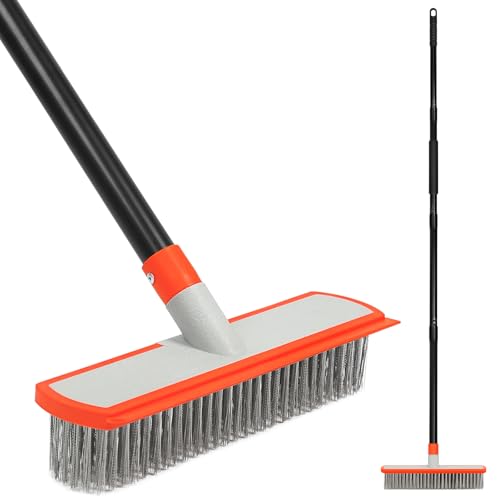
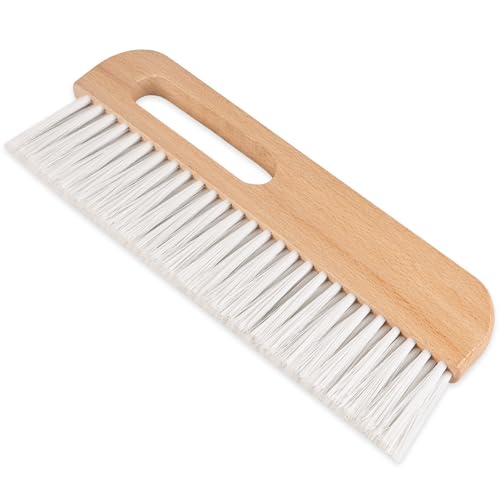
– Scrub Brushes: Use stiff-bristled brushes for scrubbing stubborn stains.
– Cleaning Solutions: Depending on the condition of your walls, you may need mild detergents, bleach, or specialized concrete cleaners.
– Protective Gear: Gloves, goggles, and masks are essential for your safety, especially when using harsh chemicals.
By preparing thoroughly, you set yourself up for success in transforming your concrete block walls.
Choosing the Right Cleaning Solutions


Selecting the appropriate cleaning solutions is critical for achieving the best results while preserving the integrity of your concrete block walls. For general dirt and light stains, a mild detergent mixed with warm water will often do the trick. Many homeowners opt for environmentally friendly solutions that are effective yet gentle on surfaces.
For more persistent stains, such as oil or rust, consider using specialized concrete cleaners designed for tougher jobs. These products are formulated to penetrate deeply into the surface and lift stains effectively.
Should you encounter mildew or mold, a solution of one part bleach to three parts water is highly effective. Always remember to follow safety guidelines when using bleach, as it can produce harmful fumes. Ventilate the area well and wear protective gear to minimize exposure.
It’s also important to test any cleaning solution on a small, inconspicuous area of the wall to ensure it will not cause discoloration or surface damage before proceeding with the entire wall.
Cleaning Techniques for Different Stains

The cleaning techniques you employ will depend on the type of stains or buildup you are dealing with. Here are some effective methods for various scenarios:
– Mildew and Mold: For areas affected by mildew, spray your bleach solution directly onto the affected spots. Allow it to sit for at least 10-15 minutes to kill the spores, then scrub the area with a stiff brush and rinse thoroughly with clean water.
– Dirt and Grime: For general dirt and grime, a pressure washer is highly effective, especially for large areas. Use a fan spray nozzle to prevent damage to the concrete surface while removing dirt. Maintain a safe distance of about 12 to 18 inches from the wall to avoid pitting.
– Oil Stains: For oil stains, apply a degreaser specifically meant for concrete surfaces. Let it sit for the recommended time on the label, then scrub and rinse off.
– Rust Stains: Rust stains can be treated with a mixture of lemon juice and baking soda. Apply it to the stain, let it sit, scrub, and rinse thoroughly to restore the wall’s appearance.
These techniques can significantly enhance the cleanliness and visual appeal of your concrete block walls.
Rinsing and Drying the Walls
After cleaning, it is imperative to rinse the walls thoroughly with clean water. This step is essential to remove any residue from the cleaning solutions and to prevent potential damage caused by leftover chemicals. For those using a pressure washer, ensure you use a low-pressure setting to avoid forcing water into any cracks or crevices.
Once rinsed, allow the walls to dry completely. Adequate drying is crucial to prevent moisture buildup, which can lead to future mildew and mold growth. Depending on environmental conditions, drying may take several hours or even a day. If possible, enhance airflow around your walls by opening windows or using fans to expedite the drying process.
Preventive Maintenance Tips
Maintaining your concrete block walls is key to prolonging their lifespan and ensuring they remain looking their best. Here are some preventive maintenance tips to consider:
– Regular Inspections: Periodically check your walls for signs of dirt buildup, mildew, or stains. Addressing these issues early can save you time and effort in the long run.
– Routine Cleaning: Clean your walls at least once or twice a year, depending on their exposure to the elements. This routine will help prevent heavy buildup and make future cleanings easier.
– Sealing the Walls: Consider applying a sealant specifically designed for concrete. Sealing not only enhances durability but also makes future cleaning easier by creating a barrier against dirt and moisture.
– Proper Drainage: Ensure that your property has proper drainage to prevent water pooling near the walls, which can lead to mold growth and other issues.
By implementing these preventive measures, you can maintain the integrity and aesthetics of your concrete block walls for years to come.
Additional Considerations
When embarking on the cleaning process, it’s vital to prioritize safety. Always wear protective gear such as gloves and goggles when handling cleaning solutions, especially if they are caustic or abrasive. If you are unsure about the cleaning process or the effectiveness of your chosen methods, don’t hesitate to seek professional help.
Testing any cleaning solution on a small, inconspicuous area first is also a prudent step. This precaution can save you from potential damage and ensure that the chosen solution is safe for your specific type of concrete.
By adhering to these practices, you can ensure a successful cleaning project that rejuvenates your concrete block walls.
Common Concrete Cleaning Solutions and Their Effectiveness
| # | Cleaning Solution | Effectiveness | Safety |
|---|---|---|---|
| 1 | Mild Detergent | Good | Safe |
| 2 | Bleach Solution | Very Good | Caution Required |
| 3 | Vinegar Solution | Good | Safe |
| 4 | Concrete Cleaner | Excellent | Safe |
| 5 | Degreaser | Very Good | Caution Required |
| 6 | Lemon Juice & Baking Soda | Good | Safe |
| 7 | Hydrogen Peroxide | Good | Safe |
Effectiveness of Different Cleaning Solutions for Concrete Blocks
Best Cleaning Solutions for Concrete Block Walls
| Feature | ⭐ Concrete Cleaner | Bleach Solution | Mild Detergent |
|---|---|---|---|
| Effectiveness | 100% | 90% | 60% |
| Ease of Use | Simple | Moderate | Easy |
| Environmental Impact | Low | High | Low |
| Cost | Moderate | Low | Low |
| Drying Time | 1 hour | 30 minutes | 1 hour |
| Application Method | Spray or scrub | Spray | Scrub |
| Odor | Minimal | Strong | Mild |
| Versatility | High | Medium | Low |
| Safety | Safe | Caution Required | Safe |
| 🏆 Best For | General Use | Heavy Mildew | Light Cleaning |
In summary, cleaning concrete block walls is a manageable task that, when approached methodically, can yield impressive results. By preparing properly, choosing the right cleaning solutions, utilizing effective techniques, and committing to preventive maintenance, you can ensure that your walls remain clean and in good condition over time. Don’t hesitate to seek professional assistance if needed, and take the first step in revitalizing your space today!
Frequently Asked Questions
What are the best methods to clean concrete block walls?
The best methods to clean concrete block walls include pressure washing, scrubbing with a stiff brush, and using a mixture of water and mild detergent. For tougher stains, a solution of vinegar or a commercial concrete cleaner can be effective. Always test a small area first to ensure the cleaning solution does not damage the surface.
How do I remove mold and mildew from concrete block walls?
To remove mold and mildew from concrete block walls, mix a solution of bleach and water (1:3 ratio) and apply it to the affected areas using a spray bottle or a sponge. Allow the solution to sit for 10-15 minutes before scrubbing with a stiff brush to lift the mold. Rinse thoroughly with water to prevent any residual bleach from damaging the concrete.
Why is it important to clean concrete block walls regularly?
Regular cleaning of concrete block walls is important to prevent the buildup of dirt, mold, and mildew, which can lead to structural damage and health issues. Additionally, maintaining clean walls enhances the aesthetic appeal of your space, whether it’s an indoor basement or outdoor structure. A clean surface also improves the longevity of paint or sealants applied to the wall.
Which cleaning products work best for tough stains on concrete block walls?
For tough stains on concrete block walls, products like muriatic acid, commercial concrete cleaners, or baking soda paste can be highly effective. Muriatic acid should be used with caution and diluted according to the manufacturer’s instructions, as it can be corrosive. Always wear protective gear and ensure adequate ventilation when using strong cleaning agents.
How can I prevent future stains on my concrete block walls after cleaning?
To prevent future stains on your concrete block walls, consider applying a water-repellent sealant once the walls are clean and dry. Regular maintenance, such as periodic cleaning and addressing any leaks or moisture issues promptly, can also help keep your walls looking fresh. Additionally, ensuring proper drainage around your property can minimize water exposure to the walls.
References
- Concrete
https://en.wikipedia.org/wiki/Concrete - https://www.ncbi.nlm.nih.gov/pmc/articles/PMC7314662/
https://www.ncbi.nlm.nih.gov/pmc/articles/PMC7314662/ - https://www.sciencedirect.com/topics/engineering/concrete-cleaning
https://www.sciencedirect.com/topics/engineering/concrete-cleaning - https://www.owens.edu/extension/cleaning_concrete.pdf
https://www.owens.edu/extension/cleaning_concrete.pdf - https://www.extension.umn.edu/garden/yard-garden/landscaping/cleaning-concrete/
https://www.extension.umn.edu/garden/yard-garden/landscaping/cleaning-concrete/ - https://www.cdc.gov/niosh/topics/cleaning.html
https://www.cdc.gov/niosh/topics/cleaning.html - https://www.cdc.gov/niosh/docs/2016-129/pdfs/2016-129.pdf
https://www.cdc.gov/niosh/docs/2016-129/pdfs/2016-129.pdf - https://scholar.google.com/scholar?q=how+to+clean+concrete+block+walls Google Scholar
https://scholar.google.com/scholar?q=how+to+clean+concrete+block+walls - https://scholar.google.com/scholar?q=cleaning+concrete+surfaces Google Scholar
https://scholar.google.com/scholar?q=cleaning+concrete+surfaces - Google Scholar Google Scholar
https://scholar.google.com/scholar?q=concrete+maintenance+and+cleaning
