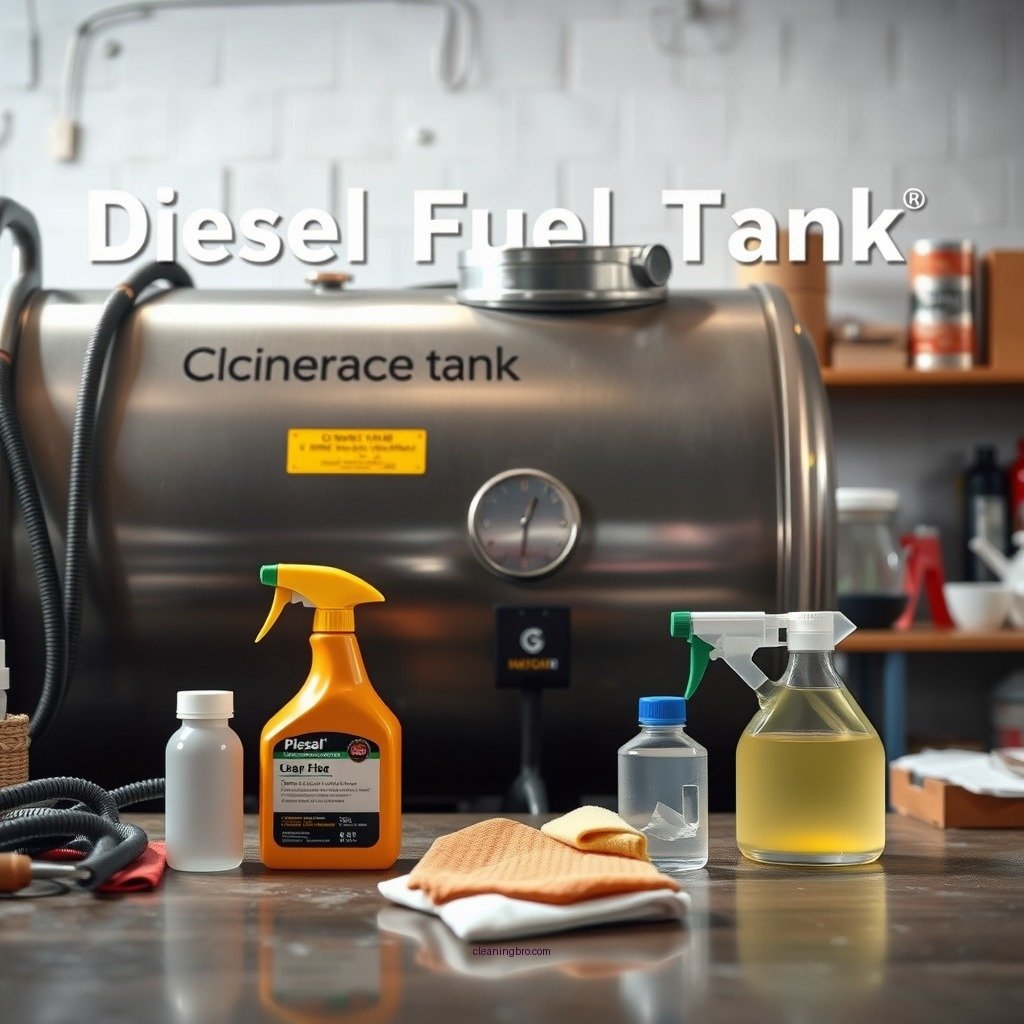
How to Clean a Diesel Fuel Tank: Step-by-Step Guide
Cleaning a diesel fuel tank is essential for maintaining optimal engine performance and extending the lifespan of your equipment. By following a systematic approach, you can remove contaminants and ensure your fuel system operates smoothly. This guide will walk you through the necessary steps and safety precautions to clean your diesel fuel tank effectively.
Understanding the Importance of Cleaning
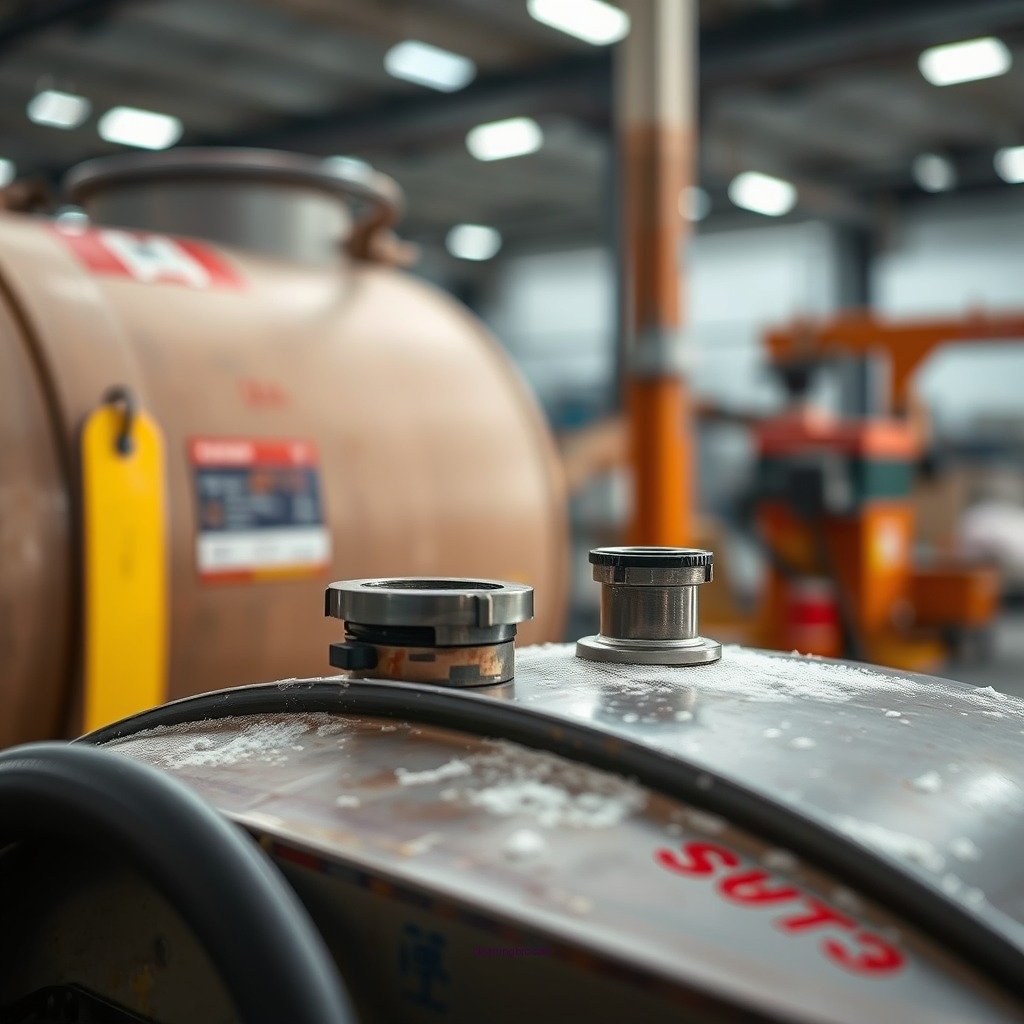
Regular cleaning of a diesel fuel tank is crucial for several reasons. Firstly, it helps prevent fuel contamination, which can lead to clogging of filters and injectors, resulting in decreased engine performance. Contaminants such as dirt, water, and microbial growth can accumulate over time, causing significant damage and even costly repairs. Secondly, a clean tank enhances engine efficiency by ensuring that the fuel system operates without obstructions, allowing for better combustion and improved fuel economy. By maintaining a clean diesel fuel tank, you can prolong the life of your engine and reduce the frequency of maintenance.
Tools and Materials Needed
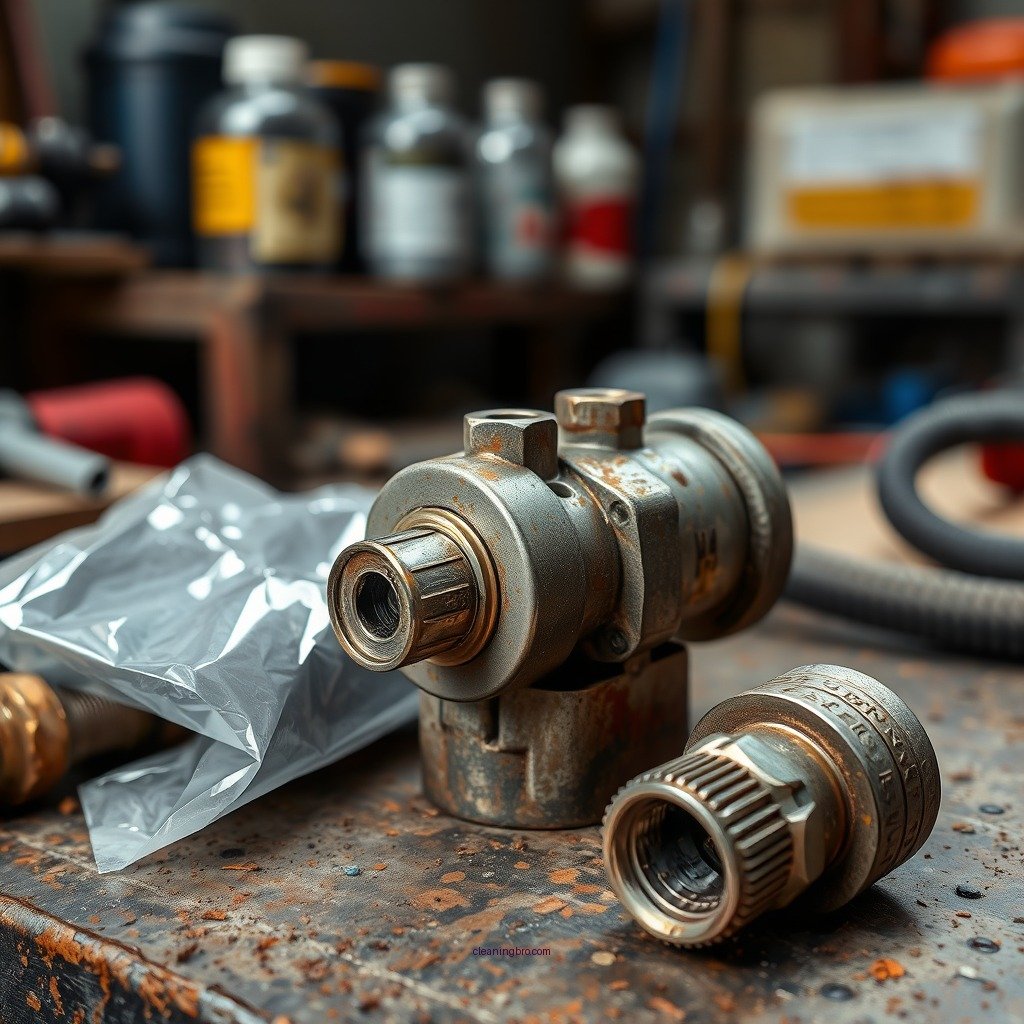
To clean your diesel fuel tank effectively, you will need the following tools and materials:
– Siphon Pump: To safely remove diesel fuel from the tank.
– Fuel Tank Cleaning Chemicals: Specialized cleaning agents designed to break down sludge and contaminants.
– Scrub Brushes: For scrubbing the interior surfaces of the tank.
– Rags and Sponges: For wiping down surfaces and absorbing any residues.
– Vacuum Cleaner (optional): A wet/dry vacuum can assist in removing debris and residues.
In addition to tools, it is crucial to wear appropriate safety gear, including:
– Gloves: To protect your hands from chemicals and diesel fuel.
– Goggles: To shield your eyes from splashes.
– Respirator: To avoid inhaling harmful fumes from fuel and cleaning agents.
Step-by-Step Cleaning Process
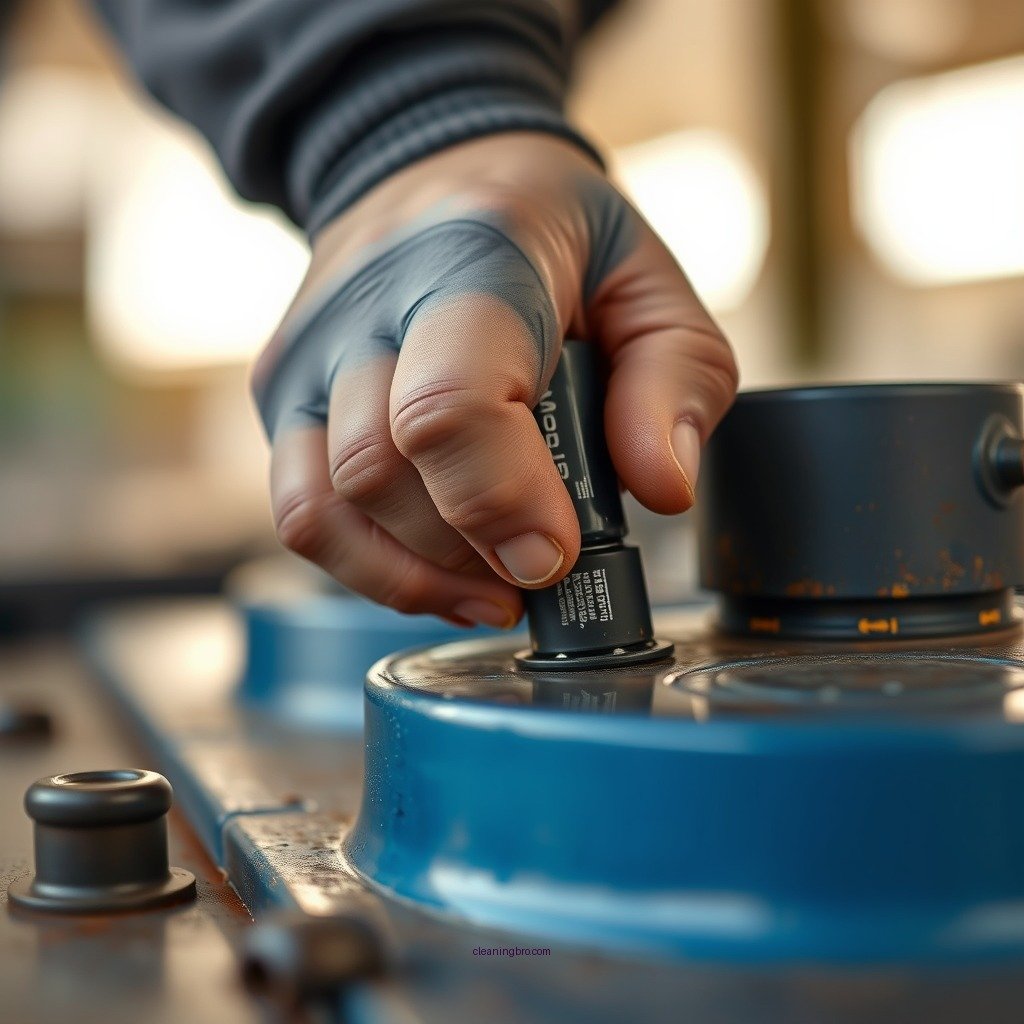
Draining the Tank
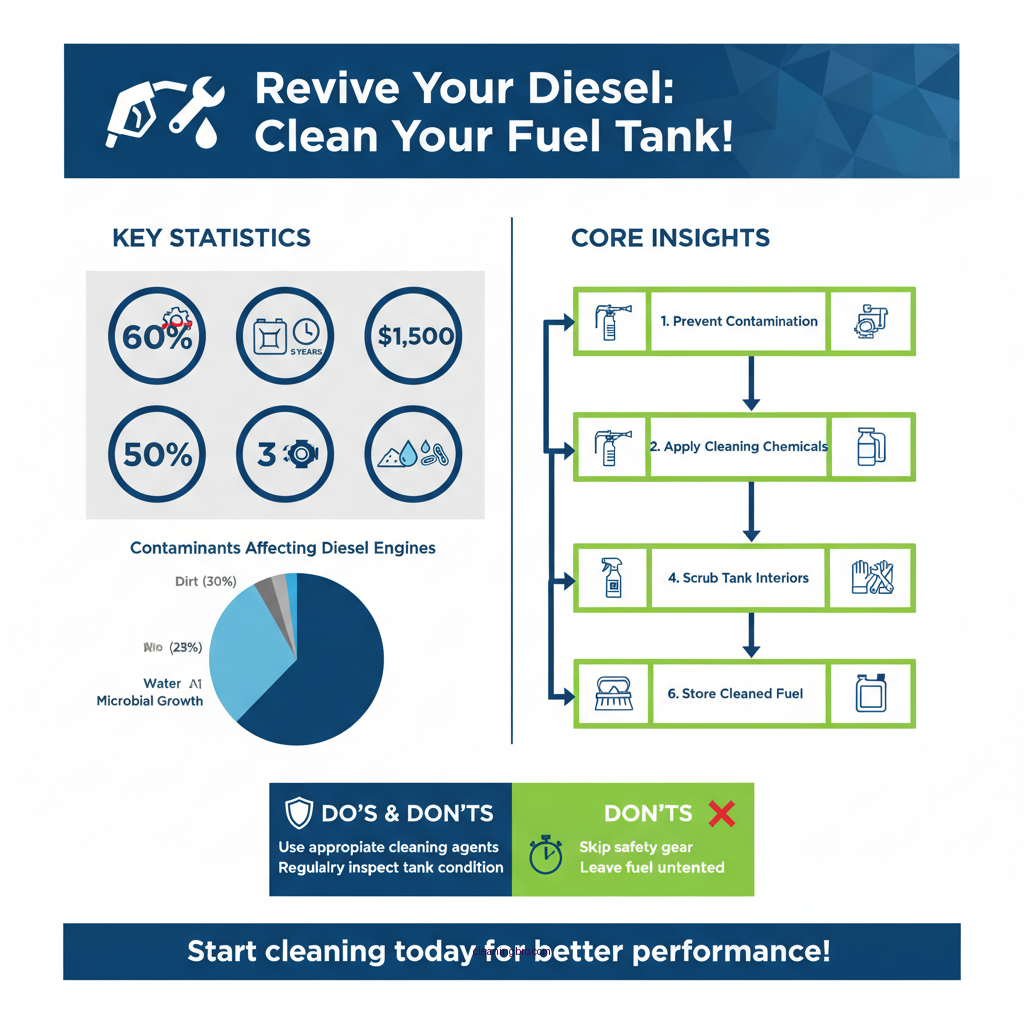
The first step in cleaning a diesel fuel tank is to safely drain all diesel fuel. Use a siphon pump to remove the fuel from the tank into approved containers. Ensure you perform this step in a well-ventilated area, away from open flames or sparks. Once drained, it is advisable to store the fuel in clean, sealed containers for future use.
Removing Contaminants
After the tank is empty, it is time to clean the interior surfaces. Start by inspecting the tank to identify areas with heavy buildup or sludge. Use a combination of fuel tank cleaning chemicals and scrub brushes to clean the surfaces thoroughly. Apply the cleaning agent according to the manufacturer’s instructions and allow it to sit for the recommended time.
Using a scrub brush, scrub the interior of the tank vigorously, paying particular attention to corners and seams where contaminants tend to accumulate. If necessary, use a vacuum cleaner to remove any loose debris and residues. Rinse the tank with clean water to remove any remaining cleaning agents, then dry it completely before proceeding.
Safety Precautions to Take
Safety should always be a priority when working with diesel fuel and cleaning agents. Here are some essential safety precautions:
– Proper Ventilation: Ensure the area is well-ventilated to avoid inhaling harmful fumes. If working indoors, use fans or open windows to increase airflow.
– Fire Safety: Always have a fire extinguisher nearby when working with flammable materials. Avoid smoking or using any open flames in the vicinity.
– Personal Protective Equipment (PPE): Wear gloves, goggles, and a respirator to protect yourself from chemical exposure and fumes.
Inspecting the Fuel Tank
After cleaning, it’s crucial to inspect the fuel tank for any signs of damage, such as rust, leaks, or structural integrity issues. Look for any areas where the coating might have worn off or where corrosion has begun. Ensure that the tank is completely dry before refilling it with diesel fuel, as moisture can lead to further contamination.
Re-filling and Testing
Once the tank is clean and dry, carefully refill it with clean diesel fuel. It is advisable to use a fuel filtration system to ensure that no contaminants are introduced during the refilling process. After refilling, start the engine and monitor for any irregularities in performance. Listen for unusual sounds, check for leaks, and ensure that the engine runs smoothly before putting the equipment back into operation.
Maintenance Tips for the Future
To maintain a clean diesel fuel tank and prevent future contamination, consider the following maintenance tips:
– Schedule Regular Cleanings: Depending on usage frequency, schedule regular cleanings of your diesel fuel tank—typically at least once a year or more frequently for heavy usage.
– Install Fuel Filtration Systems: Consider installing high-quality fuel filtration systems that can help minimize the entry of contaminants into the tank.
– Monitor Fuel Quality: Regularly check the quality of your diesel fuel, looking for signs of water or microbial growth. Use fuel additives as necessary to maintain fuel quality.
Keeping your diesel fuel tank clean is vital to the longevity and efficiency of your equipment. By following these steps and maintaining regular cleaning schedules, you can ensure a reliable fuel system that contributes to optimal engine performance. Don’t hesitate to take action—gather your materials and get started on cleaning your diesel fuel tank today!
Top 7 Diesel Fuel Tank Cleaning Products (2024)
| # | Product | Effectiveness | Price | User Rating |
|---|---|---|---|---|
| 1 | Diesel Fuel Biocide | Excellent | $45 | ★★★★☆ |
| 2 | Tank Cleaner Pro | Very Good | $30 | ★★★★☆ |
| 3 | Fuel System Cleaner | Good | $25 | ★★★☆☆ |
| 4 | Rust Remover Plus | Very Good | $40 | ★★★★☆ |
| 5 | Bio-Clean Diesel | Excellent | $50 | ★★★★★ |
| 6 | Pro Fuel Tank Cleaner | Good | $28 | ★★★☆☆ |
| 7 | Tank Cleaner Supreme | Excellent | $55 | ★★★★☆ |
Effectiveness of Diesel Fuel Cleaning Solutions
Diesel Fuel Tank Cleaning Products Comparison
| Feature | ⭐ Diesel Fuel Biocide | Bio-Clean Diesel | Tank Cleaner Pro |
|---|---|---|---|
| Price | $45 | $50 | $30 |
| Effectiveness | ✅ Excellent | ✅ Excellent | ✅ Very Good |
| Rust Prevention | Yes | Yes | No |
| Microbial Growth Inhibition | Yes | Yes | No |
| Application Method | Pour-in | Pour-in | Spray |
| Compatibility | All Diesel Types | All Diesel Types | Common Diesel Types |
| User Rating | ★★★★☆ | ★★★★★ | ★★★★☆ |
| Availability | Available | Available | Limited |
| 🏆 Best For | Comprehensive Cleaning | Long-term Protection | Budget-friendly |
In summary, cleaning your diesel fuel tank is not just a maintenance task; it is an essential practice that ensures the longevity and efficiency of your engine. By understanding the importance of cleaning, using the right tools and materials, and following a structured approach, you can keep your fuel system in optimal condition. Regular maintenance and timely cleanings will lead to better performance, reduced costs, and a smoother operation of your diesel-powered equipment.
Frequently Asked Questions
How do I properly clean a diesel fuel tank?
To properly clean a diesel fuel tank, begin by draining the fuel and removing any sludge or contaminants from the bottom. Use a specialized fuel tank cleaner or a mixture of diesel and a degreaser, scrubbing the interior surfaces thoroughly. Rinse with clean diesel and ensure it is completely dry before refilling to prevent water contamination.
What are the signs that my diesel fuel tank needs cleaning?
Signs that your diesel fuel tank needs cleaning include frequent fuel filter clogging, poor engine performance, or visible sludge when inspecting the tank. Additionally, if you notice water or microbial growth in your fuel, it’s crucial to clean the tank to maintain optimal fuel quality and engine function.
Why is it important to clean a diesel fuel tank regularly?
Regularly cleaning a diesel fuel tank is important to prevent the buildup of sediments, sludge, and microbial contamination that can compromise fuel quality. This not only helps maintain engine efficiency and extends the lifespan of fuel filters but also minimizes the risk of costly repairs due to fuel system damage.
What is the best method for cleaning a diesel fuel tank at home?
The best method for cleaning a diesel fuel tank at home involves draining the tank completely, using a pump or siphon, and then scrubbing the interior with a fuel-specific cleaner. After scrubbing, rinse the tank with clean diesel to remove residues and allow it to dry completely before refilling, ensuring that no contaminants are left behind.
Which tools and materials do I need to clean a diesel fuel tank effectively?
To clean a diesel fuel tank effectively, you’ll need a few essential tools and materials including a siphon pump, fuel tank cleaner, scrub brushes, a vacuum or wet/dry shop vac, and safety gear such as gloves and goggles. Depending on the tank’s size, you may also need a pressure washer for thorough cleaning, especially to remove stubborn deposits.
References
- Diesel fuel
https://en.wikipedia.org/wiki/Diesel_fuel - https://www.sciencedirect.com/topics/engineering/diesel-fuel
https://www.sciencedirect.com/topics/engineering/diesel-fuel - https://www.ncbi.nlm.nih.gov/pmc/articles/PMC6515214/
https://www.ncbi.nlm.nih.gov/pmc/articles/PMC6515214/ - Primer on Patentability and Use of Ideas Developed by Contractors Performing Work for State and F…
https://www.nap.edu/catalog/24693/clean-diesel-fuel-and-the-environment - Diesel Fuel Standards | US EPA
https://www.epa.gov/diesel-fuel-standards - Turner-Fairbank Highway Research Center – Public Roads | FHWA
https://www.fhwa.dot.gov/publications/publicroads/03mar/02.cfm - https://www.mayoclinic.org/healthy-lifestyle/consumer-health/in-depth/diesel-exhaust/art-20045139
https://www.mayoclinic.org/healthy-lifestyle/consumer-health/in-depth/diesel-exhaust/art-20045139 - Diesel fuel | Definition, Efficiency, & Pollution | Britannica
https://www.britannica.com/science/diesel-fuel - Google Scholar Google Scholar
https://scholar.google.com/scholar?q=clean+diesel+fuel+tank - Google Scholar Google Scholar
https://scholar.google.com/scholar?q=maintenance+diesel+fuel+tank