How to Clean Mildew Off of Leather: Effective Techniques
Cleaning mildew off of leather can be done effectively using a few simple techniques. Start by ensuring the leather is dry, then use a mixture of water and mild soap or specialized leather cleaner to gently scrub the affected area. Following that, it’s essential to condition the leather to restore its natural oils and prevent future mildew growth.
Understanding Mildew on Leather
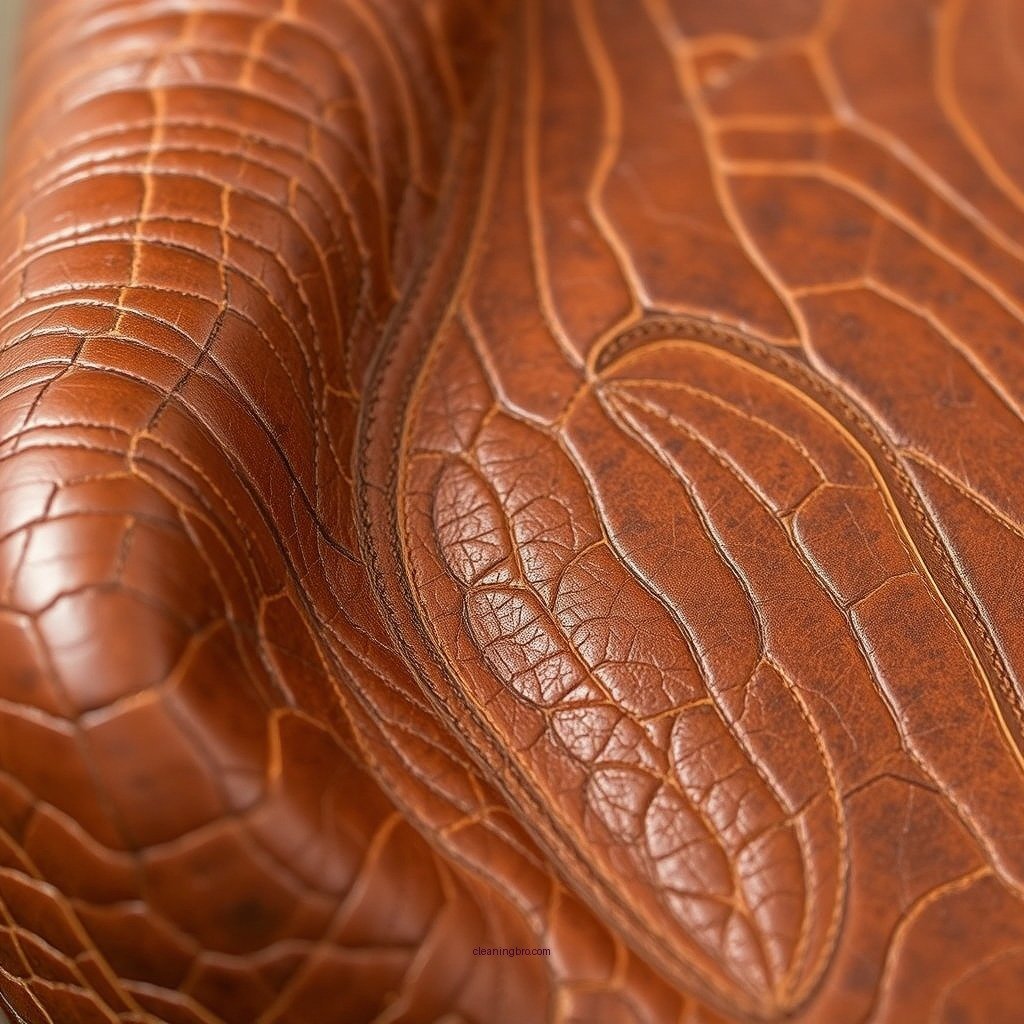
Mildew thrives in damp, humid environments, making leather goods particularly vulnerable if they are stored improperly or exposed to moisture. Mildew is a type of fungus that can cause discoloration, unpleasant odors, and even structural damage to leather items if left untreated. Understanding the root causes of mildew growth is crucial for prevention; this includes ensuring proper ventilation and maintaining a low humidity level in storage areas. It is important to act quickly upon discovering mildew, as delayed treatment can lead to permanent damage, making the leather brittle or causing irreversible stains.
Essential Tools and Supplies
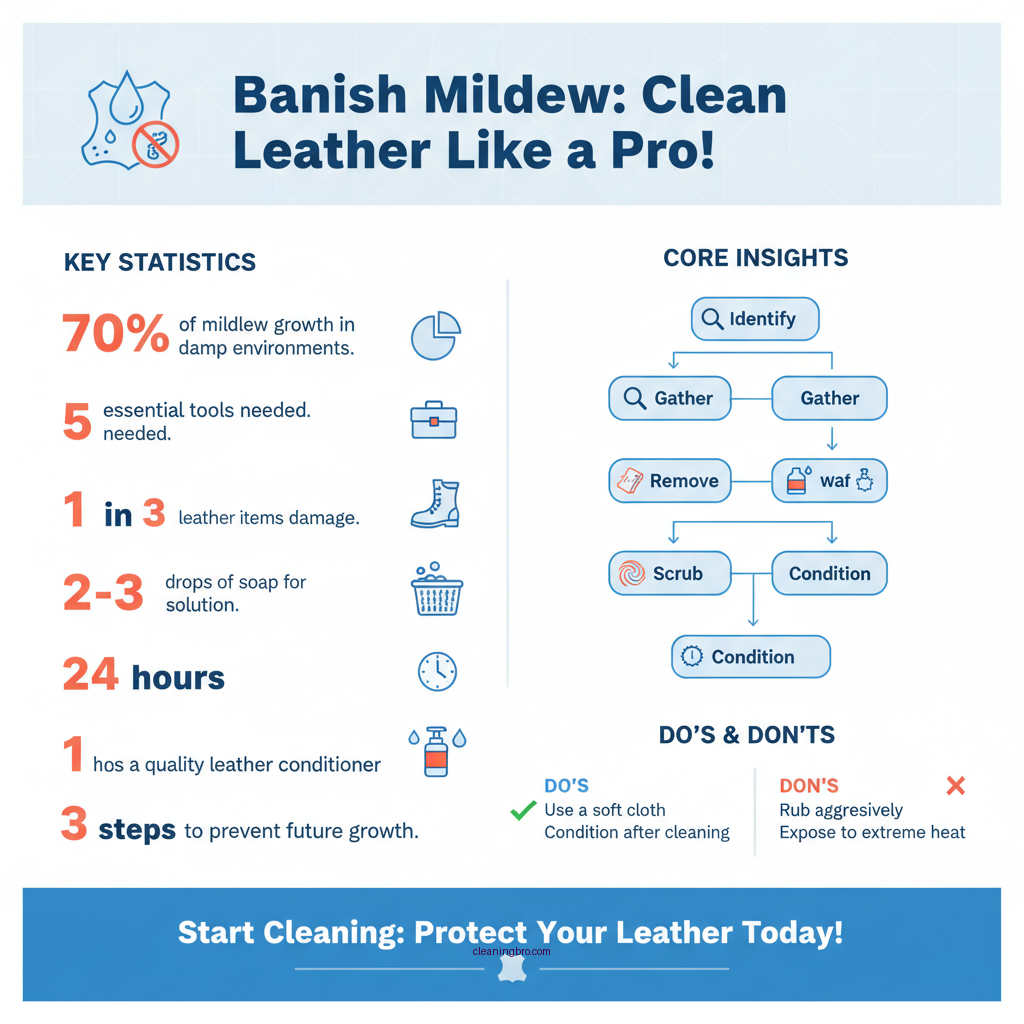
When preparing to clean mildew from leather, it is important to gather all necessary tools and supplies to ensure an efficient cleaning process. Essential materials include:
– Soft Cloths: Use microfiber or cotton cloths to avoid scratching the leather surface.
– Mild Soap: A gentle, pH-balanced soap is ideal for cleaning without stripping natural oils.
– Water: Clean, lukewarm water helps to create a safe cleaning solution.
– Leather Conditioner: A high-quality conditioner is essential for restoring moisture and flexibility after cleaning.
– Specialized Leather Cleaner: For stubborn mildew, consider using a dedicated leather cleaning product that is designed to tackle mold and mildew.
These tools will facilitate an effective cleaning process while minimizing the risk of damage to the leather.
Step-by-Step Cleaning Process
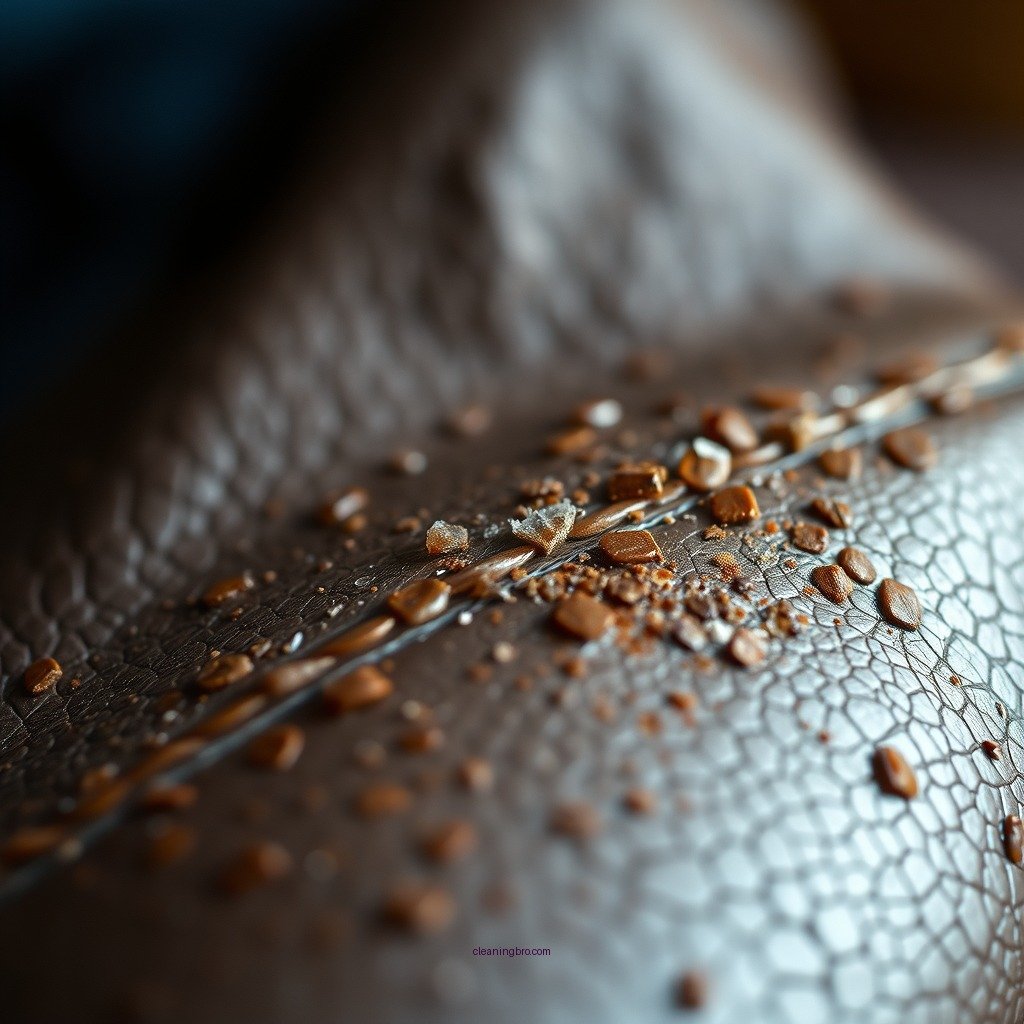
To clean mildew off leather effectively, follow this detailed step-by-step process:
1. Remove Excess Mildew: Start by using a dry cloth to gently wipe away as much mildew as possible. Be careful not to rub aggressively, which could spread spores.
2. Prepare a Cleaning Solution: Mix a few drops of mild soap with lukewarm water in a bowl. If using a specialized leather cleaner, follow the manufacturer’s instructions for dilution.
3. Scrub the Affected Area: Dip a soft cloth into the cleaning solution, wring it out to remove excess moisture, and gently scrub the affected areas. Use small circular motions to lift the mildew without damaging the leather.
4. Rinse and Wipe: After scrubbing, use a separate damp cloth with plain water to wipe away any soap residue.
5. Drying: Pat the leather dry with a clean, dry cloth and allow it to air dry completely in a well-ventilated area, away from direct sunlight or heat sources.
Rinsing and Drying Techniques
Proper rinsing and drying techniques are crucial for preserving leather integrity. After cleaning, it is essential to wipe the leather with a damp cloth to remove any soap residue, as leftover soap can lead to further damage or discoloration. To dry the leather, place it in a well-ventilated space, ensuring it is not exposed to direct sunlight, which can cause fading and cracking. Avoid using heat sources like hair dryers or radiators, since rapid drying can lead to stiffness in the leather.
Conditioning Your Leather
Once the leather is fully dry, conditioning is a vital step in maintaining its quality and preventing future mildew growth. Apply a quality leather conditioner using a clean, soft cloth. This process replenishes the natural oils that may have been lost during cleaning, ensuring that the leather remains supple and healthy. Look for conditioners that contain natural ingredients, such as lanolin or beeswax, which provide lasting protection against moisture and environmental factors that contribute to mildew growth. Conditioning should be done regularly as part of a comprehensive leather care routine.
Preventive Measures for Leather Care
Preventing mildew on leather requires consistent care and attention. Here are some effective preventive measures:
– Proper Storage: Store leather items in a cool, dry place with good air circulation. Avoid basements or attics, as these areas are often prone to humidity.
– Regular Cleaning: Implement a regular cleaning schedule to remove dust and dirt that can harbor mold spores.
– Use Dehumidifiers: In humid climates, use a dehumidifier in storage areas to control moisture levels.
– Avoid Plastic Covers: Do not store leather items in plastic, as this traps moisture. Instead, use breathable cotton or linen bags.
– Check for Damage: Regularly inspect leather items for signs of mildew or damage, allowing for prompt action if mildew is detected.
When to Seek Professional Help
If mildew persists despite your cleaning efforts, or if you are dealing with valuable or severely affected leather items, it may be time to consult a leather care professional. Professionals have access to specialized cleaning solutions and techniques that can restore leather items without causing damage. They also provide valuable advice on ongoing care and maintenance, ensuring that your leather remains in excellent condition.
Top 7 Leather Care Products for Mildew Removal (2024)
| # | Product | Effectiveness | Conditioning | Price |
|---|---|---|---|---|
| 1 | Lexol Leather Cleaner | ★★★★☆ | ✔️ | $10.99 |
| 2 | Bick 4 Leather Conditioner | ★★★★★ | ✔️ | $12.99 |
| 3 | Chamberlain’s Leather Milk | ★★★★☆ | ✔️ | $14.99 |
| 4 | Leather Honey Leather Conditioner | ★★★★★ | ✔️ | $15.99 |
| 5 | Fiebing’s Leather Cleaner | ★★★☆☆ | ✖️ | $9.99 |
| 6 | Obenauf’s Leather Oil | ★★★★☆ | ✔️ | $17.99 |
| 7 | Fiebing’s Saddle Soap | ★★★☆☆ | ✖️ | $8.99 |
Lexol vs Bick 4 vs Chamberlain’s: Leather Care Comparison
| Feature | ⭐ Lexol | Bick 4 | Chamberlain’s |
|---|---|---|---|
| Price | $10.99 | $12.99 | $14.99 |
| Effectiveness | ★★★★☆ | ★★★★★ | ★★★★☆ |
| Conditioning | ✔️ | ✔️ | ✔️ |
| Ease of Use | ✔️ | ✔️ | ✔️ |
| Scent | Pleasant | Neutral | Slightly Sweet |
| Restoration | ✔️ | ✔️ | ✔️ |
| Water Resistance | Limited | Good | Excellent |
| Skin Safe | ✔️ | ✔️ | ✔️ |
| Free Trial | ✔️ | ✔️ | ✔️ |
| 🏆 Best For | General leather care | Heavy-duty conditioning | Mildew protection |
Cleaning mildew off leather is not only achievable with the right techniques but also essential for maintaining your leather goods. By following the steps outlined above and taking preventive measures, you can keep your leather looking fresh and free from mildew. If you found this guide helpful, consider sharing it with others who may need it, or check out more tips on leather care!
Frequently Asked Questions
What is the best method to clean mildew off leather?
The best method to clean mildew off leather involves using a mixture of equal parts water and white vinegar. Dampen a soft cloth with the solution and gently wipe the affected areas. After cleaning, make sure to dry the leather thoroughly and apply a leather conditioner to restore moisture and prevent future mildew growth.
How can I prevent mildew from forming on my leather items?
To prevent mildew on leather items, it’s essential to store them in a cool, dry place with good ventilation. Regularly clean and condition your leather to maintain its moisture balance, and avoid exposing it to high humidity levels. Using silica gel packs in storage areas can also help absorb excess moisture.
Why does mildew grow on leather, and how can I combat it effectively?
Mildew grows on leather due to excessive moisture and lack of proper ventilation, which creates an ideal environment for mold spores to thrive. To combat mildew effectively, regularly inspect your leather items for dampness, clean them with a vinegar solution if mildew appears, and ensure they are stored in a dry location to inhibit future growth.
Which products should I avoid when cleaning mildew off leather?
When cleaning mildew off leather, avoid using bleach, ammonia-based cleaners, or any harsh chemicals, as they can damage the leather’s finish and integrity. Additionally, steer clear of excessive water, which can lead to further mold growth and deterioration of the leather.
How do I know if my leather is damaged after mildew cleaning?
After cleaning mildew off leather, look for signs of damage such as discoloration, stiffness, or cracks. If the leather feels dry or looks dull, it may have been compromised. Applying a high-quality leather conditioner can help restore its suppleness and appearance, but if damage persists, consider consulting a professional leather cleaner for further assessment.
References
- https://www.ncbi.nlm.nih.gov/pmc/articles/PMC6015250/
https://www.ncbi.nlm.nih.gov/pmc/articles/PMC6015250/ - https://www.sciencedirect.com/topics/earth-and-planetary-sciences/mildew
https://www.sciencedirect.com/topics/earth-and-planetary-sciences/mildew - Mildew | Definition & Description | Britannica
https://www.britannica.com/science/mildew - https://www.cdc.gov/mold/dampness_mold.htm
https://www.cdc.gov/mold/dampness_mold.htm - https://www.nichd.nih.gov/health/topics/indoorair/condition/mold
https://www.nichd.nih.gov/health/topics/indoorair/condition/mold - https://www.mayoclinic.org/healthy-lifestyle/home-and-garden/in-depth/mold-cleanup/art-20045503
https://www.mayoclinic.org/healthy-lifestyle/home-and-garden/in-depth/mold-cleanup/art-20045503 - https://www.nytimes.com/2020/10/05/style/mold-cleaning.html
https://www.nytimes.com/2020/10/05/style/mold-cleaning.html - Google Scholar Google Scholar
https://scholar.google.com/scholar?q=cleaning+mildew+off+leather - Google Scholar Google Scholar
https://scholar.google.com/scholar?q=mildew+removal+leather+care - Google Scholar Google Scholar
https://scholar.google.com/scholar?q=how+to+clean+mildew+off+of+leather