How to Clean Mold Off of Leather Boots: A Step-by-Step Guide
Understanding Mold Growth on Leather
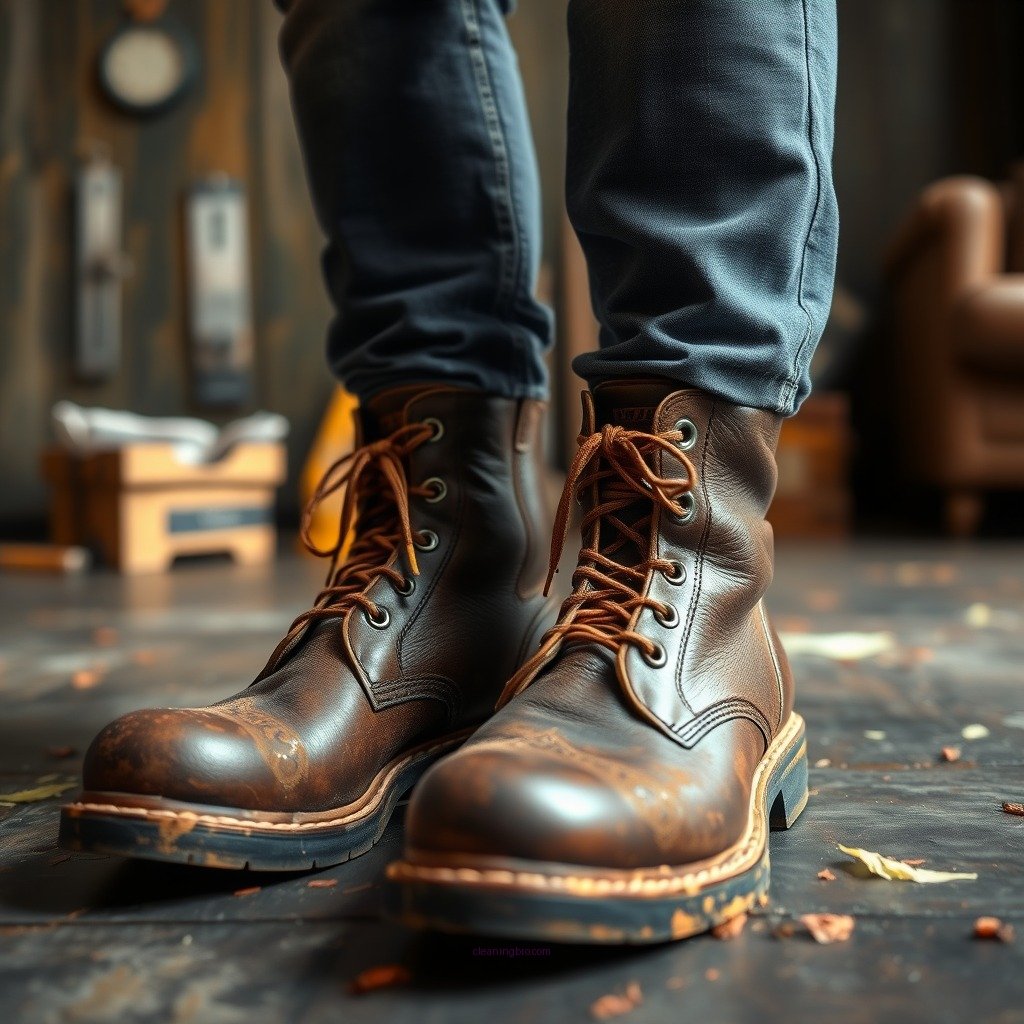
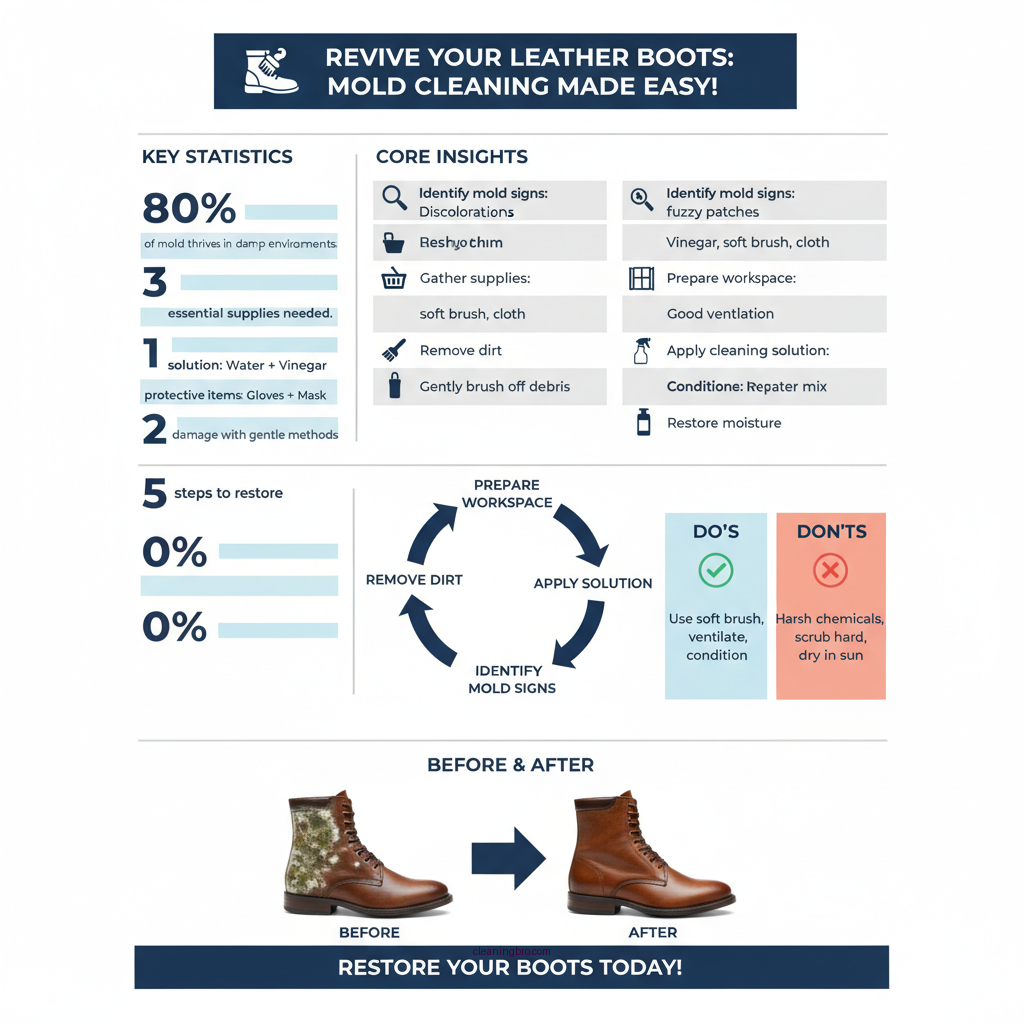
Mold thrives in damp, dark environments, making leather boots susceptible if stored improperly. When leather boots are exposed to excessive moisture, such as humidity or spills, the organic materials in the leather can provide an ideal breeding ground for mold spores. Identifying early signs of mold, such as discoloration, fuzzy patches, or a musty smell, can prevent more extensive damage to the leather. If left untreated, mold can weaken the leather, leading to cracks and irreversible deterioration. Therefore, prompt action is essential to maintain the integrity and appearance of your leather footwear.
Essential Supplies for Cleaning Mold
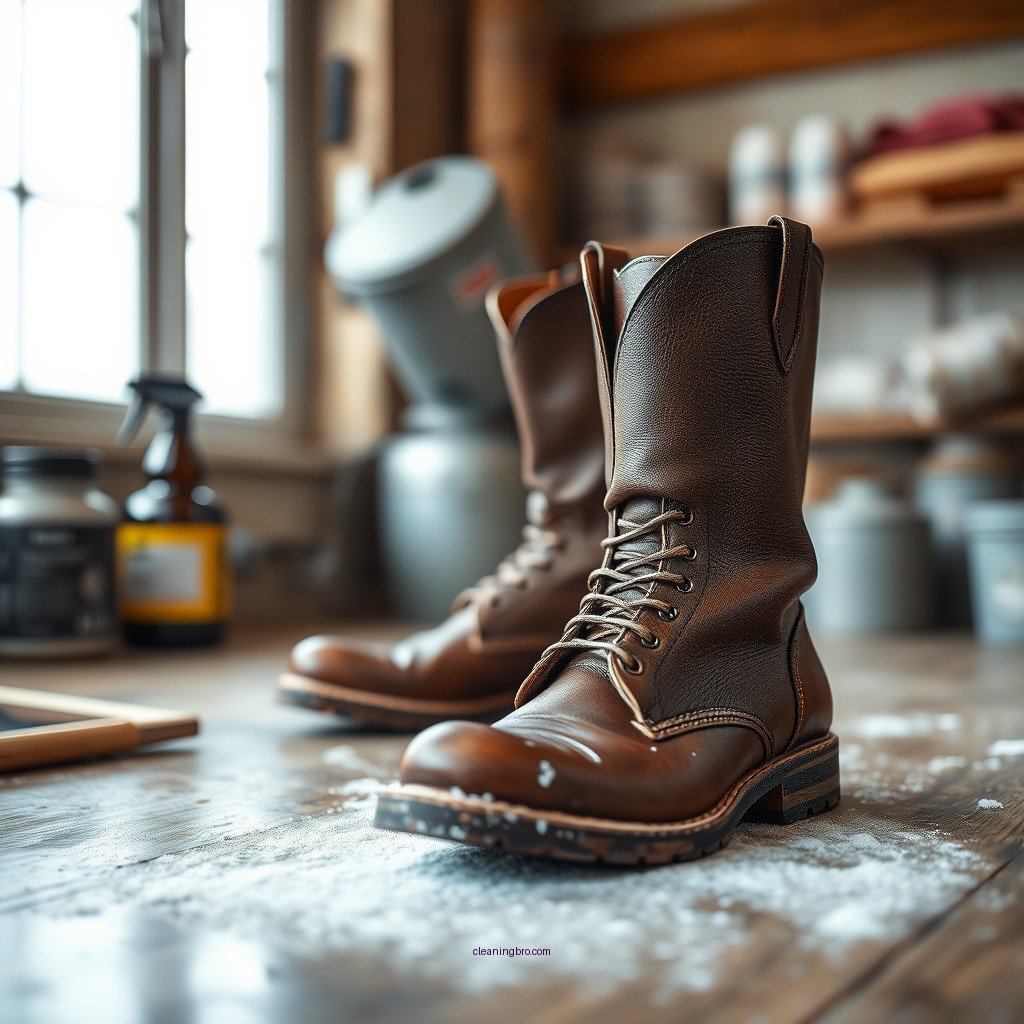
Before starting the cleaning process, it’s important to gather the necessary supplies. Essential items include:
– White Vinegar: A natural mold killer that is safe for leather and effective in neutralizing odors.
– Soft Brush: A gentle brush, such as a toothbrush or a horsehair brush, will help remove loose dirt and debris without damaging the leather.
– Microfiber Cloths: These are ideal for applying cleaning solutions and drying the leather, as they are non-abrasive and lint-free.
– Leather Conditioner: This helps restore moisture and suppleness to the leather after cleaning.
– Gloves and Face Mask: To protect yourself from mold spores and cleaning solutions, wearing gloves and a face mask is recommended.
– Well-Ventilated Area: Ensure you are working in a space with good airflow to avoid inhaling mold spores or strong cleaning odors.
Step-by-Step Cleaning Process
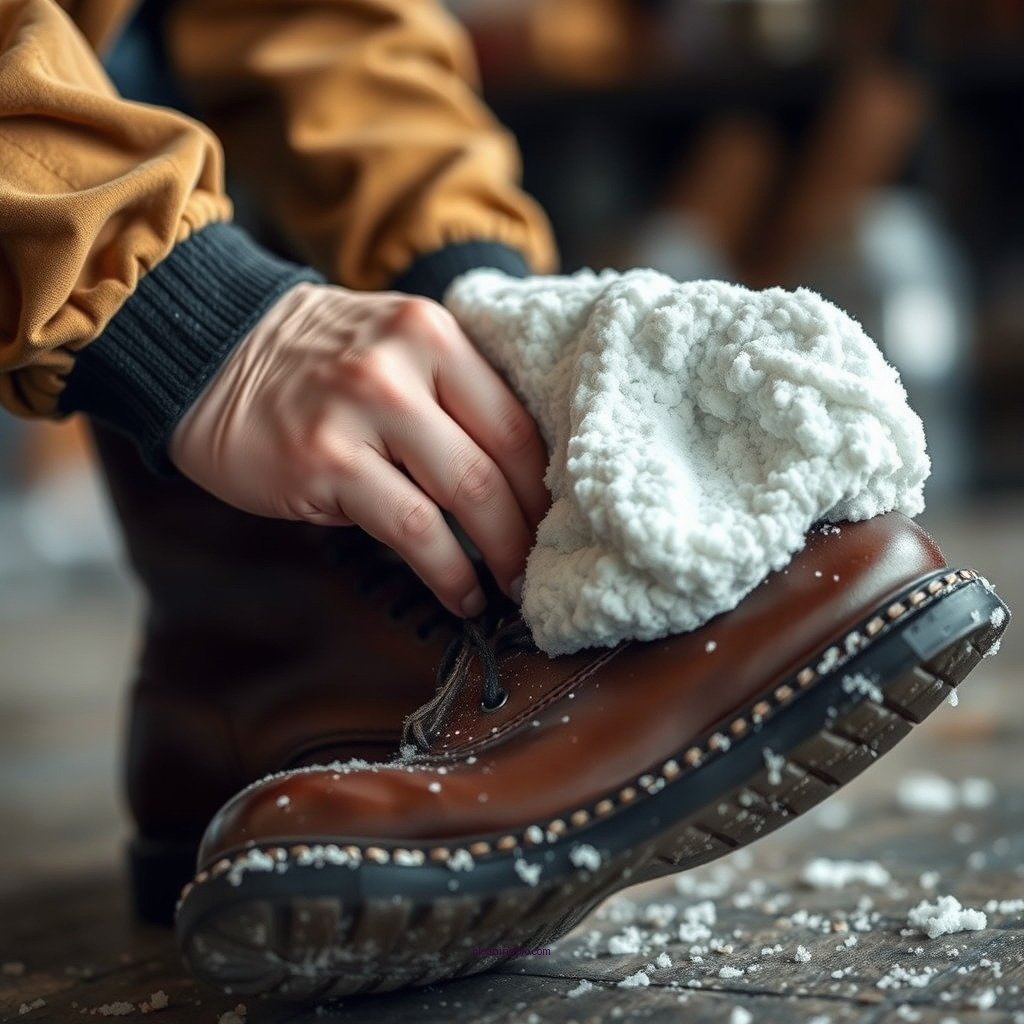
1. Preparation: Begin by preparing your workspace. Make sure you are in a well-ventilated area and wear protective gear.
2. Remove Loose Dirt: Use a soft brush to gently remove any loose dirt or debris from the surface of the boots. This step is crucial, as it prevents scratching the leather during the cleaning process.
3. Mix Cleaning Solution: In a small bowl, mix equal parts of water and white vinegar. This solution is effective in killing mold spores and will not harm the leather.
4. Apply Solution: Dampen a microfiber cloth with the vinegar solution and gently apply it to the moldy areas of the boots. Avoid soaking the leather, as excess moisture can worsen mold problems.
5. Scrub Gently: For stubborn mold spots, use the soft brush to gently scrub the affected areas. Be cautious not to apply too much pressure, as this can damage the leather.
6. Wipe Clean: After scrubbing, use a clean microfiber cloth dampened with plain water to wipe away any remaining cleaning solution and mold residue.
7. Dry Completely: Allow your boots to air dry completely in a well-ventilated area, away from direct sunlight or heat sources, which can cause the leather to crack.
Drying and Conditioning the Leather
After your boots are dry, it’s essential to restore moisture and flexibility to the leather. Apply a high-quality leather conditioner to a clean microfiber cloth and gently work it into the leather using circular motions. This process not only helps to revive the leather’s natural oils but also creates a protective barrier against future moisture. Conditioning should be done regularly, especially after cleaning, to maintain the health and longevity of your leather boots.
Preventing Future Mold Growth
To prevent mold from returning, consider the following storage and maintenance tips:
– Store Properly: Keep your leather boots in a cool, dry place with adequate airflow. Avoid storing them in damp basements or closets without ventilation.
– Use Silica Gel Packs: Placing silica gel packs in your storage area can help absorb excess moisture, reducing the likelihood of mold growth.
– Regular Cleaning: Incorporate regular cleaning and conditioning into your boot care routine. A quick wipe-down after wearing them can prevent dirt buildup and moisture retention.
– Rotate Footwear: Allow your boots to rest between wears. This practice helps them dry out completely and reduces the risk of mold.
When to Seek Professional Help
If mold persists after cleaning, or if the boots are heavily affected, consider consulting a professional cleaner who specializes in leather care. Professional cleaners have access to specialized products and techniques that can effectively treat mold without damaging your boots. Additionally, if your boots have significant mold damage, a professional can assess the condition and recommend whether they can be restored or if it’s time to replace them. Understanding when to seek help can save you time and prevent potential damage to your beloved boots.
Top 7 Brands of Leather Cleaner for Mold Removal (2024)
| # | Brand | Effectiveness | Price | User Rating |
|---|---|---|---|---|
| 1 | Leather Honey | Highly Effective | $15.99 | ★★★★★ |
| 2 | Bickmore Bick 4 | Moderately Effective | $12.99 | ★★★★☆ |
| 3 | Fiebing’s Leather Cleaner | Effective | $10.00 | ★★★★☆ |
| 4 | Lexol Leather Cleaner | Good | $9.99 | ★★★☆☆ |
| 5 | Kiwi Camp Dry | Moderately Effective | $11.50 | ★★★★☆ |
| 6 | Moneysworth & Best | Effective | $8.99 | ★★★★☆ |
| 7 | Shoe MGK | Highly Effective | $19.99 | ★★★★★ |
Leather Cleaning Products: Comparison of Top 3 Options
| Feature | ⭐ Leather Honey | Fiebing’s Leather Cleaner | Lexol Leather Cleaner |
|---|---|---|---|
| Effectiveness | ✅ Highly Effective | ✅ Effective | ✅ Good |
| Price | $15.99 | $10.00 | $9.99 |
| Ease of Use | ✅ Easy | ✅ Moderate | ❌ Difficult |
| Odor Neutralization | ✅ Excellent | ✅ Good | ❌ Poor |
| Water Resistance | ✅ High | ✅ Moderate | ❌ Low |
| Residue After Cleaning | ✅ None | ✅ Minimal | ❌ High |
| Conditioning Properties | ✅ Excellent | ✅ Good | ❌ Poor |
| Price per Ounce | $1.00 | $0.83 | $0.75 |
| Free Trial | ✅ Yes | ✅ Yes | ❌ No |
| 🏆 Best For | All leather types | General leather care | Budget-friendly options |
Maintaining leather boots can be simple with the right techniques. By following these steps to clean mold, condition your leather, and prevent future growth, you’ll keep your boots looking their best. Take action today and give your leather boots the care they deserve!
Frequently Asked Questions
What are the best methods to clean mold off of leather boots?
The best methods to clean mold off of leather boots include using a mixture of equal parts water and white vinegar, or a specialized leather cleaner. Apply the solution to a soft cloth and gently scrub the affected areas. After cleaning, wipe the boots with a damp cloth to remove any residue and allow them to dry away from direct sunlight.
How can I prevent mold from growing on my leather boots?
To prevent mold from growing on your leather boots, store them in a cool, dry place with good ventilation. Additionally, ensure they are clean and dry before storing, and consider using a leather conditioner to maintain their moisture balance. Regularly check your boots for signs of moisture or mold and take action immediately if you notice any issues.
Why does mold grow on leather boots, and how can I identify it?
Mold grows on leather boots primarily due to high humidity, dampness, and lack of airflow, which create the perfect environment for mold spores to thrive. You can identify mold by looking for dark spots or patches on the leather surface, which may appear fuzzy or discolored. Early detection can help prevent further damage to your boots.
Which products should I avoid when cleaning mold off leather boots?
When cleaning mold off leather boots, avoid using bleach or ammonia-based cleaners, as these can damage the leather and cause discoloration. Additionally, steer clear of excessive water, as it can lead to further deterioration of the leather material. Instead, focus on gentle cleaning solutions specifically designed for leather care.
How do I care for my leather boots after removing mold?
After removing mold from your leather boots, it’s essential to condition them to restore moisture and flexibility. Use a high-quality leather conditioner and apply it evenly, allowing it to absorb fully. Regular cleaning and conditioning will help maintain their appearance and prevent future mold growth, keeping your leather boots in excellent condition.
References
- https://www.cdc.gov/mold/cleanup-guide.html
https://www.cdc.gov/mold/cleanup-guide.html - Mold Cleanup in Your Home | US EPA
https://www.epa.gov/mold/mold-cleanup-your-home - https://www.ncbi.nlm.nih.gov/pmc/articles/PMC3924311/
https://www.ncbi.nlm.nih.gov/pmc/articles/PMC3924311/ - https://www.mayoclinic.org/healthy-lifestyle/adult-health/expert-answers/mold/faq-20058034
https://www.mayoclinic.org/healthy-lifestyle/adult-health/expert-answers/mold/faq-20058034 - https://www.who.int/news-room/fact-sheets/detail/mold
https://www.who.int/news-room/fact-sheets/detail/mold - Google Scholar Google Scholar
https://scholar.google.com/scholar?q=cleaning+mold+off+leather+boots - Google Scholar Google Scholar
https://scholar.google.com/scholar?q=mold+removal+leather+care - Google Scholar Google Scholar
https://scholar.google.com/scholar?q=leather+cleaning+mold+removal - Google Scholar Google Scholar
https://scholar.google.com/scholar?q=how+to+clean+mold+off+of+leather+boots - how to clean mold off of leather boots – Search results
https://en.wikipedia.org/wiki/Special:Search?search=how+to+clean+mold+off+of+leather+boots