How to Clean Patio Pavers Without Removing Sand
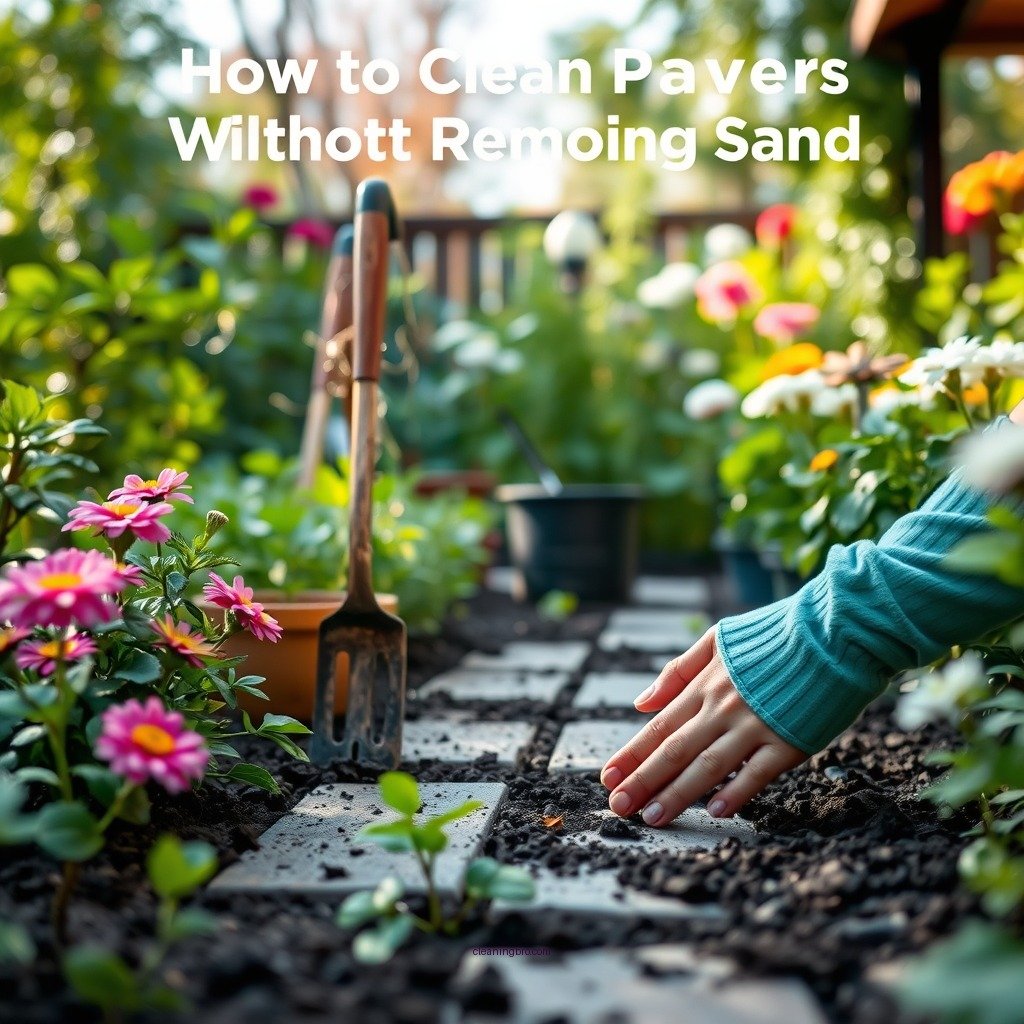
Cleaning patio pavers without removing the sand can be easily accomplished with the right techniques and tools. By using gentle methods and effective cleaning solutions, you can restore the beauty of your pavers without disturbing the sand between them. This guide will walk you through the best practices for maintaining your patio’s appearance while preserving its structure, ensuring your outdoor space remains inviting and aesthetically pleasing.
Regular maintenance of patio pavers not only enhances their visual appeal but also extends their lifespan. The accumulation of dirt, stains, and organic debris can lead to the growth of weeds and moss, which can compromise the integrity of the sand joints. Thus, adopting a structured cleaning approach is crucial. Below are the best practices to clean your patio pavers effectively without disrupting the sand.
Use a Broom or Leaf Blower
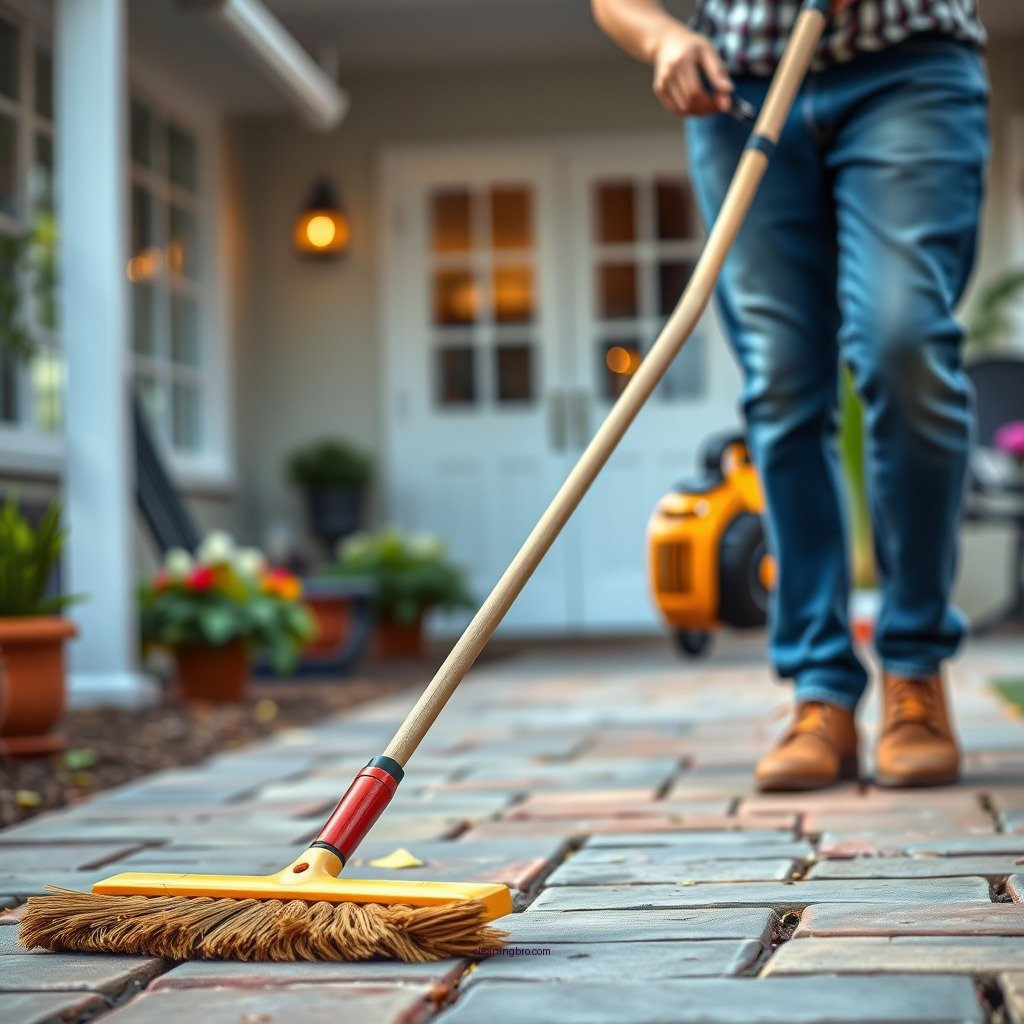
One of the simplest and most effective ways to maintain the cleanliness of your patio pavers is by regularly sweeping the surface. Using a broom can help you remove dirt, leaves, and other debris that may accumulate over time. Opt for a stiff-bristled broom to ensure you can reach into the joints and corners effectively.
Alternatively, a leaf blower can be employed for a more efficient clean-up. This tool allows you to clear loose material quickly without the risk of displacing the sand between your pavers. When using a leaf blower, maintain a safe distance from the pavers to prevent any unintended movement of the sand.
Choose the Right Cleaning Solution
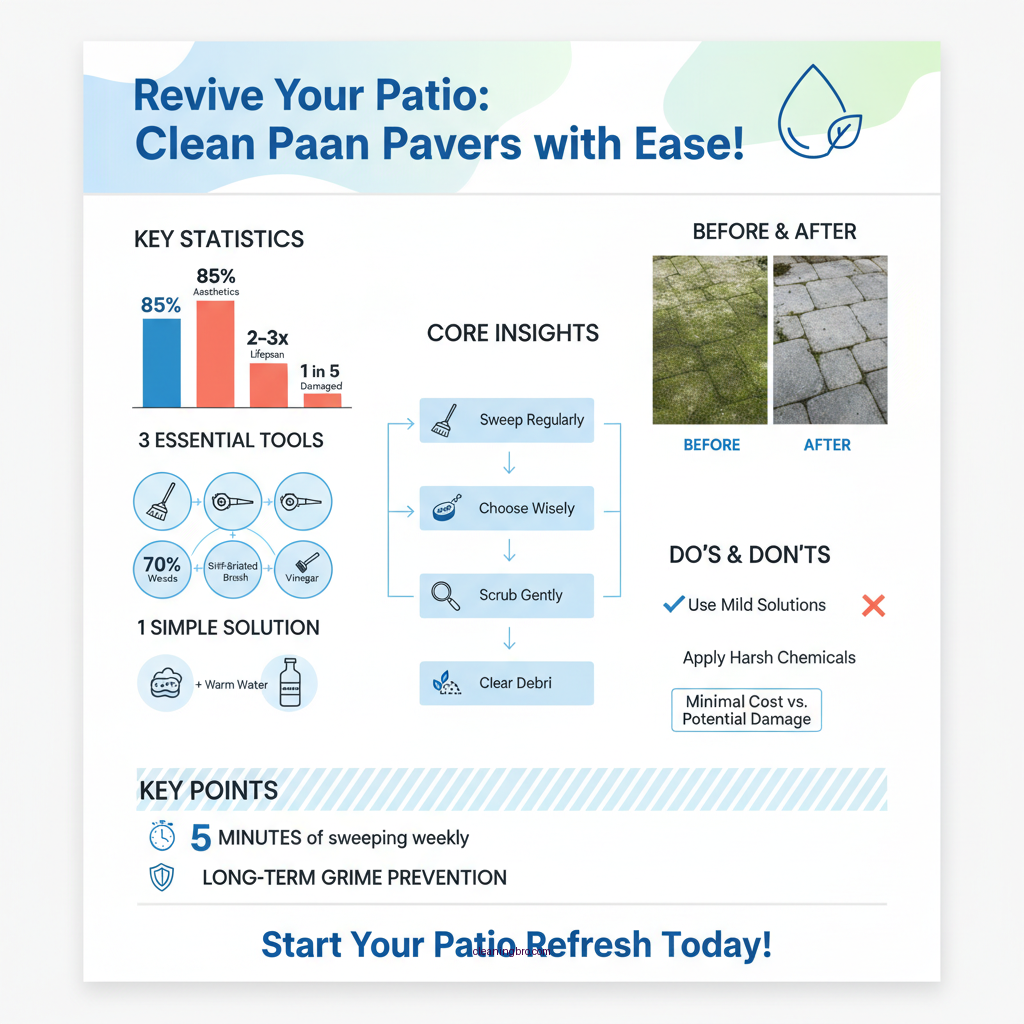
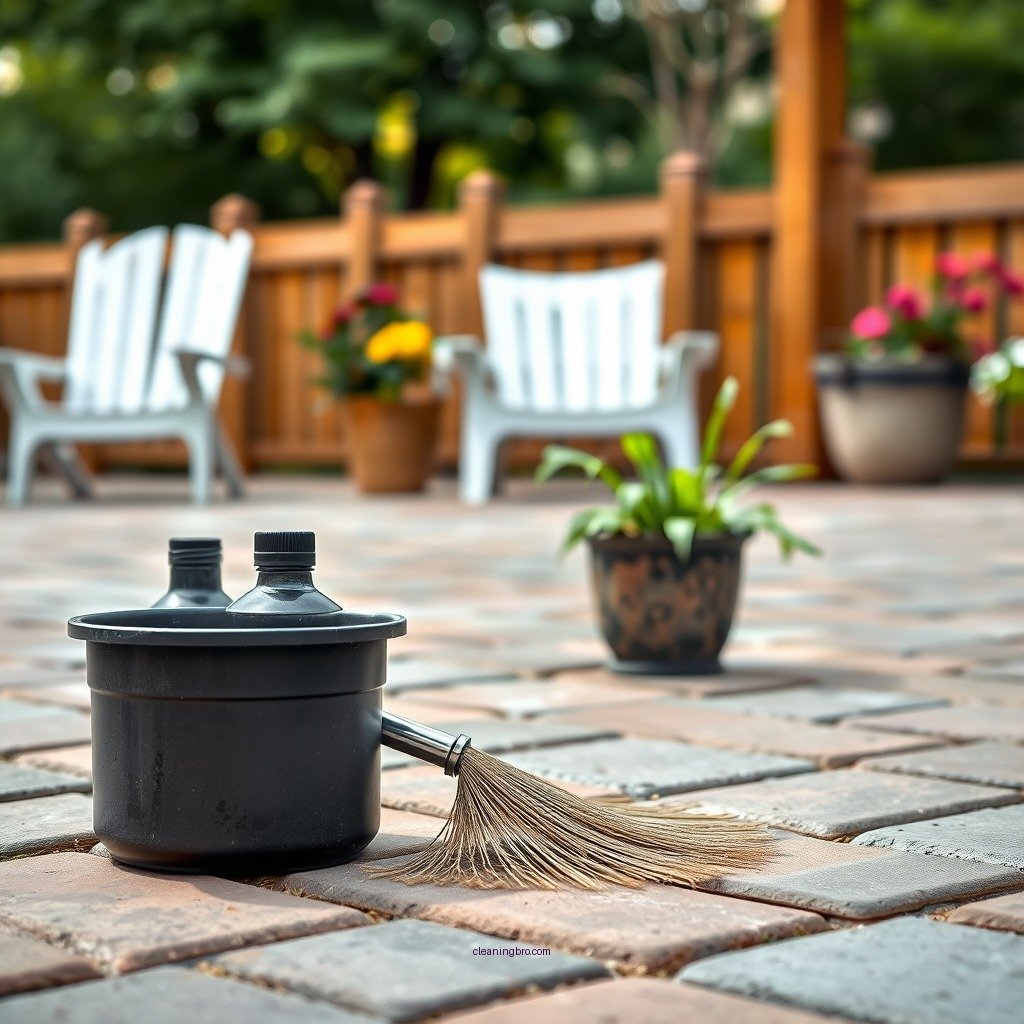
When it comes to cleaning solutions, it’s crucial to select a product that is gentle yet effective. Avoid harsh chemicals that can damage the pavers or the environment. A simple mixture of mild soap and warm water or a vinegar solution can work wonders. Vinegar, being a natural disinfectant, can help in breaking down stains while being safe for the paver material.
Before applying any cleaning solution, always test it on a small, inconspicuous area of the paver to ensure it does not cause discoloration or damage. This precaution is essential, especially if your pavers are made from natural stone or have a specific finish.
Scrub Gently with a Brush
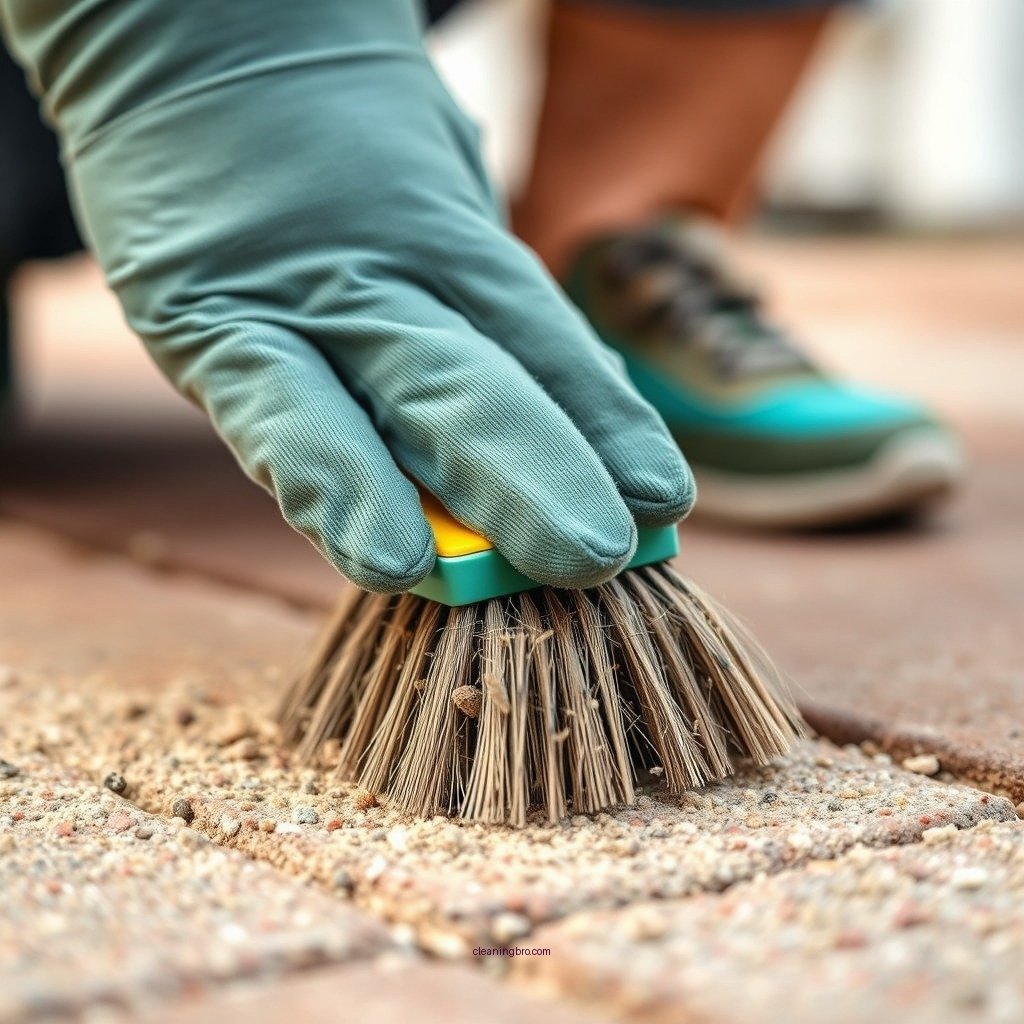
Once you have chosen your cleaning solution, use a stiff-bristled brush to scrub away any stains, grime, or algae that may have built up on your pavers. It is important to scrub gently to avoid disturbing the sand that holds the pavers in place. Focus on one section at a time to ensure thorough cleaning.
When scrubbing, apply the cleaning solution directly to the pavers and let it sit for a few minutes before scrubbing. This dwell time allows the solution to penetrate and break down tough stains, making them easier to remove.
Rinse with Water
After thoroughly scrubbing the pavers, the next step is to rinse the area with water. A garden hose with a spray nozzle is ideal for this task. Make sure to rinse the area completely to remove any soap or cleaning solution residue, which can lead to a slippery surface.
It is crucial to avoid using high-pressure washing systems, as these can displace the sand between the pavers. High-pressure water can erode the joints and may lead to uneven surfaces or shifting of the pavers, ultimately compromising your patio’s structural integrity.
Addressing Stains Specifically
For persistent or specific stains such as oil or rust, you may need to employ specific stain removers designed for use on pavers. Many of these products are formulated to tackle tough stains without damaging the surface of the pavers. Always follow the manufacturer’s instructions for application.
Before using any stain remover, conduct a spot test on a small, inconspicuous area to ensure compatibility with your pavers. This step is vital, especially for colored or textured pavers that may react differently to cleaning agents.
Regular Maintenance
Regular maintenance is key to preventing significant build-up of dirt and debris, which can lead to more extensive cleaning efforts down the line. Make it a habit to check the joints between the pavers periodically and refill sand as necessary. This practice not only helps in maintaining the appearance of your patio but also prevents weed growth, which can disrupt the sand and compromise the stability of the pavers.
Seasonal cleaning is also recommended to keep your patio looking its best. By incorporating these cleaning routines into your maintenance plan, you can ensure your patio remains a beautiful and functional part of your outdoor space.
Safety Precautions
When cleaning your patio pavers, safety should always be a priority. Wear gloves and protective eyewear when handling cleaning solutions, especially if they contain chemicals. This protective gear will safeguard your skin and eyes from potential irritation.
If using any chemical cleaners, ensure that you are in a well-ventilated area. Adequate ventilation helps to dissipate fumes and reduces the risk of inhaling any harmful substances. Always adhere to the safety guidelines provided on the product labels.
Top 7 Cleaning Solutions for Patio Pavers (2024)
| # | Product | Type | Efficacy | Safety |
|---|---|---|---|---|
| 1 | Simple Green | All-Purpose Cleaner | Excellent | Safe |
| 2 | OxiClean | Stain Remover | Very Good | Safe |
| 3 | Vinegar Solution | DIY Cleaner | Excellent | Very Safe |
| 4 | EcoSMART | Natural Cleaner | Good | Very Safe |
| 5 | CLR | Calcium Remover | Very Good | Safe |
| 6 | Zep | Concrete Cleaner | Excellent | Safe |
| 7 | Wet & Forget | Moss Remover | Good | Safe |
Simple Green vs OxiClean vs CLR: Full Comparison
| Feature | ⭐ Simple Green | OxiClean | CLR |
|---|---|---|---|
| Type | All-Purpose Cleaner | Stain Remover | Calcium Remover |
| Effectiveness | High | Moderate | High |
| Safety | Non-toxic | Non-toxic | Caution |
| Application | Spray & Wipe | Spray & Rinse | Spray & Rinse |
| Stain Removal | Good | Excellent | Good |
| Surface Compatibility | Most surfaces | Pavers & Concrete | Concrete & Stone |
| Environmentally Friendly | ✅ Yes | ✅ Yes | ❌ No |
| Price | $10.99 | $5.99 | $8.99 |
| 🏆 Best For | General Use | Stain Challenges | Calcium Removal |
Maintaining the cleanliness of your patio pavers without removing sand is achievable with consistent care and the right techniques. By regularly sweeping, using gentle cleaners, and performing periodic scrubbing, you can keep your outdoor space looking pristine. Implementing these strategies today will lead to a vibrant patio that enhances your home’s curb appeal and invites you to enjoy your outdoor oasis. Remember, a well-maintained patio not only serves as an extension of your home but also reflects your commitment to home care and aesthetics.
Frequently Asked Questions
How can I effectively clean patio pavers without removing the sand joint?
To clean patio pavers without disturbing the sand, start by sweeping away loose debris and dirt. Use a pressure washer on a low setting to avoid displacing the sand, or opt for a mix of water and mild detergent applied with a stiff brush. This method helps lift stains and grime without compromising the sand joint.
What are the best cleaning solutions for patio pavers that won’t wash away the sand?
The best cleaning solutions for patio pavers include a mix of warm water and dish soap, or a specialized paver cleaner that is safe for joint sand. Avoid using harsh chemicals or bleach, as these can erode the sand and damage the pavers. Always test any cleaning solution on a small area first to ensure it won’t cause discoloration.
Why is it important to keep the sand joint intact when cleaning patio pavers?
Maintaining the integrity of the sand joint is crucial because it helps stabilize the pavers, preventing shifting and weed growth. When sand is washed away, it can lead to uneven surfaces and increased maintenance needs. Keeping the sand intact ensures the longevity of your patio and preserves its aesthetic appeal.
Which tools are best for cleaning patio pavers without removing sand?
The best tools for cleaning patio pavers without removing sand include a stiff-bristled broom, a pressure washer with a wide nozzle, and a stiff brush for scrubbing. Additionally, a leaf blower can help remove debris without disturbing the sand. These tools allow for effective cleaning while protecting the sand joints.
How often should I clean my patio pavers to prevent buildup without losing sand?
It’s recommended to clean your patio pavers at least once or twice a year to prevent buildup of dirt, algae, and moss without losing sand. Regular maintenance, including sweeping and spot cleaning, can help keep your pavers looking fresh. Establishing a cleaning routine will not only maintain their appearance but also prolong their lifespan.
References
- https://www.extension.purdue.edu/extmedia/HO/HO-221-W.pdf
https://www.extension.purdue.edu/extmedia/HO/HO-221-W.pdf - https://www.extension.umn.edu/garden/yard-garden/landscaping/cleaning-patio-pavers/
https://www.extension.umn.edu/garden/yard-garden/landscaping/cleaning-patio-pavers/ - https://www.britannica.com/technology/paving-stone
https://www.britannica.com/technology/paving-stone - https://www.sciencedirect.com/topics/earth-and-planetary-sciences/paving-stone
https://www.sciencedirect.com/topics/earth-and-planetary-sciences/paving-stone - https://pubmed.ncbi.nlm.nih.gov/30126072/
https://pubmed.ncbi.nlm.nih.gov/30126072/ - Google Scholar Google Scholar
https://scholar.google.com/scholar?q=cleaning+patio+pavers+without+removing+sand - Google Scholar Google Scholar
https://scholar.google.com/scholar?q=patio+paver+maintenance+techniques - Google Scholar Google Scholar
https://scholar.google.com/scholar?q=how+to+clean+patio+pavers+without+removing+sand - how to clean patio pavers without removing sand – Search results
https://en.wikipedia.org/wiki/Special:Search?search=how+to+clean+patio+pavers+without+removing+sand - https://www.ncbi.nlm.nih.gov/search/research-articles/?term=how+to+clean+patio+pavers+without+removing+sand
https://www.ncbi.nlm.nih.gov/search/research-articles/?term=how+to+clean+patio+pavers+without+removing+sand