How to Clean a Pool Screen Enclosure Effectively
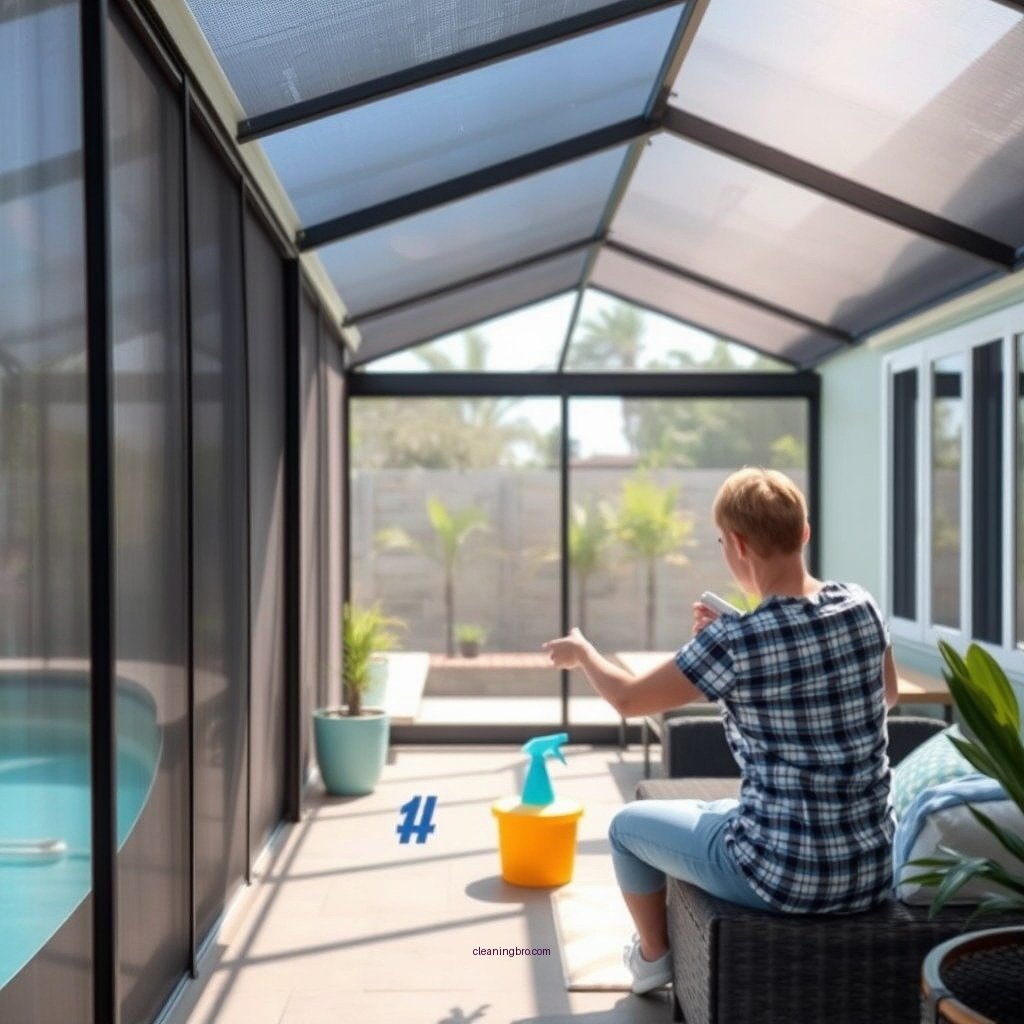
Cleaning your pool screen enclosure is essential for maintaining a clear view and preventing debris buildup. A clean enclosure not only enhances the aesthetics of your pool area but also prolongs the life of the screens and frames. The process is straightforward and involves a few simple steps that will leave your enclosure looking brand new. In this article, you’ll learn the best methods and tips for cleaning your pool screen enclosure efficiently.
Gather Your Cleaning Supplies
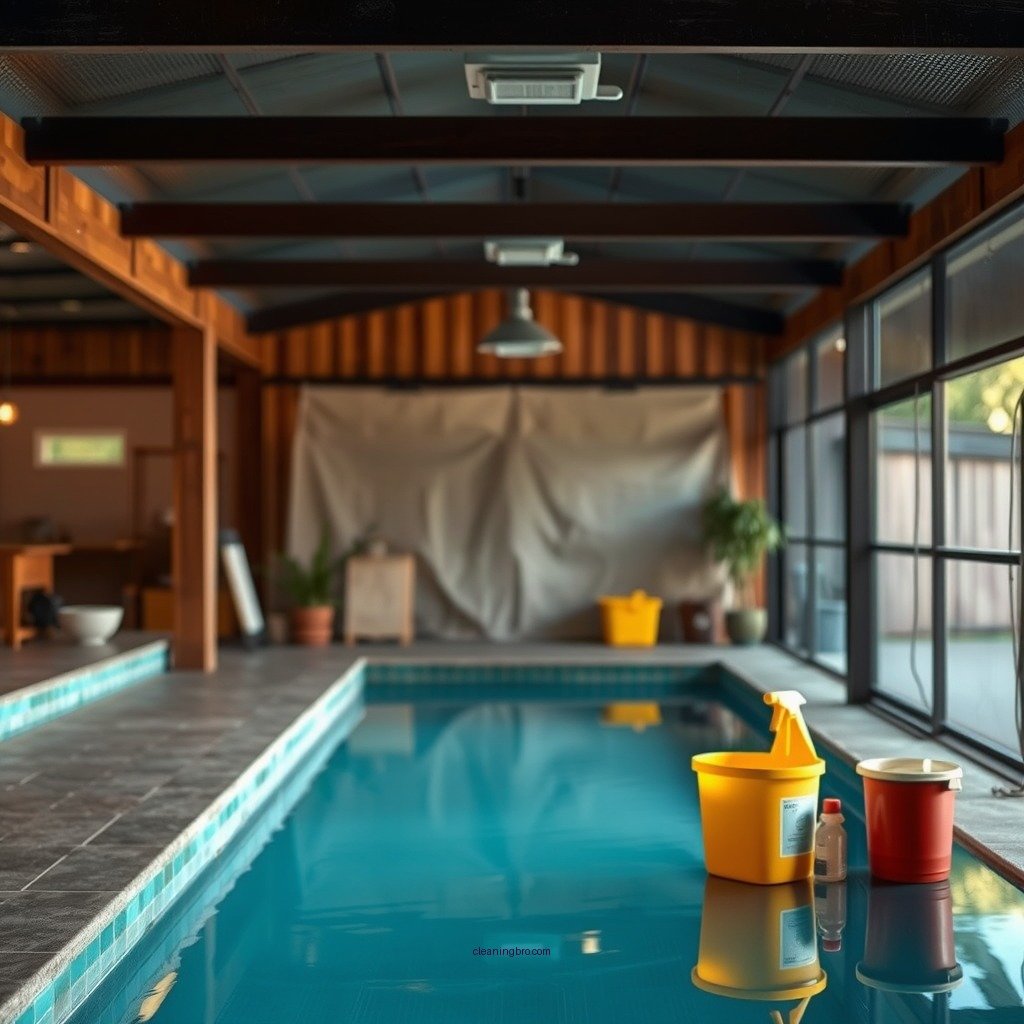
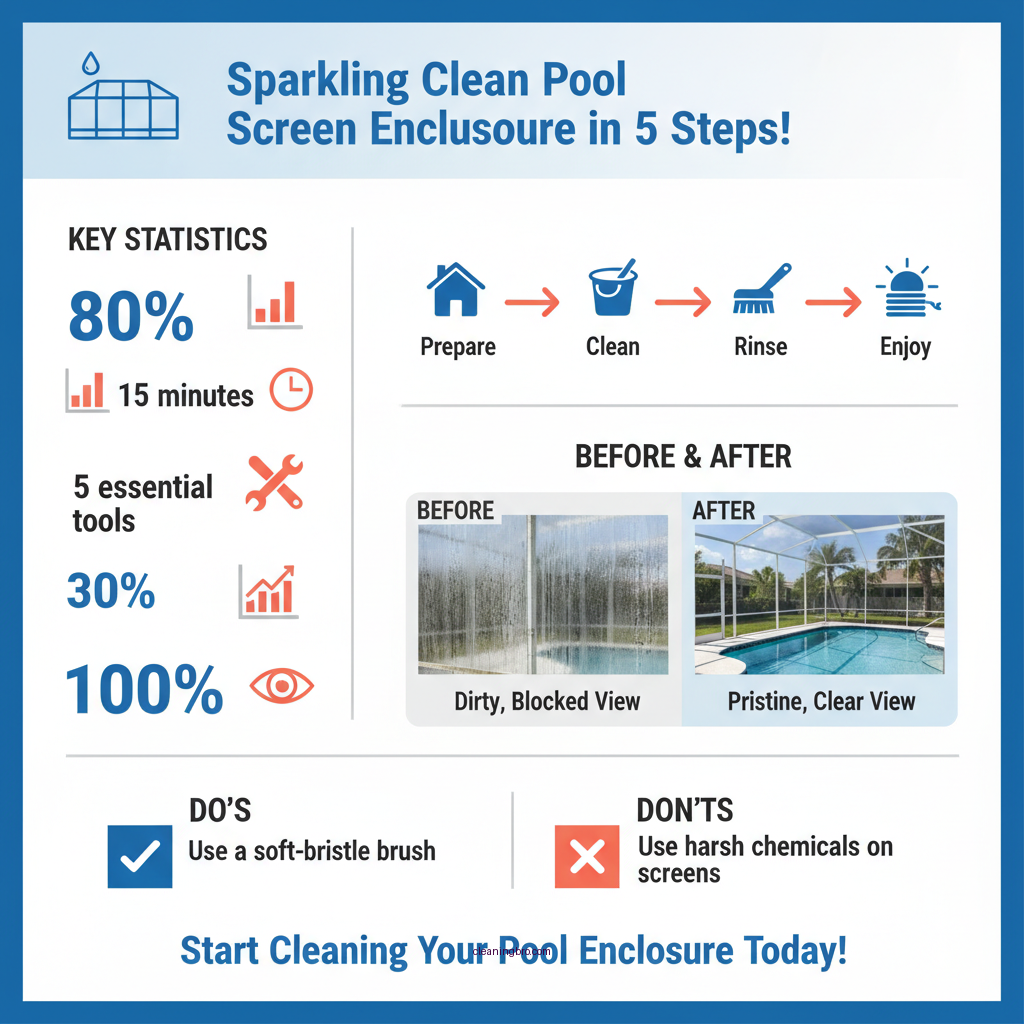
Before you start your cleaning process, gathering the right supplies is crucial. You will need a few essential items to ensure you can clean effectively and without damaging the enclosure:
– Soft Brush or Broom: A soft-bristle brush or broom will help you gently remove loose dirt and debris without scratching the screen.
– Bucket: A bucket is necessary to mix your cleaning solution.
– Mild Detergent: Use a mild detergent that is safe for outdoor use to avoid damaging your screens.
– Garden Hose: A garden hose is essential for rinsing off soap and debris after cleaning.
Having these supplies on hand will make your cleaning process much more efficient and thorough.
Prepare the Area
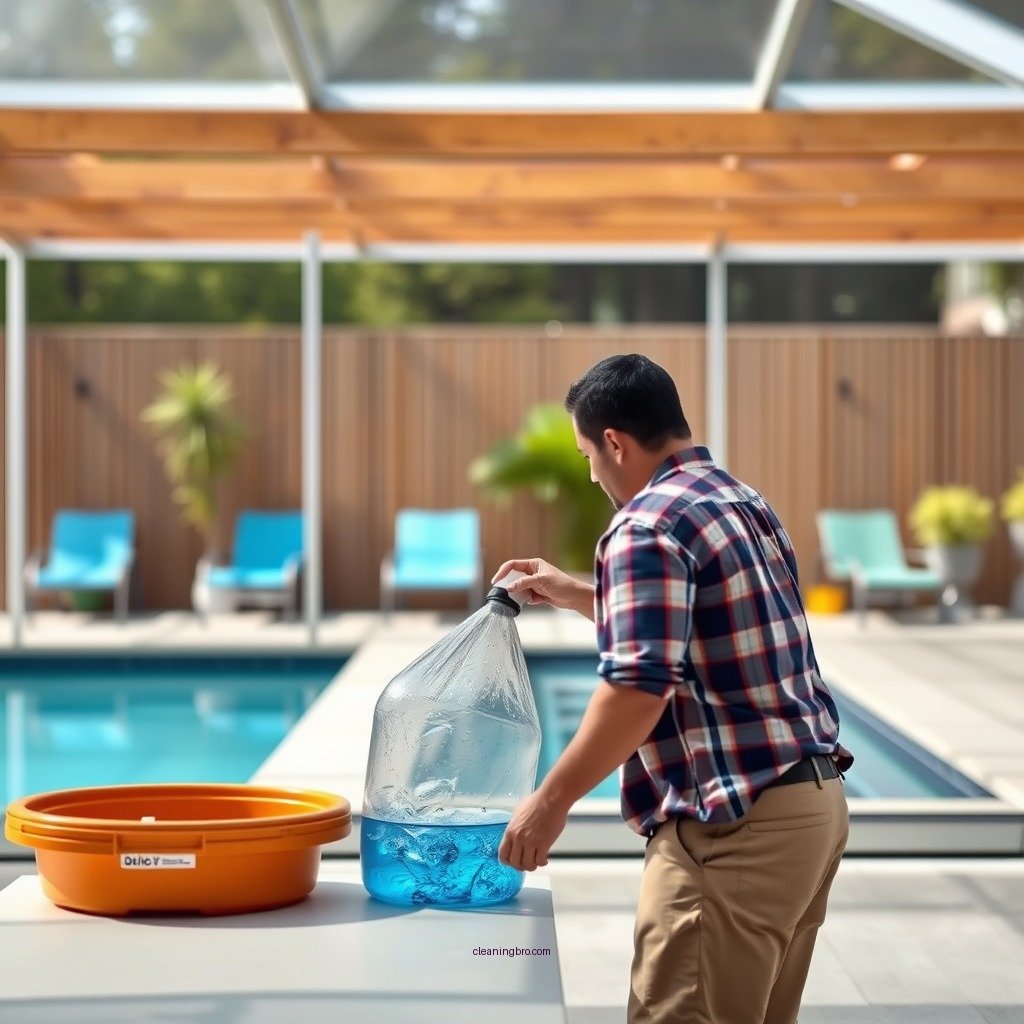
Proper preparation of the area around your pool screen enclosure is key to a successful cleaning. Here are some important steps to follow:
– Clear the Surrounding Area: Remove any furniture, plants, or obstacles near the enclosure to create a clean workspace. This will not only make access easier but will also protect your items from potential water damage or cleaning solutions.
– Ensure Ample Space: Make sure you have enough space to work comfortably. If you don’t have adequate room, you may accidentally damage nearby items or struggle to clean the enclosure effectively.
Taking the time to prepare the area will help streamline the entire cleaning process.
Remove Loose Debris
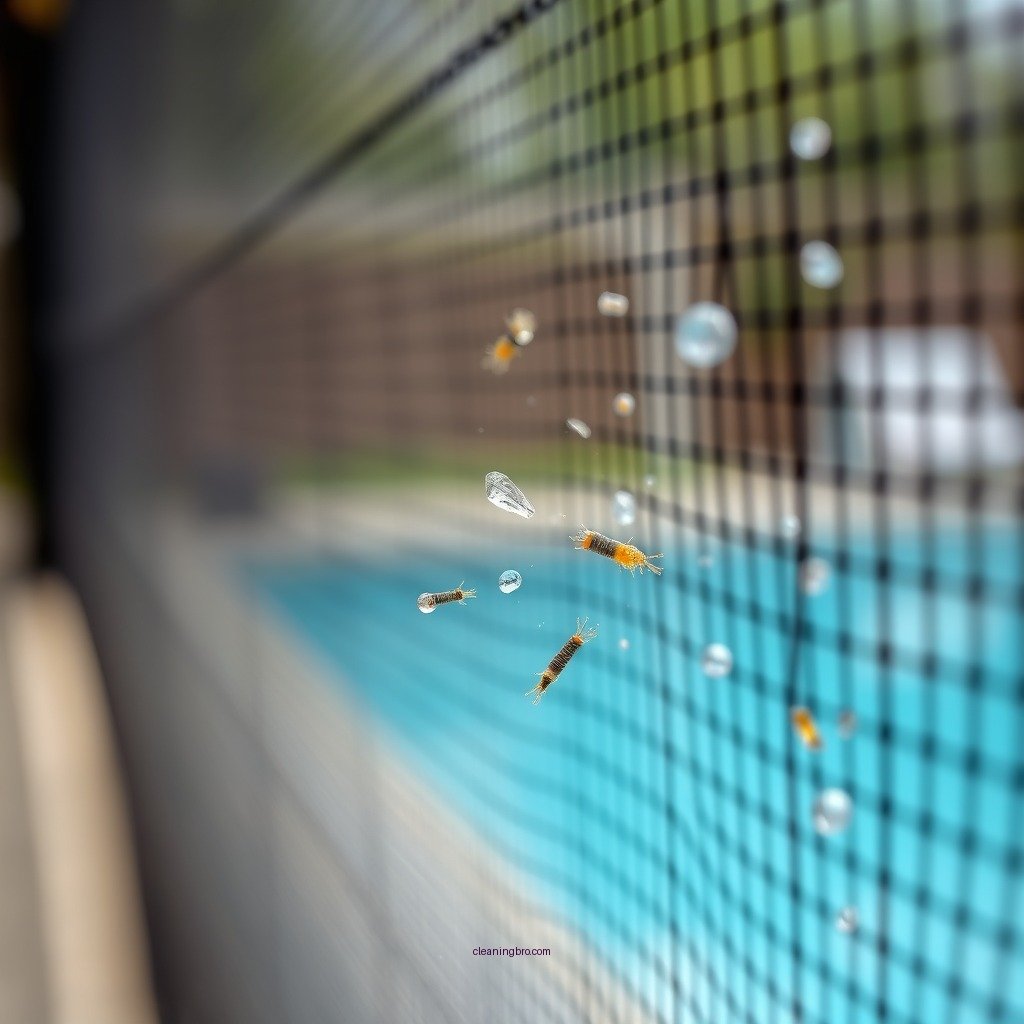
The first step in the actual cleaning process is to remove any loose debris from the enclosure:
– Sweep with a Soft-Bristle Brush: Begin by sweeping the enclosure with a soft-bristle brush to dislodge dirt, leaves, and other debris. This initial step helps prevent dirt from becoming embedded in the screen during washing.
– Use a Leaf Blower: If you have access to a leaf blower, it can be a quick and efficient way to remove larger debris without touching the screens. Aim the blower at the screens and watch as leaves and dust are blown away effortlessly.
Removing loose debris effectively sets the stage for a more thorough cleaning.
Wash the Screen and Frame
After removing loose debris, it’s time to wash both the screen and the frame:
– Mix Mild Detergent with Water: In your bucket, mix a solution of mild detergent and water. A ratio of one tablespoon of detergent per gallon of water is typically effective.
– Scrub the Screens and Frames: Using a non-abrasive sponge or cloth, gently scrub the screens and frames. Focus on any areas that appear particularly dirty or stained. Be careful not to apply too much pressure, as this could lead to tears in the screen material.
– Rinse Thoroughly: Once you are satisfied with the scrubbing, use your garden hose to rinse the screens and frames thoroughly to remove any soap residue. This step is crucial, as leftover soap can attract dirt and debris, undoing your hard work.
This washing process will leave your screen enclosure looking fresh and clean.
Address Stains and Mold
In humid environments, stains and mold can become a serious issue. Follow these steps to tackle them effectively:
– Create a Baking Soda Paste: For tough stains, mix baking soda with a small amount of water to form a paste. Apply it directly to the stained areas and let it sit for a few minutes before scrubbing gently with your sponge.
– Use Vinegar for Mold or Mildew: A solution of one part vinegar to three parts water can help eliminate mold and mildew. Spray this solution onto the affected areas, let it sit for a few minutes, and then scrub gently before rinsing off.
Addressing stains and mold promptly will help maintain the integrity of your screen enclosure.
Inspect and Repair
After cleaning, it’s important to inspect the enclosure for any damage:
– Check for Tears or Damages: Examine the screens closely for any tears or signs of wear. Small tears can often be repaired with screen repair tape, while larger issues may require replacement of the screen.
– Consider Replacement: If your screen is heavily damaged or worn out, it may be more cost-effective to replace it altogether. This will ensure that your enclosure remains functional and visually appealing.
Regular inspections will help you catch problems early, saving you time and money in the long run.
Regular Maintenance Tips
To keep your pool screen enclosure in top shape, consider implementing these regular maintenance tips:
– Schedule Regular Cleanings: Aim to clean your pool screen enclosure every few months. More frequent cleanings may be required if you live in an area with a lot of foliage or dust.
– Keep Nearby Foliage Trimmed: Trim back any plants or trees near the enclosure to minimize the amount of debris that can accumulate. This proactive approach will reduce the frequency of cleanings and keep your enclosure looking pristine.
By following these maintenance tips, you can prevent buildup and ensure your pool area remains inviting.
Top 7 Pool Screen Enclosure Cleaning Products (2024)
| # | Product Name | Type | Effectiveness |
|---|---|---|---|
| 1 | Harris Mold Remover | Spray | Excellent |
| 2 | Zep Heavy-Duty Cleaner | Liquid | Very Good |
| 3 | Simple Green All-Purpose Cleaner | Concentrate | Good |
| 4 | Star Brite Pool Cleaner | Liquid | Very Good |
| 5 | Clorox Pool and Spa Cleaner | Liquid | Excellent |
| 6 | Pool RX | Tablet | Good |
| 7 | OxiClean MaxForce | Spray | Very Good |
Top 3 Pool Screen Enclosure Cleaning Solutions
| Feature | ⭐ Harris Mold Remover | Zep Heavy-Duty Cleaner | Clorox Pool and Spa Cleaner |
|---|---|---|---|
| Type | Spray | Liquid | Liquid |
| Effectiveness | Excellent | Very Good | Excellent |
| Mold Removal | ✅ Best-in-class | ✅ Good | ✅ Good |
| Price | $12.99 | $8.99 | $10.99 |
| Availability | Online & Retail | Online | Retail Only |
| Eco-friendly | ✅ Yes | ✅ Yes | ✅ No |
| Ease of Use | Very Easy | Moderate | Easy |
| Scent | Fresh | Chemical | Fresh |
| Volume | 32 oz | 64 oz | 32 oz |
| 🏆 Best For | Mold removal | General cleaning | Pool and spa maintenance |
Regular maintenance will keep your pool screen enclosure in top shape, enhancing the overall appearance of your pool area. By following these steps, you can enjoy a clean and inviting space for relaxation and fun. Take action today and start cleaning your pool screen enclosure for a clearer view and a more enjoyable pool experience!
Frequently Asked Questions
What are the best methods for cleaning a pool screen enclosure?
The best methods for cleaning a pool screen enclosure include using a mixture of warm water and mild soap to scrub the screens gently with a soft brush. For tough stains or mildew, a solution of vinegar and water can be effective. Always rinse the enclosure thoroughly with a hose to remove any soap residue, ensuring the screens remain clear and functional.
How often should I clean my pool screen enclosure?
It is recommended to clean your pool screen enclosure at least once every three months, or more frequently if you live in an area with high pollen or dust levels. Regular cleaning helps to prevent buildup of dirt, algae, and mildew, which can damage the screens and decrease visibility.
Why is it important to maintain my pool screen enclosure?
Maintaining your pool screen enclosure is essential to prolong its lifespan and keep it looking its best. Regular cleaning prevents the accumulation of debris, which can lead to rust or corrosion, and ensures that the enclosure provides effective protection against insects and environmental elements while enhancing your pool area’s aesthetic appeal.
Which tools do I need to clean a pool screen enclosure effectively?
To clean a pool screen enclosure effectively, you will need a soft-bristle brush, a garden hose, mild soap or a vinegar solution, and possibly a bucket for mixing your cleaning solution. For hard-to-reach areas, consider using an extension pole with a soft brush attachment to avoid damaging the screens.
What should I avoid when cleaning my pool screen enclosure?
When cleaning your pool screen enclosure, avoid using abrasive cleaners or tools, such as steel wool or harsh chemicals, as they can damage the screen material. Additionally, refrain from using pressure washers, which can tear or warp the screens, leading to costly repairs or replacements.
References
- https://www.sciencedirect.com/topics/engineering/screen-enclosure
https://www.sciencedirect.com/topics/engineering/screen-enclosure - https://www.bbc.com/future/article/20200715-how-to-clean-your-home-like-a-pro
https://www.bbc.com/future/article/20200715-how-to-clean-your-home-like-a-pro - Google Scholar Google Scholar
https://scholar.google.com/scholar?q=how+to+clean+pool+screen+enclosure - Google Scholar Google Scholar
https://scholar.google.com/scholar?q=pool+screen+maintenance - Google Scholar Google Scholar
https://scholar.google.com/scholar?q=cleaning+screen+enclosures - Country Selector | Cleanipedia
https://www.cleanipedia.com/cleaning/how-to-clean-a-pool-screen-enclosure.html - https://www.poolandspa.com/how-to-clean-a-screen-enclosure
https://www.poolandspa.com/how-to-clean-a-screen-enclosure - https://www.nature.com/articles/s41598-020-73184-8
https://www.nature.com/articles/s41598-020-73184-8 - how to clean pool screen enclosure – Search results
https://en.wikipedia.org/wiki/Special:Search?search=how+to+clean+pool+screen+enclosure - https://www.ncbi.nlm.nih.gov/search/research-articles/?term=how+to+clean+pool+screen+enclosure
https://www.ncbi.nlm.nih.gov/search/research-articles/?term=how+to+clean+pool+screen+enclosure