How to Clean Rain Water for Safe Use
To clean rainwater effectively, you need to filter out debris and contaminants, ensuring it is safe for various uses like irrigation or household applications. This article will guide you through the essential steps and methods to purify rainwater, making it a reliable resource. With the increasing emphasis on sustainability and resource conservation, mastering rainwater cleaning is crucial for both environmental and practical benefits.
Understanding the Importance of Cleaning Rain Water

Rainwater harvesting is a sustainable practice that allows homeowners and communities to utilize a natural resource. However, rainwater can contain various pollutants, including dust, leaves, animal droppings, and chemical residues from roofs and gutters. Cleaning rainwater is essential to ensure safety, especially if the water is intended for drinking or other household applications.
Clean rainwater can be an invaluable resource for multiple uses. It can significantly reduce water bills, contribute to irrigation in gardens, and even serve as an alternative for non-potable uses like toilet flushing or washing clothes. By investing in proper rainwater cleaning techniques, you not only protect your health but also contribute to a more sustainable environment.
Collecting Rain Water Safely


The first step in cleaning rainwater is ensuring that the collection process is safe and hygienic. Use clean, food-grade containers specifically designed for rainwater collection. These containers should be opaque to minimize algae growth and should have tight-fitting lids to prevent contamination.
Additionally, the surfaces from which rainwater is collected, such as roofs and gutters, must be free from contaminants. Regular maintenance of these surfaces is crucial. For instance, gutters should be cleaned periodically to remove leaves and debris that can compromise water quality. It’s also advisable to install a debris screen at the mouth of the downspout to filter larger particles before they enter the collection container.
Basic Filtration Techniques
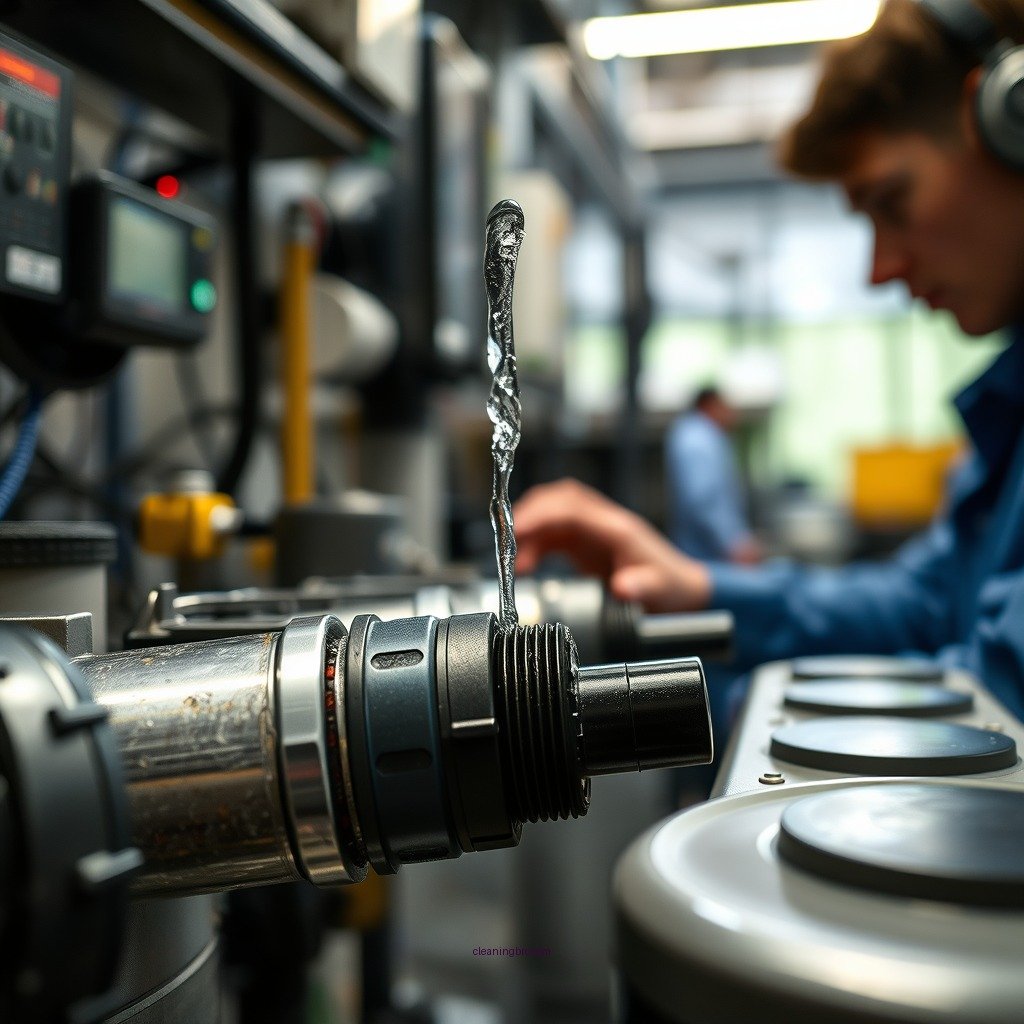
Once you’ve collected rainwater, the next step is to filter it effectively. One of the most effective basic filtration techniques is installing a first-flush diverter. This system prevents the initial runoff, which may contain higher concentrations of contaminants from the roof, from entering your storage tank.
Additionally, using mesh screens can help filter out larger debris such as leaves and insects. These screens should have a mesh size small enough to catch most debris while allowing water to pass through efficiently. Regularly cleaning these screens is essential to maintain their effectiveness.
Advanced Filtration Systems
For those looking to purify rainwater for drinking or other sensitive applications, advanced filtration systems may be necessary. Carbon filters are excellent for removing chemical contaminants and improving taste and odor. They work by adsorbing impurities from the water, making it safer for consumption.
Another advanced method is UV filtration, which uses ultraviolet light to sterilize pathogens in the water. This technology is effective at killing bacteria, viruses, and other microorganisms without the use of harmful chemicals. While these systems may require a higher initial investment, they significantly enhance water safety and quality.
Testing and Monitoring Water Quality
Regular testing of rainwater is crucial to ensure its safety for use. Key parameters to monitor include pH levels, turbidity (cloudiness), and the presence of contaminants such as heavy metals or microbials. Home testing kits are readily available and provide quick, reliable results.
It’s advisable to conduct testing before using rainwater for any potable purposes. For non-potable uses, testing may not be as stringent, but it’s still wise to monitor for any significant changes in water quality regularly.
Using Cleaned Rain Water
Once the rainwater has been adequately cleaned, there are numerous ways to utilize it. Common applications include irrigation for gardens and landscaping, toilet flushing, and washing vehicles or clothes. Additionally, many homeowners are now implementing rainwater systems for household appliances that do not require potable water, such as washing machines.
Before using rainwater, it’s important to check local regulations. Some areas may have specific guidelines or restrictions on rainwater use, particularly for potable applications. Understanding these regulations can help ensure compliance and promote safe practices.
Maintenance of Rain Water Collection System
Maintaining your rainwater collection system is critical for its longevity and effectiveness. Periodically clean gutters, downspouts, and storage tanks to prevent buildup of debris and algae. This routine maintenance will help ensure that water quality remains high and that your system operates efficiently.
Furthermore, regularly inspect filtration systems to confirm they are functioning correctly. Replace filters as recommended by the manufacturer and ensure that any UV systems are serviced to maintain their sterilization capabilities.
Cleaning rainwater is an essential process that allows you to utilize a natural resource safely. By following the outlined steps and methods, you can ensure your rainwater is clean and ready for use. Start implementing these practices today to make the most out of your rainwater collection system!
Top 7 Rain Water Filtration Methods (2024)
| # | Filtration Method | Efficiency | Maintenance Frequency | Cost |
|---|---|---|---|---|
| 1 | First-Flush Diverter | 90% | Seasonal | $50-$100 |
| 2 | Mesh Screens | 80% | Monthly | $20-$50 |
| 3 | Carbon Filters | 95% | Quarterly | $100-$300 |
| 4 | UV Filtration | 99% | Annually | $300-$700 |
| 5 | Reverse Osmosis | 98% | Semi-Annual | $200-$500 |
| 6 | Sand Filtration | 85% | Monthly | $100-$200 |
| 7 | Sediment Filters | 90% | Monthly | $30-$80 |
Best Rain Water Filtration Systems: A Comparison
| Feature | ⭐ UV Filtration | Carbon Filter | Reverse Osmosis |
|---|---|---|---|
| Efficiency | 99% | 95% | 98% |
| Maintenance Frequency | Annually | Quarterly | Semi-Annual |
| Cost | $300-$700 | $100-$300 | $200-$500 |
| Chemical Removal | Yes | Yes | Yes |
| Pathogen Removal | Yes | No | Yes |
| Taste Improvement | Yes | Yes | Yes |
| Operating Temperature | 10-30°C | 5-45°C | 1-50°C |
| Environmental Impact | Low | Medium | High |
| Installation Ease | Moderate | Easy | Difficult |
| 🏆 Best For | Safe drinking water | General household use | High-efficiency needs |
By following these guidelines and utilizing the appropriate filtration systems, you can effectively clean rainwater and harness its potential as a valuable resource. The importance of maintaining a clean and efficient rainwater collection system cannot be overstated. As we move toward a more sustainable future, embracing rainwater harvesting not only conserves water but also promotes responsible resource management.
Frequently Asked Questions
What are the best methods to clean collected rainwater for household use?
The best methods to clean collected rainwater include filtration and disinfection processes. First, using a mesh filter can remove debris and larger particles, while a sediment filter can eliminate smaller contaminants. For disinfection, ultraviolet (UV) light or chlorine treatment can effectively kill bacteria and viruses, ensuring the water is safe for non-potable uses like irrigation or toilet flushing.
How can I remove contaminants from rainwater before using it in my garden?
To remove contaminants from rainwater before using it in your garden, start with a good filtration system that catches leaves and debris. Additionally, consider using activated carbon filters to eliminate chemical pollutants and odors. Lastly, testing the water for pH and other contaminants can help ensure it’s safe for your plants.
Why is it important to clean rainwater before using it in household applications?
Cleaning rainwater is crucial to prevent the introduction of harmful bacteria, pathogens, and chemicals into your household systems. Contaminated water can lead to health risks when used for irrigation or flushing toilets. By ensuring proper cleaning methods are employed, you can safely utilize rainwater while protecting your family’s health.
Which filtration systems are most effective for purifying rainwater?
The most effective filtration systems for purifying rainwater include multi-stage filtration systems that combine sediment filters, activated carbon filters, and UV disinfection. These systems work together to remove particulates, chemical impurities, and pathogens, providing clean rainwater suitable for various uses. It’s important to choose a system that fits your specific needs and budget.
What are common mistakes to avoid when cleaning rainwater?
Common mistakes to avoid when cleaning rainwater include neglecting regular maintenance of filtration systems and ignoring water testing for contaminants. Failing to clean gutters and storage tanks can lead to contamination as well. Additionally, not using appropriate disinfection methods can leave harmful microorganisms in the water, making it unsafe for use.
References
- https://www.epa.gov/water-research/rainwater-harvesting
https://www.epa.gov/water-research/rainwater-harvesting - https://www.nature.com/articles/s41545-019-0017-3
https://www.nature.com/articles/s41545-019-0017-3 - https://www.ncbi.nlm.nih.gov/pmc/articles/PMC7725010/
https://www.ncbi.nlm.nih.gov/pmc/articles/PMC7725010/ - https://www.cdc.gov/healthywater/drinking/rainwater.html
https://www.cdc.gov/healthywater/drinking/rainwater.html - https://www.who.int/water_sanitation_health/publications/rainwater_harvesting/en/
https://www.who.int/water_sanitation_health/publications/rainwater_harvesting/en/ - https://www.britannica.com/science/rainwater-harvesting
https://www.britannica.com/science/rainwater-harvesting - https://www.sciencedirect.com/science/article/pii/S2210670719300980
https://www.sciencedirect.com/science/article/pii/S2210670719300980 - https://www.nature.com/articles/s41598-021-85556-1
https://www.nature.com/articles/s41598-021-85556-1 - Google Scholar Google Scholar
https://scholar.google.com/scholar?q=how+to+clean+rain+water - Google Scholar Google Scholar
https://scholar.google.com/scholar?q=rainwater+harvesting+purification+methods