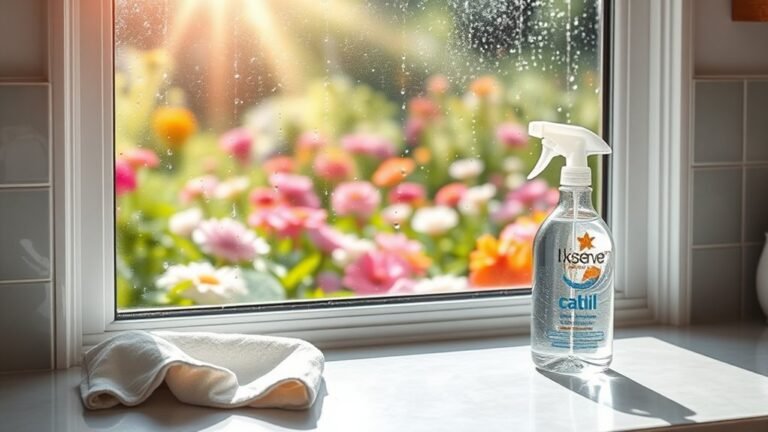
How to Clean a Stainless Steel Faucet: Simple Steps
Cleaning a stainless steel faucet is straightforward and can restore its shine with minimal effort. To effectively clean your faucet, you can use a mix of common household items and a few specific techniques that will remove water spots and grime without scratching the surface. In this article, you’ll learn the best methods to keep your stainless steel faucet looking brand new.
Gather Your Cleaning Supplies

To begin your cleaning process, it’s essential to gather the right supplies. A soft cloth or microfiber towel is crucial for cleaning, as these materials help avoid scratches on the stainless steel surface. Additionally, you will need a solution of warm water mixed with mild dish soap, which serves as an effective everyday cleaner. For tougher stains, vinegar, baking soda, and either olive oil or baby oil will be required.
– Soft Cloth or Microfiber Towel: These materials prevent scratching and are perfect for buffing and drying.
– Warm Water and Mild Dish Soap: This mixture is effective for daily cleaning and is safe for stainless steel finishes.
– Vinegar: A natural cleaner that can cut through grime and mineral deposits.
– Baking Soda: Ideal for creating a paste to tackle stubborn stains.
– Olive Oil or Baby Oil: These can be used for polishing the faucet and restoring its shine.
Daily Cleaning Routine
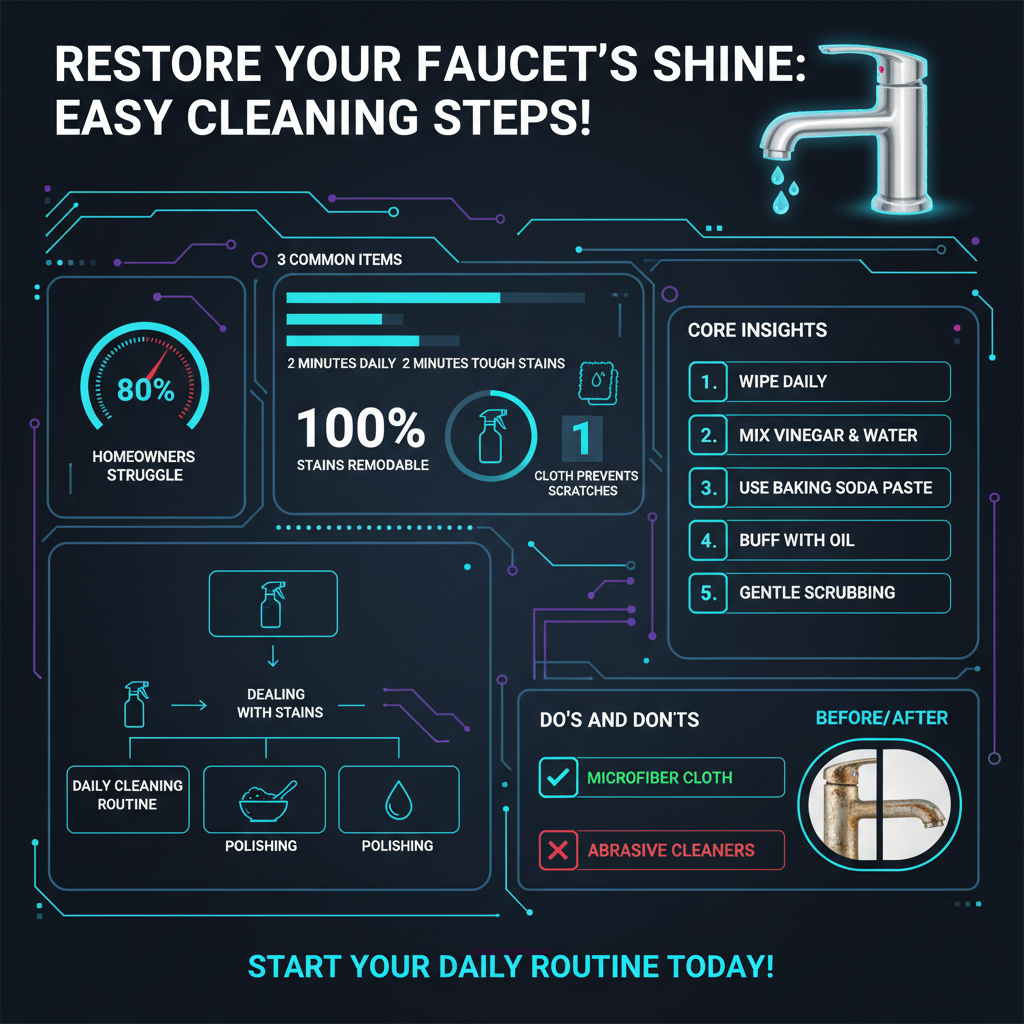
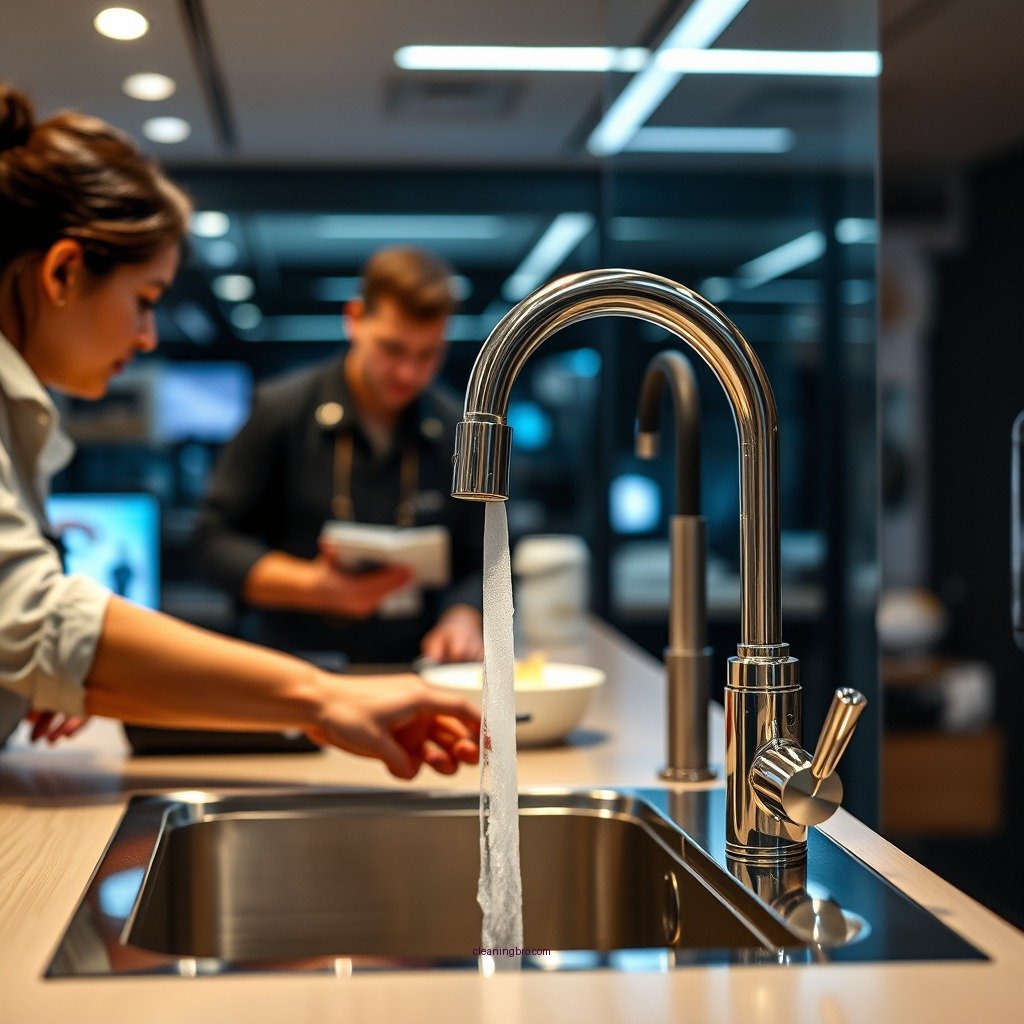
Establishing a daily cleaning routine is vital for maintaining the appearance of your stainless steel faucet. A simple practice is to wipe the faucet with a damp cloth after each use. This prevents water spots from forming and keeps the faucet looking pristine. For a more thorough cleaning, especially if you notice buildup, a mixture of equal parts vinegar and water can be used. Spray this solution onto the faucet, let it sit for a few minutes, and then wipe it away with a cloth.
By incorporating these practices into your daily routine, you not only preserve the aesthetic appeal of your faucet but also prolong its lifespan by preventing corrosion and buildup.
Removing Stubborn Stains
Even with regular maintenance, stubborn stains may occasionally appear on your stainless steel faucet. To remove these, create a paste using baking soda and a small amount of water until you achieve a thick consistency. Apply this paste directly to the stained area and let it sit for about 10-15 minutes. Afterward, gently scrub the area with a soft cloth or sponge, being careful not to scratch the surface. Rinse thoroughly with warm water and dry with a soft towel.
This method is effective for tackling mineral deposits or discolorations caused by hard water. Always remember to be gentle to maintain the integrity of the faucet’s finish.
Polishing the Faucet
Once your faucet is clean, it’s time to restore its shine. For this, you can use a few drops of olive oil or baby oil on a clean cloth. Gently buff the faucet in circular motions, which not only enhances shine but also creates a protective layer that helps repel water and dirt. This polishing step is crucial, especially for faucets that are frequently used, as it keeps them looking like new.
Ensure that the oil is applied sparingly; too much can leave a greasy residue. The result should be a streak-free, gleaming surface that complements your kitchen or bathroom décor.
Preventing Future Build-Up
To further prevent the build-up of grime and hard water stains, consider the installation of a water softener if hard water is a consistent issue in your home. This can significantly reduce mineral deposits that can accumulate on your faucet over time. Additionally, regular cleaning with vinegar can help keep mineral deposits at bay. Making this a part of your cleaning routine will ensure that your faucet remains in excellent condition.
Safety Tips
While cleaning your stainless steel faucet, it’s important to observe certain safety tips to avoid damage:
– Avoid using abrasive cleaners or pads, as these can scratch the stainless steel surface and dull its shine.
– Always test any new cleaning solution on a small, inconspicuous area first to ensure it doesn’t cause any adverse reactions.
– Be cautious of using products with bleach or ammonia, as these chemicals can harm the finish of your faucet.
Taking these precautions will help you maintain the beauty and functionality of your stainless steel faucet for years to come.
Top 7 Common Cleaning Agents for Stainless Steel Faucets
| # | Cleaning Agent | Effectiveness | Ease of Use | Cost |
|---|---|---|---|---|
| 1 | Mild Dish Soap | ★★★★☆ | ★★★★☆ | $ |
| 2 | Vinegar | ★★★★★ | ★★★★☆ | $ |
| 3 | Baking Soda | ★★★★☆ | ★★★☆☆ | $ |
| 4 | Olive Oil | ★★★★☆ | ★★★★★ | $$ |
| 5 | Commercial Cleaners | ★★★★☆ | ★★☆☆☆ | $$$ |
| 6 | Lemon Juice | ★★★★☆ | ★★★★★ | $ |
| 7 | Rubbing Alcohol | ★★★☆☆ | ★★☆☆☆ | $$ |
Best Cleaning Agents for Stainless Steel Faucets: Comparison
| Feature | ⭐ Vinegar | Mild Dish Soap | Baking Soda |
|---|---|---|---|
| Effectiveness Against Hard Water | ✅ | ✅ | ✅ |
| Natural Ingredients | Yes | Yes | Yes |
| Ease of Use | Spray & Wipe | Mix & Wipe | Paste Application |
| Cost Effectiveness | Low | Low | Very Low |
| Streak-Free Finish | ✅ | ✅ | ✅ |
| Safety for Surfaces | Yes | Yes | Yes |
| Availability | Widely Available | Widely Available | Commonly Found |
| Environmental Impact | Low | Low | Low |
| Best For | Tough stains | Daily use | Spot cleaning |
Keeping your stainless steel faucet clean is easy with these simple techniques. Incorporate these cleaning habits into your routine, and your faucet will maintain its shine. For more home cleaning tips, subscribe to our newsletter or explore our blog for additional resources. Regular maintenance will not only enhance the aesthetic appeal of your kitchen or bathroom but also prolong the life of your fixtures, ensuring that they remain functional and stylish for years to come.
Frequently Asked Questions
How do I clean hard water stains from my stainless steel faucet?
To remove hard water stains from a stainless steel faucet, mix equal parts of vinegar and water in a spray bottle. Spray the solution on the stained areas, let it sit for a few minutes, then wipe with a soft cloth or sponge. Rinse with water and dry thoroughly to prevent new stains from forming.
What is the best homemade cleaner for stainless steel faucets?
A great homemade cleaner for stainless steel faucets is a mixture of baking soda and water, forming a paste. Apply the paste to the faucet using a soft cloth, gently scrub in the direction of the grain, then rinse with warm water. This natural cleaner effectively removes grime and leaves your faucet sparkling without scratching the surface.
Why does my stainless steel faucet look dull, and how can I restore its shine?
A dull stainless steel faucet often results from mineral deposits, soap scum, or accumulated grime. To restore its shine, clean the surface with a mixture of dish soap and warm water, then dry it with a microfiber cloth. For extra shine, you can apply a small amount of olive oil or baby oil and buff it gently.
Which tools are best for cleaning a stainless steel faucet without scratching it?
The best tools for cleaning a stainless steel faucet without scratching include microfiber cloths, soft sponges, and non-abrasive scrub pads. Avoid using steel wool or harsh scrubbers, as these can damage the surface. Gentle cleaning tools will ensure your faucet maintains its finish while removing dirt and stains effectively.
How often should I clean my stainless steel faucet to keep it looking new?
You should aim to clean your stainless steel faucet at least once a week to maintain its appearance and prevent buildup of soap scum and hard water stains. For high-use areas, a quick wipe-down with a damp cloth daily can help keep it looking pristine. Regular maintenance will prolong the life of your faucet and keep it sparkling.
References
- 4 Ways to Clean Stainless Steel – wikiHow Fun
https://www.wikihow.com/Clean-Stainless-Steel - Stainless steel | Definition, Composition, Types, & Facts | Britannica
https://www.britannica.com/technology/stainless-steel - https://www.cdc.gov/niosh/topics/cleaning.html
https://www.cdc.gov/niosh/topics/cleaning.html - https://pubmed.ncbi.nlm.nih.gov/31872454/
https://pubmed.ncbi.nlm.nih.gov/31872454/ - https://www.homedepot.com/c/cleaning_stainless_steel_faucets_HT_BG_SA
https://www.homedepot.com/c/cleaning_stainless_steel_faucets_HT_BG_SA - https://www.sciencedirect.com/topics/earth-and-planetary-sciences/stainless-steel
https://www.sciencedirect.com/topics/earth-and-planetary-sciences/stainless-steel - https://www.thoughtco.com/how-to-clean-stainless-steel-5073649
https://www.thoughtco.com/how-to-clean-stainless-steel-5073649 - Google Scholar Google Scholar
https://scholar.google.com/scholar?q=how+to+clean+stainless+steel+faucet - Google Scholar Google Scholar
https://scholar.google.com/scholar?q=cleaning+methods+for+stainless+steel - Google Scholar Google Scholar
https://scholar.google.com/scholar?q=stainless+steel+maintenance+guidelines