How to Clean Up Coolant: Step-by-Step Guide
Cleaning up coolant spills requires prompt action and the right materials to ensure safety and environmental protection. In this guide, you’ll learn how to effectively clean up coolant, from assessing the spill to properly disposing of the waste. Understanding these steps is crucial not only for maintaining a safe working environment but also for complying with environmental regulations.
Assessing the Spill
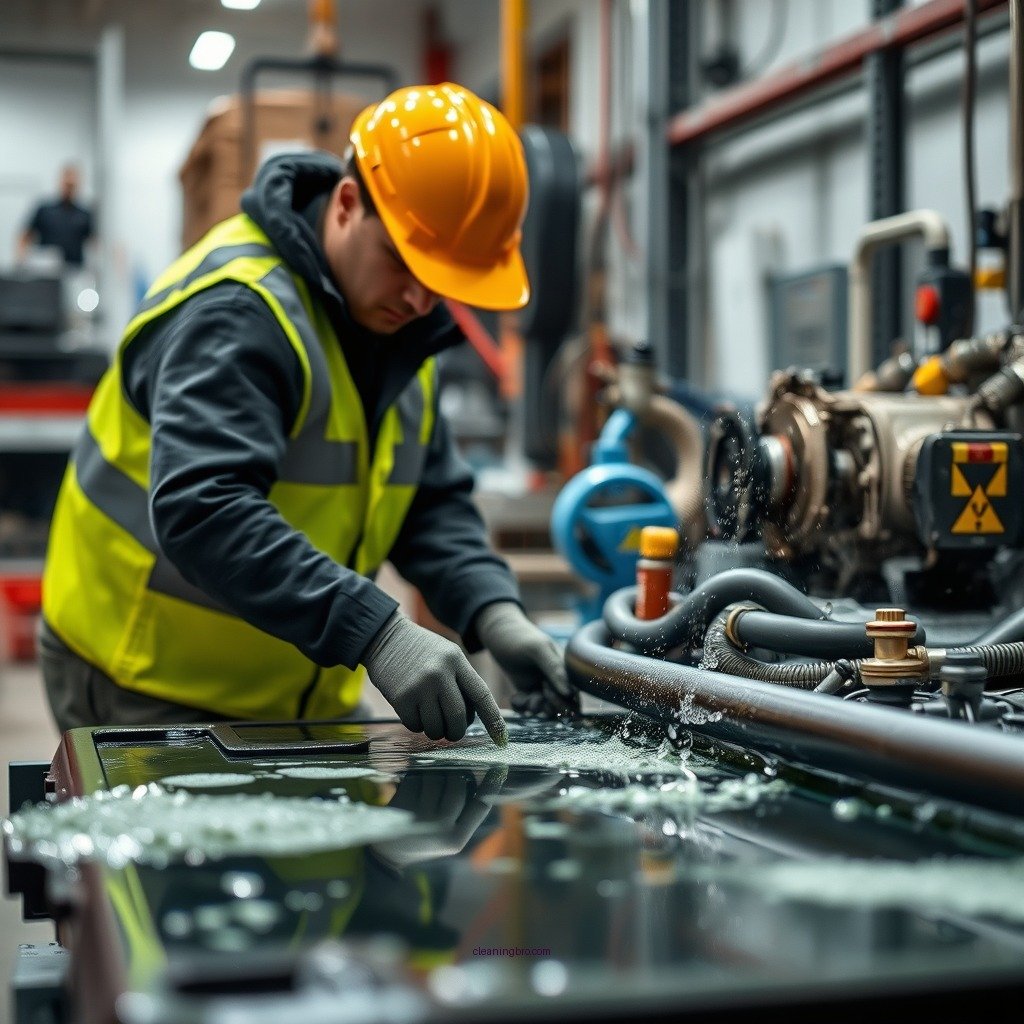
The first step in cleaning up a coolant spill is assessing the situation. Determining the size of the spill is essential for choosing the appropriate cleanup method. For small spills, such as a few ounces of coolant, absorbent materials may suffice. However, larger spills may require specialized equipment and more extensive cleanup procedures.
Next, identify the type of coolant involved in the spill. Coolants can vary significantly in composition; for instance, some are ethylene glycol-based while others are propylene glycol-based. Each type may have specific handling procedures and safety measures. Consulting the Material Safety Data Sheet (MSDS) for the particular coolant can provide critical information on hazards and recommended cleanup methods.
Safety Precautions
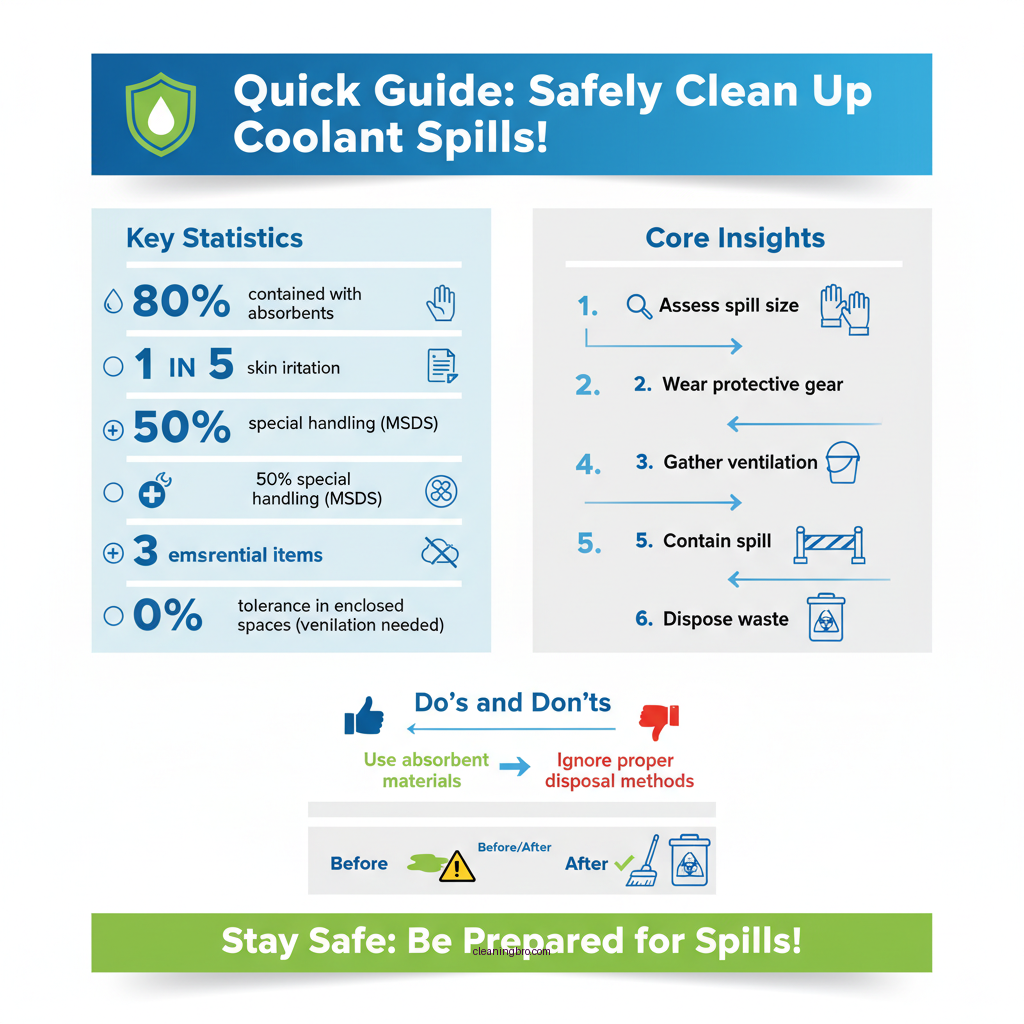
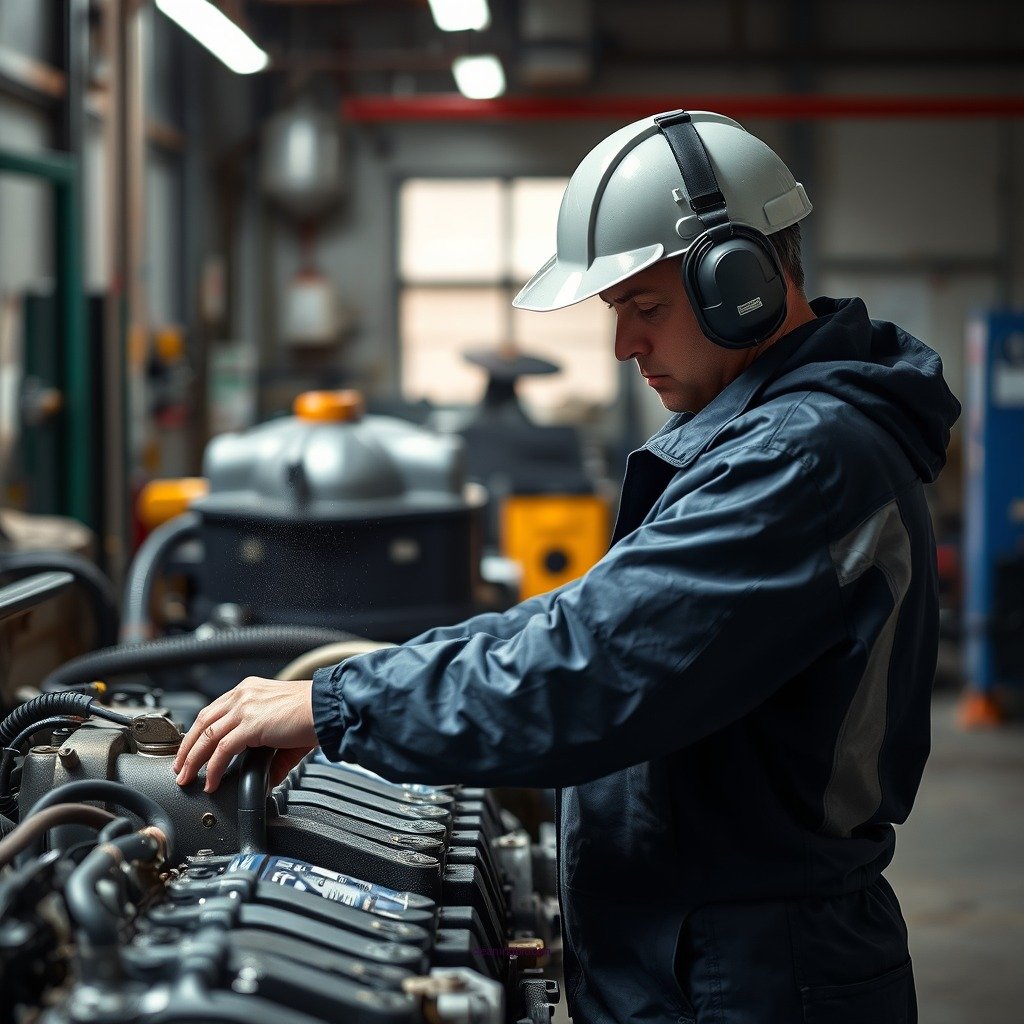
Safety should always be your top priority when dealing with coolant spills. Begin by wearing appropriate protective gear, including gloves and goggles, to prevent skin and eye contact with the coolant, which may be toxic or irritating. If the cleanup occurs in an enclosed space, ensure proper ventilation to avoid inhaling harmful fumes.
Additionally, keep a first-aid kit and an emergency contact number readily available in case of exposure or accidents. Familiarizing yourself with the location of emergency equipment can be invaluable during a spill incident.
Gathering Supplies
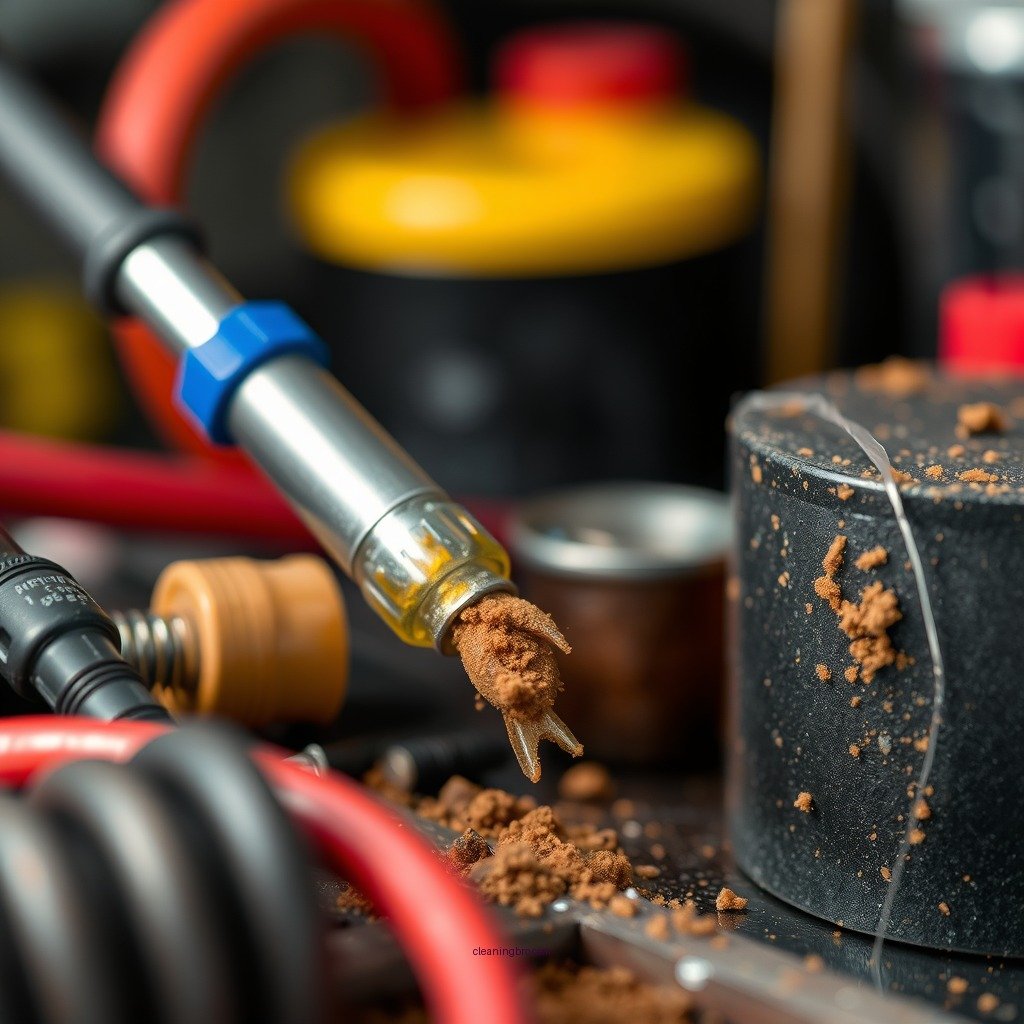
Before starting the cleanup, gather all necessary supplies to ensure an efficient process. Essential items include absorbent materials such as cat litter, sawdust, or commercial spill kits specifically designed for hazardous liquids. These materials can help contain and absorb the coolant effectively.
You should also have containers ready for waste disposal. Sealed plastic bags or buckets are suitable for this purpose. Label these containers clearly to avoid confusion later and ensure that they are suitable for hazardous waste storage.
Cleaning Process
Once you have assessed the spill and gathered your supplies, it’s time to begin the cleanup process. Start by containing the spill with absorbent materials to prevent it from spreading further. This initial step is crucial to minimize the area affected by the coolant.
After the coolant has been absorbed, carefully collect the saturated material using a shovel or scoop. Transfer the collected material into your designated disposal container, ensuring that it does not spill during the transfer. It may also be beneficial to re-check the area for any remaining traces of coolant and repeat the absorption process if necessary.
Disposal of Waste
Proper disposal of waste is a critical final step in the cleanup process. Check local regulations regarding the disposal of coolant and absorbent materials, as these can vary by location. Many areas require hazardous waste to be disposed of at designated facilities.
Take the collected waste to a hazardous waste facility or follow any specific disposal guidelines provided by your coolant manufacturer. Keeping records of the disposal method and any relevant documentation may be necessary for regulatory compliance.
Preventing Future Spills
Preventing future spills is key to maintaining a safe working environment. Regularly inspect machinery and vehicles for leaks and signs of wear that can lead to coolant spills. Implementing a scheduled maintenance program can help identify potential issues before they become significant problems.
Additionally, store coolant in secure containers to minimize the risk of accidental spills during handling or transportation. Clearly label all containers and keep them in designated areas away from high-traffic zones to reduce the likelihood of spills.
Additional Tips
Cleaning up spills immediately is essential to prevent accidents and environmental damage. Delayed response can lead to larger issues, including contamination of soil and water sources.
Consider using eco-friendly coolant alternatives to reduce hazardous waste and environmental risks. These options can offer similar performance while being safer for the environment.
Lastly, ensure that all personnel involved in handling coolant are trained in proper spill response and cleanup procedures. Regular training sessions can reinforce safe practices and improve overall workplace safety.
Types of Coolant Used in Vehicles and Their Properties (2023)
| # | Coolant Type | Base | Toxicity Level | Environmental Impact |
|---|---|---|---|---|
| 1 | Ethylene Glycol | Synthetic | High | Significant |
| 2 | Propylene Glycol | Synthetic | Low | Minimal |
| 3 | Water-Based | Natural | Low | Minimal |
| 4 | Silicate-Based | Synthetic | Moderate | Significant |
| 5 | Organic Acid Technology (OAT) | Synthetic | Low | Minimal |
| 6 | Hybrid Coolants | Synthetic | Low | Minimal |
| 7 | High-Performance Coolants | Synthetic | Moderate | Significant |
Ethylene Glycol vs Propylene Glycol vs Water-Based Coolants
| Feature | ⭐ Ethylene Glycol | Propylene Glycol | Water-Based |
|---|---|---|---|
| Toxicity Level | High | Low | Low |
| Environmental Impact | Significant | Minimal | Minimal |
| Boiling Point | 198°C | 188°C | 100°C |
| Freezing Point | -12°C | -37°C | 0°C |
| Corrosion Protection | Good | Excellent | Fair |
| Cost | $10-$15/gallon | $8-$12/gallon | $5-$8/gallon |
| Availability | Widely available | Widely available | Commonly available |
| Usage in Racing | Yes | Yes | No |
| Compatibility with Engines | Most | Most | Some |
| 🏆 Best For | General Use | Safety-Conscious Users | Eco-Friendly Consumers |
By following these steps, you can ensure a thorough and safe cleanup of coolant spills. Remember to always prioritize safety and environmental responsibilities when handling these materials. For additional information or to learn more about proper coolant management, consider consulting with a local service professional. Proper training and awareness can significantly reduce the risks associated with coolant spills and contribute to a safer workplace.
Frequently Asked Questions
What are the best methods for cleaning up spilled coolant?
The best methods for cleaning up spilled coolant include using absorbent materials such as kitty litter, sawdust, or specialized oil absorbents to soak up the liquid. After absorbing the coolant, carefully sweep or scoop up the material and dispose of it according to local hazardous waste guidelines. Ensure to wear gloves and protective gear to avoid skin contact with the coolant.
How do I safely dispose of old coolant after cleaning it up?
To safely dispose of old coolant, first, check your local regulations for hazardous waste disposal. Many auto parts stores and recycling centers accept used coolant for proper disposal. Always store the old coolant in a sealed container and label it to prevent accidental exposure.
Why is it important to clean up coolant spills immediately?
Cleaning up coolant spills immediately is crucial because coolant is toxic and can harm pets, wildlife, and the environment. Additionally, leaving coolant spills can create slippery surfaces, posing safety risks for you and others. Prompt cleanup helps prevent contamination of soil and water sources.
Which cleaning products are effective for removing coolant stains from surfaces?
Effective cleaning products for removing coolant stains include degreasers, dish soap mixed with warm water, or enzymatic cleaners specifically designed for automotive fluids. Apply the cleaner to the stained area, allow it to sit for a few minutes, and then scrub with a brush before rinsing thoroughly with water.
How can I prevent coolant spills during maintenance tasks?
To prevent coolant spills during maintenance tasks, always work on a flat, stable surface and use a catch pan or funnel when draining coolant. Additionally, regularly check hoses and connections for leaks to avoid unexpected spills. Implementing these preventive measures can save time and reduce the risk of harmful contamination.
References
- https://www.epa.gov/hw/cleaning-up-spills-hazardous-waste
https://www.epa.gov/hw/cleaning-up-spills-hazardous-waste - https://www.osha.gov/chemicalcleanup
https://www.osha.gov/chemicalcleanup - https://www.ncbi.nlm.nih.gov/pmc/articles/PMC3653637/
https://www.ncbi.nlm.nih.gov/pmc/articles/PMC3653637/ - https://www.who.int/water_sanitation_health/publications/cleaning-coolant.pdf
https://www.who.int/water_sanitation_health/publications/cleaning-coolant.pdf - https://www.sciencedirect.com/topics/engineering/coolant
https://www.sciencedirect.com/topics/engineering/coolant - Doctorate Production in United States Universities, 1920-1962, With Baccalaureate Origins of Doct…
https://www.nap.edu/catalog/21461/cleaning-and-decontaminating-cooling-systems - Coolant | energy conversion | Britannica
https://www.britannica.com/science/coolant - Google Scholar Google Scholar
https://scholar.google.com/scholar?q=how+to+clean+up+coolant - Google Scholar Google Scholar
https://scholar.google.com/scholar?q=coolant+cleanup+methods - Google Scholar Google Scholar
https://scholar.google.com/scholar?q=environmental+impact+of+coolant+spills