How to Keep Your Hot Tub Water Clear and Inviting
Maintaining clear hot tub water is essential for a pleasant soaking experience. The key to achieving this is regular maintenance, proper chemical balance, and filtration. In this guide, you’ll learn effective strategies to keep your hot tub water sparkling clean and safe for use. With these practices, you can enjoy a refreshing and healthful soak every time you step into your hot tub.
Understanding the Importance of Water Clarity
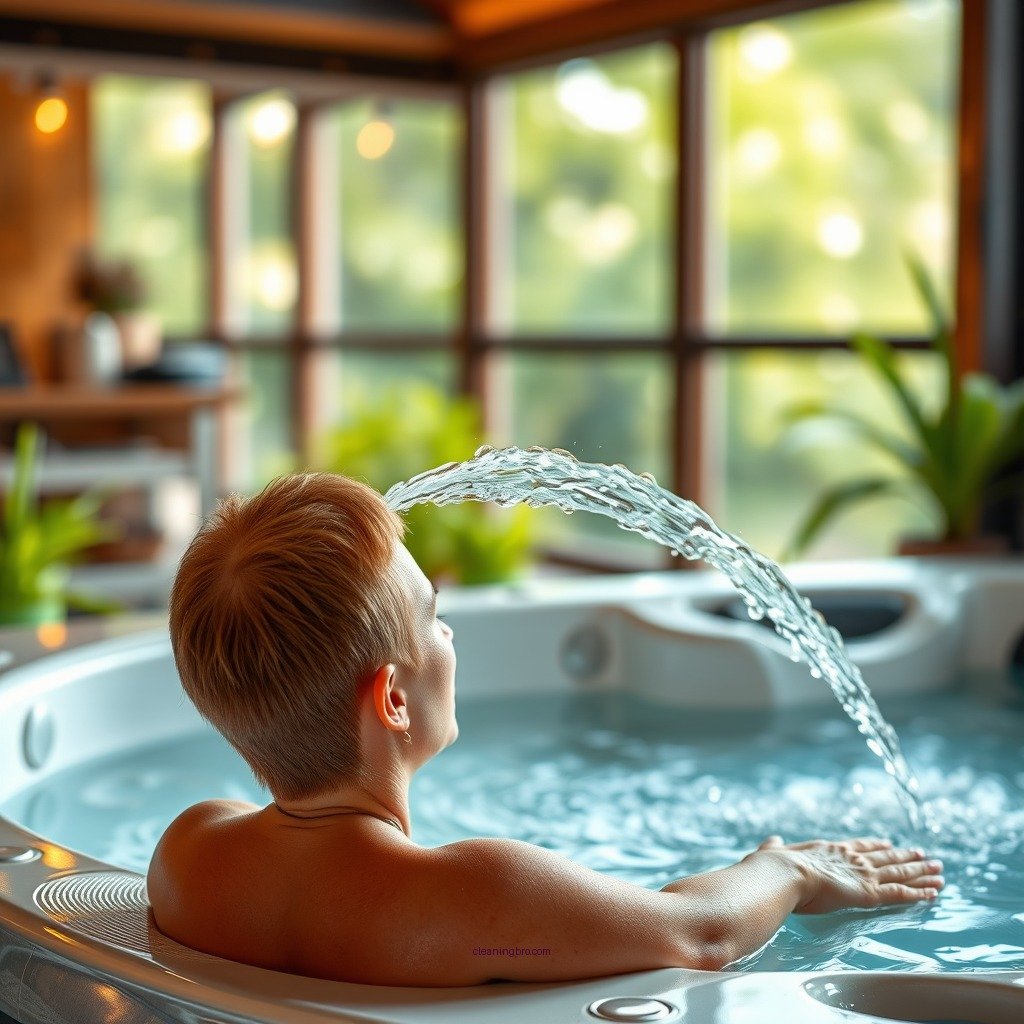
Clear water enhances the enjoyment and relaxation experience of using a hot tub. When the water is clean and transparent, it invites users in, creating an atmosphere of tranquility and luxury. On the contrary, cloudy or murky water can significantly detract from this experience, often indicating the presence of bacteria, algae, or other contaminants that pose health risks. Maintaining clarity not only contributes to aesthetics but also ensures safety and comfort, making it vital for any hot tub owner to prioritize water quality.
Regular Water Testing and Chemical Balance
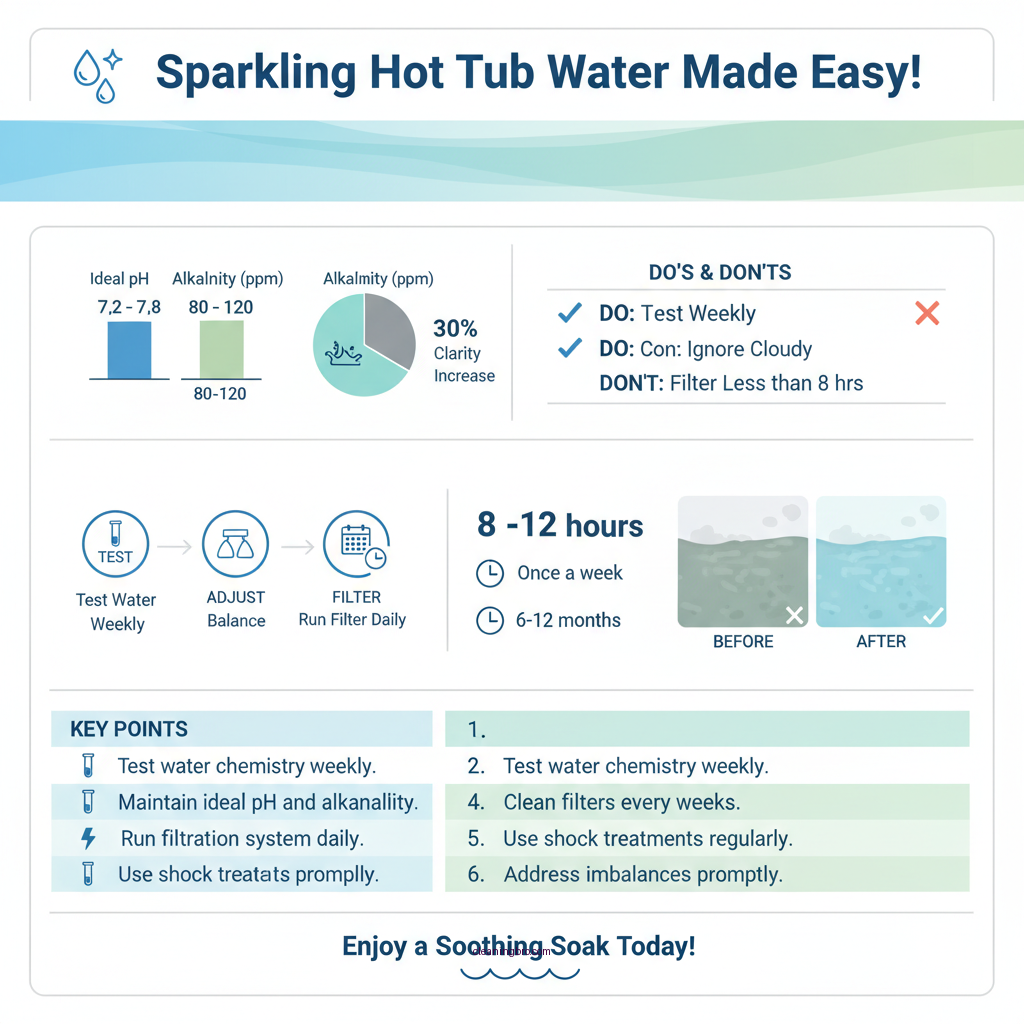
To maintain clear hot tub water, regular water testing is imperative. It is recommended to test the water chemistry at least once a week. This includes checking pH levels, alkalinity, and sanitizer levels—typically chlorine or bromine. The ideal pH level for hot tub water should be between 7.2 and 7.8, with alkalinity ranging from 80 to 120 ppm (parts per million). If the tests reveal imbalances, adjustments should be made using appropriate chemical products.
For instance, if the pH is too high, adding a pH decreaser can restore balance. Conversely, if the levels are too low, a pH increaser will help. Regularly monitoring these levels allows you to prevent cloudiness and keep your hot tub water in pristine condition.
Effective Filtration Techniques
An efficient filtration system is crucial for maintaining clear water. Regular cleaning or replacement of your hot tub filter is vital to ensure optimal performance. Depending on the type of filter, you may need to clean it every few weeks or replace it every six to twelve months. Clogged filters not only impede water clarity but also strain the pump, potentially leading to equipment failure.
Additionally, it is recommended to run the filtration system for at least 8-12 hours a day to ensure thorough water circulation. This practice helps remove impurities and contaminants, contributing to a clean and inviting hot tub environment.
Shock Treatments for Water Clarity
To further enhance water clarity, incorporating a shock treatment into your maintenance routine is essential. Shock treatments break down organic contaminants such as body oils, lotions, and debris that may not be filtered out. It is advisable to perform a shock treatment weekly, especially after heavy usage or after adding new bathers.
You can choose between chlorine or non-chlorine shock, depending on your hot tub’s chemical system. Chlorine shock is effective at killing bacteria and algae, while non-chlorine shock is gentler on the skin and can be used more frequently. Regular shock treatments will help maintain crystal-clear water and a safe soaking environment.
Routine Cleaning Practices
Routine cleaning practices are foundational in keeping your hot tub water clear and inviting. Regularly scrubbing the surfaces of the hot tub, including the walls and seats, helps prevent the build-up of grime and biofilm. Use a non-abrasive cleaner designed for hot tubs to avoid damaging the surface.
In addition to surface cleaning, it’s important to drain and refill the hot tub every 3-4 months. This refreshes the water, ensuring that any lingering contaminants or chemical imbalances are eliminated. A thorough clean during the draining process can also extend the life of your hot tub and enhance the overall soaking experience.
Preventing Algae Growth
Preventing algae growth is a critical component of maintaining clear hot tub water. Algae can thrive in warm, stagnant water, making it essential to take proactive measures. Using algaecides as a preventative measure, particularly in warmer climates, can inhibit algae growth.
Additionally, covering the hot tub when not in use limits exposure to sunlight and debris, which can encourage algae proliferation. A well-fitted cover will not only help maintain water temperature but also keep the water clean and free from unwanted organic materials.
Monitoring and Managing Bather Load
Finally, managing the number of bathers in your hot tub is crucial for maintaining clear water. Each person entering the hot tub introduces oils, dirt, and other contaminants. Limiting the number of bathers can significantly reduce the workload on your filtration system.
Encouraging bathers to shower before entering the hot tub is another effective strategy. This simple practice minimizes the introduction of body oils, soaps, and dirt into the water, contributing to a clearer and safer hot tub environment.
Top 7 Hot Tub Maintenance Products (2024)
| # | Product | Type | Usage | Rating |
|---|---|---|---|---|
| 1 | SpaGuard Spa Shock | Shock Treatment | Weekly | ★★★★☆ |
| 2 | Hot Spring Spa Algaecide | Preventative | Monthly | ★★★★☆ |
| 3 | Clorox Pool & Spa pH Down | pH Adjuster | As Needed | ★★★★★ |
| 4 | Spa Essentials Filter Cleaner | Filter Cleaner | Monthly | ★★★★☆ |
| 5 | Ahh-Some Hot Tub Cleaner | Deep Cleaner | Every 3 Months | ★★★★★ |
| 6 | In The Swim Spa Test Strips | Testing Kit | Weekly | ★★★★☆ |
| 7 | ProTeam Spa Stain & Scale Control | Stain Preventative | Monthly | ★★★★☆ |
Best Hot Tub Maintenance Products: A Comparison
| Feature | ⭐ SpaGuard Spa Shock | Hot Spring Spa Algaecide | Clorox Pool & Spa pH Down |
|---|---|---|---|
| Type | Shock Treatment | Preventative | pH Adjuster |
| Usage Frequency | Weekly | Monthly | As Needed |
| Effectiveness | ✅ Excellent | ✅ Very Good | ✅ Good |
| Compatibility | All types | Spa systems | All types |
| Safety | Safe | Safe | Safe |
| User-Friendly | Easy | Moderate | Easy |
| Cost | $15 | $20 | $10 |
| Available Sizes | 1 lb, 2 lb | 1 qt | 1 lb, 2 lb |
| Overall Rating | ★★★★☆ | ★★★★★ | ★★★★☆ |
| 🏆 Best For | Regular maintenance | Preventing algae | pH adjustments |
Keeping your hot tub water clear is not just about aesthetics—it’s crucial for health and enjoyment. By following these maintenance tips, including regular testing, proper filtration, and routine cleaning, you can ensure your hot tub remains a safe and inviting oasis. Start implementing these practices today for a consistently enjoyable hot tub experience!
Frequently Asked Questions
What are the key steps to keep hot tub water clear?
To maintain clear hot tub water, regularly test the water chemistry, ensuring pH levels are between 7.2 and 7.8 and alkalinity is between 80-120 ppm. Additionally, use a sanitizer like chlorine or bromine, and shock the water weekly to eliminate contaminants. Regularly cleaning the filter and removing debris will also help keep the water pristine.
How often should I change the water in my hot tub to keep it clear?
It is recommended to change the water in your hot tub every 3 to 4 months, depending on usage. Frequent use or high bather loads may necessitate more frequent water changes, as this helps to prevent buildup of contaminants and keeps the water clear and fresh.
Why is my hot tub water cloudy, and how can I fix it?
Cloudy hot tub water is often caused by imbalanced water chemistry, insufficient sanitization, or a dirty filter. To fix this, first test and adjust the pH and alkalinity levels, then shock the water to eliminate impurities. Cleaning or replacing the filter may also be necessary to ensure optimal water clarity.
What is the best sanitizer for keeping hot tub water clear?
The best sanitizers for keeping hot tub water clear are chlorine and bromine, as both effectively kill bacteria and prevent algae growth. Chlorine acts quickly and is cost-effective, while bromine is more stable at higher temperatures and has a less harsh smell, making it ideal for hot tubs.
Which products should I use to clarify hot tub water?
To clarify hot tub water, consider using a water clarifier or flocculant, which helps to aggregate tiny particles into larger clumps that can be filtered out. Additionally, enzyme-based cleaners can help break down organic contaminants. Always follow the manufacturer’s instructions for dosage and application for the best results.
References
- https://www.mayoclinic.org/healthy-lifestyle/adult-health/in-depth/hot-tubs/art-20045453
https://www.mayoclinic.org/healthy-lifestyle/adult-health/in-depth/hot-tubs/art-20045453 - https://www.cdc.gov/healthywater/drinking/hygiene/hot-tubs.html
https://www.cdc.gov/healthywater/drinking/hygiene/hot-tubs.html - https://www.healthline.com/health/hot-tub-safety
https://www.healthline.com/health/hot-tub-safety - https://www.ncbi.nlm.nih.gov/pmc/articles/PMC6680697/
https://www.ncbi.nlm.nih.gov/pmc/articles/PMC6680697/ - https://www.sciencedirect.com/topics/earth-and-planetary-sciences/hot-tub
https://www.sciencedirect.com/topics/earth-and-planetary-sciences/hot-tub - https://www.britannica.com/science/hot-tub
https://www.britannica.com/science/hot-tub - https://www.who.int/news-room/fact-sheets/detail/water-sanitation-hygiene
https://www.who.int/news-room/fact-sheets/detail/water-sanitation-hygiene - Google Scholar Google Scholar
https://scholar.google.com/scholar?q=how+to+keep+hot+tub+water+clear - Google Scholar Google Scholar
https://scholar.google.com/scholar?q=hot+tub+water+maintenance - Google Scholar Google Scholar
https://scholar.google.com/scholar?q=hot+tub+water+clarity+techniques