
How to Keep Your Pond Water Clear: Essential Tips
Keeping your pond water clear primarily involves regular maintenance, proper filtration, and managing algae growth. By following a few essential practices, you can maintain a clean and healthy environment for your aquatic life. In this article, we will explore effective strategies to ensure your pond water remains crystal clear.
Regular Maintenance Practices
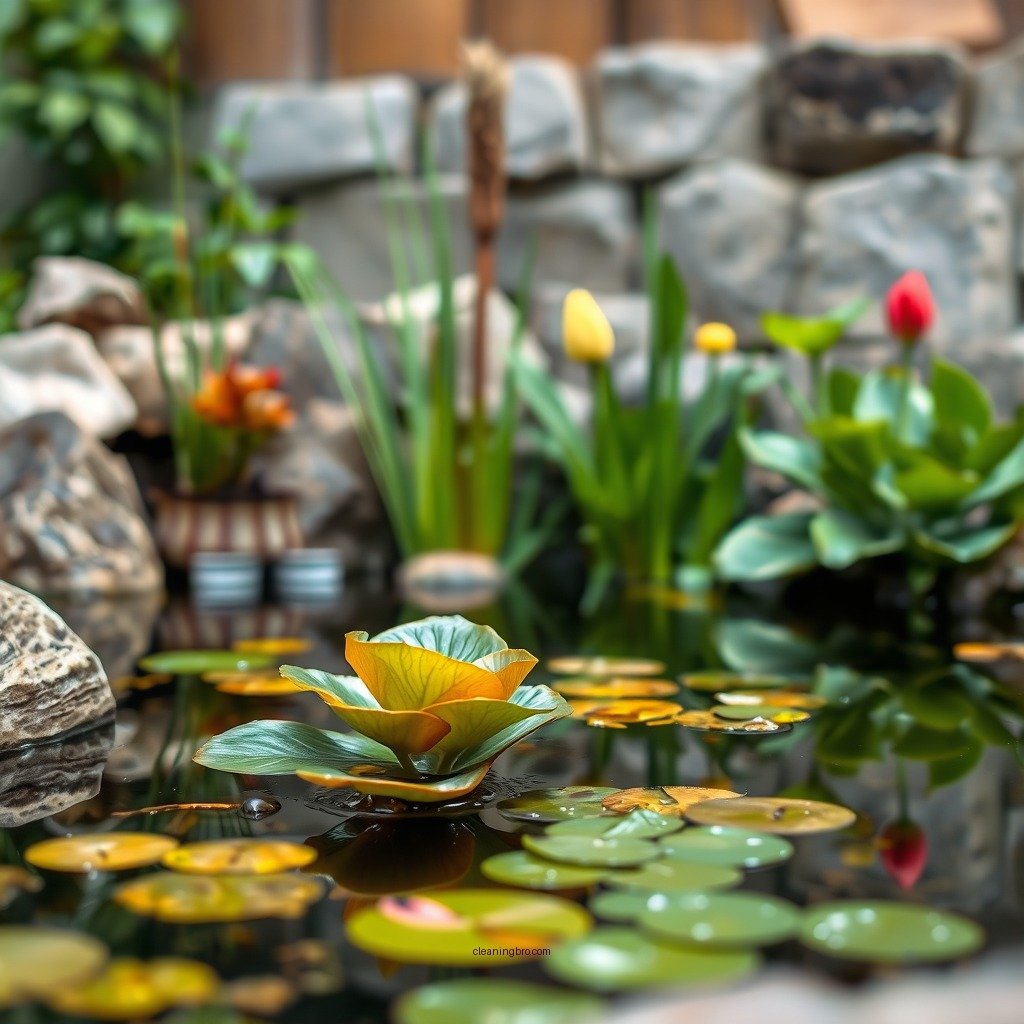
Routine maintenance is crucial for maintaining clear pond water. Regular clean-ups help remove debris, fallen leaves, and organic matter that can decompose and contribute to water turbidity. Establish a schedule to perform these clean-ups at least once a week, especially during the autumn months when leaves are likely to fall. Additionally, inspect the pond’s periphery and remove any algae or plant overgrowth that may obstruct water flow and filtration.
It’s also essential to check and clean the pond’s filter system regularly. Filters can become clogged with debris and waste, reducing their effectiveness. Depending on the type of filter you have—biological, mechanical, or chemical—clean it according to the manufacturer’s instructions. Cleaning the filter should be done every 4-6 weeks, or more frequently if the pond is heavily stocked with fish or has a lot of plant life.
Filtration Systems
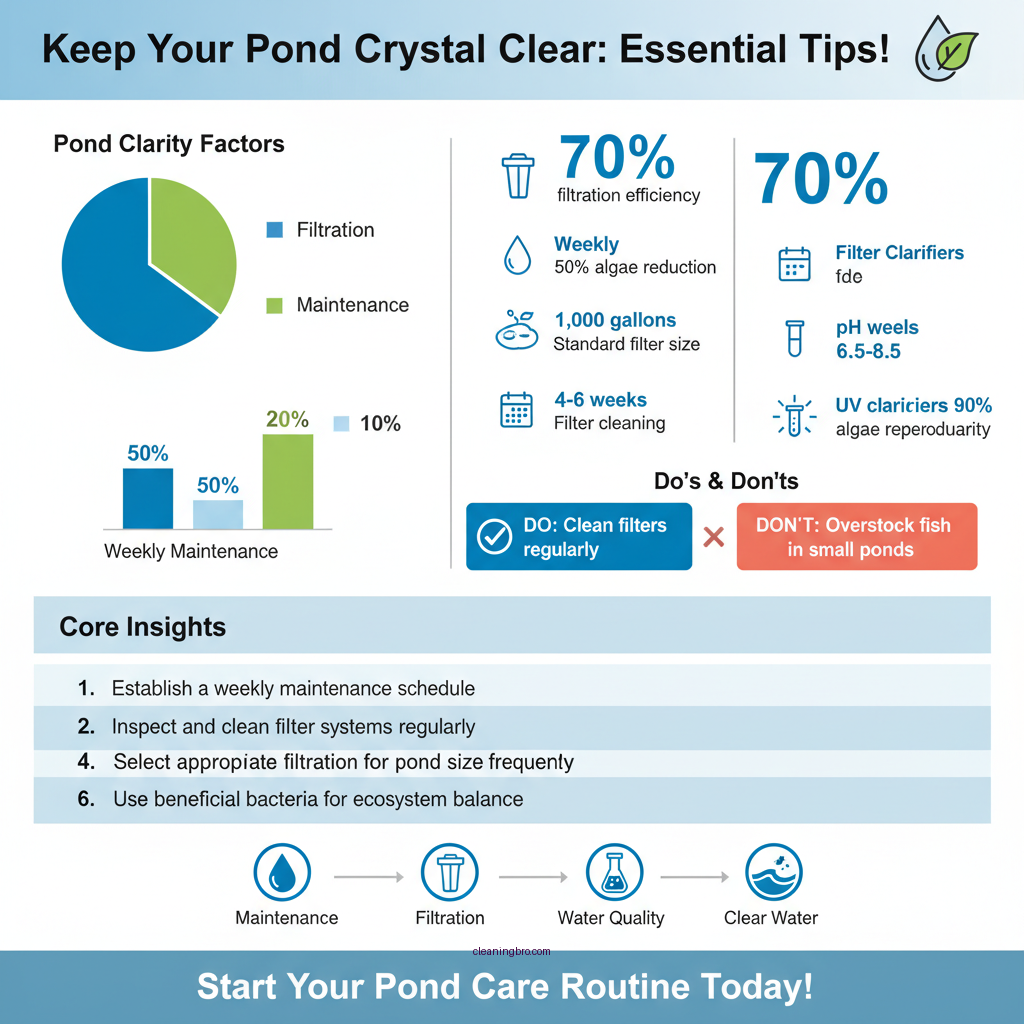
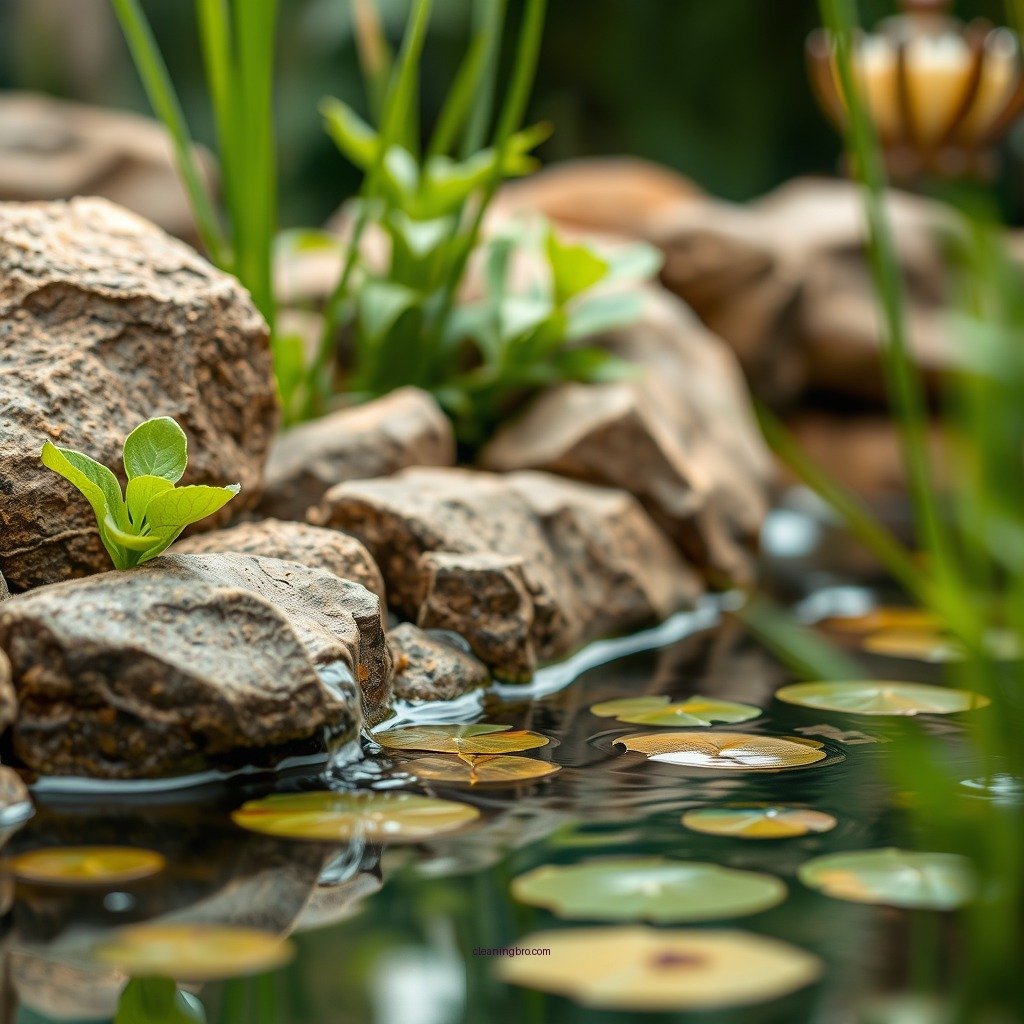
Selecting the right filtration system is fundamental to maintaining clear pond water. The size and type of filter needed will largely depend on the size of your pond and the number of fish it houses. For small ponds (up to 1,000 gallons), a simple mechanical filter may suffice, while larger ponds (1,000 gallons and above) often require a combination of biological and mechanical filtration.
Consider adding a UV clarifier to your filtration system. UV clarifiers work by exposing the water to UV light, which kills suspended algae and bacteria, preventing them from reproducing. This not only helps in keeping the water clear but also enhances the overall health of the pond ecosystem. When selecting a UV clarifier, ensure it is appropriately rated for your pond size to maximize effectiveness.
Water Quality Management
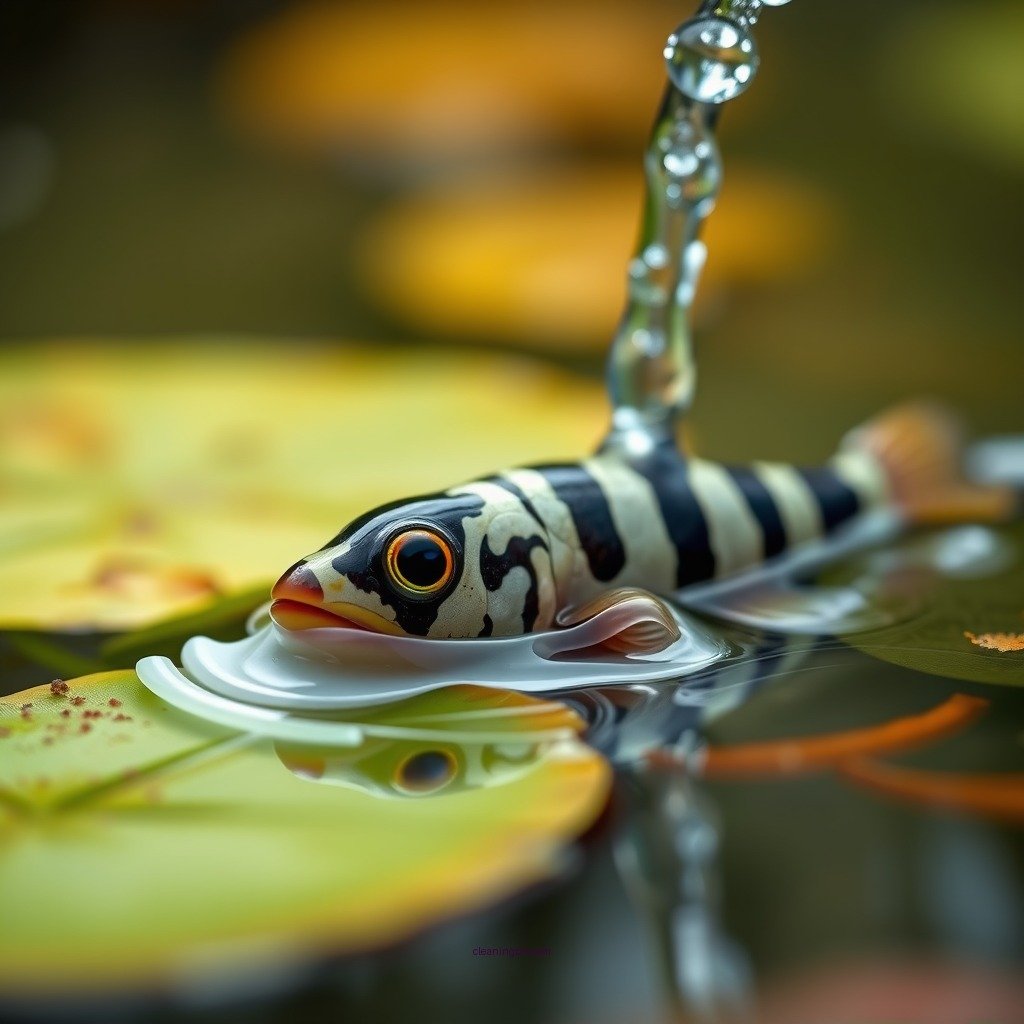
Maintaining water quality is another vital component of keeping your pond clear. Regular testing for key water parameters such as pH, ammonia, nitrite, and nitrate levels is essential. Ideally, pH should be between 6.5 and 8.5. High levels of ammonia and nitrite can be harmful to fish, indicating an imbalance in the ecosystem that may require intervention.
Utilizing beneficial bacteria products can significantly improve water clarity. These products help break down organic waste and reduce the buildup of harmful nutrients that contribute to algae growth. Additionally, consider using water conditioners that neutralize harmful chemicals and promote a balanced ecosystem.
Managing Algae Growth
Algae are a common problem in ponds, particularly in the warmer months. To manage algae growth effectively, introduce aquatic plants that compete with algae for nutrients. Plants such as water lilies, cattails, and hornwort can absorb excess nutrients and provide shade, which helps reduce the likelihood of algae blooms.
Another critical factor in managing algae is feeding practices. Avoid overfeeding fish, as uneaten food contributes to nutrient overload in the water. Implement a feeding schedule, providing only as much food as your fish can consume in a few minutes, and remove any leftover food promptly.
Seasonal Considerations
Seasonal changes can significantly impact pond water clarity. Preparing your pond for seasonal changes is essential, particularly in colder climates where winterization is necessary. Prior to freezing temperatures, consider removing any debris, reducing fish feeding, and adding a de-icer to ensure that the surface remains open for gas exchange.
In dry seasons, monitor and adjust water levels to prevent stagnation. Stagnant water can lead to increased algae growth and a decline in water quality. Regularly check for evaporation and consider using a rainwater collection system or a hose to maintain optimal water levels.
Natural Solutions
Exploring natural solutions can also be beneficial for maintaining clear pond water. Barley straw is a well-known natural additive that can help control algae growth. When barley straw decomposes, it releases compounds that inhibit algae reproduction. Placing barley bales in the pond can be an effective, eco-friendly measure to maintain water clarity.
Encouraging wildlife such as frogs and waterfowl can also help maintain a balanced pond ecosystem. These animals naturally prey on pests and algae, contributing to a healthier environment. However, be cautious of overpopulation, which can lead to other ecological issues.
Professional Help
In some cases, managing pond water clarity may require professional assistance. If you find persistent problems with algae or water quality, consulting with a pond care professional can provide tailored advice based on your specific situation. They can recommend appropriate treatments, adjust your filtration system, or even assist in deep cleaning if necessary.
Hiring a service for deep cleaning or addressing complex issues may seem costly, but investing in professional help can save you time and enhance the longevity of your pond ecosystem.
Top 7 Pond Care Products for Clear Water (2024)
| # | Product | Type | Effectiveness |
|---|---|---|---|
| 1 | CrystalClear Pond Water Clear | Liquid Treatment | High |
| 2 | Aquascape Beneficial Bacteria | Bacterial Treatment | Very High |
| 3 | API Pond Algaefix | Algae Control | High |
| 4 | Tetra Pond Water Clarifier | Clarifier | Moderate |
| 5 | Hikari Pond Food | Fish Food | High |
| 6 | Barley Straw Bales | Natural Algae Control | Very High |
| 7 | Seachem Stability | Bacterial Supplement | High |
Best Pond Filters: A Comparison (2024)
| Feature | ⭐ Oase BioSmart | PondMaster 2000 | Pond Boss 1000 |
|---|---|---|---|
| Pond Size | Up to 2000 gallons | Up to 2000 gallons | Up to 1000 gallons |
| Filter Type | Biological + Mechanical | Mechanical | Biological |
| UV Clarifier | ✅ | ❌ | ✅ |
| Energy Efficient | ✅ | ❌ | ✅ |
| Warranty | 2 years | 1 year | 2 years |
| Ease of Cleaning | ✅ Easy | ❌ Difficult | ✅ Moderate |
| Customer Rating | ★★★★☆ | ★★★☆☆ | ★★★★☆ |
| Price | $299.99 | $149.99 | $179.99 |
| Installation Type | Submersible | External | Submersible |
| 🏆 Best For | Large ponds with high fish loads | Budget-conscious users | Small ponds |
Maintaining clear pond water requires a combination of routine upkeep, proper filtration, and proactive algae management. By implementing these strategies, you can enjoy a beautiful and healthy pond environment. Take action today to enhance the clarity of your pond water and create a thriving aquatic ecosystem!
Frequently Asked Questions
What are the best methods to keep my pond water clear?
To keep your pond water clear, consider using a combination of mechanical, biological, and chemical filtration systems. Regularly remove debris, maintain a balanced ecosystem with beneficial bacteria, and use appropriate algaecides if necessary. Additionally, introducing aquatic plants can help absorb excess nutrients and improve water clarity.
How often should I clean my pond to maintain clear water?
Cleaning your pond should be done at least once a month during the growing season, but the frequency can vary based on the pond’s size and the amount of debris. Regularly skimming the surface for leaves and algae, cleaning the filter, and performing partial water changes can significantly enhance water clarity and overall health.
Why is my pond water cloudy, and how can I fix it?
Cloudy pond water can result from excess nutrients, algae blooms, or suspended particles. To fix this issue, test the water for nutrient levels, reduce feeding fish, and increase aeration. Implementing a good filtration system and adding beneficial bacteria can also help clear up the water.
Which plants are best for maintaining clear pond water?
The best plants for maintaining clear pond water include submerged plants like Elodea and hornwort, which absorb nutrients and compete with algae for resources. Floating plants such as water lilies and duckweed can provide shade, reducing algae growth, while marginal plants like cattails help filter runoff and improve water quality.
How does pond aeration help keep water clear?
Pond aeration helps keep water clear by promoting circulation and increasing oxygen levels, which supports beneficial bacteria that break down organic matter. Aeration can also help prevent stratification, reduce algae blooms, and keep sediments from settling, resulting in clearer, healthier pond water.
References
- Pond
https://en.wikipedia.org/wiki/Pond - https://extension.umd.edu/resource/keeping-pond-water-clear
https://extension.umd.edu/resource/keeping-pond-water-clear - https://www.nrcs.usda.gov/wps/portal/nrcs/detail/national/home/?cid=nrcs142p2_053207
https://www.nrcs.usda.gov/wps/portal/nrcs/detail/national/home/?cid=nrcs142p2_053207 - https://www.extension.purdue.edu/extmedia/FNR/FNR-498-W.pdf
https://www.extension.purdue.edu/extmedia/FNR/FNR-498-W.pdf - https://www.lsu.edu/extension/publications/keeping-ponds-clear.pdf
https://www.lsu.edu/extension/publications/keeping-ponds-clear.pdf - https://www.sciencedirect.com/topics/agricultural-and-biological-sciences/pond-water-quality
https://www.sciencedirect.com/topics/agricultural-and-biological-sciences/pond-water-quality - https://pubmed.ncbi.nlm.nih.gov/26093295/
https://pubmed.ncbi.nlm.nih.gov/26093295/ - https://www.cdc.gov/healthywater/drinking/cleaning.html
https://www.cdc.gov/healthywater/drinking/cleaning.html - Google Scholar Google Scholar
https://scholar.google.com/scholar?q=how+to+keep+pond+water+clear - Google Scholar Google Scholar
https://scholar.google.com/scholar?q=pond+water+clarity+management