

Cleaning aluminum pontoons is essential for maintaining their appearance and longevity. To effectively clean them, you need to gather the right materials, know the best techniques, and understand how to protect the aluminum from future damage. In this article, you’ll learn step-by-step methods to ensure your pontoons look their best while also extending their lifespan through proper maintenance.
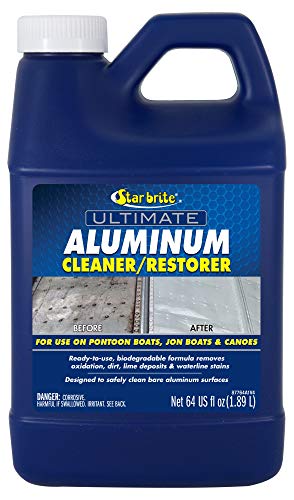
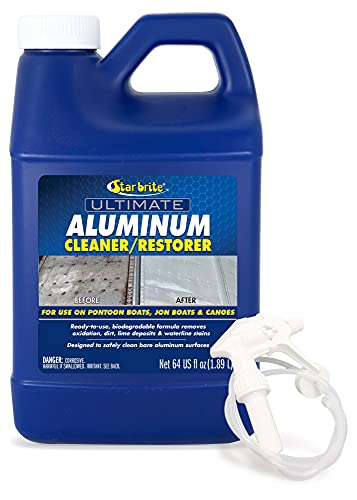
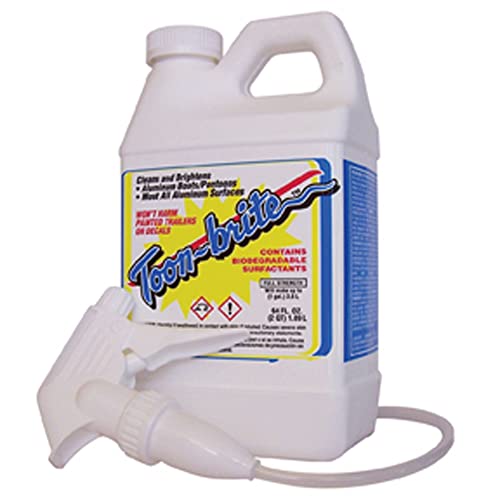

Gather Your Cleaning Supplies

Before you begin the cleaning process, it’s important to gather all necessary supplies. Having the right tools at your disposal will not only make the task easier but also more effective.
– Aluminum cleaner or a mild detergent: Opt for products specifically designed for aluminum surfaces to avoid chemical damage. Heavy-duty cleaners can strip protective coatings and lead to oxidation.
– Soft brushes and sponges: Non-abrasive tools are crucial when cleaning aluminum to prevent scratching the surface. A soft-bristle brush is ideal for reaching crevices without causing harm.
– Protective gear: Always wear gloves and goggles to safeguard yourself from cleaning agents, especially if using more potent aluminum cleaners that may contain chemicals.
Remove Surface Debris


Before applying any cleaning solution, you need to ensure that the pontoons are free from loose dirt and grime. This initial step is crucial for achieving a thorough clean.
– Rinse with water: Begin by hosing down the pontoons with fresh water. This process loosens dirt and prepares the surface for deeper cleaning.
– Use a soft brush: After rinsing, utilize a soft brush to gently scrub the surface of the pontoons. This action will help dislodge any stubborn debris that may have adhered to the aluminum.
Apply the Cleaning Solution

Now that the surface is clear of loose debris, you can move on to applying the cleaning solution.
– Follow product instructions: Carefully mix your aluminum cleaner according to the manufacturer’s guidelines. It’s essential to use the correct dilution to avoid damaging the aluminum.
– Work in sections: Apply the cleaner to small sections of the pontoon at a time. This method allows for thorough scrubbing and ensures that the cleaner does not dry out before it has been worked into the surface.
Top 5 Aluminum Cleaners for Pontoons (2024)
| # | Product | Type | Size | Price |
|---|---|---|---|---|
| 1 | Star Brite Aluminum Cleaner | Liquid | 32 oz | $12.99 |
| 2 | 3M Marine Aluminum Cleaner | Aerosol | 16 oz | $9.99 |
| 3 | Star Brite Aluminum Polish | Liquid | 16 oz | $15.49 |
| 4 | Marine 31 Aluminum Cleaner | Liquid | 32 oz | $14.99 |
| 5 | Starbrite Non-Acidic Cleaner | Liquid | 32 oz | $13.99 |
Rinse and Dry Thoroughly
After applying the cleaning solution, rinsing and drying the pontoons properly is crucial to avoid residue and potential damage.
– Rinse with clean water: Use fresh water to thoroughly rinse the pontoons, ensuring that all cleaning solution is removed. Any leftover residue can lead to discoloration or corrosion over time.
– Dry with a microfiber cloth: To prevent water spots and streaks, dry the surface of the pontoons with a clean microfiber cloth. This step is particularly important, as it helps maintain a pristine appearance.
Protect the Aluminum Finish
To extend the life of your pontoons and maintain their shine, it’s vital to apply protective measures after cleaning.
– Apply a protective sealant: Consider using a marine-grade wax or sealant specifically designed for aluminum. This additional layer helps guard against oxidation and UV damage, preserving the aluminum’s integrity.
– Regular maintenance: Schedule periodic cleanings and inspections to keep your pontoons looking new. Consistent upkeep not only enhances appearance but also extends their lifespan significantly.
Address Stains and Oxidation
Over time, stains and oxidation can become a persistent issue for aluminum pontoons. Addressing these problems promptly will enhance their longevity and aesthetic appeal.
– Use a specialized aluminum cleaner: For tough stains or oxidation, opt for products specifically formulated for aluminum restoration. These cleaners often contain ingredients that break down oxidation without harming the aluminum surface.
– Buff with a soft cloth: After applying the cleaner, buff the surface with a soft cloth to restore shine and luster. This final step ensures a gleaming finish that enhances the overall look of your pontoons.
Top Aluminum Cleaner Brands: Comparison
| Feature | ⭐ Star Brite | 3M Marine | Marine 31 |
|---|---|---|---|
| Type | Liquid | Aerosol | Liquid |
| Size Options | 16 oz, 32 oz | 16 oz | 32 oz |
| pH Neutral | ✅ | ❌ | ✅ |
| Non-Acidic | ✅ | ❌ | ✅ |
| Stain Removal | Excellent | Good | Very Good |
| Ease of Use | User-friendly | Requires PPE | User-friendly |
| Price | $12.99 | $9.99 | $14.99 |
| Availability | Widely available | Available at marine stores | Available online |
| Customer Reviews | ★★★★☆ | ★★★☆☆ | ★★★★☆ |
| 🏆 Best For | General Use | Budget Users | Heavy Duty Cleaning |
By following these steps, you can effectively clean your aluminum pontoons and keep them in excellent condition. Regular maintenance not only enhances their aesthetics but also prolongs their lifespan. Start your cleaning process today and enjoy the benefits of well-maintained pontoons!
Frequently Asked Questions
What is the best way to clean aluminum pontoons?
The best way to clean aluminum pontoons is to use a specialized aluminum cleaner that is designed to remove oxidation and stains without damaging the surface. Start by rinsing the pontoons with fresh water, then apply the cleaner with a soft sponge or cloth, scrubbing gently to lift dirt and grime. Rinse thoroughly after cleaning to prevent residue buildup.
How often should aluminum pontoons be cleaned?
Aluminum pontoons should ideally be cleaned every few weeks during the boating season to maintain their appearance and prevent corrosion. If your pontoons are regularly exposed to harsh conditions like saltwater or algae, more frequent cleaning may be necessary to prevent buildup. Regular maintenance can extend the life of your pontoons.
Why is it important to clean aluminum pontoons regularly?
Regularly cleaning aluminum pontoons is crucial to prevent oxidation, corrosion, and the growth of algae or barnacles, which can affect performance and aesthetics. Keeping your pontoons clean not only enhances their appearance but also helps maintain their structural integrity, ensuring a safer and more enjoyable boating experience.
Which products are safe for cleaning aluminum pontoons?
Safe products for cleaning aluminum pontoons include non-acidic aluminum cleaners, biodegradable soaps, and specialized marine cleaning solutions. Avoid using harsh chemicals like bleach or abrasive cleaners, as they can damage the aluminum surface and lead to long-term issues. Always check product labels to ensure they are suitable for aluminum surfaces.
How do I remove tough stains from my aluminum pontoons?
To remove tough stains from aluminum pontoons, start by applying a mixture of baking soda and water to create a paste. Rub the paste onto the stains using a soft cloth or sponge, allowing it to sit for a few minutes before rinsing with fresh water. For persistent stains, consider using a specialized aluminum cleaner or a gentle polishing compound designed for marine use.
References
- https://www.sciencedirect.com/topics/engineering/aluminum-pontoon
https://www.sciencedirect.com/topics/engineering/aluminum-pontoon - Aluminum | Uses, Properties, & Compounds | Britannica
https://www.britannica.com/science/aluminum - https://www.nature.com/articles/s41570-019-0124-1
https://www.nature.com/articles/s41570-019-0124-1 - Google Scholar Google Scholar
https://scholar.google.com/scholar?q=cleaning+aluminum+pontoons - Google Scholar Google Scholar
https://scholar.google.com/scholar?q=maintenance+of+aluminum+pontoons - https://pubmed.ncbi.nlm.nih.gov/32475773/
https://pubmed.ncbi.nlm.nih.gov/32475773/ - https://www.cdc.gov/niosh/topics/aluminum/default.html
https://www.cdc.gov/niosh/topics/aluminum/default.html - https://www.reuters.com/article/us-aluminum-idUSKBN1A20K0
https://www.reuters.com/article/us-aluminum-idUSKBN1A20K0 - Google Scholar Google Scholar
https://scholar.google.com/scholar?q=how+do+you+clean+aluminum+pontoons - how do you clean aluminum pontoons – Search results
https://en.wikipedia.org/wiki/Special:Search?search=how+do+you+clean+aluminum+pontoons
