How to Clean Artificial Turf: A Step-by-Step Guide
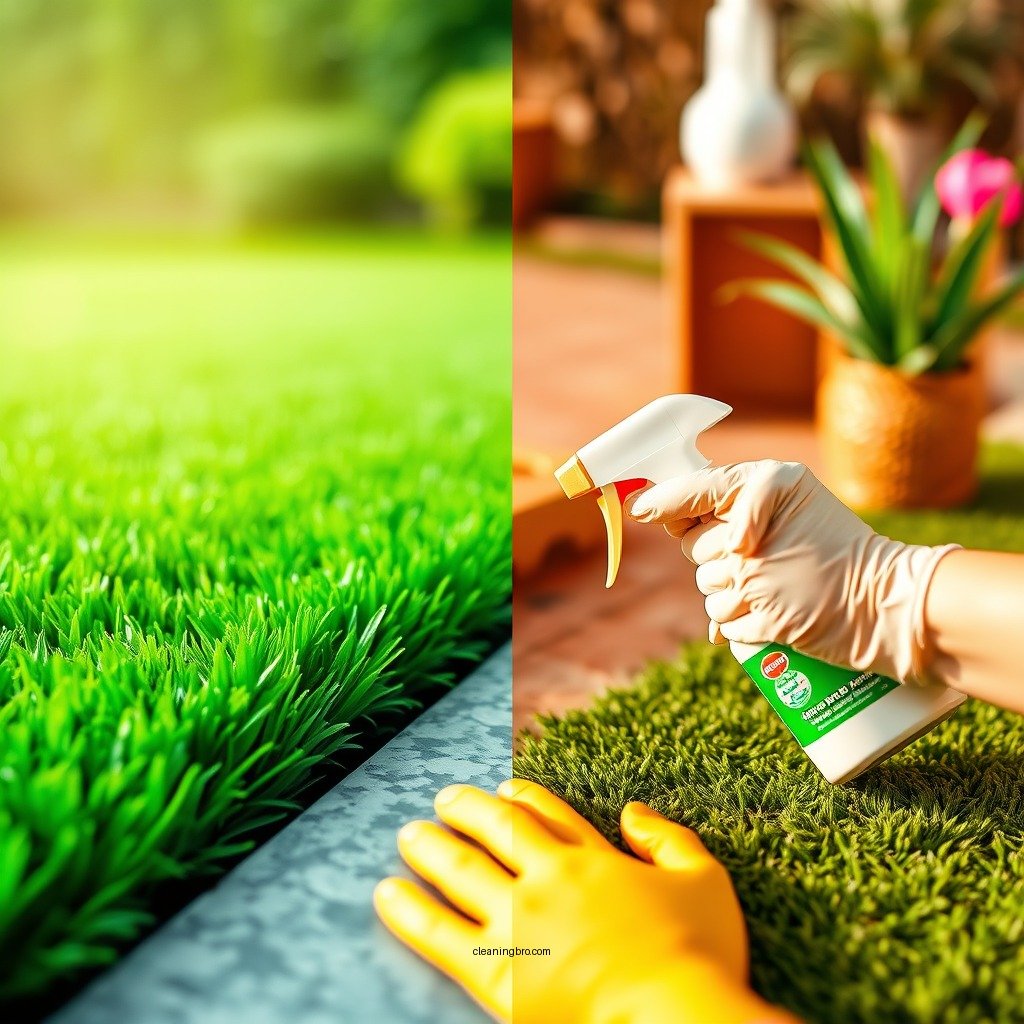
Cleaning artificial turf is essential to maintaining its appearance and longevity. To effectively clean artificial turf, regularly remove debris, rinse it with water, and use specialized cleaners as needed. This guide will walk you through the steps and tips for keeping your turf in top condition, ensuring it remains a beautiful and functional part of your landscape.
Artificial turf is increasingly popular for its low maintenance needs compared to natural grass. However, it still requires a regular cleaning regimen to avoid odors, discoloration, and potential damage. Without proper care, debris, pet waste, and organic growth can diminish both the aesthetic and functional qualities of your turf. By following this comprehensive guide, you can ensure that your artificial turf remains in excellent condition year-round.
Regular Maintenance Practices
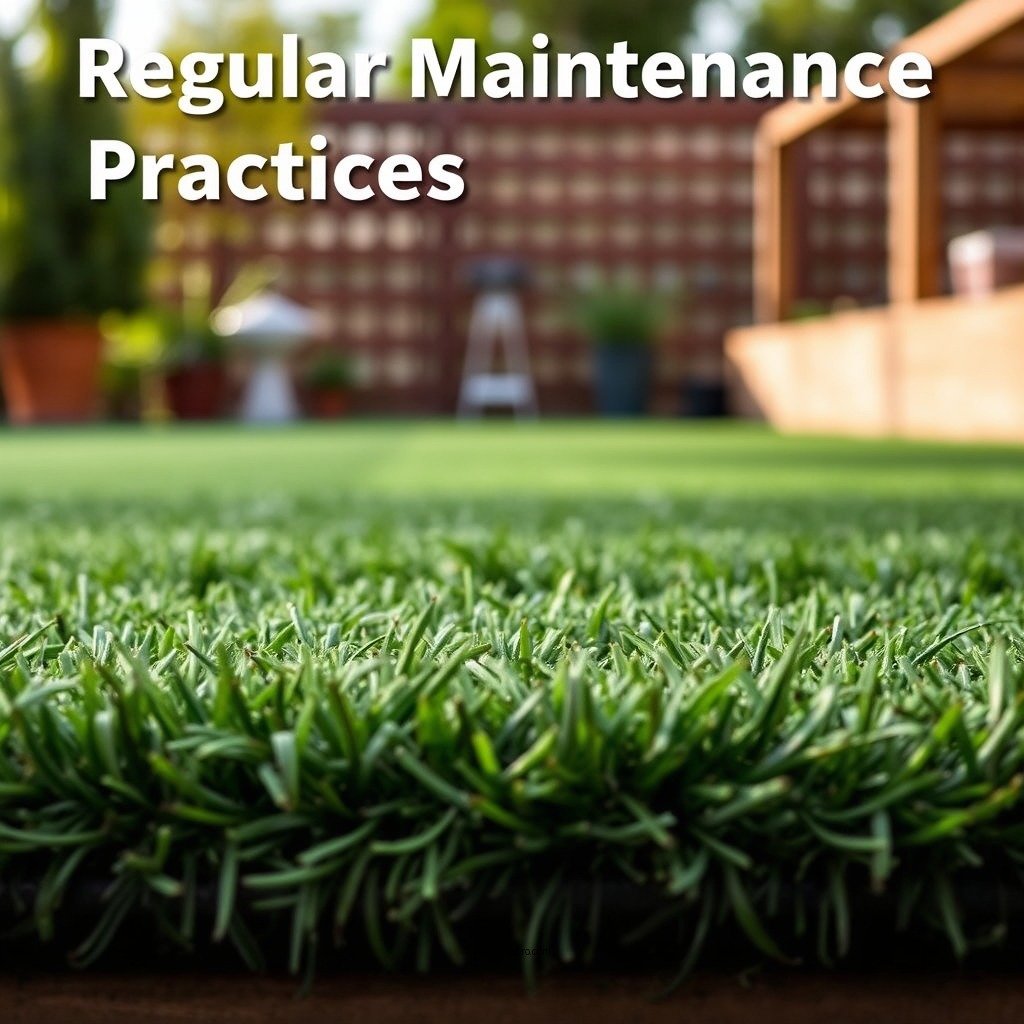
Regular maintenance is vital to preserving the quality of your artificial turf. Here are some essential practices to incorporate into your routine:
– Debris Removal: Use a leaf blower or a rake to eliminate leaves, twigs, and other debris. This step is crucial, especially during fall when leaves are plentiful. If left unattended, debris can lead to mold growth and a degraded appearance.
– Brushing: Utilize a stiff-bristled broom to brush the turf fibers. This action not only helps in lifting the fibers to maintain their upright position but also dislodges dirt and small particles. Regular brushing (ideally once a week) will keep the turf looking fresh and inviting.
Incorporating these practices into your weekly or bi-weekly cleaning schedule can significantly extend the lifespan of your artificial turf while keeping it looking pristine.
Deep Cleaning Techniques
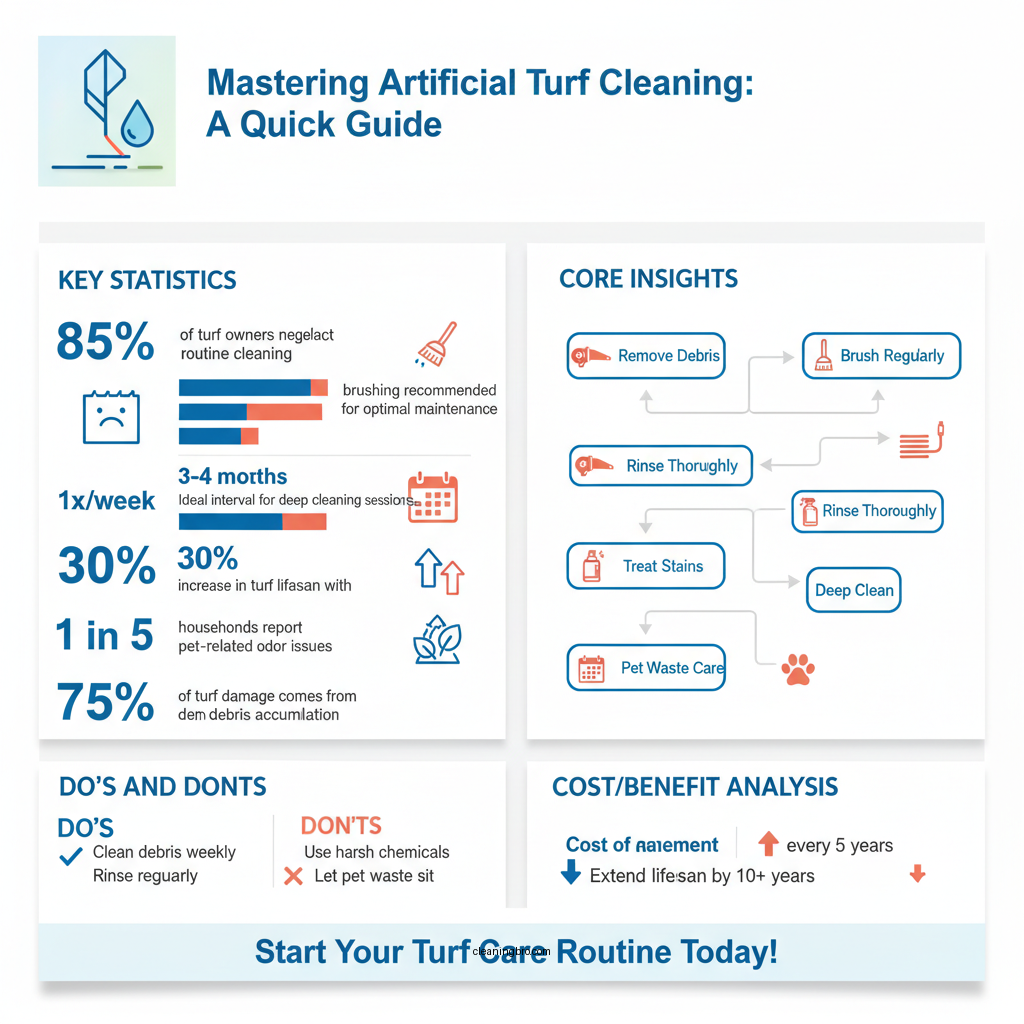
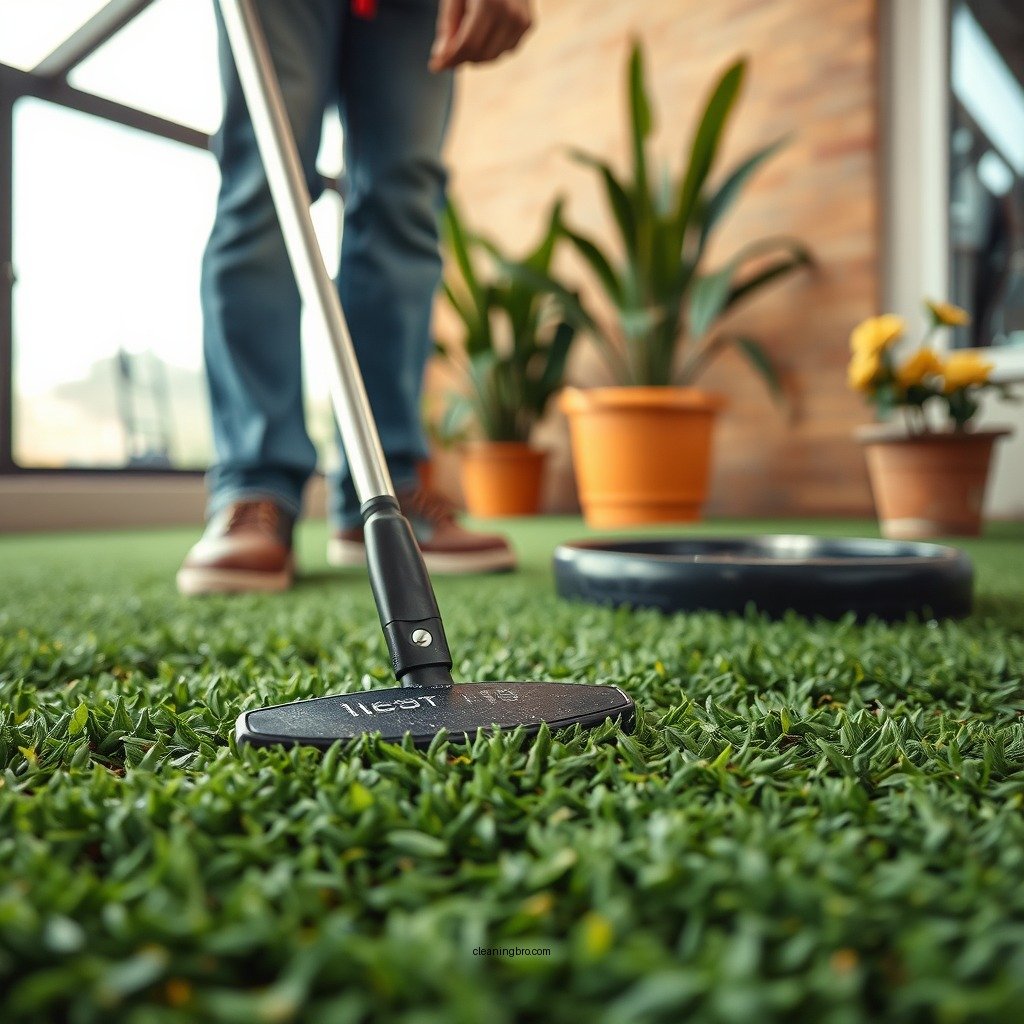
For effective deep cleaning, you should undertake thorough cleaning sessions periodically, ideally every few months or as needed. Here are some steps to ensure a deep clean:
– Rinsing: Use a garden hose to rinse the turf down. This step is effective in removing dust, dirt, and pollen that may accumulate over time. A pressure washer can also be used but should be applied carefully to avoid damaging the turf fibers.
– Turf-Safe Cleaners: For areas that exhibit stains or unpleasant odors, apply a turf-safe cleaner. These specialized products are designed to break down organic matter without harming the turf. After applying the cleaner, scrub the area gently with a soft brush to lift stains or odors, then rinse thoroughly with water.
Dealing with Pet Waste
If you have pets, cleaning artificial turf becomes particularly important. Here are some effective strategies:
– Immediate Waste Removal: Solid waste should be removed as soon as possible. Use a plastic bag or a scoop specifically designed for pet waste. This helps prevent odors and the buildup of harmful bacteria.
– Cleaning Spots: For liquid waste, use a mixture of water and white vinegar (1:1 ratio) to clean the affected area. The vinegar acts as a natural deodorizer and disinfectant. Pour the solution over the stain, scrub gently, and rinse with water. This method is effective in neutralizing odors and maintaining a clean surface for your pets.
Implementing these strategies will not only ensure a cleaner environment for your pets but also maintain the turf’s integrity and appearance.
Managing Weeds and Moss
Weeds and moss can pose a challenge to artificial turf, as they can undermine its structural integrity and appearance. Here are effective management strategies:
– Herbicides: Use a commercial herbicide specifically designed for artificial grass. These products can effectively prevent weed growth without damaging the turf. Always follow the manufacturer’s instructions for application to ensure effectiveness and safety.
– Inspection and Removal: Regularly inspect your turf for any signs of moss or algae growth. If found, they can often be removed by scrubbing with a soft brush and rinsing with water. For persistent issues, consider using a diluted mixture of bleach (1 part bleach to 10 parts water) to treat the affected areas, but be sure to rinse thoroughly afterward.
By actively managing weeds and moss, you can preserve the aesthetic and functional aspects of your artificial turf for years to come.
Seasonal Cleaning Tips
Seasonal changes can bring unique challenges for artificial turf maintenance. Here are some tailored cleaning tips for each season:
– Spring: As winter transitions to spring, perform a thorough clean to prepare your turf for increased use during the warmer months. This includes debris removal, deep cleaning, and inspecting for damage incurred during winter.
– Fall: During the fall, ensure that all leaves are removed promptly to prevent staining and mold growth. Regular maintenance during this time is critical, as fallen leaves can retain moisture and promote fungal growth.
Implementing these seasonal cleaning strategies helps ensure that your artificial turf is ready for use and remains in optimal condition throughout the year.
Tools and Supplies Needed
To effectively clean and maintain your artificial turf, having the right tools and supplies is essential. Here’s a list of recommended items:
– Stiff-bristled Broom: Ideal for brushing turf fibers and removing debris.
– Hose or Pressure Washer: Useful for rinsing the turf and removing dirt.
– Turf-Safe Cleaning Solution: Necessary for deep cleaning and stain removal.
– Leaf Blower: Efficient for removing leaves and other debris quickly and effectively.
Having these tools on hand will streamline your cleaning process and ensure that you can address any issues as they arise.
When to Seek Professional Help
While regular maintenance can be managed on your own, certain situations may warrant professional assistance:
– Extensive Cleaning or Repairs: If your turf has suffered significant damage or requires deep cleaning beyond your capabilities, consider hiring a professional service. They have the expertise and equipment to restore your turf effectively.
– Persistent Odors or Damage: If you notice continuous odors or damage that you cannot resolve, it may be time to consult specialists in artificial turf maintenance. They can assess the situation and provide targeted solutions.
Engaging professionals can save you time and ensure that your turf receives the care it needs, especially when facing complex issues.
Top 7 Artificial Turf Cleaning Products (2024)
| # | Product | Size | Price | Rating |
|---|---|---|---|---|
| 1 | Turf Clean | 32 oz | $25.99 | ★★★★☆ |
| 2 | Green Turf Cleaner | 1 Gallon | $39.99 | ★★★★★ |
| 3 | Pet Odor Neutralizer | 16 oz | $14.99 | ★★★★☆ |
| 4 | Moss & Algae Killer | 32 oz | $26.50 | ★★★★☆ |
| 5 | Turf Fresh | 1 Gallon | $32.99 | ★★★★★ |
| 6 | Artificial Grass Cleaner Concentrate | 32 oz | $19.99 | ★★★★☆ |
| 7 | Odor Control Granules | 8 lbs | $24.99 | ★★★★☆ |
Top 3 Tools for Cleaning Artificial Turf
| Feature | ⭐ Turf Clean | Green Turf Cleaner | Pet Odor Neutralizer |
|---|---|---|---|
| Price | $25.99 | $39.99 | $14.99 |
| Size | 32 oz | 1 Gallon | 16 oz |
| Effectiveness | ✅ High | ✅ Very High | ✅ Moderate |
| Pet Safe | ✅ | ✅ | ✅ |
| Multi-surface Use | ✅ | ❌ | ✅ |
| Odor Control | ✅ High | ✅ Moderate | ✅ Very High |
| Easy to Use | ✅ | ✅ | ✅ |
| Environmental Friendly | ✅ | ✅ | ✅ |
| Scent | Fresh Scent | None | Fresh Scent |
| 🏆 Best For | General Turf Cleaning | Large Areas | Odor Control |
Frequently Asked Questions
How do you properly clean artificial turf?
To properly clean artificial turf, start by removing debris such as leaves, sticks, and trash using a leaf blower or a stiff broom. Next, rinse the surface with a hose to wash away dirt and dust, and for deeper cleaning, use a mixture of mild soap and water to scrub any stains or spills. Lastly, ensure that the turf is fully dried to prevent mold growth.
What products are safe to use when cleaning artificial turf?
When cleaning artificial turf, it’s best to use non-toxic, biodegradable cleaners specifically designed for synthetic grass. Avoid harsh chemicals like bleach or ammonia, as they can damage the fibers and affect the turf’s appearance. A mixture of mild dish soap and water is often sufficient for regular maintenance.
Why is it important to clean artificial turf regularly?
Regular cleaning of artificial turf is important to maintain its aesthetic appeal and longevity. Accumulated dirt, debris, and organic matter can lead to unpleasant odors, mold growth, and discoloration, which can detract from your outdoor space. Additionally, routine maintenance helps prevent the wear and tear of the turf fibers.
What is the best way to remove pet waste from artificial turf?
The best way to remove pet waste from artificial turf is to pick up solid waste with a plastic bag and dispose of it properly. For liquid waste, rinse the affected area with water to dilute the urine and eliminate odors. You can also use an enzyme-based cleaner specifically formulated for pet waste on synthetic grass to break down any remaining stains.
Which tools are essential for cleaning artificial turf effectively?
Essential tools for effectively cleaning artificial turf include a stiff-bristled broom or rake for debris removal, a leaf blower for loose leaves, and a hose for rinsing. Additionally, having a spray bottle for your cleaning solution and a specialized turf brush can help maintain the grass fibers and keep your artificial turf looking fresh and inviting.
References
- https://www.ncbi.nlm.nih.gov/pmc/articles/PMC7429522/
https://www.ncbi.nlm.nih.gov/pmc/articles/PMC7429522/ - https://www.sciencedirect.com/topics/earth-and-planetary-sciences/artificial-turf
https://www.sciencedirect.com/topics/earth-and-planetary-sciences/artificial-turf - Helping parents spot developmental delays in children – ABC listen
https://www.abc.net.au/life/how-to-clean-your-artificial-grass/11929854 - Artificial turf | grass product | Britannica
https://www.britannica.com/technology/artificial-turf - The Rebels Brand Premium Grass Seed
https://www.turf.com/how-to-clean-artificial-grass/ - https://www.cdc.gov/healthywater/drinking/campground/cleaning-artificial-turf.html
https://www.cdc.gov/healthywater/drinking/campground/cleaning-artificial-turf.html - https://www.ncbi.nlm.nih.gov/books/NBK451932/
https://www.ncbi.nlm.nih.gov/books/NBK451932/ - Google Scholar Google Scholar
https://scholar.google.com/scholar?q=cleaning+artificial+turf - Google Scholar Google Scholar
https://scholar.google.com/scholar?q=maintenance+of+artificial+turf+fields - Google Scholar Google Scholar
https://scholar.google.com/scholar?q=how+do+you+clean+artificial+turf