How to Clean Satin: Effective Methods and Tips
Cleaning satin requires gentle techniques to preserve its delicate fabric. The best way to clean satin is by using mild soap and cold water or taking it to a professional cleaner. Satin’s luxurious appearance is often marred by stains or dirt, making proper care essential to maintain its allure. In this article, you’ll discover practical methods and tips to maintain the beauty of satin garments and accessories, ensuring they remain in pristine condition for years to come.
Understanding Satin Fabric

Satin is often misunderstood as a specific type of fabric, but it is, in fact, a weave produced from various fibers such as silk, polyester, or nylon. This unique weaving technique gives satin its characteristic glossy surface and smooth texture, making it a popular choice for clothing, upholstery, and accessories. The most common types of satin include silk satin, which is luxurious and breathable; polyester satin, which is more durable and cost-effective; and nylon satin, known for its strength and elasticity.
Different types of satin have varying care requirements. For instance, silk satin needs more careful handling due to its delicate nature, while polyester can often withstand slightly more robust cleaning methods. It’s essential to identify the fiber content of your satin item before deciding on a cleaning method, as this will influence the techniques and products you should use.
General Cleaning Methods
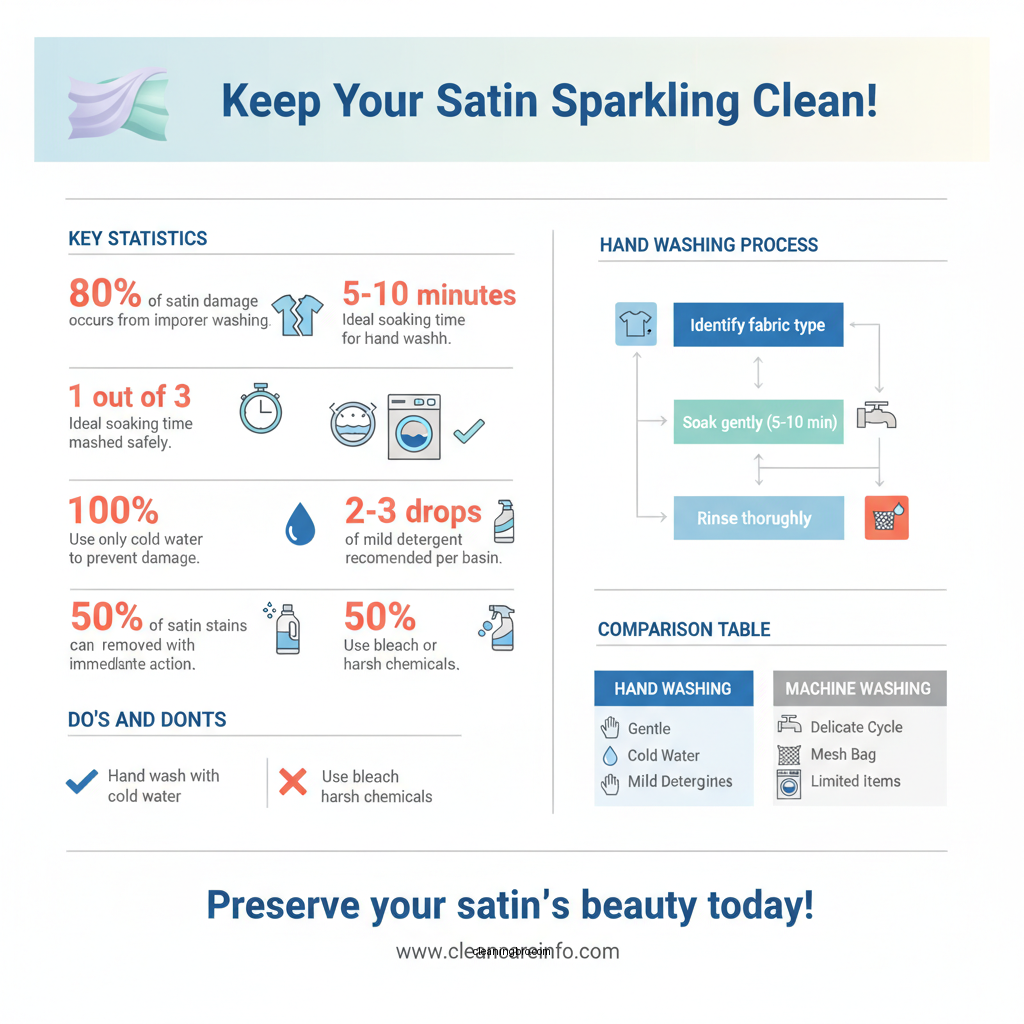
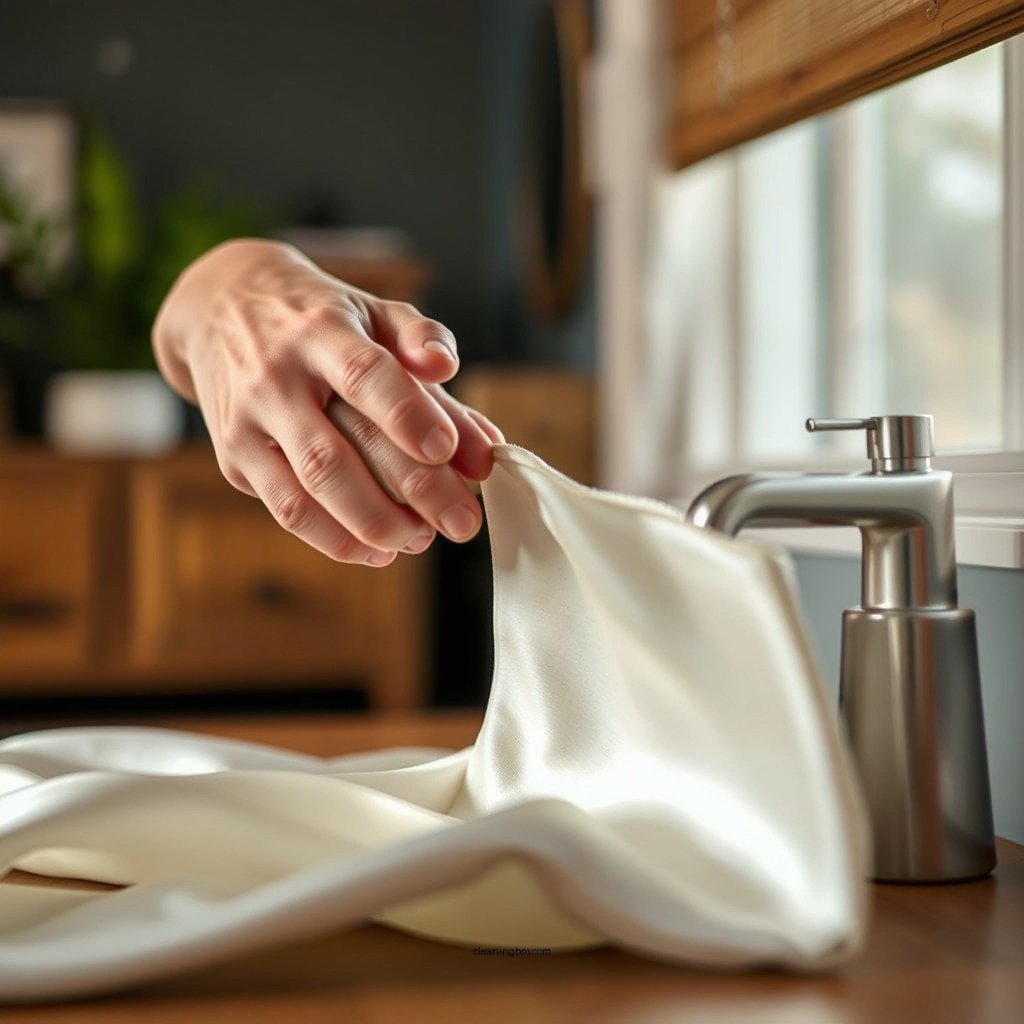
When it comes to cleaning satin, hand washing is often the safest method. This approach minimizes the risk of damage that can occur during machine washing. To hand wash satin, follow these steps:
1. Fill a basin with cold water: Always use cold water to prevent fabric shrinkage and color bleeding.
2. Add a gentle detergent: Choose a mild detergent designed specifically for delicate fabrics. Avoid harsh chemicals or bleach that can damage the fibers.
3. Soak the garment: Submerge the satin item and gently agitate the water to distribute the detergent. Allow it to soak for about 5-10 minutes.
4. Rinse thoroughly: Rinse the garment in cold water until all detergent is removed. It’s crucial to ensure that no residue remains, as this can affect the fabric’s appearance.
If hand washing is not feasible, some satin items can be machine washed, but it is vital to use a mesh laundry bag and select the delicate cycle to protect the fabric.
Stain Removal Techniques
Stains can be particularly distressing on satin due to its glossy finish. Addressing stains as soon as possible is crucial to prevent them from setting. Here are effective stain removal techniques tailored for satin:
– Blot, don’t rub: Gently blot the stain with a clean, dry cloth to absorb as much of the liquid as possible. Rubbing can damage the fibers and spread the stain.
– Use a stain treatment: A small amount of gentle stain remover can be applied directly to the stain. Always test the product on a hidden area first to ensure it doesn’t affect the color or texture.
– Follow with cold water rinsing: After treating the stain, rinse the area with cold water to remove any residual cleaning product.
Common stains like wine, grease, or ink can often be treated effectively with these methods, but if the stain proves stubborn, consider consulting a professional cleaner.
Common Stains on Satin and Recommended Treatments
| # | Stain Type | Recommended Treatment | Success Rate |
|---|---|---|---|
| 1 | Red Wine | Blot with cold water and apply stain remover | 85% |
| 2 | Grease | Apply corn starch, let sit, then brush off | 90% |
| 3 | Ink | Blot with rubbing alcohol and rinse | 70% |
| 4 | Chocolate | Scrape off excess, then treat with cold water | 80% |
| 5 | Grass | Use white vinegar and water solution | 85% |
| 6 | Makeup | Blot with makeup remover wipes | 75% |
| 7 | Wine | Blot with club soda and rinse | 90% |
Washing Machine Care
If machine washing is necessary, it is imperative to take extra precautions to protect the delicate fabric. Here are steps to follow:
1. Use a mesh laundry bag: Place satin items inside a mesh bag to shield them from agitation and friction during the wash cycle.
2. Select a gentle cycle: Always opt for a delicate or gentle cycle to minimize stress on the fabric.
3. Cold water only: Just as with hand washing, always use cold water to avoid shrinkage and fading.
4. Avoid fabric softeners: These can leave residues that dull the fabric’s sheen.
Before machine washing, always check the care labels for specific instructions. Some satin items may be labeled as “dry clean only,” which should be strictly followed to avoid damage.
Drying and Ironing Satin
Proper drying and ironing techniques are crucial for maintaining satin’s luxurious appearance. Here are some recommendations:
– Air drying is preferred: Lay satin flat on a clean, dry towel or hang it on a padded hanger. Avoid wringing out or hanging satin directly, as this can lead to stretching and distortion of the fabric.
– Avoid direct sunlight: Prolonged exposure to UV rays can cause fading and damage; thus, it’s best to dry satin in a well-ventilated area away from sunlight.
– Ironing considerations: If ironing is necessary, set the iron to a low heat setting. Always place a cloth or pressing cloth between the iron and the satin to prevent direct contact, which can scorch the fabric.
By following these drying and ironing tips, you can preserve the satin’s natural beauty and extend its lifespan.
Professional Cleaning Options
For items that are heavily soiled or if you are uncertain about the cleaning process, consider taking your satin garments to a professional cleaner. Here are some advantages of opting for professional cleaning:
– Expertise in delicate fabrics: Professional cleaners have the training and experience to handle various types of satin and can apply specialized techniques to remove stains without damaging the fabric.
– Use of specialized products: They utilize products specifically designed for delicate materials, ensuring a thorough clean without harsh chemicals.
– Consultation for specific issues: When taking your items to a cleaner, be sure to discuss any particular stains or concerns. This will allow the cleaner to choose the most effective treatment for your garment.
Investing in professional cleaning can be particularly beneficial for vintage or heirloom satin pieces, where preservation is paramount.
Maintaining Satin’s Luster
Maintaining the luster of satin requires proper care and storage practices. Here are some strategies to keep your satin items looking fresh and vibrant:
– Store properly: Keep satin garments in a cool, dry place, away from direct sunlight to prevent color fading. Use padded hangers for dresses or blouses to maintain their shape.
– Dust regularly: Lightly brush or shake out satin items to remove dust and prevent dirt buildup. A soft lint brush can be beneficial for this purpose.
– Avoid overcrowding: When storing satin items, ensure they are not packed tightly together, as this can lead to creases and damage.
– Rotate use: If you have multiple satin items, rotate their use to minimize wear on any single piece. This is especially important for frequently worn garments.
By implementing these maintenance techniques, you can ensure your satin garments and accessories retain their luxurious appearance for a long time.
Maintaining satin’s beauty requires careful cleaning and storage practices. By following these tips and methods, you can ensure your satin garments and accessories remain in excellent condition. For best results, always refer to care labels and consider professional cleaning for heavily soiled items. With the right care, your satin pieces will continue to provide elegance and style for many occasions to come.
Frequently Asked Questions
What is the best way to clean satin fabric?
The best way to clean satin fabric is to hand wash it in cold water using a mild detergent specifically designed for delicate fabrics. Avoid wringing or twisting the satin; instead, gently agitate the fabric and rinse thoroughly. For tougher stains, consider spot cleaning with a mixture of water and vinegar.
How do you remove stains from satin without damaging it?
To remove stains from satin without causing damage, first, gently blot the stain with a clean, dry cloth to absorb any excess liquid. Then, use a soft cloth dampened with a mixture of mild soap and water to dab the stained area, being careful not to rub too hard. Always test any cleaning solution on a hidden area of the fabric before applying it to the stain.
Why is it important to avoid certain cleaning methods for satin?
It is important to avoid certain cleaning methods for satin because harsh chemicals, hot water, and vigorous scrubbing can weaken the delicate fibers, causing them to lose their luster or even tear. Satin’s smooth surface can also be easily damaged by abrasive materials, leading to permanent marks or snags. Always opt for gentle cleaning techniques to preserve the fabric’s integrity.
What should I do if my satin item is machine washable?
If your satin item is machine washable, place it inside a mesh laundry bag to protect it from friction and snags during the wash cycle. Use a gentle cycle with cold water and a mild detergent, and avoid fabric softeners which can leave residue. After washing, it’s best to air dry the item by laying it flat or hanging it, away from direct sunlight.
Which products are safe to use on satin clothing?
Safe products to use on satin clothing include mild detergents specifically formulated for delicate fabrics, as well as gentle stain removers that are free of bleach and harsh chemicals. Always check the label for compatibility with silk or satin to ensure you don’t accidentally damage your garment. For added protection, consider using a specialized fabric spray designed for satin finishes.
References
- Satin
https://en.wikipedia.org/wiki/Satin - https://www.huffpost.com/entry/how-to-clean-satin_n_5f8c3b2bc5b6a8a4d6d79f67
https://www.huffpost.com/entry/how-to-clean-satin_n_5f8c3b2bc5b6a8a4d6d79f67 - Country Selector | Cleanipedia
https://www.cleanipedia.com/us/cleaning/satin-fabric-care.html - https://www.cdc.gov/niosh/topics/cleaning.html
https://www.cdc.gov/niosh/topics/cleaning.html - https://www.mayoclinic.org/healthy-lifestyle/consumer-health/in-depth/cleaning-your-home/art-20044484
https://www.mayoclinic.org/healthy-lifestyle/consumer-health/in-depth/cleaning-your-home/art-20044484 - Google Scholar Google Scholar
https://scholar.google.com/scholar?q=cleaning+satin - Google Scholar Google Scholar
https://scholar.google.com/scholar?q=satin+fabric+care - Google Scholar Google Scholar
https://scholar.google.com/scholar?q=how+to+clean+satin+clothing - https://www.britannica.com/topic/satin-textile
https://www.britannica.com/topic/satin-textile - Google Scholar Google Scholar
https://scholar.google.com/scholar?q=how+do+you+clean+satin