How Often Should You Clean a Shotgun for Optimal Performance
Cleaning your shotgun regularly is essential for maintaining its performance and longevity. Ideally, you should clean your shotgun after each use, especially if you’ve fired a significant number of rounds. This practice not only preserves the firearm’s functionality but also enhances safety and ensures that you are ready for your next shooting session. In this article, we’ll explore the best practices for shotgun cleaning frequency, the factors influencing it, and tips to ensure your firearm remains in top condition.
Understanding the Importance of Cleaning

Cleaning your shotgun is crucial for several reasons. First and foremost, it enhances the performance and reliability of the shotgun. A clean firearm operates more smoothly, ensuring that every pull of the trigger results in optimal performance. Additionally, regular cleaning prevents rust and corrosion that can damage components. Without proper maintenance, buildup from gunpowder residue, moisture, and dirt can lead to malfunctions or even catastrophic failures, posing serious risks during use.
Moreover, a clean shotgun improves accuracy. When the barrel is free of obstructions and residue, it allows for a more consistent shot pattern. This is particularly important for shotguns used in hunting or competitive shooting, where precision is paramount. Overall, regular cleaning is not just a matter of aesthetics; it is integral to the functionality and safety of your shotgun.
Factors Influencing Cleaning Frequency

The frequency with which you should clean your shotgun can depend on several key factors:
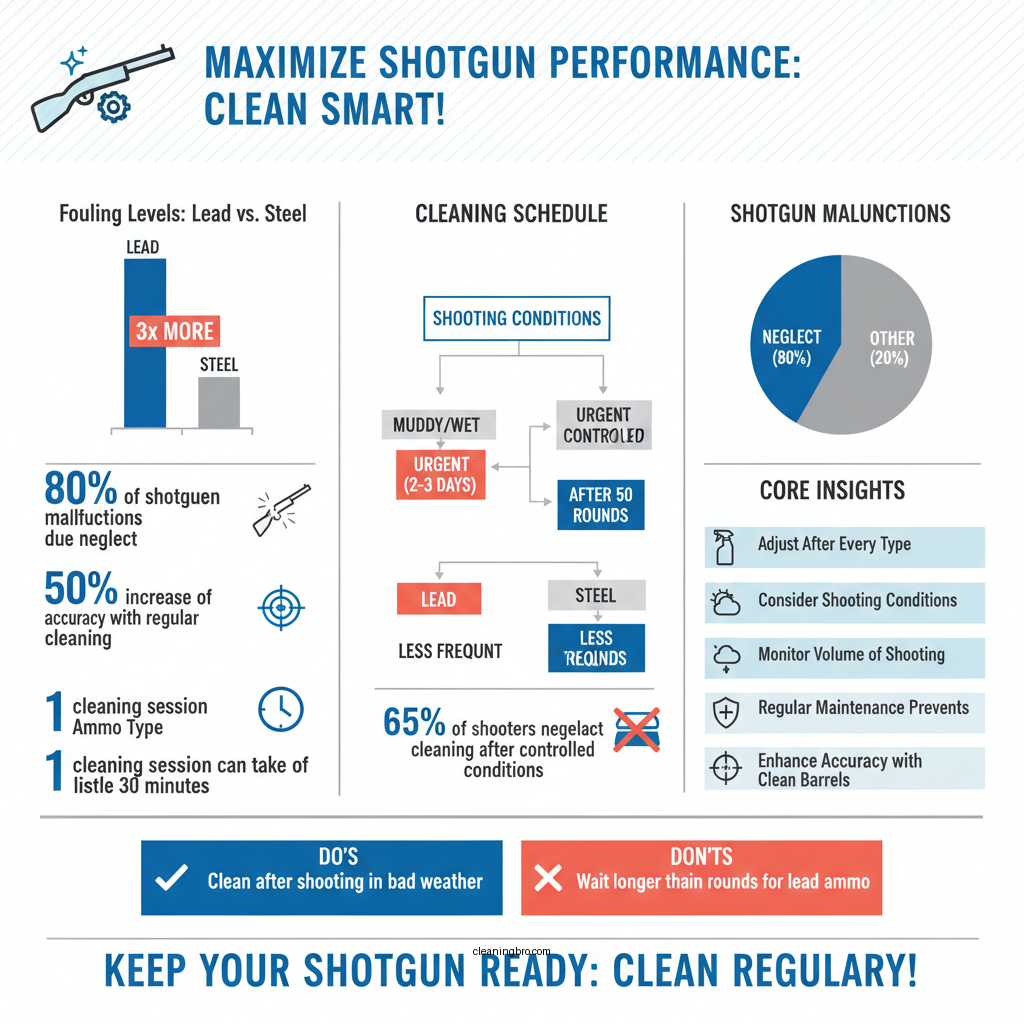
1. Type of Ammunition Used: The choice of ammunition can significantly influence the amount of residue and fouling produced. For instance, lead ammunition tends to leave behind more buildup compared to steel shot, which can result in different cleaning requirements. If you frequently use lead shots, you may find yourself needing to clean your shotgun more often.
2. Conditions Under Which the Shotgun Was Used: The environments in which you shoot can also dictate cleaning frequency. If you’ve used your shotgun in wet, muddy, or dusty conditions, it will likely require cleaning after every outing to remove contaminants that could lead to rust or other damages. Conversely, shooting in controlled environments may allow for longer intervals between cleanings.
3. Volume of Shooting: The number of rounds fired in a single session is another critical factor. High-volume shooting—such as during a day of hunting or at the range—will produce more fouling and may necessitate cleaning immediately afterward.
Recommended Cleaning Schedule

For optimal performance, it’s recommended to adopt the following cleaning schedule:
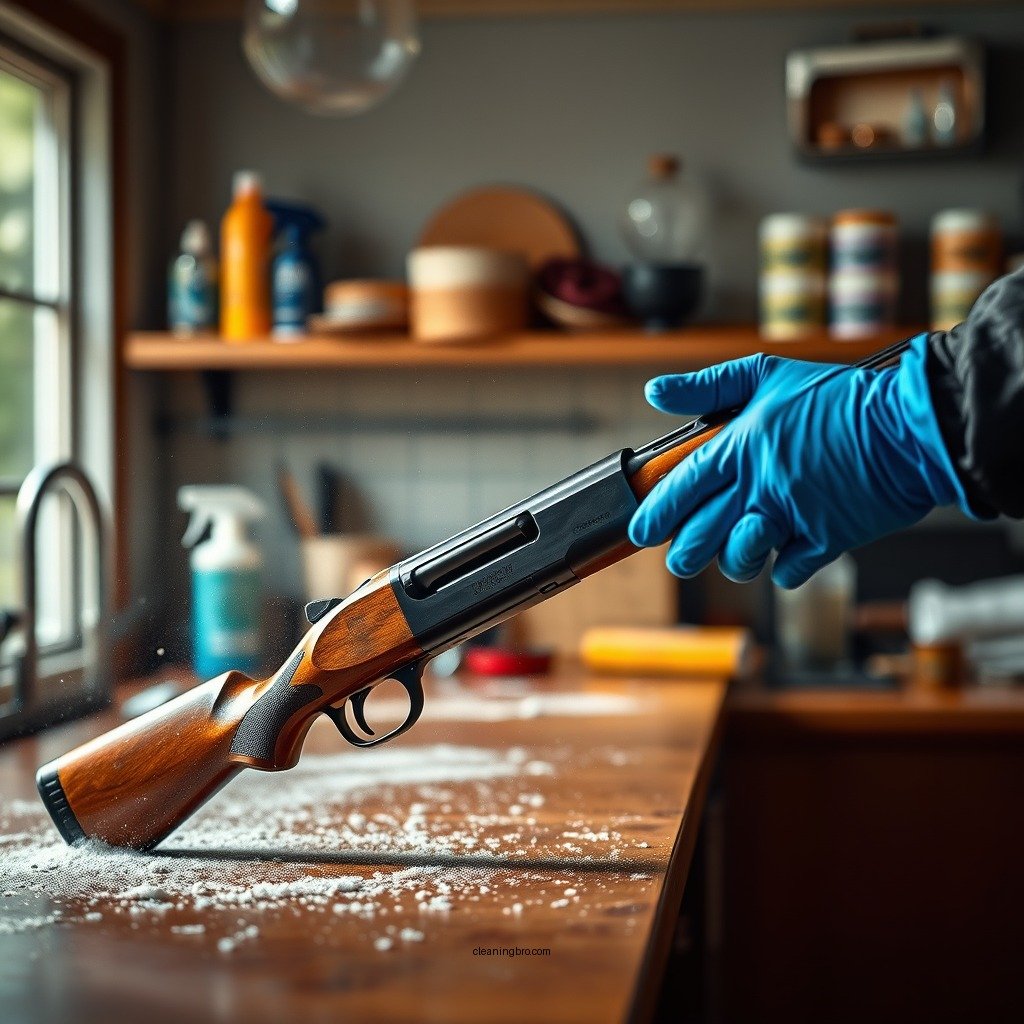
– Clean After Each Shooting Session: This is the best practice to ensure your shotgun remains in peak condition. After each use, especially if significant rounds have been fired, give your shotgun a thorough cleaning. This includes cleaning the barrel, action, and any other components that may have accumulated dirt or residue.
– Thorough Cleaning Every 100-200 Rounds: In addition to routine cleanings, plan for a more comprehensive cleaning after every 100-200 rounds. This deeper cleaning involves disassembling the shotgun, inspecting parts for wear, and applying lubricants to keep mechanisms functioning smoothly.
By adhering to this schedule, you can significantly extend the life of your shotgun and maintain its performance.
Top 7 Shotgun Cleaning Supplies (2024)
| # | Product | Type | Rating | Price |
|---|---|---|---|---|
| 1 | Hoppe’s No. 9 | Solvent | ★★★★☆ | $12.99 |
| 2 | Bore Snakes | Cleaning Tool | ★★★★★ | $15.99 |
| 3 | M-Pro 7 Gun Cleaner | Cleaner | ★★★★☆ | $10.99 |
| 4 | Otis Technology Cleaning Kit | Complete Kit | ★★★★★ | $29.99 |
| 5 | Break-Free CLP | Lubricant | ★★★★☆ | $8.99 |
| 6 | Ballistol Multi-Purpose Oil | Lubricant | ★★★★★ | $9.99 |
| 7 | Shooting Chrony | Measurement Tool | ★★★★☆ | $139.99 |
Cleaning Techniques and Tools
To effectively clean your shotgun, you will need a few essential tools and a systematic approach:
Essential Tools
– Cleaning Rod: A sturdy cleaning rod is necessary for pushing brushes and patches through the barrel.
– Brushes: Use a bore brush to scrub the inside of the barrel, removing any fouling or residue.
– Patches: These are used in conjunction with the cleaning rod to wipe out the barrel and apply solvents.
– Solvents: Gun cleaning solvents are vital for breaking down carbon and lead deposits within the firearm.
Step-by-Step Cleaning Process
1. Disassemble the Shotgun: First, ensure that the shotgun is unloaded. Remove the barrel from the receiver and separate any other components as necessary.
2. Clean the Barrel: Attach the bore brush to the cleaning rod and insert it into the barrel. Move it back and forth to loosen debris. Follow this with a patch soaked in solvent to wipe down the bore.
3. Clean the Action: Using a soft brush and solvent, clean the action, focusing on areas where dirt and residue accumulate.
4. Inspect Moving Parts: Look for signs of wear or damage. Apply a light coat of lubricant to all moving parts.
5. Reassemble the Shotgun: Once everything is clean and lubricated, reassemble your shotgun, ensuring it is reassembled correctly.
By employing these techniques and ensuring you have the right tools, you can maintain your shotgun’s performance effectively.
Signs That Your Shotgun Needs Cleaning
Recognizing when your shotgun requires cleaning is crucial for maintaining its function. Here are some key indicators:
1. Difficulty in Chambering Rounds or Ejecting Shells: If you notice resistance when loading or unloading, it may be a sign of buildup inside the action or barrel.
2. Decreased Accuracy: If your shotgun is not shooting as accurately as before, it may be due to a dirty barrel affecting the shot pattern.
3. Visible Residue: If you can see dirt, grime, or residue on the exterior or in the action, it’s time for a thorough cleaning.
By keeping an eye out for these signs, you can address issues before they lead to more significant problems.
Long-Term Maintenance Tips
Maintaining your shotgun goes beyond cleaning; it also involves long-term care strategies to preserve its condition:
– Store Your Shotgun in a Controlled Environment: Keeping your shotgun in a dry, temperature-controlled area can help reduce moisture, which is a primary cause of rust and corrosion. Invest in a quality gun safe or cabinet that offers protection from the elements.
– Regularly Inspect and Lubricate Moving Parts: Even if you haven’t fired your shotgun for a while, it’s wise to periodically check for any signs of wear or corrosion. Apply lubricants to moving parts to prevent buildup and ensure smooth operation.
– Use Protective Covers: Consider using a gun sock or cover to protect your shotgun from dust and moisture when stored.
By following these long-term maintenance tips, you can significantly enhance the lifespan and reliability of your shotgun.
Common Mistakes to Avoid
While cleaning your shotgun, be mindful of common mistakes that could lead to damage:
1. Using Improper Cleaning Solutions: Some cleaning agents can be too harsh and damage the finish or internal components of the shotgun. Always use products specifically designed for firearms.
2. Neglecting to Clean the Bore and Choke Tubes: Overlooking these areas can lead to significant fouling, which can affect accuracy and performance. Make sure to clean these parts thoroughly during every cleaning session.
3. Skipping Regular Maintenance: Many gun owners clean their firearms only when they notice issues, but proactive maintenance can prevent problems before they arise.
By avoiding these pitfalls, you can ensure that your shotgun remains in optimal condition.
Maintaining a regular cleaning schedule is crucial for ensuring your shotgun stays in excellent working order. By understanding the factors that influence how often you should clean it and recognizing the signs that indicate a need for cleaning, you can significantly extend the life of your firearm. Start implementing these practices today to keep your shotgun performing at its best.
Frequently Asked Questions
How often should you clean a shotgun after use?
You should clean your shotgun after every use, especially if you’ve fired a significant number of rounds or used corrosive ammunition. Regular cleaning prevents residue buildup and ensures optimal performance, extending the life of your firearm. If you’re hunting in wet or muddy conditions, a thorough cleaning is even more critical to prevent rust and damage.
What is the best way to clean a shotgun?
The best way to clean a shotgun involves disassembling the firearm according to the manufacturer’s instructions, using a cleaning rod and brush to scrub the barrel, and applying a suitable gun oil to protect the metal surfaces. Make sure to clean the action and all moving parts, as dirt and debris can affect functionality. Always use cleaning products specifically designed for shotguns to avoid damaging your firearm.
Why is it important to clean a shotgun regularly?
Regularly cleaning your shotgun is essential for maintaining its performance and reliability. Dirt, powder residue, and moisture can lead to malfunctions and corrosion, which can compromise safety and accuracy. Cleaning ensures that your shotgun operates smoothly and helps preserve its value over time.
Which cleaning products are recommended for shotguns?
Recommended cleaning products for shotguns include high-quality gun oils, solvents, and patches designed for firearms. Look for non-toxic options and products that are specifically formulated for shotguns to effectively remove fouling without causing harm to the gun’s finish. Brands like Hoppe’s, Break-Free, and CLP are popular choices among gun owners.
How can I tell if my shotgun needs cleaning?
You can tell if your shotgun needs cleaning by inspecting the barrel and action for any visible residue, dirt, or corrosion. If you notice a decrease in performance, such as misfires or difficulty cycling, that’s another sign it’s time for a cleaning. Regularly checking your shotgun after each use can help you determine when to clean it, ensuring it remains in good working condition.
References
- Shotgun
https://en.wikipedia.org/wiki/Shotgun - NRA-ILA | Home
https://www.nraila.org/articles/20170414/how-often-should-you-clean-your-gun - https://www.sciencedirect.com/topics/agricultural-and-biological-sciences/shotgun
https://www.sciencedirect.com/topics/agricultural-and-biological-sciences/shotgun - https://www.shootingillustrated.com/articles/2021/1/5/how-often-should-you-clean-your-gun
https://www.shootingillustrated.com/articles/2021/1/5/how-often-should-you-clean-your-gun - https://www.americanhunter.org/articles/2020/2/19/how-often-should-you-clean-your-gun
https://www.americanhunter.org/articles/2020/2/19/how-often-should-you-clean-your-gun - https://www.thetruthaboutguns.com/how-often-should-you-clean-your-gun/
https://www.thetruthaboutguns.com/how-often-should-you-clean-your-gun/ - https://www.bbc.com/news/uk-wales-55174810
https://www.bbc.com/news/uk-wales-55174810 - https://www.nytimes.com/2020/12/05/style/how-to-clean-guns.html
https://www.nytimes.com/2020/12/05/style/how-to-clean-guns.html - Google Scholar Google Scholar
https://scholar.google.com/scholar?q=how+often+should+you+clean+a+shotgun - Google Scholar Google Scholar
https://scholar.google.com/scholar?q=shotgun+maintenance+cleaning+frequency