
How Often to Clean Your Shotgun: Essential Guidelines
Cleaning your shotgun regularly is crucial for its performance and longevity. Generally, it’s recommended to clean your shotgun after every use, but factors like the type of ammunition, weather conditions, and the frequency of use can influence this schedule. Maintaining a clean firearm not only ensures optimal functionality but also enhances safety and accuracy during shooting activities. In this article, we will delve into best practices for cleaning your shotgun, ensuring it remains in optimal condition.
Why Cleaning Frequency Matters

Cleaning your shotgun is a vital routine that should not be overlooked. The frequency of cleaning is essential for several reasons:
– Prevents corrosion and rust buildup: When shotguns are exposed to moisture, residues from ammunition, or even the oils from handling, they can easily succumb to corrosion. Regular cleaning prevents rust from taking hold, which can lead to costly repairs or even render the firearm unsafe for use.
– Maintains accuracy and reliability during use: A clean shotgun performs better than a dirty one. Residues from gunpowder, lead, and other materials can impair the mechanics and lead to misfires or reduced accuracy. By ensuring your shotgun is clean, you maintain its reliability and performance, providing you with confidence in its use.
Cleaning After Use
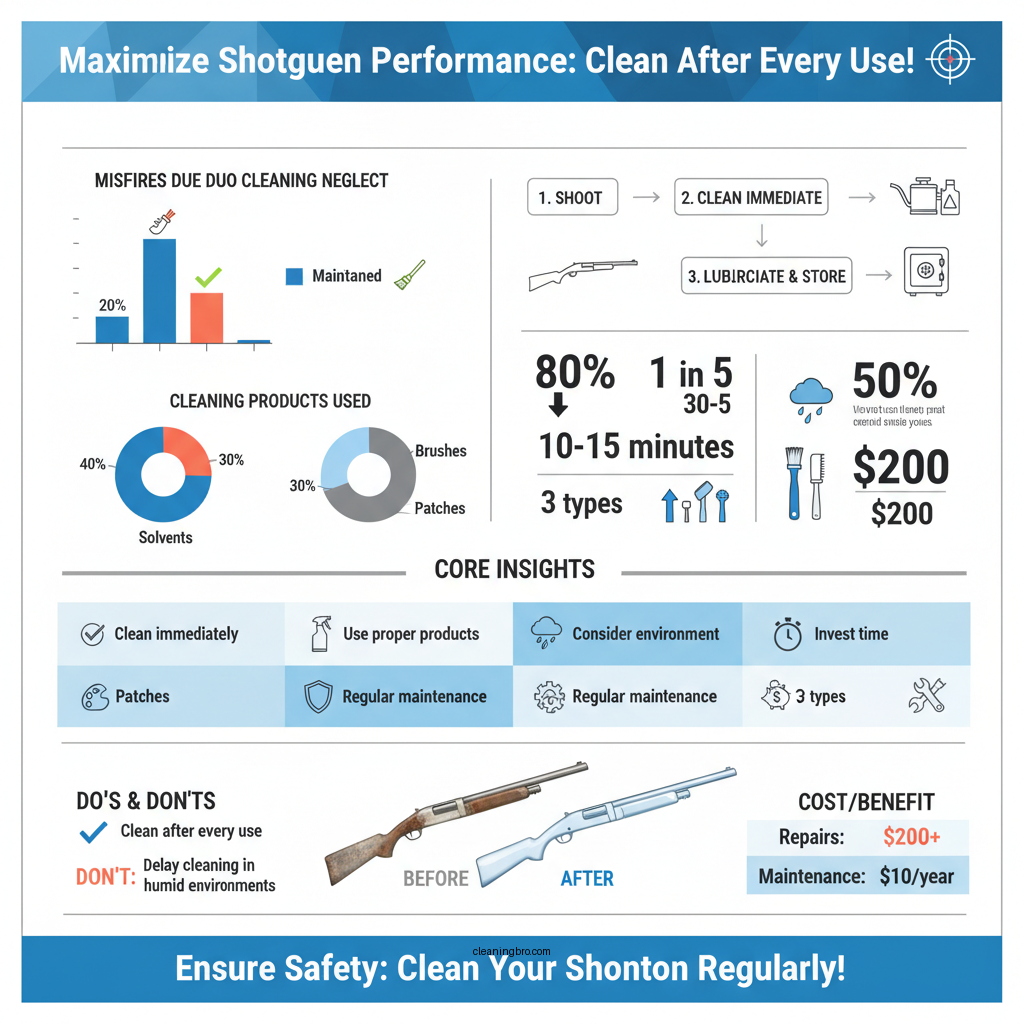

One of the most effective practices for maintaining your shotgun is to clean it immediately after shooting. This habit can significantly reduce the risk of residue buildup, which can be detrimental over time.
– Clean immediately after shooting to avoid residue buildup: The longer gunpowder residue and other contaminants remain in the firearm, the more difficult they become to remove. Cleaning right after use ensures that these materials do not harden or corrode the internal components.
– Use appropriate cleaning products to remove lead and powder fouling: Using the right tools and cleaning products is essential for effective maintenance. High-quality solvents designed for shotguns can help dissolve lead and powder fouling. Brushes and patches specifically made for shotguns can assist in thoroughly cleaning the barrel and action without causing damage.
Environmental Factors to Consider
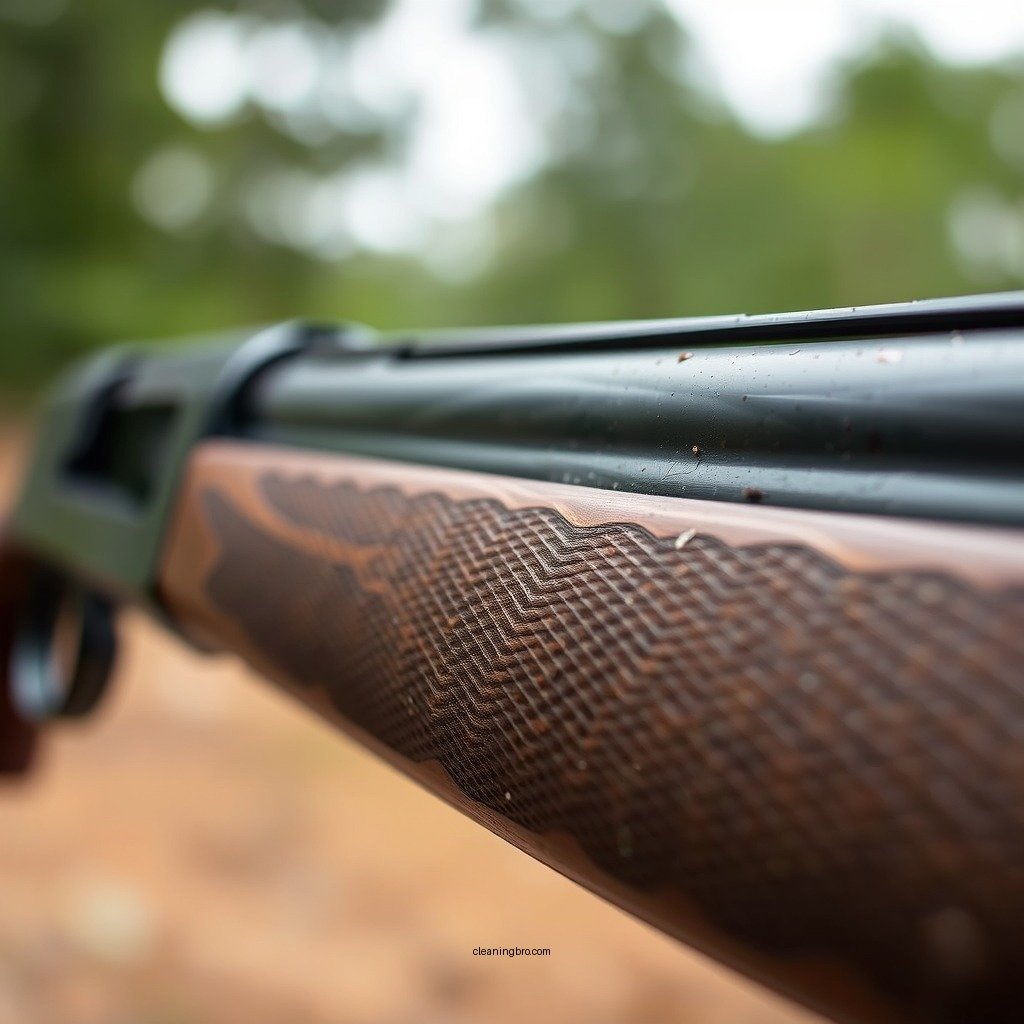
When determining how often to clean your shotgun, consider the environmental conditions in which you are shooting.
– Wet or humid conditions may necessitate more frequent cleaning: If you are shooting in wet or humid environments, moisture can accelerate corrosion. In such cases, it is advisable to clean your shotgun after each use to prevent rust and other moisture-related issues.
– Dusty or dirty environments can lead to quicker accumulation of grime: Shooting in dusty areas can increase the amount of debris that enters your shotgun. This can lead to faster wear and tear on moving parts. If you frequently shoot in such conditions, consider cleaning your shotgun more often to maintain its performance.
Impact of Environment on Shotgun Cleaning Frequency
| # | Condition | Recommended Cleaning Frequency | Reason |
|---|---|---|---|
| 1 | Humid | After Each Use | Prevents Rust |
| 2 | Dusty | Every Few Uses | Removes Grime |
| 3 | Cold | After Each Use | Prevents Condensation |
| 4 | Rainy | After Each Use | Prevents Water Damage |
| 5 | Clean | Every Few Uses | Routine Maintenance |
Types of Ammunition and Their Impact
The type of ammunition you use can significantly affect how often your shotgun needs to be cleaned.
– Lead vs. steel shot: Lead shot ammunition tends to leave more residue in the barrel and action compared to steel shot. This residue can accumulate and negatively impact performance if not cleaned regularly. If you primarily use lead shot, it is advisable to clean your shotgun after every use.
– Specialty ammunition may require different cleaning intervals: Some specialized ammunition, such as those designed for specific hunting or competitive shooting purposes, may have unique residues that require tailored cleaning methods. Always consult the manufacturer’s guidelines for cleaning recommendations to ensure your shotgun’s longevity.
Signs Your Shotgun Needs Cleaning
Being able to identify when your shotgun requires cleaning is crucial for maintaining its performance.
– Decreased accuracy or performance: If you notice a decline in your shotgun’s accuracy or overall performance, it may be time for a thorough cleaning. Accumulated fouling can disrupt the mechanics of the firearm, leading to inconsistent shot placement.
– Visible residue or dirt buildup on the barrel and action: A visual inspection can reveal the need for cleaning. If you see visible dirt or grease on the barrel or in the action, it is a sign that the firearm needs maintenance.
Recommended Cleaning Tools and Supplies
Having the right tools on hand can make the cleaning process more efficient and effective.
– Essential tools include a cleaning rod, patches, brushes, and solvent: A cleaning rod is used to push patches through the barrel to remove fouling, while brushes help scrub the action and other parts. Solvents designed for shotguns can dissolve stubborn residues.
– Consider stock oils and lubricants for maintenance: After cleaning, applying a light coat of oil can help protect against rust and ensure smooth operation of moving parts. Choose products that are specifically formulated for firearms to achieve the best results.
Seasonal Maintenance Tips
Seasonal changes can impact how you care for your shotgun.
– Perform a thorough clean before and after hunting season: At the beginning of hunting season, ensure your shotgun is clean and well-lubricated. After the season ends, a comprehensive cleaning will remove any accumulated residues and prepare your firearm for storage.
– Store your shotgun properly during off-seasons to prevent buildup: When storing your shotgun, keep it in a dry, secure location. Using a protective case can help minimize exposure to dust and moisture, reducing the need for frequent cleaning.
Cleaning Tools for Shotguns: Comparison of Top Brands
| Feature | ⭐ Hoppe’s No. 9 | Birchwood Casey | M-Pro 7 |
|---|---|---|---|
| Price | $19.99 | $15.99 | $23.99 |
| Includes Cleaning Rod | ✅ | ✅ | ❌ |
| Includes Patches | ✅ | ✅ | ✅ |
| Solvent Included | ✅ | ❌ | ✅ |
| Brush Type | Bore Brush | Bore Brush | Bore Brush |
| User Rating | ★★★★☆ | ★★★★☆ | ★★★★☆ |
| Availability | Widespread | Widespread | Limited |
| Multi-Purpose | ✅ | ✅ | ✅ |
| Recommended For | All Users | Beginners | Advanced Users |
| 🏆 Best For | General Users | Budget Buyers | Professional Cleaners |
Maintaining a clean shotgun is vital for both safety and performance. Regular cleaning not only extends the life of your firearm but also ensures that it functions properly when you need it most. Take the time to establish a cleaning routine based on your usage and environmental factors, and don’t hesitate to seek professional help if necessary. Prioritizing maintenance will not only enhance your shooting experience but also ensure that your shotgun remains a reliable tool for years to come.
Frequently Asked Questions
How often should I clean my shotgun for optimal performance?
To ensure optimal performance, you should clean your shotgun after each use, especially if you’ve fired a significant number of rounds or used non-lead ammunition. Regular cleaning helps to prevent rust, maintain the integrity of the barrel, and ensures reliable functioning during your next shooting session.
What are the steps to properly clean a shotgun?
To properly clean a shotgun, start by ensuring it is unloaded and safe. Disassemble the shotgun, then use a cleaning rod and bore brush to clean the barrel, followed by a patch soaked in solvent to remove residue. Don’t forget to clean the action, stock, and any external surfaces with a soft cloth and gun oil to protect against corrosion.
Why is it important to clean my shotgun regularly?
Regularly cleaning your shotgun is essential to ensure its longevity and reliability. Residue from gunpowder and moisture can lead to corrosion and malfunctions, which may affect your performance during hunting or shooting sports. Additionally, a clean shotgun will provide more accurate shots and a safer shooting experience.
Which cleaning products are best for maintaining a shotgun?
The best cleaning products for maintaining a shotgun include a good quality gun solvent, bore cleaner, and gun oil. Look for products specifically designed for shotguns to effectively remove carbon buildup and protect the metal surfaces from rust. Brands like Hoppe’s, Break-Free, and CLP offer reliable options to keep your shotgun in top condition.
How can I tell if my shotgun needs cleaning?
You can tell if your shotgun needs cleaning by checking for signs of residue buildup in the barrel and action. If you notice decreased performance, such as misfires or difficulty cycling shells, it may also indicate that cleaning is overdue. Regular inspection after use will help you maintain your shotgun’s performance and safety.
References
- Shotgun
https://en.wikipedia.org/wiki/Shotgun - https://pubmed.ncbi.nlm.nih.gov/29980758/
https://pubmed.ncbi.nlm.nih.gov/29980758/ - Google Scholar Google Scholar
https://scholar.google.com/scholar?q=how+often+to+clean+shotgun - https://www.sciencedirect.com/topics/agricultural-and-biological-sciences/shotgun
https://www.sciencedirect.com/topics/agricultural-and-biological-sciences/shotgun - Shotgun | Hunting, Home Defense & Self-Protection | Britannica
https://www.britannica.com/topic/shotgun - NRA-ILA | Home
https://www.nraila.org/articles/20150202/cleaning-your-shotgun - Google Scholar Google Scholar
https://scholar.google.com/scholar?q=shotgun+maintenance - https://www.theguardian.com/sport/2020/jan/23/shotgun-cleaning-tips
https://www.theguardian.com/sport/2020/jan/23/shotgun-cleaning-tips - https://www.nytimes.com/2021/06/28/sports/shotgun-hunting.html
https://www.nytimes.com/2021/06/28/sports/shotgun-hunting.html - NRA-ILA | Home
https://www.nraila.org/articles/20180219/shotgun-maintenance-and-cleaning-tips