
How to Clean a Serpentine Belt Without Removing It
Cleaning a serpentine belt without removing it is not only possible but also an effective way to maintain your vehicle’s performance. By employing straightforward techniques and using the right tools, you can keep the belt free from dirt and grime, which can prolong its lifespan. In this article, you’ll discover the essential steps for cleaning a serpentine belt in place, as well as tips for ensuring its longevity and when to consider a replacement.
Understanding the Serpentine Belt

The serpentine belt is a vital component of your vehicle’s engine, responsible for driving multiple accessories including the alternator, power steering pump, and air conditioning compressor. Typically made from durable rubber, these belts can wear out over time due to exposure to heat, friction, and environmental factors. Regular maintenance, including cleaning, can help prevent premature wear and ensure that all associated engine components operate smoothly. A clean serpentine belt can also improve fuel efficiency, reduce noise, and enhance overall engine performance.
Tools Needed for Cleaning
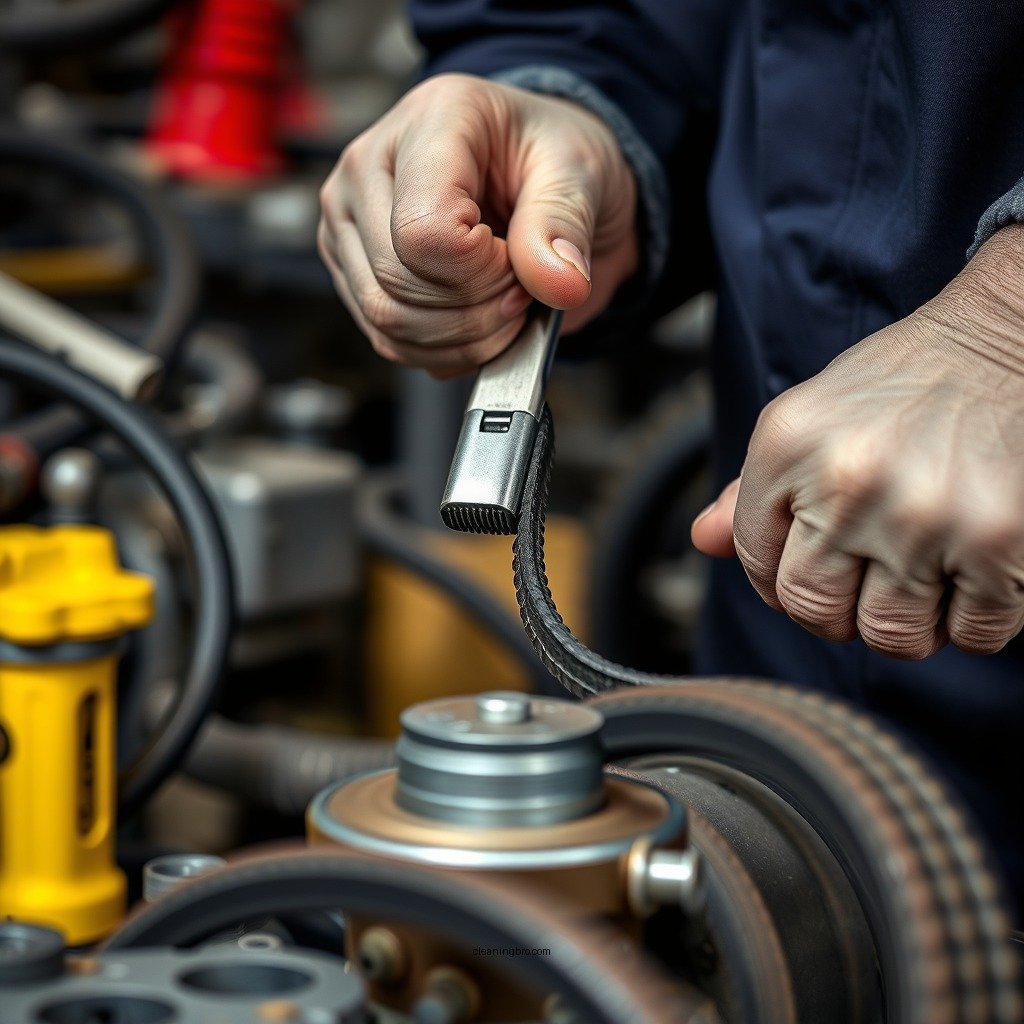
To successfully clean a serpentine belt, you will need a few essential tools. Here’s a comprehensive list:
– Belt Cleaner Spray: A specialized cleaner designed to remove dirt and oil without damaging the belt.
– Soft Brush: A gentle brush to scrub the belt’s surface without causing any abrasions.
– Clean Cloth: For wiping off any excess cleaner or residue.
– Safety Gear: Gloves and safety glasses are crucial to protect yourself from any potential splashes or debris while cleaning.
Having these tools prepared in advance will make the cleaning process more efficient and safer.
Steps to Clean the Serpentine Belt
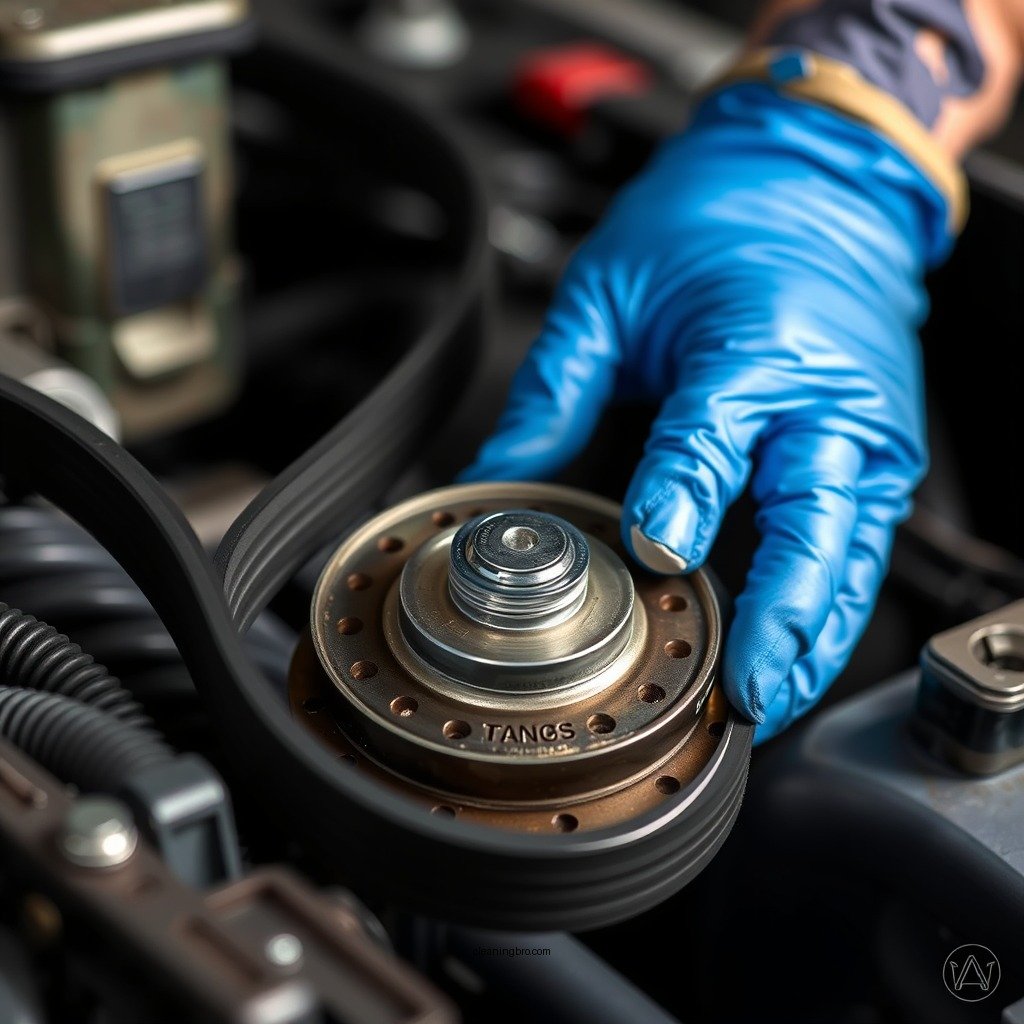
Cleaning the serpentine belt requires careful attention to detail to avoid causing any damage. Follow these steps for optimal results:
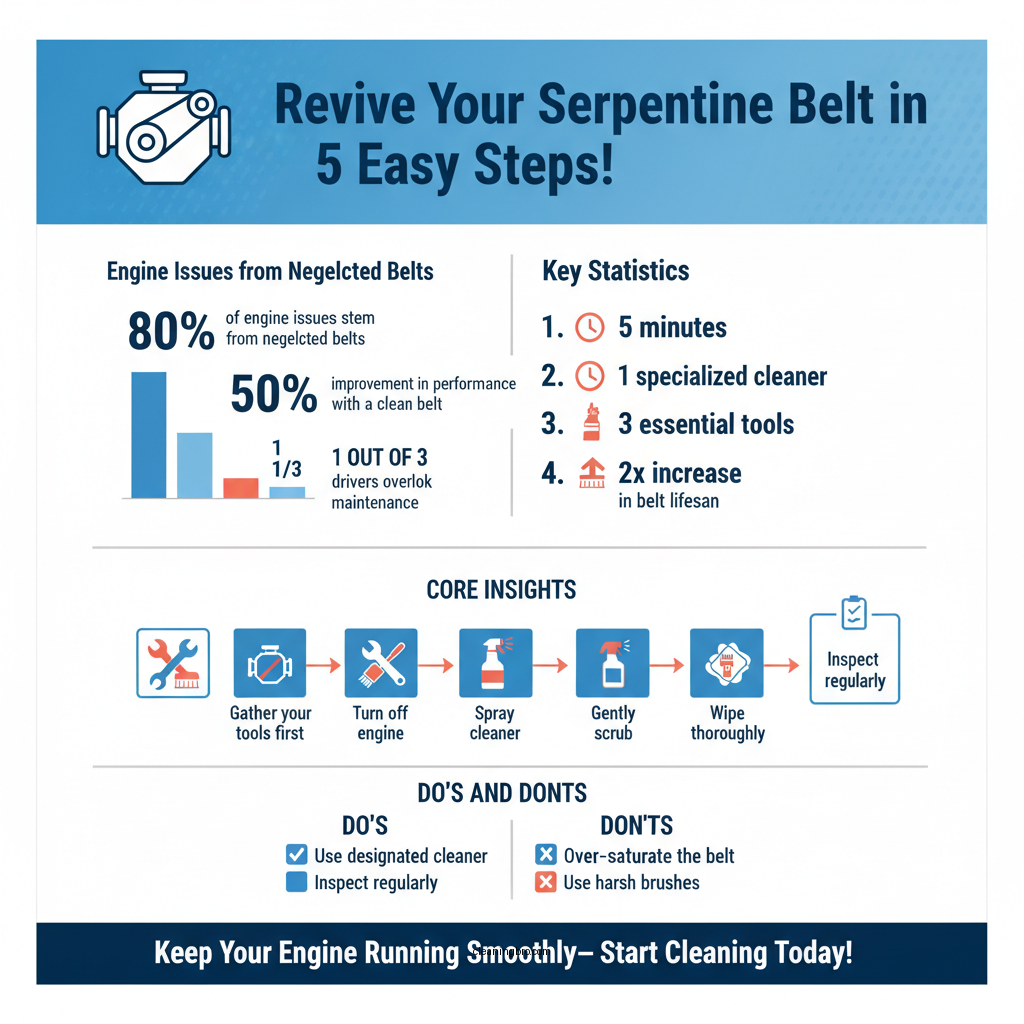
1. Ensure the Engine is Off: Before starting, make sure the engine is completely turned off and has cooled down to prevent burns.
2. Apply Belt Cleaner Spray: Spray the belt cleaner directly onto the serpentine belt. Aim to cover the entire surface area without oversaturating it to avoid any potential dripping onto other components.
3. Gently Scrub the Surface: Using the soft brush, gently scrub the belt’s surface. Focus on areas with visible dirt buildup or oil deposits. Be cautious not to apply excessive pressure, as this can damage the rubber.
4. Wipe with a Cloth: After scrubbing, use a clean cloth to wipe away any remaining cleaner and dirt. This step ensures that the belt is free from residue that could affect its performance.
5. Inspect the Belt: Once cleaned, take a moment to visually inspect the serpentine belt for any signs of wear, such as cracks or fraying.
Best Practices for Cleaning a Serpentine Belt (2023)
| # | Step | Recommended Tool | Frequency |
|---|---|---|---|
| 1 | Apply Cleaner | Belt Cleaner Spray | Every 3 months |
| 2 | Scrub Surface | Soft Brush | Every 3 months |
| 3 | Wipe Clean | Clean Cloth | Every 3 months |
| 4 | Inspect for Damage | Visual Inspection | Monthly |
| 5 | Check Alignment | Alignment Tool | Monthly |
| 6 | Monitor Noise | N/A | Ongoing |
| 7 | Replace if Necessary | New Serpentine Belt | As needed |
Tips for Effective Cleaning
To maximize the effectiveness of your cleaning efforts, consider the following tips:
– Avoid Harsh Chemicals: Using cleaning agents that contain harsh chemicals can degrade the rubber material of the serpentine belt, leading to premature failure. Always opt for products specifically designed for automotive belts.
– Limit Cleaner Application: Be mindful of the amount of cleaner you apply. Excessive overspray can accidentally land on other engine components, which could lead to malfunctions or degrade other parts.
– Regular Maintenance Schedule: Incorporate belt cleaning into your regular vehicle maintenance schedule. This proactive approach can help catch issues before they escalate.
When to Consider Replacement
While cleaning can extend the life of a serpentine belt, there are clear signs that indicate a replacement is necessary. Look out for the following:
– Cracks or Fraying: Visible cracks or frayed edges are clear indicators that the belt is nearing the end of its lifespan.
– Squeaking or Squealing Noises: Unusual noises during operation may suggest that the belt is slipping or not functioning correctly.
– Loss of Power Steering or AC: If you notice a sudden loss of power steering or air conditioning, it could be due to a failing serpentine belt.
– Regular Inspections: Conduct regular inspections of the belt to catch these issues early, ideally at every oil change or during routine maintenance.
Maintenance Tips for Longevity
To ensure your serpentine belt remains in excellent condition for as long as possible, consider these maintenance tips:
– Keep the Engine Area Clean: Regularly cleaning the engine bay can help minimize the amount of dirt and debris that might accumulate on the serpentine belt.
– Check Tension and Alignment: A properly tensioned belt operates more efficiently and lasts longer. Ensure that the belt is aligned correctly and has adequate tension to prevent slipping.
– Use Quality Parts: When replacing the serpentine belt, opt for high-quality parts that meet or exceed OEM specifications to ensure durability and performance.
– Monitor Performance: Keep an eye on how your vehicle performs. Address any issues promptly to prevent further damage to the serpentine belt and associated components.
By maintaining a clean and well-functioning serpentine belt, you can enhance your vehicle’s performance and longevity. The steps outlined above allow you to clean the belt without removal, ensuring it continues to function effectively. Should you notice any significant wear or performance issues, don’t hesitate to consider a replacement to avoid potential engine problems.
In conclusion, cleaning your serpentine belt can significantly contribute to your vehicle’s overall health. By following the outlined steps and maintenance tips, you can extend its life and ensure that your engine operates at peak efficiency. Regular inspections and timely replacements are essential to preventing minor issues from escalating into costly repairs.
Frequently Asked Questions
How can I clean a serpentine belt without removing it from the engine?
To clean a serpentine belt without removing it, you can use a damp cloth or sponge to wipe down the belt’s surface, ensuring you remove any debris or grime. Additionally, spraying a mild degreaser onto the belt while carefully avoiding other engine components can help in loosening tough dirt. Always check the manufacturer’s recommendations for any specific cleaning solutions.
Why is it important to clean my serpentine belt?
Cleaning your serpentine belt is essential because it helps maintain optimal performance and prolongs the life of the belt. Dirt, oil, and debris can cause slippage and wear, leading to decreased efficiency or even belt failure. Regular cleaning helps ensure that the belt operates smoothly and reduces the risk of costly repairs.
What is the best method to clean a serpentine belt without removal?
The best method to clean a serpentine belt without removal is to use a specialized belt cleaner or a mixture of water and mild soap. Lightly spray the cleaner on the belt while the engine is off, then gently scrub with a soft brush to remove contaminants. Make sure to wipe off any excess cleaner to prevent slipping or damage.
Which products are safe for cleaning a serpentine belt without taking it off?
Safe products for cleaning a serpentine belt include mild soap solutions, water, and specific automotive belt cleaners that don’t contain harsh chemicals. Avoid using oil-based products or silicone sprays, as they can lead to slippage and deterioration of the belt material. Always check the product labels for compatibility with rubber components.
How often should I clean my serpentine belt without removing it?
You should clean your serpentine belt every few months or whenever you notice excessive dirt or build-up. Regular inspections can help determine if cleaning is necessary. Keeping the belt clean can enhance its lifespan and improve the overall performance of your vehicle’s engine accessories.
References
- Serpentine belt
https://en.wikipedia.org/wiki/Serpentine_belt - https://www.sciencedirect.com/topics/engineering/serpentine-belt
https://www.sciencedirect.com/topics/engineering/serpentine-belt - Google Scholar Google Scholar
https://scholar.google.com/scholar?q=clean+serpentine+belt - Belt drive | Timing Belts, Pulleys & Gears | Britannica
https://www.britannica.com/science/belt-drive - https://www.ncbi.nlm.nih.gov/pmc/articles/PMC6324552/
https://www.ncbi.nlm.nih.gov/pmc/articles/PMC6324552/ - Google Scholar Google Scholar
https://scholar.google.com/scholar?q=how+to+clean+serpentine+belt - https://www.edmunds.com/auto-repair/how-to-replace-a-serpentine-belt.html
https://www.edmunds.com/auto-repair/how-to-replace-a-serpentine-belt.html - https://www.cdc.gov/niosh/topics/machine/serpentine.html
https://www.cdc.gov/niosh/topics/machine/serpentine.html - https://www.nhtsa.gov/equipment/serpentine-belt-repair-issues
https://www.nhtsa.gov/equipment/serpentine-belt-repair-issues - Google Scholar Google Scholar
https://scholar.google.com/scholar?q=how+to+clean+a+serpentine+belt+without+removing