How to Clean a Softball Bat: Essential Steps
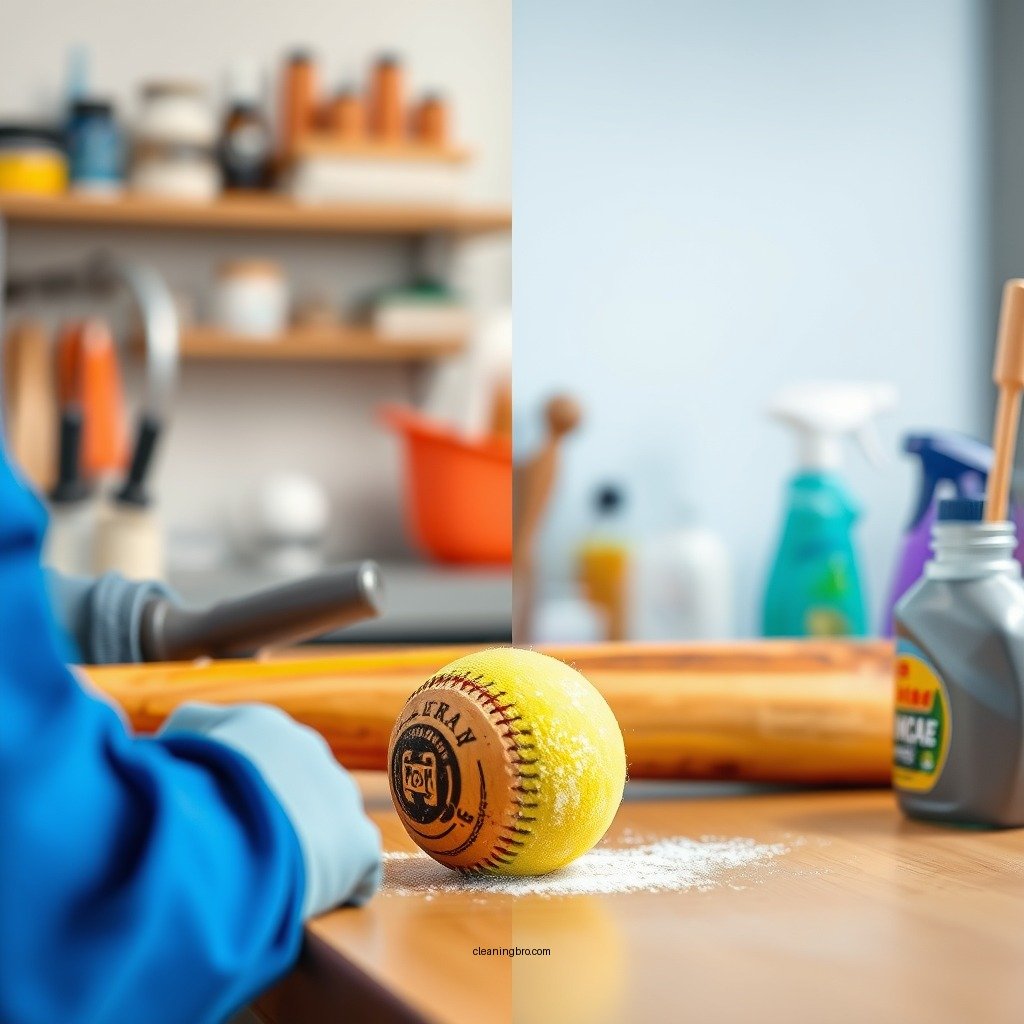
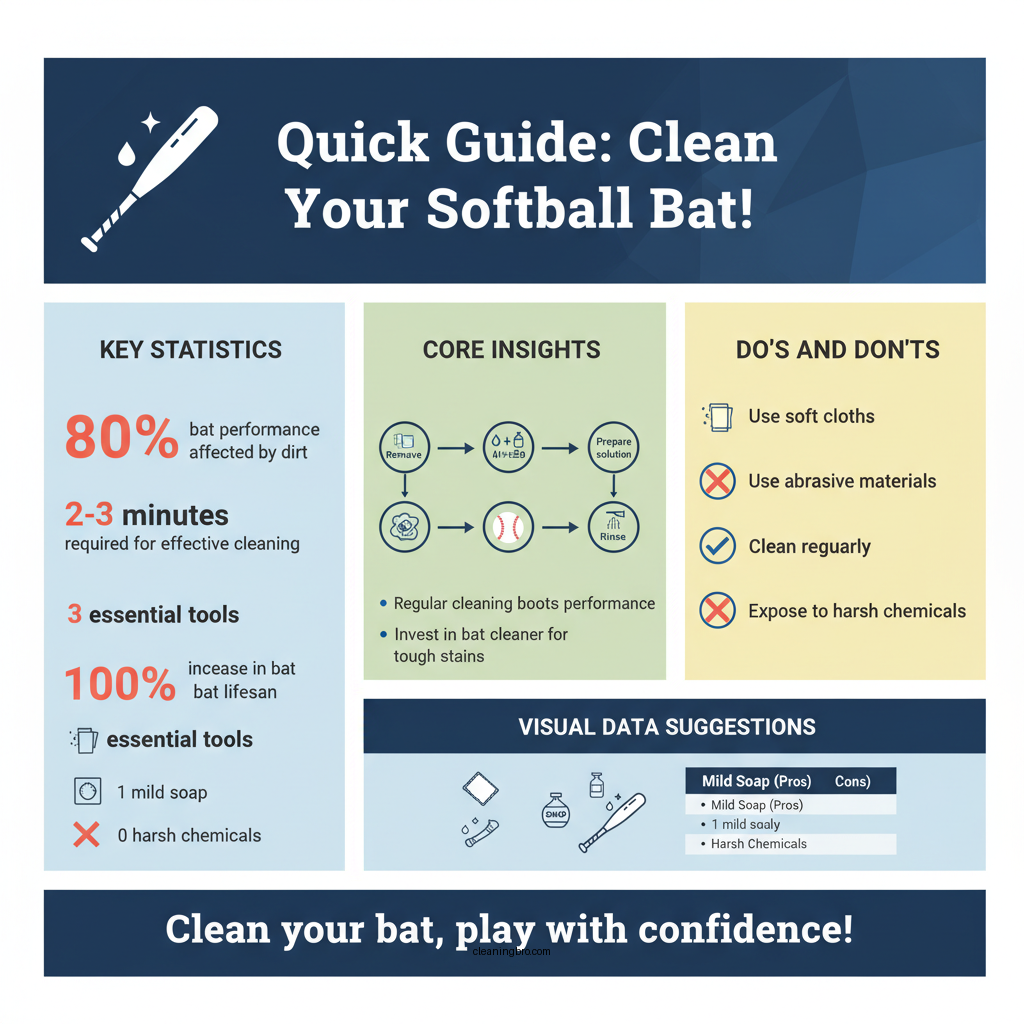
To clean a softball bat effectively, start by using a soft cloth or sponge with mild soap and water to remove dirt and grime. Avoid using harsh chemicals or abrasive materials that could damage the bat’s surface. Regular maintenance not only enhances the performance of the bat but also extends its lifespan. In this article, you will learn the best practices for maintaining and cleaning your softball bat to ensure its longevity and performance.
Understanding the Importance of Cleaning Your Bat
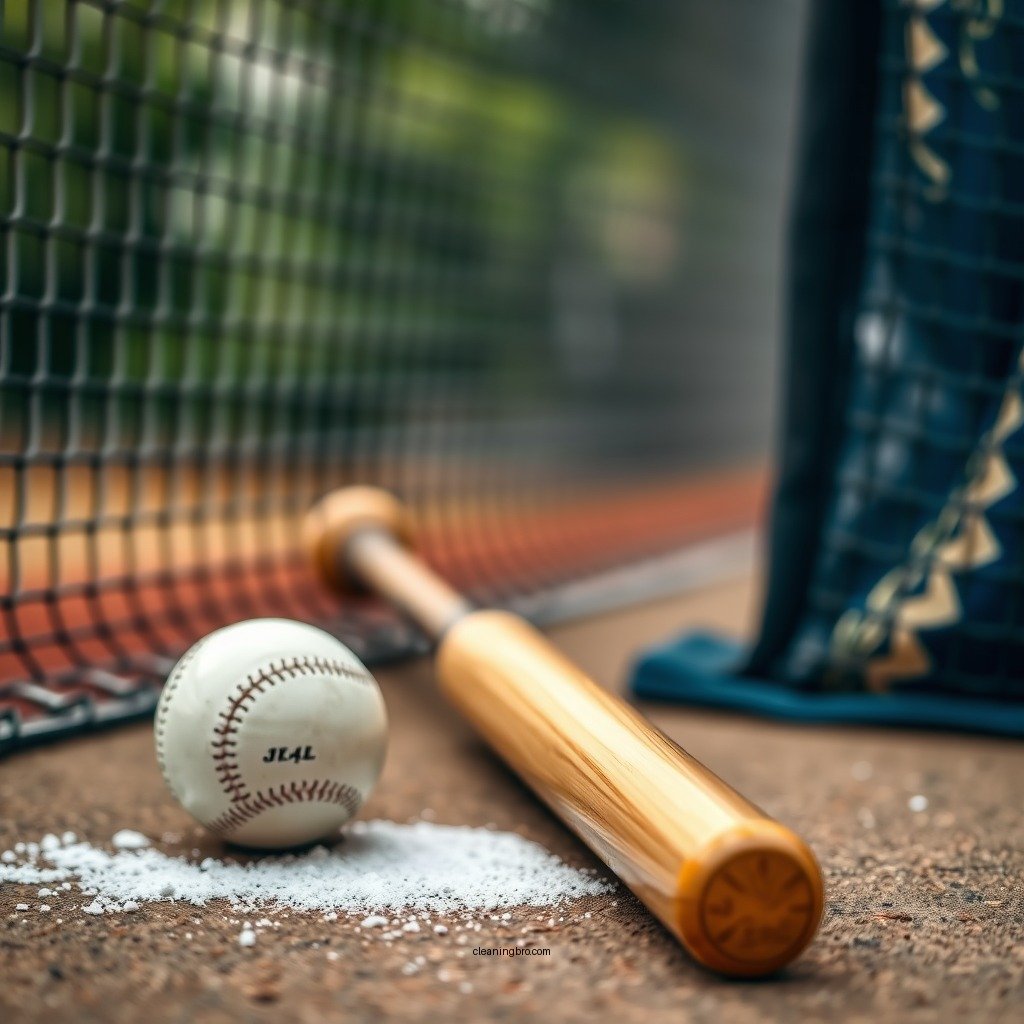
A clean softball bat is fundamental for maintaining its performance and integrity. Over time, dirt, dust, and other debris can accumulate on the bat’s surface, affecting its grip and hitting capability. A dirty bat can lead to decreased performance, as the contaminants can interfere with the bat’s aerodynamics and overall effectiveness during play. Moreover, consistent cleaning helps to prevent the deterioration of the bat’s materials, which can result from prolonged exposure to moisture and grime. By keeping your bat clean, you can ensure that it delivers optimal performance and remains safe for use in games.
Tools and Materials Needed
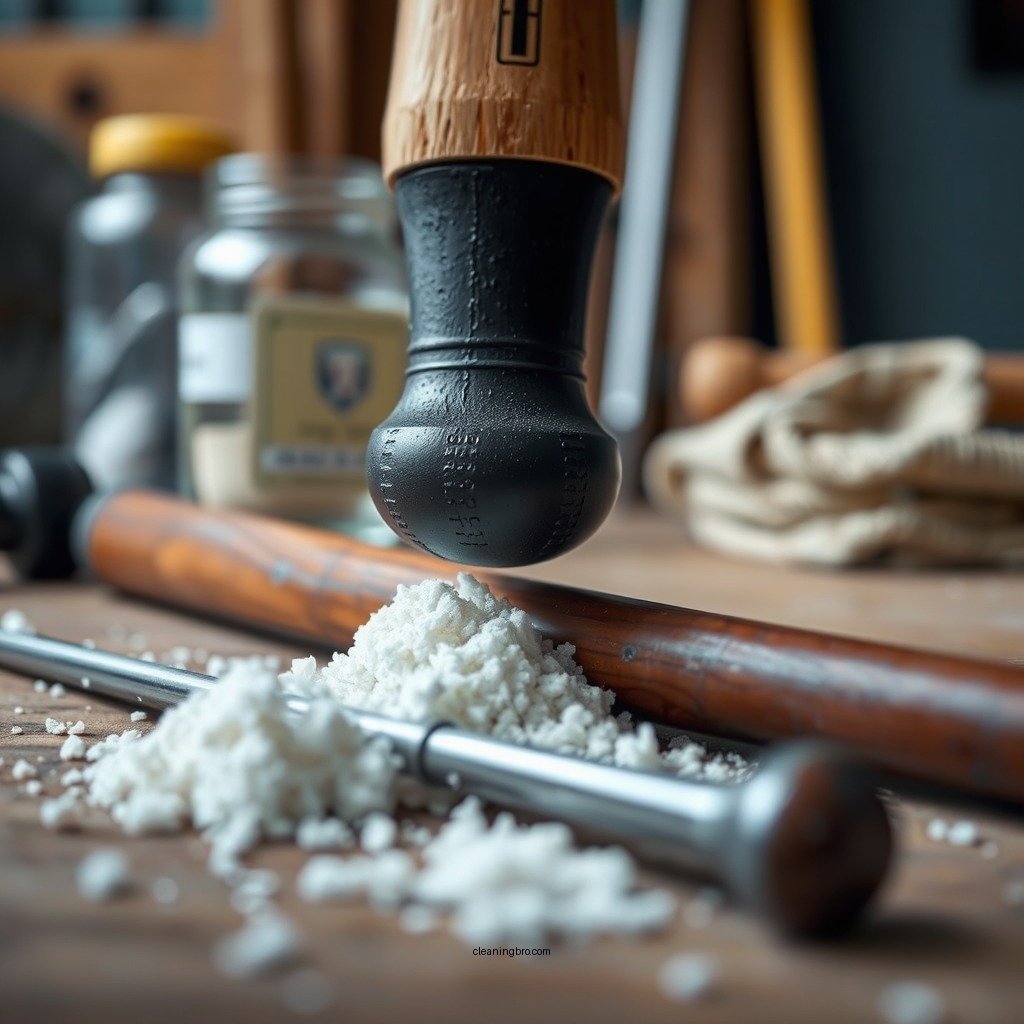
When cleaning your softball bat, it’s essential to gather the right tools and materials to ensure you do not cause any damage. Here’s what you will need:
– Soft Cloth or Sponge: Use these to gently wipe down the bat without scratching its surface.
– Mild Soap or Bat Cleaner: A mild dish soap or a cleaner specifically designed for sports equipment will effectively break down dirt and grime without harming the bat.
– Water: Clean water is necessary for rinsing off the soap and dirt after cleaning.
Investing in a quality bat cleaner can also be beneficial, as these products are formulated to protect the bat’s finish while removing tough stains.
Step-by-Step Cleaning Process
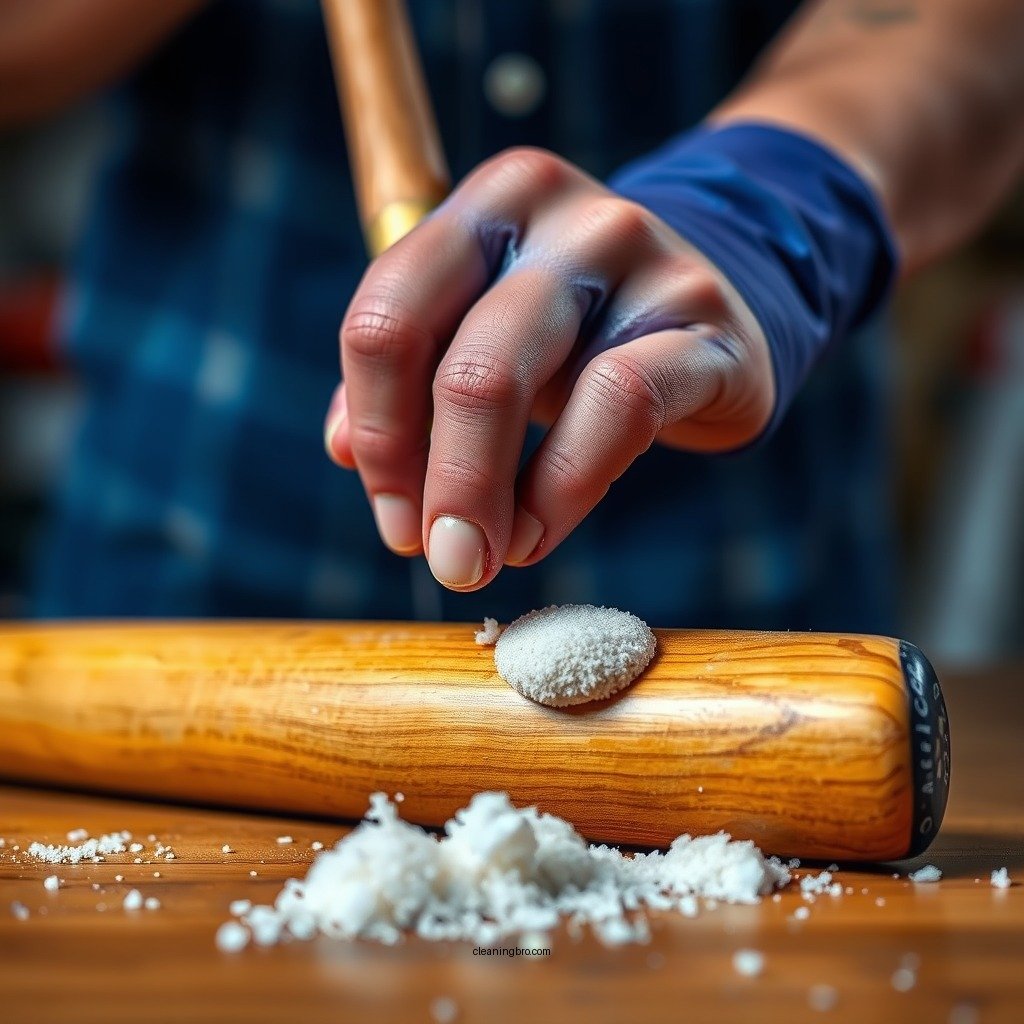
Cleaning your softball bat is a straightforward process that can be tackled in just a few minutes. Follow these steps for optimal results:
1. Remove Dirt or Debris: Start by using a dry cloth to wipe away any loose dirt or debris from the bat’s surface. This step is crucial to prevent scratching during the cleaning process.
2. Prepare Cleaning Solution: Mix a small amount of mild soap with warm water in a bowl or bucket. Ensure the soap is fully dissolved before proceeding.
3. Gently Wipe the Bat: Dampen your soft cloth or sponge in the soapy water, then gently wipe down the bat. Pay particular attention to areas where dirt tends to accumulate, such as the handle and barrel. Avoid soaking the bat; a damp cloth is sufficient.
4. Rinse with Clean Water: After cleaning, use a separate cloth dampened with clean water to wipe off any soap residue. It’s vital to ensure no soap is left on the bat, as it can create a slippery surface.
5. Dry Thoroughly: Finally, use a dry, soft cloth to wipe the bat down completely. Make sure it is entirely dry before storing it to prevent moisture-related damage.
Data on Softball Bat Cleaning Frequency
Softball Bat Cleaning Frequency Recommendations
| # | Usage Frequency | Cleaning Frequency | Details |
|---|---|---|---|
| 1 | Daily Use | After Each Game | Immediate cleaning helps maintain performance. |
| 2 | Weekly Use | Weekly | Clean after every few games for optimal performance. |
| 3 | Occasional Use | Monthly | Clean after use and check for damages. |
| 4 | Rarely Used | Before Each Season | Ensure to clean before using after a long period. |
Tips for Maintaining Your Bat’s Condition
In addition to regular cleaning, there are several best practices to follow to keep your softball bat in optimal condition:
– Store Properly: Always store your bat in a cool, dry place. Avoid leaving it in hot cars or direct sunlight, as extreme temperatures can warp the bat’s materials and negatively impact its performance.
– Use a Bat Bag: When transporting your bat, use a padded bat bag that provides protection against impacts and other environmental factors. This can help prevent scratches and dents that can occur during travel.
– Avoid Excessive Contact: Try to limit the bat’s contact with rough surfaces and avoid hitting the ground with it when not in use. This can help preserve the bat’s integrity and prevent unnecessary wear.
– Inspect Regularly: Make it a habit to inspect your bat regularly for any signs of cracks, dents, or other damages. Early detection can prevent further deterioration and ensure that the bat remains safe to use.
When to Seek Professional Help
While regular cleaning and maintenance can keep your softball bat in good condition, there are times when professional evaluation is necessary:
– Significant Damage: If you notice any visible cracks, dents, or warping that cleaning cannot address, it’s essential to consult a professional for a thorough evaluation. Continuing to use a damaged bat can lead to ineffective performance and potential safety hazards during play.
– Manufacturing Issues: If your bat has manufacturing defects, such as improper construction or material issues, a professional can help determine whether repairs can be made or if a replacement is necessary.
– Performance Decline: If you feel that your bat’s performance has significantly declined despite regular cleaning and maintenance, it may be time for a professional assessment. Experts can provide insights into whether your bat can be repaired or if it’s time for an upgrade.
Common Mistakes to Avoid
When cleaning your softball bat, several common mistakes can lead to damage or reduced performance:
– Using Abrasive Cleaners: Avoid using cleaners that contain harsh chemicals or abrasive materials. These can scratch or damage the bat’s surface and negatively impact its finish.
– Neglecting to Dry: Failing to dry the bat thoroughly after cleaning can lead to moisture build-up, which can cause corrosion and damage to the bat materials. Always ensure your bat is completely dry before storing it.
– Over-Cleaning: While regular cleaning is essential, over-cleaning can wear down the bat’s surface. Stick to a cleaning routine that matches your usage frequency.
Best Practices for Future Care
To ensure your softball bat remains in top condition for years to come, consider the following best practices:
– Regular Cleaning: Establish a consistent cleaning routine based on how frequently you use your bat. A clean bat not only performs better but also lasts longer.
– Proper Handling: Be mindful of how you handle and transport your bat. Use protective equipment like bat sleeves or bags to prevent damage.
– Stay Informed: Keep up with the latest care recommendations and guidelines from bat manufacturers. They often provide valuable insights specific to the materials and construction of your bat.
In conclusion, maintaining a clean softball bat is crucial for optimal performance and longevity. By following the steps and tips outlined above, you can ensure your bat remains in excellent condition. Remember to clean it after each game, store it properly, and inspect it regularly to extend its life. For any issues beyond cleaning, consider reaching out to a professional for assistance. Your investment in a quality bat is worth the effort to keep it performing at its best.
Frequently Asked Questions
What is the best way to clean a softball bat?
The best way to clean a softball bat is to use a soft cloth or sponge with warm, soapy water. Gently wipe down the bat’s surface to remove dirt and grime, ensuring not to soak the bat or use harsh chemicals, as this can damage the material. After cleaning, rinse with clean water and dry thoroughly before storing.
How often should I clean my softball bat?
You should clean your softball bat after every few uses, especially if you play in muddy or dusty conditions. Regular maintenance helps remove dirt and debris that can affect the bat’s performance and lifespan. Keeping it clean also ensures optimal grip and prevents any build-up that could lead to damage.
Why is it important to clean a softball bat?
Cleaning a softball bat is essential to maintain its performance and durability. Dirt, moisture, and other contaminants can affect the bat’s grip and swing, potentially leading to poorer hitting performance. Additionally, regular cleaning can help prevent rust and other damage, extending the life of your bat.
Which materials should I avoid when cleaning my softball bat?
Avoid using abrasive cleaners, steel wool, or any harsh chemicals when cleaning your softball bat, as these can scratch or damage the bat’s surface. Additionally, steer clear of any cleaning products containing bleach or ammonia, as they can degrade the bat’s materials. Stick to mild soap and water for safe and effective cleaning.
How can I remove stubborn stains from my softball bat?
To remove stubborn stains from a softball bat, create a paste using baking soda and water, then apply it gently to the stained area with a soft cloth. Allow the paste to sit for a few minutes before wiping it away with a damp cloth. This method is effective for tough stains while being gentle on the bat’s surface.
References
- Softball
https://en.wikipedia.org/wiki/Softball - Google Scholar Google Scholar
https://scholar.google.com/scholar?q=cleaning+softball+bat - https://www.ncbi.nlm.nih.gov/pmc/articles/PMC7027268/
https://www.ncbi.nlm.nih.gov/pmc/articles/PMC7027268/ - https://www.sciencedirect.com/topics/sports-science/softball
https://www.sciencedirect.com/topics/sports-science/softball - Google Scholar Google Scholar
https://scholar.google.com/scholar?q=softball+bat+maintenance - https://www.ncbi.nlm.nih.gov/pmc/articles/PMC7942947/
https://www.ncbi.nlm.nih.gov/pmc/articles/PMC7942947/ - Softball | Definition, Rules, History, & Facts | Britannica
https://www.britannica.com/sports/softball - https://www.ncbi.nlm.nih.gov/pmc/articles/PMC4243563/
https://www.ncbi.nlm.nih.gov/pmc/articles/PMC4243563/ - Vitamin C (Ascorbic Acid) – StatPearls – NCBI Bookshelf
https://www.ncbi.nlm.nih.gov/books/NBK499877/ - https://www.cdc.gov/healthyschools/physicalactivity/sports.htm
https://www.cdc.gov/healthyschools/physicalactivity/sports.htm