How to Clean Damascus Steel Knives: Essential Steps
Cleaning Damascus steel knives is essential for maintaining their beauty and functionality. Proper care involves gentle washing, immediate drying, and the application of a protective oil to prevent rust. By following the steps outlined in this article, you will learn how to effectively clean and care for your Damascus steel knives, ensuring they remain in excellent condition and continue to impress with their unique patterns and sharpness.
Understanding Damascus Steel
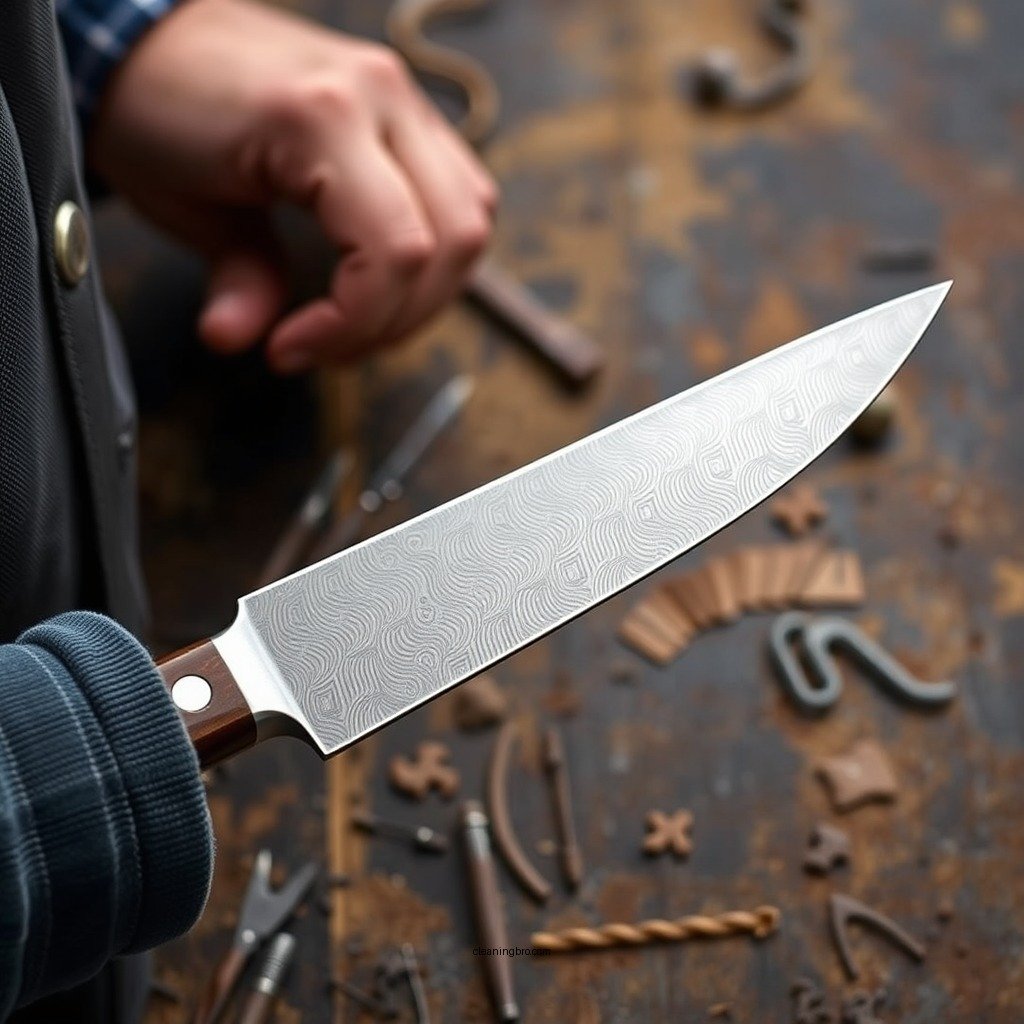
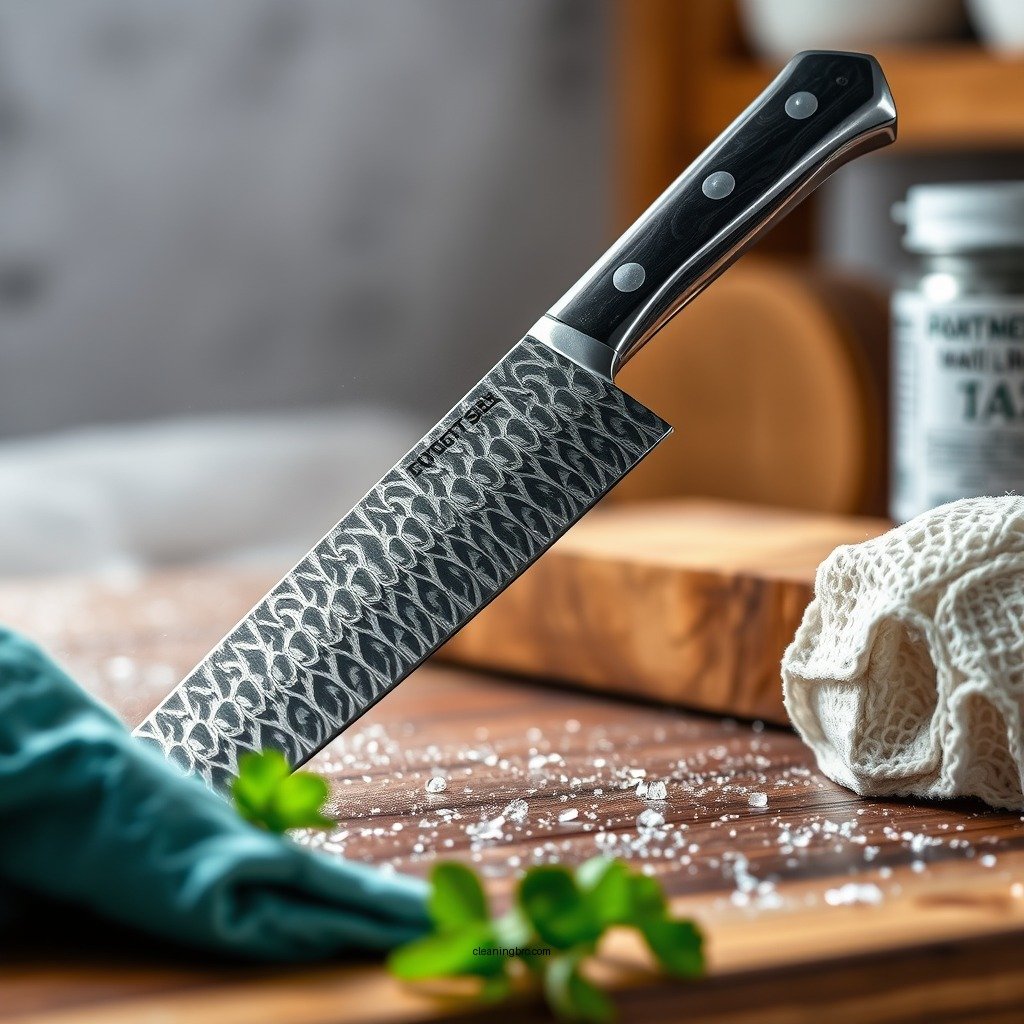
Damascus steel is renowned for its striking, patterned surface, which is not just aesthetically pleasing but also indicative of its strength and durability. The unique patterning of this steel is created through a process of folding and welding different types of steel together. To preserve this distinctive look, special care is necessary during the cleaning process.
Unique Patterning
The mesmerizing patterns in Damascus steel knives are a result of combining multiple layers of steel, which not only enhances their visual appeal but also contributes to their overall performance. This intricate design makes each knife a work of art, deserving of careful maintenance.
Composition
Typically, Damascus steel is composed of high-carbon steel, which, while offering excellent edge retention and sharpness, is also prone to rust and corrosion if not properly cared for. Understanding the composition helps knife owners appreciate the need for meticulous cleaning and regular maintenance.
Essential Cleaning Supplies

To effectively clean your Damascus steel knives, having the right supplies is crucial. Here are the essential items you’ll need:
– Mild Dish Soap: Choose a gentle detergent that won’t damage the blade’s finish. Harsh chemicals can strip away the protective layer and dull the blade.
– Soft Cloth: A microfiber cloth is ideal for drying and polishing the knife without scratching the surface. Avoid using rough or abrasive materials that may mar the finish.
– Food-Safe Mineral Oil: This oil provides a protective layer against moisture and oxidation, essential for preventing rust on high-carbon steel.
Step-by-Step Cleaning Process
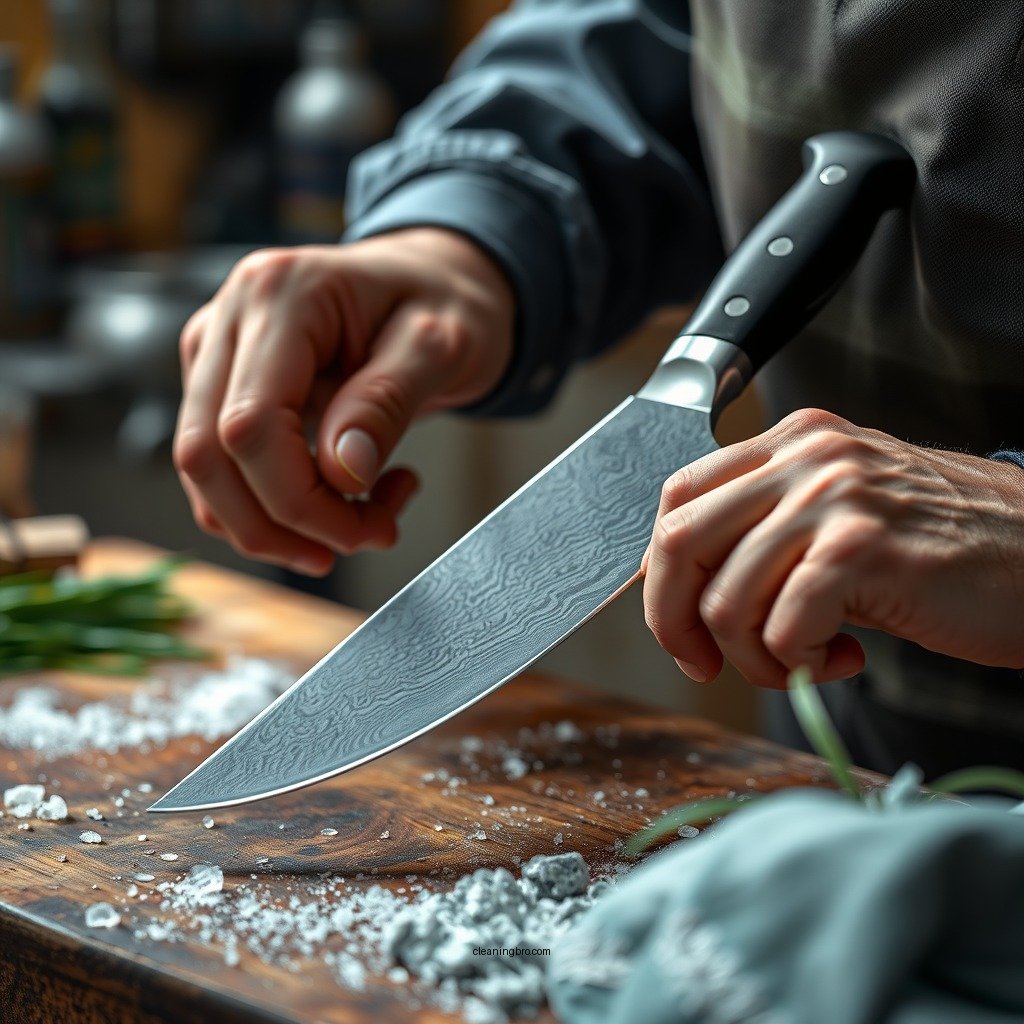
Cleaning your Damascus steel knives can be broken down into a straightforward process. Here are the essential steps:
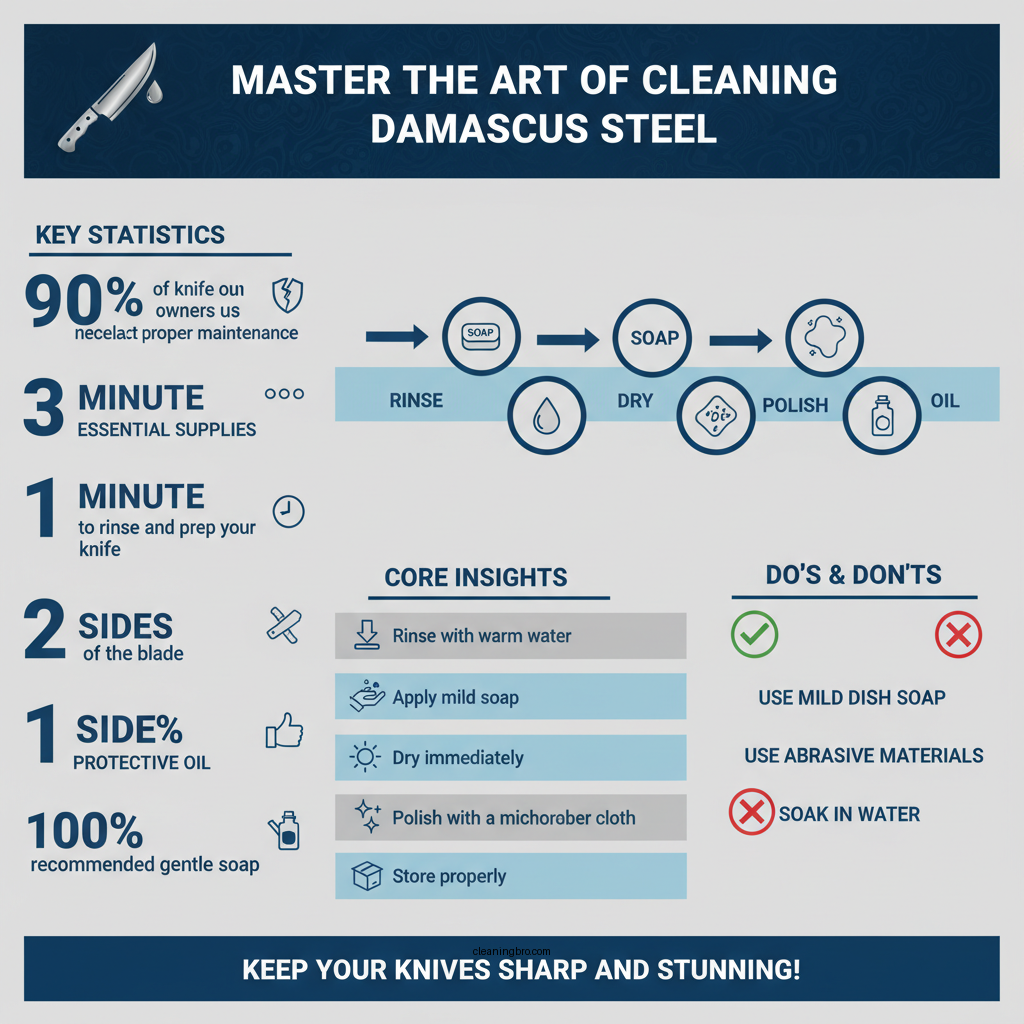
– Initial Rinse: Rinse the knife under warm water to remove any food particles. Avoid using hot water, as it can warp the handle or affect the blade’s tempering.
– Soap Application: Apply a small amount of mild dish soap to your soft cloth and gently scrub the blade. Be sure to clean both sides of the knife, paying special attention to any grooves where food particles may become trapped.
– Rinse Thoroughly: After scrubbing, rinse the knife under warm water again to ensure all soap is removed. Residual soap can lead to a dull appearance and may react with moisture, leading to rust.
Top 7 Damascus Steel Knife Brands (2024)
| # | Brand | Material Quality | Price Range | Popularity |
|---|---|---|---|---|
| 1 | Shun | Premium | $100 – $300 | High |
| 2 | Dalstrong | High | $70 – $200 | Medium |
| 3 | Global | Medium | $100 – $250 | High |
| 4 | Miyabi | Premium | $150 – $400 | Medium |
| 5 | Tojiro | High | $100 – $200 | High |
| 6 | Victorinox | Medium | $50 – $150 | High |
| 7 | Henckels | Medium | $80 – $200 | Medium |
Drying Your Damascus Steel Knife
After cleaning, it is crucial to dry your Damascus steel knife properly to prevent moisture-related damage:
– Immediate Drying: Always dry the knife right after washing. Leaving it wet increases the risk of rust formation, especially on high-carbon steel.
– Use a Soft Cloth: Pat the knife dry with a soft microfiber cloth, ensuring that no water spots remain. Avoid scrubbing the blade aggressively, as this may scratch the surface.
Protecting Your Knife from Rust
To maintain the integrity of your Damascus steel knife, protecting it from rust is essential. Here’s how to do it:
– Applying Mineral Oil: Once the knife is thoroughly dried, apply a thin layer of food-safe mineral oil to the blade. This oil acts as a barrier against moisture and helps preserve the knife’s stunning patterns.
– Regular Maintenance: Make the application of mineral oil a routine part of your knife care after each cleaning. This proactive step can significantly extend the life of your knife and maintain its aesthetic appeal.
Common Mistakes to Avoid
Even seasoned knife owners can make mistakes that lead to premature wear or damage to their Damascus steel knives. Here are some common pitfalls to avoid:
– Avoiding Harsh Chemicals: Steer clear of abrasive cleaners, steel wool, or anything that could scratch the surface of the blade. These can ruin the finish and alter the knife’s performance.
– Ignoring Rust Spots: If you notice any signs of rust, address them immediately. Use a gentle abrasive, such as a fine polishing compound, to remove rust without damaging the blade.
When to Seek Professional Help
While regular maintenance can keep your Damascus steel knives in top shape, certain situations may require professional intervention:
– Deep Scratches or Damage: If your knife has significant wear, deep scratches, or chips, consider seeking professional sharpening or restoration services. Attempting to fix these issues yourself can lead to further damage.
– Persistent Rust Issues: If rust continues to be a problem despite your diligent care, consulting an expert can provide solutions tailored to your knife’s specific needs.
Maintaining your Damascus steel knives requires consistent cleaning and care to preserve their beauty and functionality. By following the outlined steps, you can ensure that your knives remain in excellent condition for years to come. Start implementing these cleaning techniques today to enhance the longevity of your prized Damascus steel knives.
Frequently Asked Questions
How do I clean Damascus steel knives effectively?
To clean Damascus steel knives, start by rinsing them under warm water to remove food particles. Use a soft sponge and mild dish soap to gently scrub the blade and handle, avoiding abrasive materials that can scratch the surface. After washing, dry the knife thoroughly with a soft cloth to prevent rust and preserve the unique pattern of the steel.
What should I avoid when cleaning my Damascus steel knife?
When cleaning your Damascus steel knife, avoid using harsh chemicals or abrasive sponges, as these can damage the blade’s finish and etching. Additionally, never put your Damascus knife in the dishwasher, as the high heat and moisture can lead to corrosion and dullness. Always hand wash and dry the knife immediately after use to maintain its quality.
Why is it important to properly clean and maintain my Damascus steel knife?
Properly cleaning and maintaining your Damascus steel knife is crucial to prevent rust and corrosion, which can compromise the blade’s integrity and performance. Regular maintenance helps preserve the knife’s sharpness and the distinctive beauty of the Damascus pattern, ensuring that it remains a functional and aesthetic piece in your kitchen for years to come.
What is the best oil to use for maintaining Damascus steel knives?
The best oil for maintaining Damascus steel knives is a food-safe mineral oil or a specialized knife oil, as these help prevent rust without leaving harmful residues. Apply a thin layer of oil to the blade after cleaning, ensuring it covers the entire surface. This practice keeps the steel protected from moisture and enhances its longevity.
Which cleaning tools are safe to use on Damascus steel knives?
Safe cleaning tools for Damascus steel knives include soft sponges, microfiber cloths, and nylon brushes. Avoid steel wool, scouring pads, or any abrasive materials that could scratch the blade. Using gentle tools helps maintain the knife’s finish and prevents damage to the intricate patterns unique to Damascus steel.
References
- Damascus steel
https://en.wikipedia.org/wiki/Damascus_steel - https://www.sciencedirect.com/topics/materials-science/damascus-steel
https://www.sciencedirect.com/topics/materials-science/damascus-steel - Damascus steel | Description, Production, & Facts | Britannica
https://www.britannica.com/topic/Damascus-steel - Google Scholar Google Scholar
https://scholar.google.com/scholar?q=cleaning+damascus+steel+knives - https://pubmed.ncbi.nlm.nih.gov/
https://pubmed.ncbi.nlm.nih.gov/ - https://www.nature.com/articles
https://www.nature.com/articles - https://www.cdc.gov/healthypets/resources/cleaning.html
https://www.cdc.gov/healthypets/resources/cleaning.html - https://www.theguardian.com/lifeandstyle/2020/jul/08/how-to-care-for-a-knife
https://www.theguardian.com/lifeandstyle/2020/jul/08/how-to-care-for-a-knife - https://www.nytimes.com/2019/07/05/dining/how-to-care-for-a-knife.html
https://www.nytimes.com/2019/07/05/dining/how-to-care-for-a-knife.html - Google Scholar Google Scholar
https://scholar.google.com/scholar?q=maintenance+of+damascus+steel+knives