How to Clean Dirt from the Bottom of Your Pool
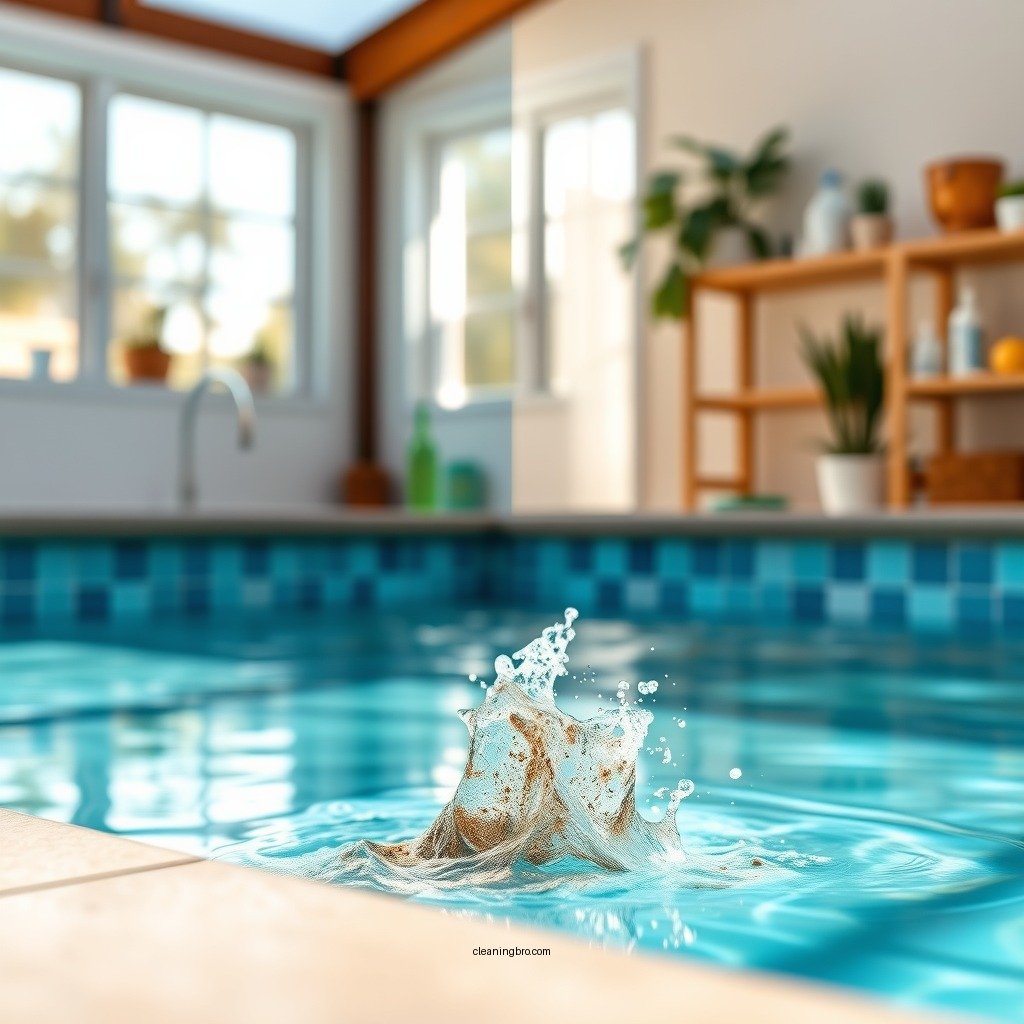
Cleaning dirt from the bottom of your pool can be accomplished effectively with the right tools and techniques. Whether you’re dealing with leaves, algae, or sediment, a systematic approach ensures a sparkling clean pool. In this article, you’ll learn the best methods and tips for keeping your pool pristine and inviting.
Understanding Pool Contaminants
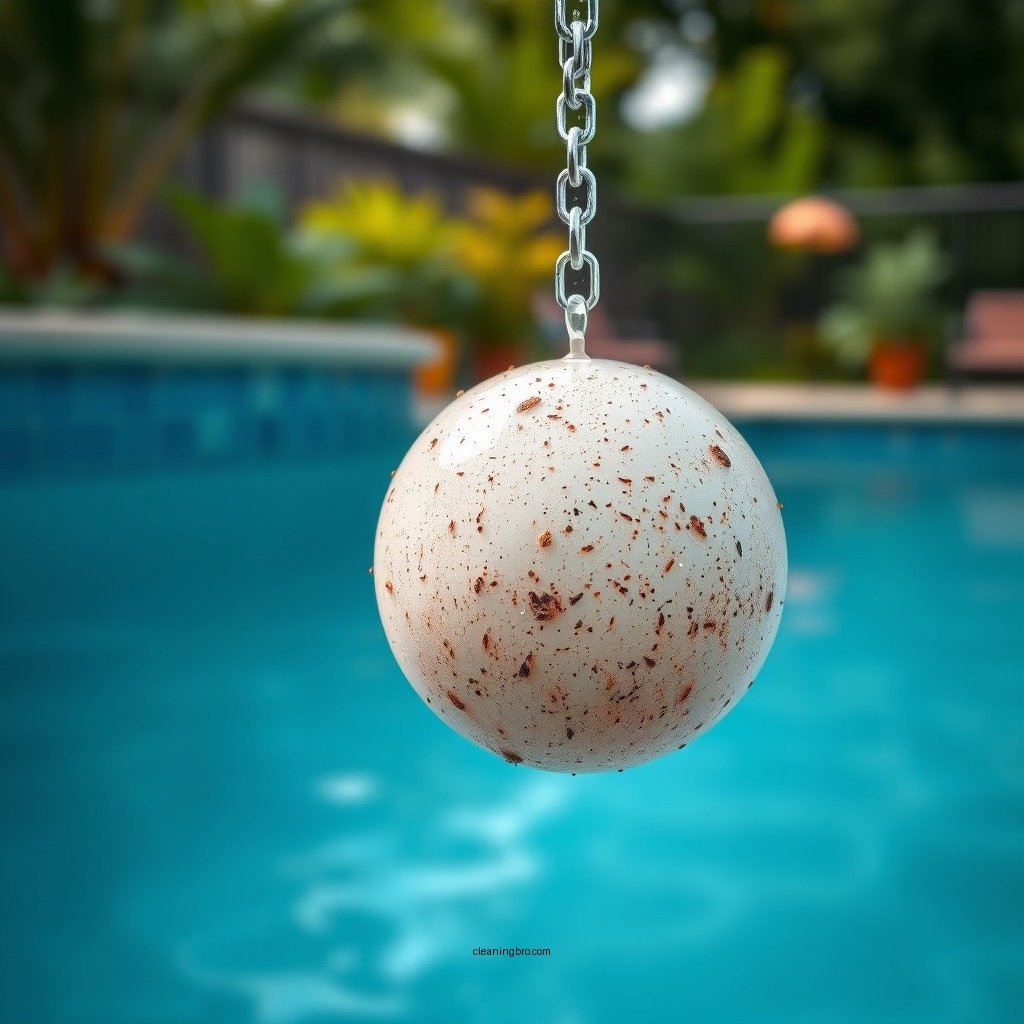
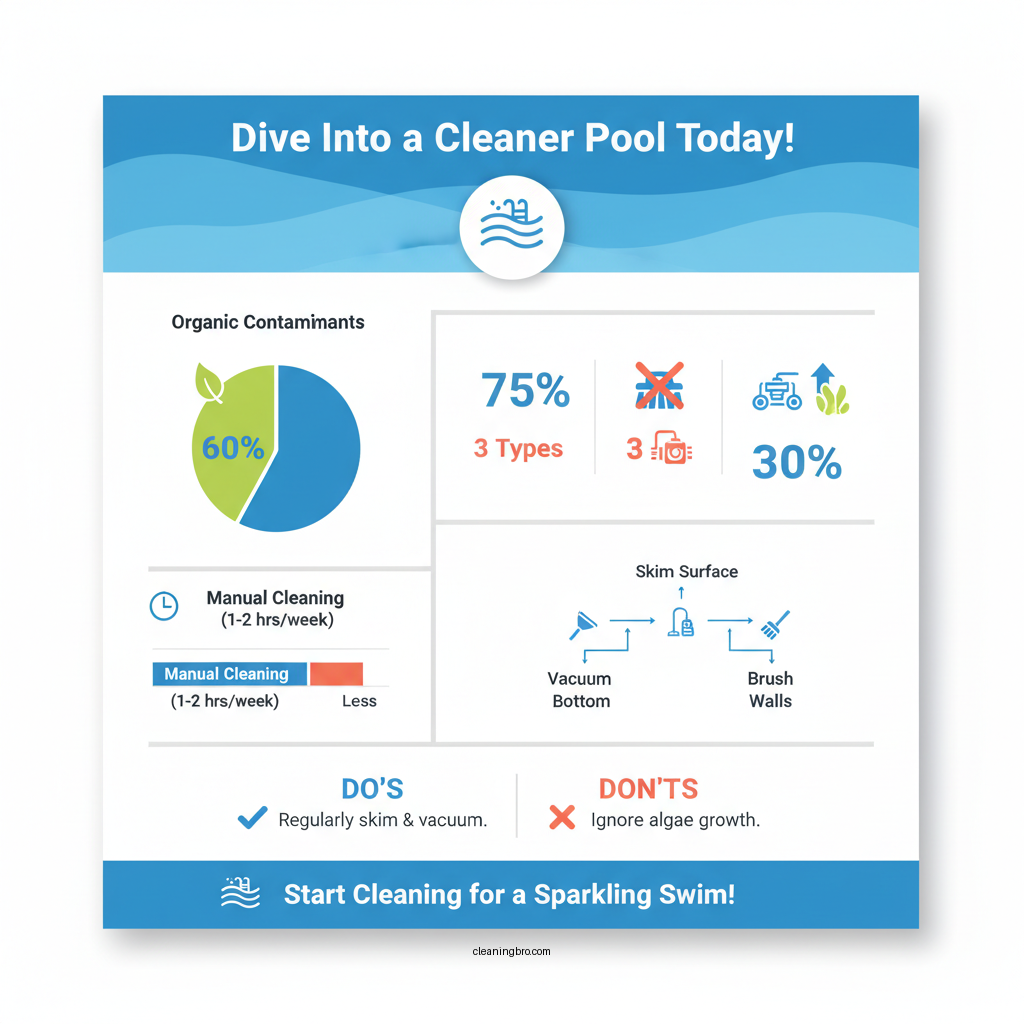
To effectively clean your pool, it is essential to identify the types of contaminants that may settle at the bottom. Common types of pool dirt include:
– Leaves and Twigs: These organic materials usually enter the pool during windy days or from nearby trees. They can decompose and lead to algae growth if not removed promptly.
– Algae: This greenish or brownish growth thrives in warm water and can quickly multiply, leading to a murky pool. Algae can attach itself to pool surfaces, making it essential to scrub away during cleaning.
– Sediment: Fine particles such as dirt, sand, and dust can settle on the pool floor, particularly if the pool is not regularly cleaned or is subjected to heavy rainfall.
Understanding how these contaminants affect water quality is crucial. Leaves can clog filters, algae can make the water unsafe for swimming, and sediment can reduce water clarity. Regular cleaning helps maintain water clarity and ensures a safe swimming environment.
Essential Tools for Pool Cleaning
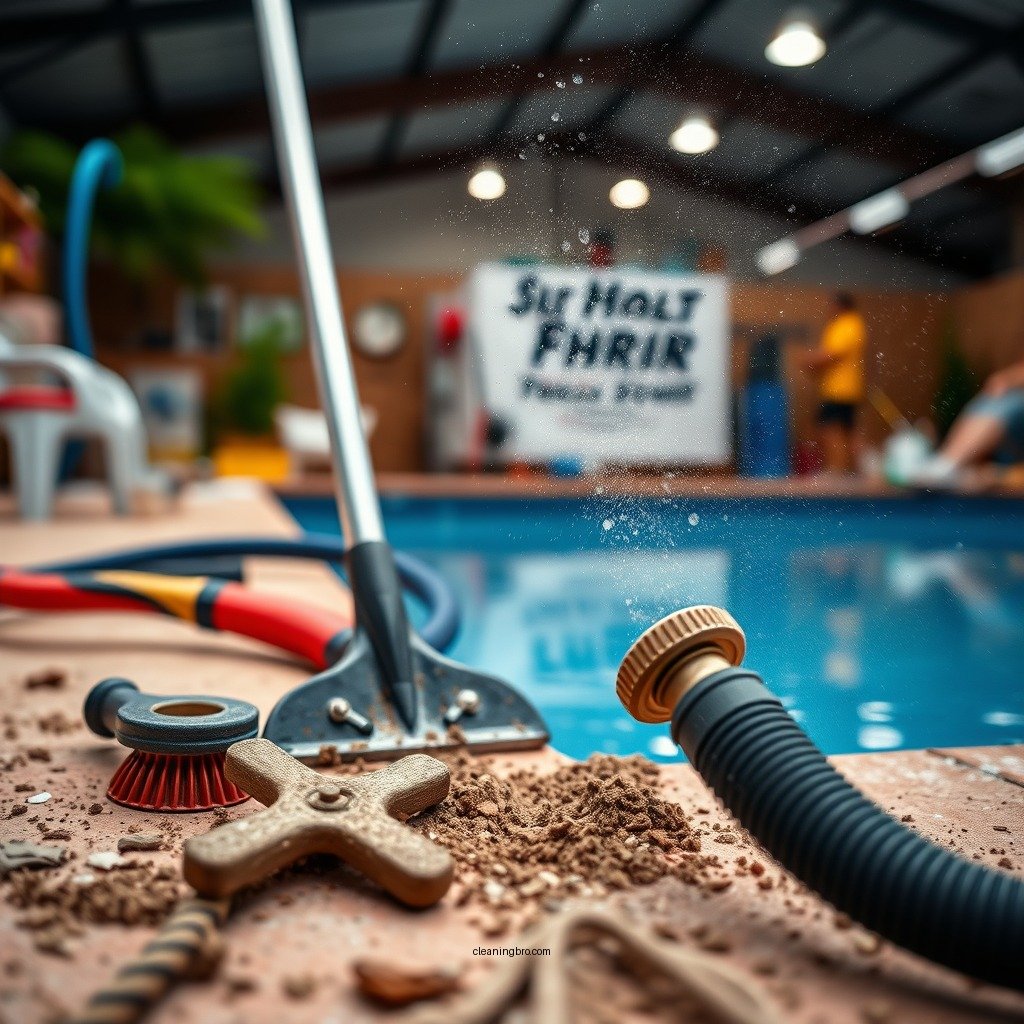
Having the right tools is vital for effective pool cleaning. Here’s a list of basic and advanced tools to consider:
Basic Cleaning Tools
– Skimmer: This tool is used to remove floating debris from the water’s surface, such as leaves and insects.
– Pool Vacuum: A pool vacuum helps in removing dirt and debris from the bottom of the pool. Manual vacuums require a bit of effort, while automatic options can do the work for you.
– Pool Brush: Used to scrub the pool walls and floor, a brush helps eliminate algae and other stubborn stains.
Advanced Options
– Automatic Pool Cleaners: These machines can automatically navigate the pool, removing dirt and debris without manual intervention. Types include suction-side, pressure-side, and robotic cleaners, each with its own advantages and features.
Investing in these tools can significantly ease your cleaning process and ensure your pool remains inviting all season long.
Step-by-Step Cleaning Process
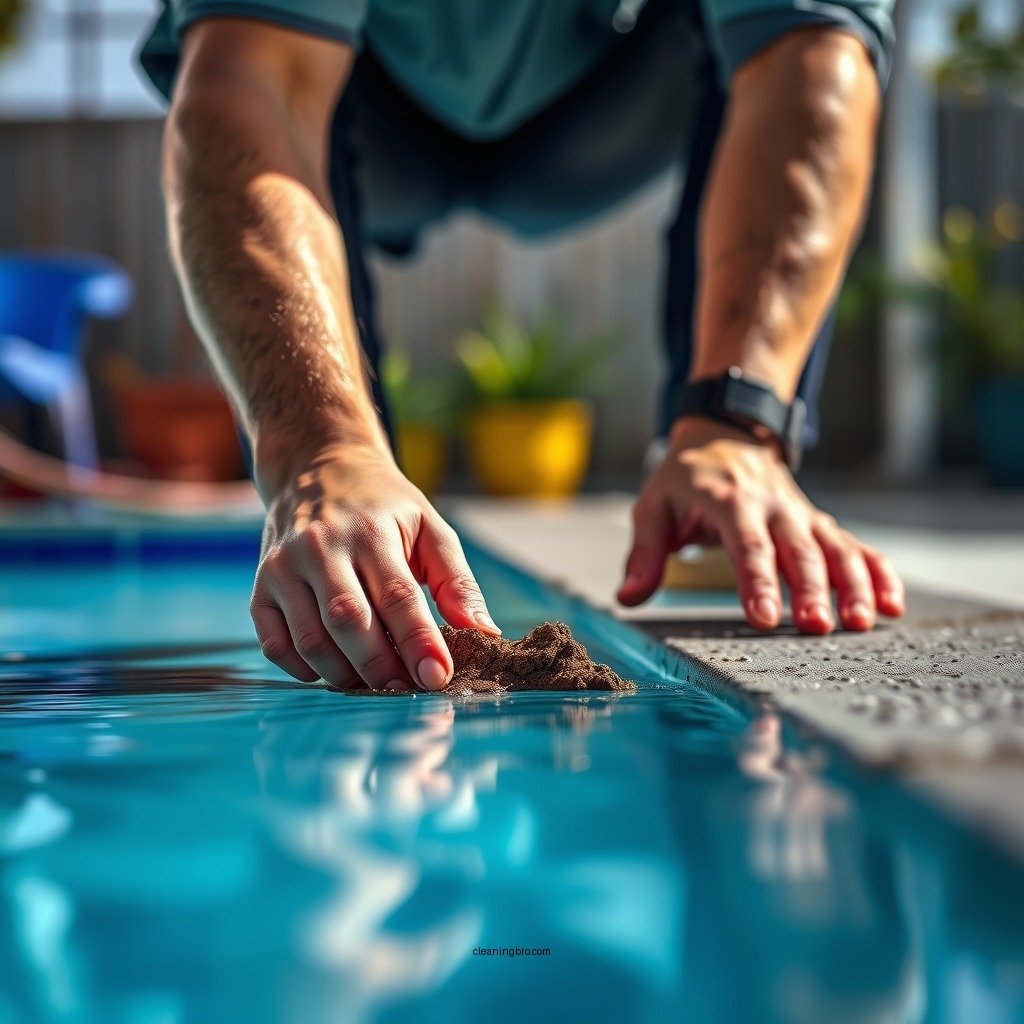
Here’s a systematic approach to cleaning dirt from the bottom of your pool:
1. Skim the Surface: Begin by using the skimmer to remove any floating debris. This prevents the debris from sinking to the bottom and complicating the cleaning process.
2. Brush the Walls: Next, take your pool brush and scrub the walls and floor of the pool. Focus on areas with visible algae or stains to ensure they are loosened for removal.
3. Vacuum the Pool: Use a pool vacuum to target dirt at the bottom effectively. If you have an automatic vacuum, simply set it up and let it do the work. For a manual vacuum, attach it to the pool’s skimmer and move it methodically across the bottom, ensuring all areas are covered.
4. Check the Filter: After vacuuming, inspect and clean the pool filter if necessary. A clean filter ensures optimal water circulation and clarity.
5. Test and Balance Water Chemistry: Finally, test the water to check pH and chlorine levels. Adjust as necessary to keep your pool safe for swimming.
Data on Pool Cleaners
Top 7 Pool Cleaners by Effectiveness (2024)
| # | Cleaner Type | Cleaning Method | Price | Effectiveness Rating |
|---|---|---|---|---|
| 1 | Robotic Cleaner | Automated | $500 | ★★★★☆ |
| 2 | Suction Cleaner | Suction Power | $300 | ★★★☆☆ |
| 3 | Pressure Cleaner | High Pressure | $400 | ★★★★☆ |
| 4 | Manual Vacuum | Manual | $150 | ★★★☆☆ |
| 5 | Leaf Rake | Manual | $50 | ★★☆☆☆ |
| 6 | Robotic Scrubber | Automated | $600 | ★★★★★ |
| 7 | Surface Cleaner | Pressure | $350 | ★★★☆☆ |
Maintaining Your Pool’s Cleanliness
Regular maintenance routines are essential to keep your pool clean and inviting. Here are some important practices:– Weekly Cleaning: Skim the surface, brush the walls, and vacuum the pool once a week. This routine helps prevent debris accumulation and algae growth.
– Water Testing: Check pH levels and chlorine concentrations at least once a week. Maintaining proper water chemistry is crucial for preventing algae and ensuring safe swimming.
– Filter Maintenance: Clean or replace the filter as needed, typically every 1-2 months, depending on usage and pool conditions.
By sticking to a consistent cleaning schedule, you can significantly reduce the amount of dirt and contaminants in your pool, ensuring a pleasant swimming experience.
Troubleshooting Common Cleaning Issues
Even with a regular cleaning regimen, problems can arise. Here are some common issues and their solutions:
– Stubborn Stains: If you encounter persistent stains, consider using a stain remover specifically designed for pool surfaces. Make sure to follow the manufacturer’s instructions for safe application.
– Cloudy Water: Cloudiness can result from improper chemical balance or insufficient filtration. Test the water, adjust the chemicals, and ensure the filter is functioning correctly.
– Recurring Dirt Build-Up: If dirt continues to accumulate quickly, check for any leaks or areas where debris might be entering the pool. Regularly cleaning surrounding areas can help mitigate this issue.
Comparison of Popular Pool Cleaners
Suction vs. Pressure vs. Robotic Cleaners: Full Comparison
| Feature | ⭐ Robotic Cleaner | Suction Cleaner | Pressure Cleaner |
|---|---|---|---|
| Price | $500 | $300 | $400 |
| Cleaning Method | Automated | Suction Power | High Pressure |
| Cleaning Time | 1-2 hours | 2-3 hours | 1-2 hours |
| Power Source | Electric | Pool Pump | Water Pressure |
| Ease of Use | ✅ Very Easy | ✅ Easy | ✅ Moderate |
| Best for | All Pool Types | Above Ground Pools | In-Ground Pools |
| Warranty | 2 years | 1 year | 2 years |
| Energy Efficient | ✅ Yes | ❌ No | ✅ Yes |
| Noise Level | Low | Moderate | High |
| 🏆 Best For | General Pool Maintenance | Budget Users | Power Users |
Safety Tips During Pool Cleaning
Safety should always be a priority when cleaning your pool. Here are some key precautions:
– Chemical Safety: When using pool cleaning chemicals, ensure you wear gloves and goggles to protect your skin and eyes. Always follow the manufacturer’s instructions, and never mix different chemicals.
– Electrical Safety: If using electric cleaners, ensure that all electrical connections are secure and that the equipment is dry before handling.
– Physical Safety: Be cautious of slippery surfaces around the pool. Use non-slip footwear and consider using a pool cover when cleaning to prevent accidents.
By adhering to these safety tips, you can protect yourself while keeping your pool clean.
When to Call a Professional
While many pool cleaning tasks can be handled independently, certain situations may require professional assistance:
– Persistent Algae Growth: If you encounter ongoing algae problems despite your best efforts, a professional can determine the underlying cause and provide treatments that may not be accessible to homeowners.
– Equipment Malfunction: If your pool equipment is malfunctioning or if you’re unsure how to fix a specific problem, calling a professional can save time and ensure the issue is resolved correctly.
– Time Constraints: If your schedule does not allow for regular maintenance, hiring a professional service can ensure that your pool remains clean and safe for use.
Professional pool cleaners have the expertise and equipment to handle a wide range of issues, providing peace of mind and a well-maintained pool.
Summarizing these essential steps will help ensure your pool remains clean and enjoyable all season long. Regular maintenance, proper tools, and effective techniques are key to a sparkling pool. For further guidance or professional assistance, don’t hesitate to explore local pool service options.
Frequently Asked Questions
What are the best tools to clean dirt from the bottom of my pool?
The best tools for cleaning dirt from the bottom of your pool include a manual pool vacuum, a robotic pool cleaner, and a skimmer net. A manual vacuum allows for targeted cleaning, while a robotic cleaner can automate the process, saving you time and effort. Additionally, a skimmer net is great for removing surface debris before it sinks.
How often should I clean the dirt from the bottom of my pool?
You should clean the dirt from the bottom of your pool at least once a week to maintain optimal water quality and clarity. However, if your pool is in a heavily wooded area or experiences high usage, you may need to clean it more frequently. Regular cleaning helps prevent algae growth and keeps your pool inviting for swimmers.
Why is there dirt accumulating at the bottom of my pool?
Dirt accumulates at the bottom of your pool due to debris falling in, such as leaves and dust, as well as sediment from water circulation. Factors like inadequate filtration and poor water chemistry can also contribute to debris settling. Regular maintenance and proper filtration can help reduce this accumulation.
Which cleaning method is more effective for stubborn dirt: manual vacuuming or using a robotic cleaner?
Manual vacuuming is often more effective for stubborn dirt because it allows you to control the cleaning process and focus on specific areas. Robotic cleaners are excellent for regular maintenance but may struggle with thick debris. For the best results, consider using both methods in tandem, depending on the level of dirt buildup.
How can I prevent dirt from accumulating at the bottom of my pool?
To prevent dirt from accumulating at the bottom of your pool, ensure that your pool’s filtration system is running efficiently and properly maintain the chemical balance of the water. Regular skimming, brushing the pool walls, and using a pool cover when not in use can also help minimize debris entering the pool. Implementing these practices will keep your pool cleaner for longer periods.
References
- https://www.sciencedirect.com/topics/earth-and-planetary-sciences/pool-cleaning
https://www.sciencedirect.com/topics/earth-and-planetary-sciences/pool-cleaning - https://www.britannica.com/science/pool-cleaning
https://www.britannica.com/science/pool-cleaning - https://www.cdc.gov/healthywater/swimming/pools/index.html
https://www.cdc.gov/healthywater/swimming/pools/index.html - https://www.ncbi.nlm.nih.gov/pmc/articles/PMC7253344/
https://www.ncbi.nlm.nih.gov/pmc/articles/PMC7253344/ - https://www.poolandspa.com/articles/how-to-clean-pool-bottom
https://www.poolandspa.com/articles/how-to-clean-pool-bottom - https://www.poolpro.com/how-to-clean-pool-bottom/
https://www.poolpro.com/how-to-clean-pool-bottom/ - Google Scholar Google Scholar
https://scholar.google.com/scholar?q=how+to+clean+dirt+from+bottom+of+pool - Google Scholar Google Scholar
https://scholar.google.com/scholar?q=pool+cleaning+methods+and+techniques - how to clean dirt from bottom of pool – Search results
https://en.wikipedia.org/wiki/Special:Search?search=how+to+clean+dirt+from+bottom+of+pool - https://www.ncbi.nlm.nih.gov/search/research-articles/?term=how+to+clean+dirt+from+bottom+of+pool
https://www.ncbi.nlm.nih.gov/search/research-articles/?term=how+to+clean+dirt+from+bottom+of+pool