How to Clean Eisenglass: A Step-by-Step Guide
Cleaning eisenglass effectively requires the right techniques and materials to ensure clarity and longevity. In this guide, you will learn the best practices for cleaning your eisenglass, including the tools you’ll need and the steps to take for optimal results. Proper care extends the life of your eisenglass and maintains visibility, which is essential for safety and enjoyment while boating.
Understanding Eisenglass
Eisenglass is a type of clear vinyl material commonly used for boat windows, enclosures, and other marine applications. It offers a lightweight and flexible alternative to glass, providing excellent visibility while protecting against the elements. Unfortunately, eisenglass can become cloudy, scratched, or stained over time due to exposure to UV rays, dirt, and saltwater. This degradation not only diminishes the aesthetic appeal but can also impair visibility, making it crucial to implement effective cleaning strategies regularly.
Essential Tools and Materials
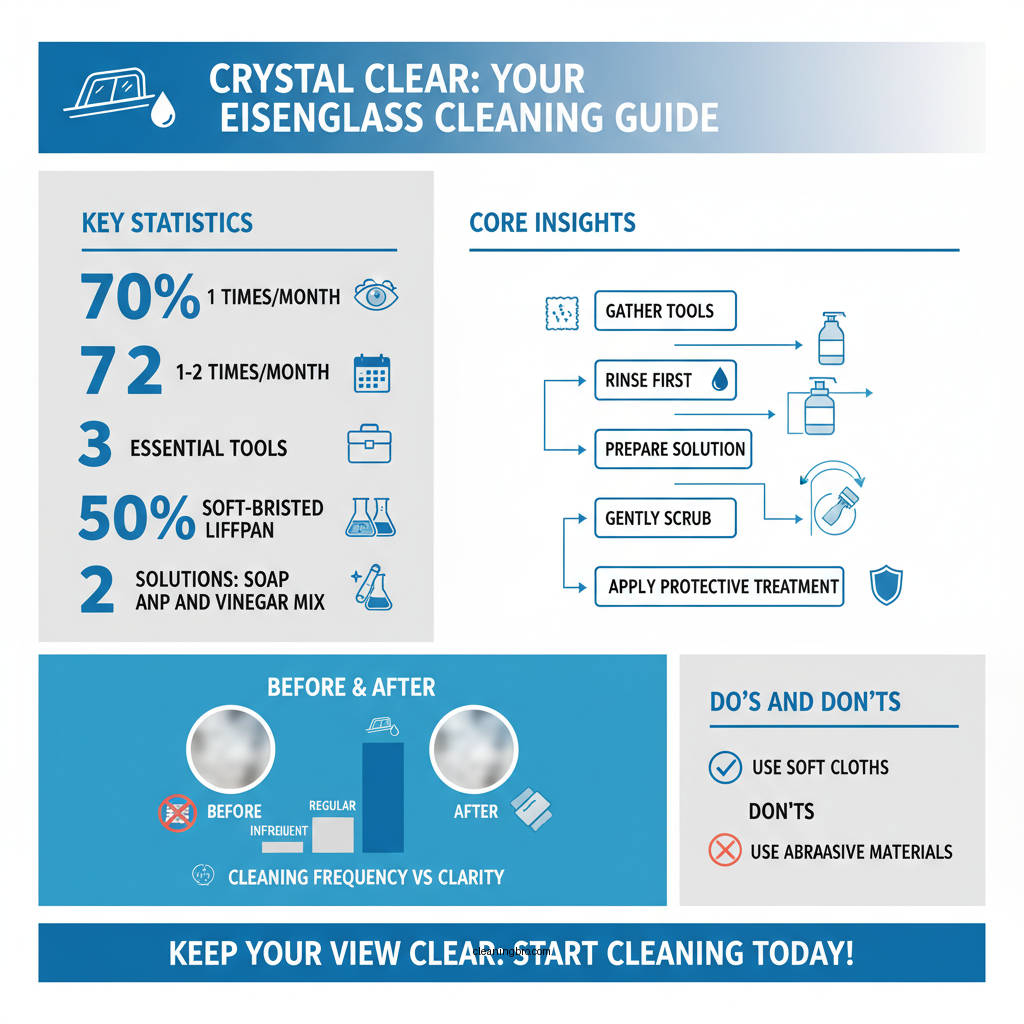
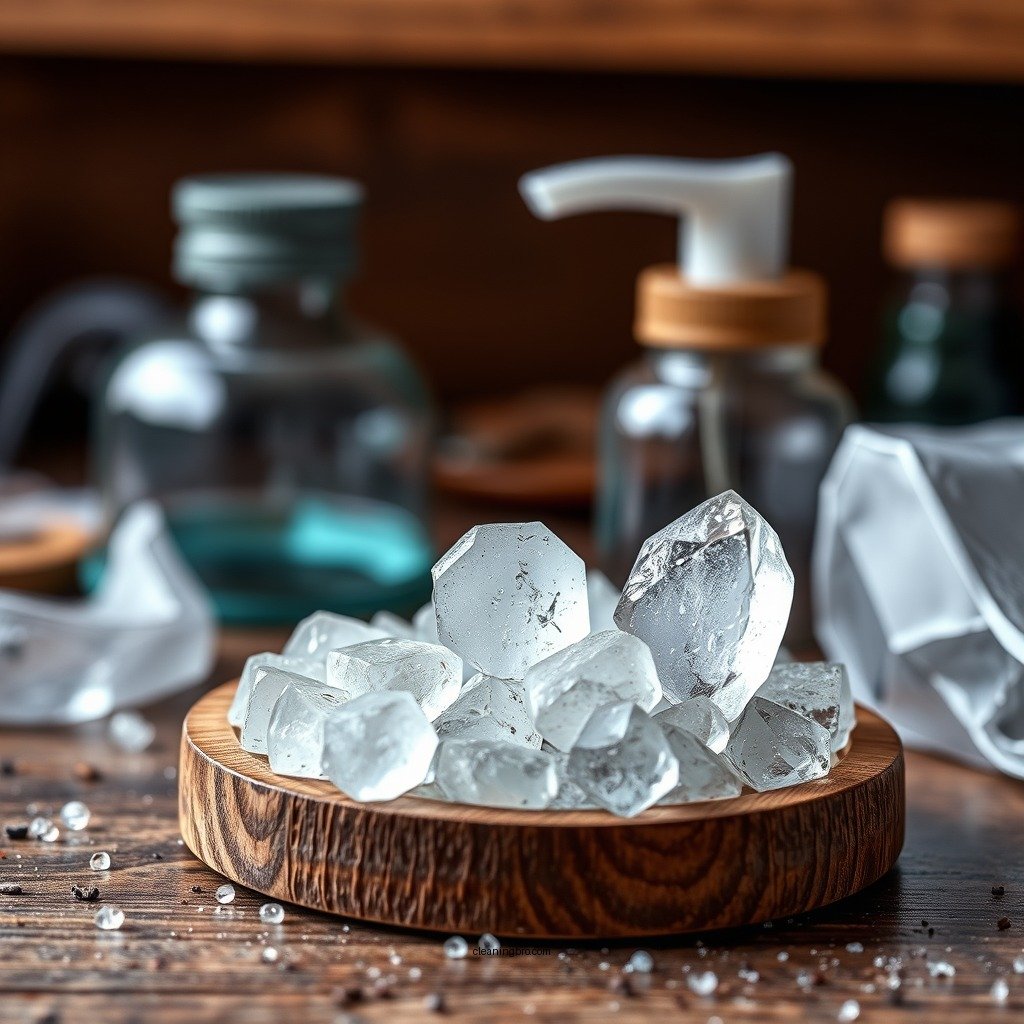
To achieve the best results when cleaning your eisenglass, gather the following tools and materials:
– Soft microfiber cloths: These are essential as they effectively clean surfaces without scratching the delicate vinyl material. Avoid using regular towels or sponges that can cause abrasions.
– Mild soap: A gentle dish soap is preferable, as it won’t contain harsh chemicals. Alternatively, specialized cleaners designed specifically for vinyl products are available and can offer enhanced cleaning properties.
– Soft-bristled brush: For more stubborn dirt or debris, a soft-bristled brush can be helpful, especially around seams or edges.
– Vinegar: A natural cleaning agent that can be mixed with water to tackle tougher stains and cloudiness.
– Protective treatment: Consider a specialized product designed to protect eisenglass from UV damage and stains after cleaning.
Step-by-Step Cleaning Process
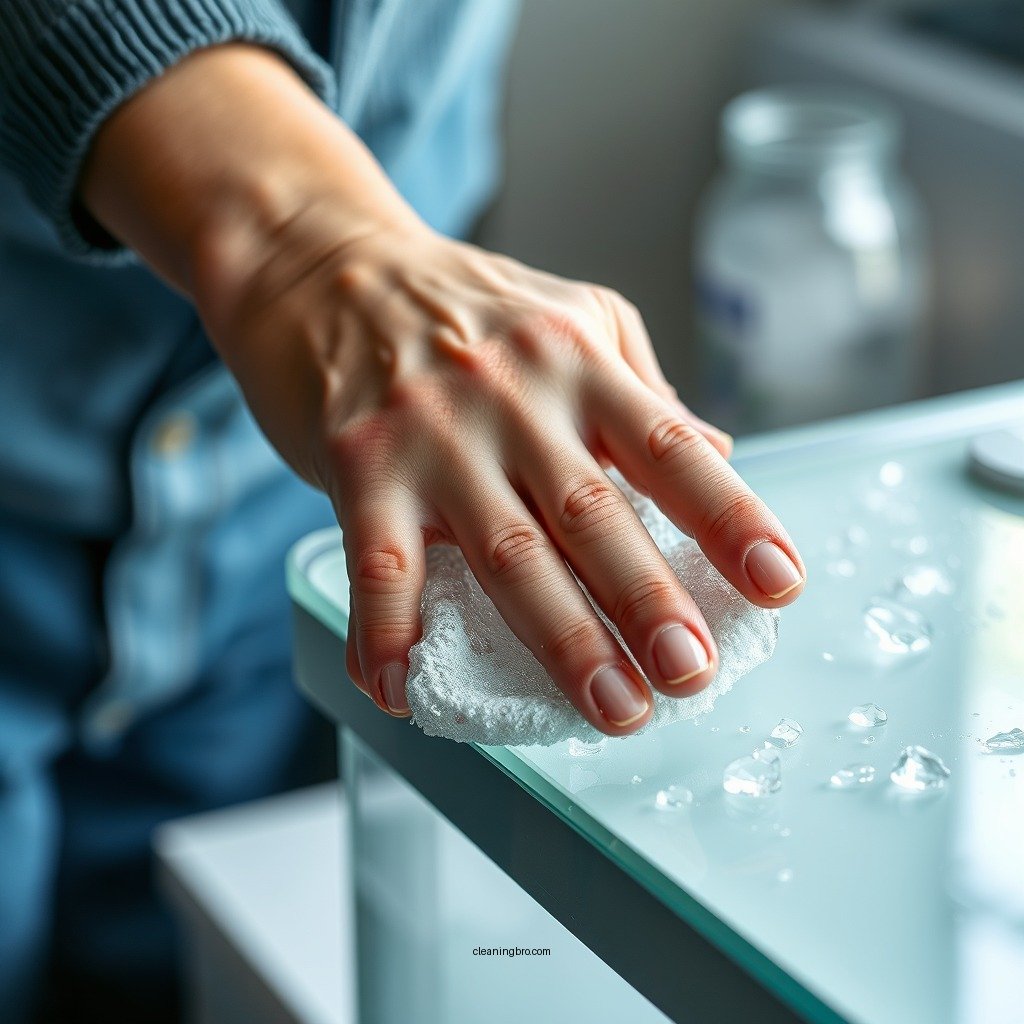
1. Rinse the eisenglass with fresh water: Start by using a hose or a bucket of fresh water to remove loose dirt and debris. This step is crucial as it prevents scratching the surface during the cleaning process.
2. Prepare your cleaning solution: Mix a few drops of mild soap with a bucket of warm water. If you prefer a natural solution, combine equal parts vinegar and water in a spray bottle.
3. Gently scrub with a microfiber cloth: Dip the microfiber cloth into the soapy water, wring it out, and gently wipe the eisenglass in a circular motion. This technique helps remove any grime without damaging the surface.
4. Use a soft-bristled brush for tough spots: If there are stubborn spots or along the seams, use a soft-bristled brush to gently scrub those areas. Be sure not to apply too much pressure.
5. Rinse thoroughly with fresh water: After scrubbing, rinse the eisenglass again with clean water to remove any soap residue. Leaving soap on the surface can lead to streaking.
6. Dry with a clean microfiber cloth: Finally, use another clean microfiber cloth to dry the eisenglass. Ensure that there are no water spots left, as these can also lead to cloudiness.
Top 7 Cleaning Methods for Eisenglass (2024)
| # | Cleaning Method | Effectiveness | Ease of Use | Frequency |
|---|---|---|---|---|
| 1 | Mild Soap and Water | High | Easy | Weekly |
| 2 | Vinegar Solution | Medium | Moderate | Monthly |
| 3 | Commercial Vinyl Cleaners | High | Easy | As Needed |
| 4 | Baking Soda Paste | Medium | Difficult | Rarely |
| 5 | Petroleum Jelly | Low | Moderate | Infrequently |
| 6 | Soft-Bristled Brush | High | Easy | As Needed |
| 7 | Protective Treatments | High | Easy | Quarterly |
Removing Stains and Cloudiness
Despite regular cleaning, eisenglass can sometimes develop stubborn stains or remain cloudy. A vinegar and water solution is a natural remedy that can help restore clarity. Simply mix equal parts vinegar and water in a spray bottle, apply it to the affected areas, and let it sit for a few minutes before wiping it off with a microfiber cloth. This method is effective for removing mineral deposits and light stains.
It’s important to avoid using abrasive cleaners or scrubbers, as they can scratch the surface and lead to further cloudiness. Similarly, ammonia-based cleaners should be avoided altogether, as they can degrade the vinyl material over time, making it brittle and prone to cracking.
Maintaining Eisenglass Clarity
To keep your eisenglass in optimal condition, proper storage and maintenance are essential. When not in use, store your eisenglass flat in a dedicated storage bag or rolled up, ensuring it is clean and dry to prevent mold and mildew growth.
Applying a protective treatment every few months can also be beneficial. These treatments create a barrier against UV rays and contaminants, helping to maintain clarity and prolong the life of the material. Look for products specifically designed for vinyl or eisenglass, as they will provide the best protection.
Common Mistakes to Avoid
While cleaning eisenglass may seem straightforward, there are several common mistakes that boaters often make:
– Using ammonia-based cleaners: As mentioned, these can severely damage the vinyl, leading to cloudiness and brittleness.
– Neglecting to rinse thoroughly: Failing to rinse off soap or cleaning solutions can leave residues that attract dirt and grime, leading to a cycle of cleaning that never achieves satisfactory results.
– Using paper towels: These may seem like a quick solution, but they can scratch the surface of the eisenglass. Always opt for microfiber cloths instead.
– Ignoring regular maintenance: Skipping regular cleanings or protective treatments can lead to more significant problems, including costly replacements.
By being aware of these pitfalls, you can maintain your eisenglass effectively.
Best Eisenglass Cleaning Solutions Compared
| Feature | ⭐ Mild Soap and Water | Vinegar Solution | Commercial Cleaners |
|---|---|---|---|
| Cost | Low | Low | Medium |
| Effectiveness | ✅ High | ✅ Medium | ✅ High |
| Ease of Use | ✅ Very Easy | ✅ Moderate | ✅ Easy |
| Environmental Impact | ✅ Eco-Friendly | ✅ Eco-Friendly | ❌ Chemical-Based |
| Health Safety | ✅ Safe | ✅ Safe | ❌ Potentially Harmful |
| Stain Removal | ✅ Effective | ✅ Moderate | ✅ Very Effective |
| Surface Protection | ❌ None | ✅ Moderate | ✅ High |
| Application Time | ✅ Quick | ✅ Moderate | ✅ Quick |
| Final Verdict | Best Overall | Good Option | Strong Performance |
| 🏆 Best For | General Maintenance | Natural Cleaning | Deep Cleaning |
Maintaining and cleaning your eisenglass is crucial for preserving its appearance and functionality. By following these steps and utilizing the right tools, you can ensure that your eisenglass remains clear and in good condition for years to come. Regular cleaning and maintenance not only enhance your boating experience but also contribute to safety on the water. For best results, incorporate these cleaning tips into your regular maintenance routine to enjoy the clarity and protection that eisenglass offers.
Frequently Asked Questions
What is the best way to clean eisenglass without scratching it?
The best way to clean eisenglass is to use a soft, non-abrasive cloth or sponge along with a mild soap solution. Avoid using harsh chemicals or abrasive materials, as they can scratch the surface. Rinse thoroughly with fresh water and dry with a microfiber cloth to prevent water spots.
How often should I clean my eisenglass to maintain its clarity?
It is recommended to clean your eisenglass at least once a month, especially if it is exposed to harsh weather conditions or heavy use. Regular cleaning helps prevent dirt and grime buildup, which can lead to cloudiness. Additionally, clean it after each use during boating season to maintain optimal clarity.
Why does eisenglass become cloudy, and how can I prevent it?
Eisenglass can become cloudy due to exposure to UV rays, dirt, and saltwater, which can degrade the material over time. To prevent cloudiness, regularly clean your eisenglass with appropriate cleaning products and store it in a shaded area when not in use. Using a protective cover can also help extend its lifespan.
Which cleaning products are safe to use on eisenglass?
Safe cleaning products for eisenglass include mild dish soap, vinegar diluted with water, and specialized eisenglass cleaners that are free of ammonia and abrasive agents. Always check the label for compatibility and avoid products that contain solvents, as they can damage the material.
How can I remove stubborn stains from eisenglass effectively?
To remove stubborn stains from eisenglass, create a paste using baking soda and water, then gently rub it on the stained area with a soft cloth. For tougher stains, consider using a specialized eisenglass cleaner that targets heavy grime. Always rinse thoroughly and dry properly to ensure a clear finish.
References
- https://en.wikipedia.org/wiki/Eisenglass
https://en.wikipedia.org/wiki/Eisenglass - https://www.sciencedirect.com/topics/engineering/eisenglass
https://www.sciencedirect.com/topics/engineering/eisenglass - https://www.britannica.com/topic/eisenglass
https://www.britannica.com/topic/eisenglass - eisenglass cleaning | Semantic Scholar
https://www.semanticscholar.org/search?q=eisenglass%20cleaning - Google Scholar Google Scholar
https://scholar.google.com/scholar?q=how+to+clean+eisenglass - Google Scholar Google Scholar
https://scholar.google.com/scholar?q=eisenglass+maintenance - https://www.boatsafe.com/eisenglass-care-and-cleaning/
https://www.boatsafe.com/eisenglass-care-and-cleaning/ - Ideal conditions for start of the RORC Transatlantic Race
https://www.yachtsandyachting.com/news/193374/Eisenglass-Cleaning-Tips - https://www.huffpost.com/entry/eisenglass-cleaning-tips_n_5f0e4e7bc5b6c5018f7a5e51
https://www.huffpost.com/entry/eisenglass-cleaning-tips_n_5f0e4e7bc5b6c5018f7a5e51 - how to clean eisenglass – Search results
https://en.wikipedia.org/wiki/Special:Search?search=how+to+clean+eisenglass