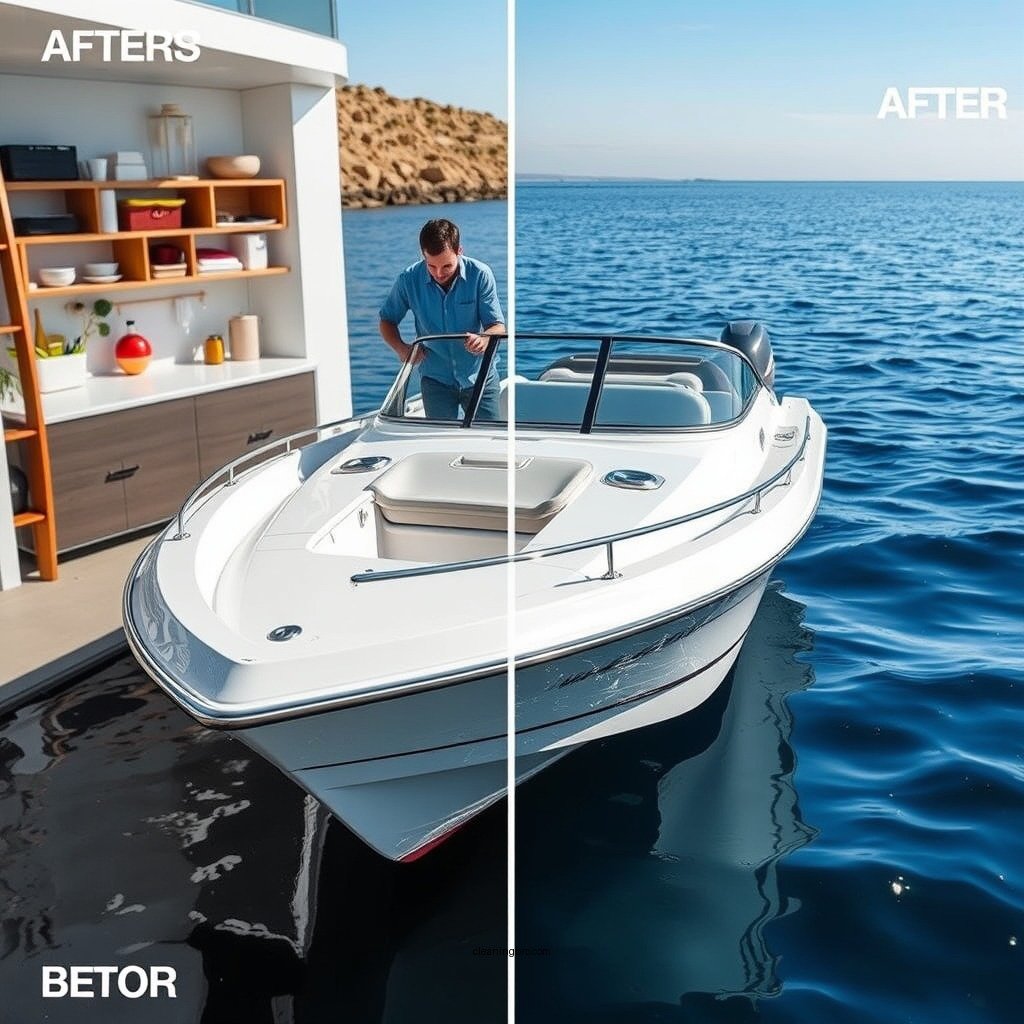
How to Clean a Fiberglass Boat: Step-by-Step Guide
Cleaning a fiberglass boat requires a systematic approach to ensure it remains in pristine condition. To effectively clean your boat, start by gathering the right supplies and follow a structured cleaning process. This article will guide you through the essential steps and techniques to keep your fiberglass boat looking its best.
Gather the Right Supplies
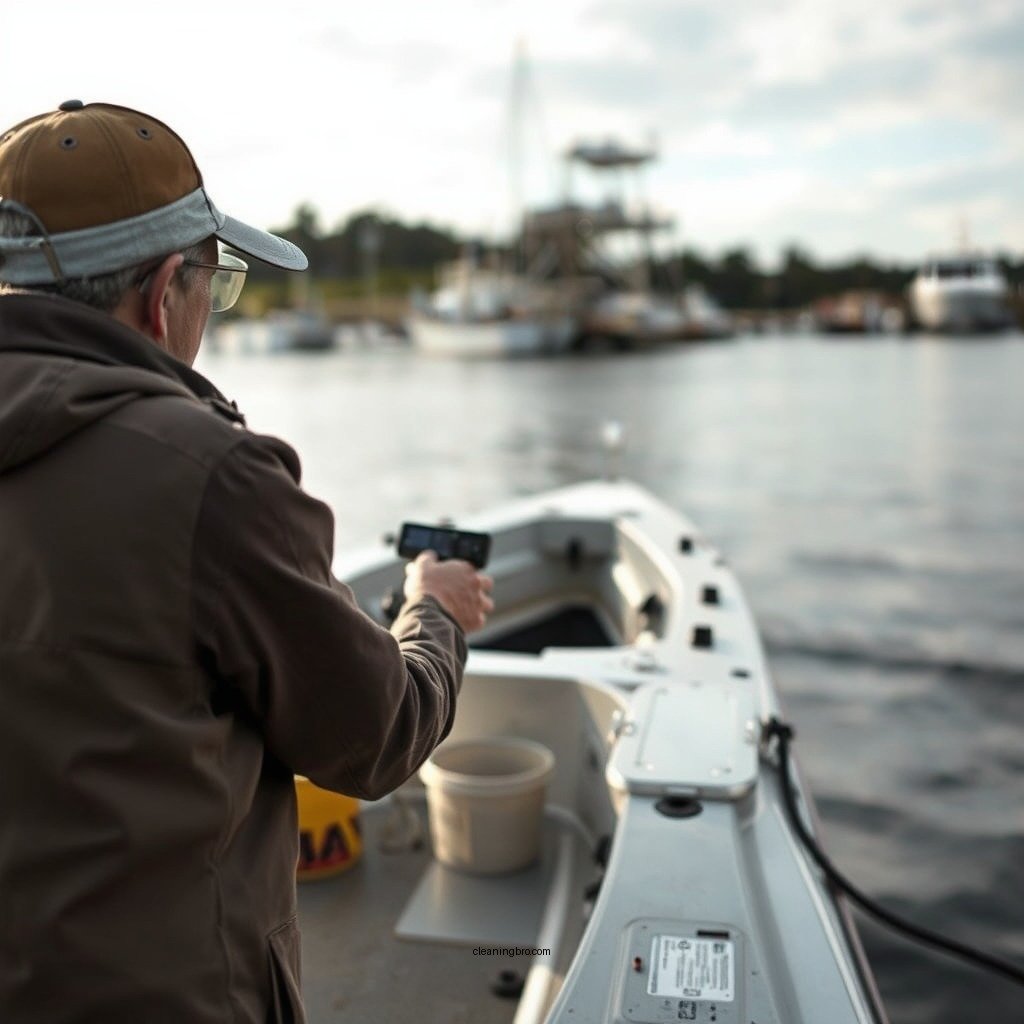
Before you begin the cleaning process, it’s crucial to gather all necessary supplies. Having the right tools on hand will streamline your efforts and ensure a thorough cleaning.
– Marine-grade soap and cleaning solutions: Select products specifically designed for fiberglass surfaces. These soaps are formulated to remove salt, grime, and algae without damaging the gel coat or finish.
– Soft scrub brushes and microfiber cloths: Use soft-bristled brushes to avoid scratching the fiberglass. Microfiber cloths are essential for drying and polishing, as they are gentle on surfaces and highly absorbent.
Investing in quality cleaning supplies not only makes the cleaning process easier but also protects your vessel from potential damage that can arise from using inappropriate products.
Prepare the Boat for Cleaning
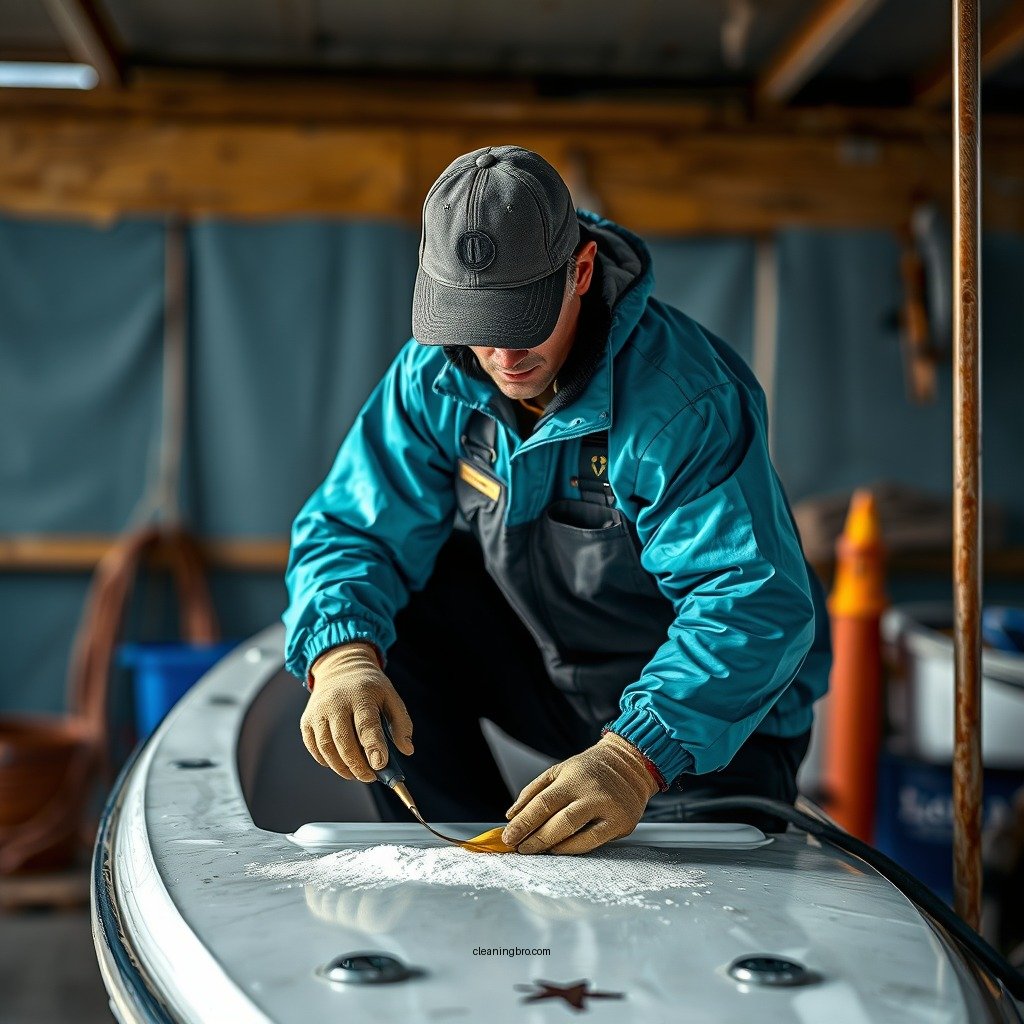
Proper preparation is essential for achieving the best cleaning results. Taking these preliminary steps will make the actual cleaning process more efficient and effective.
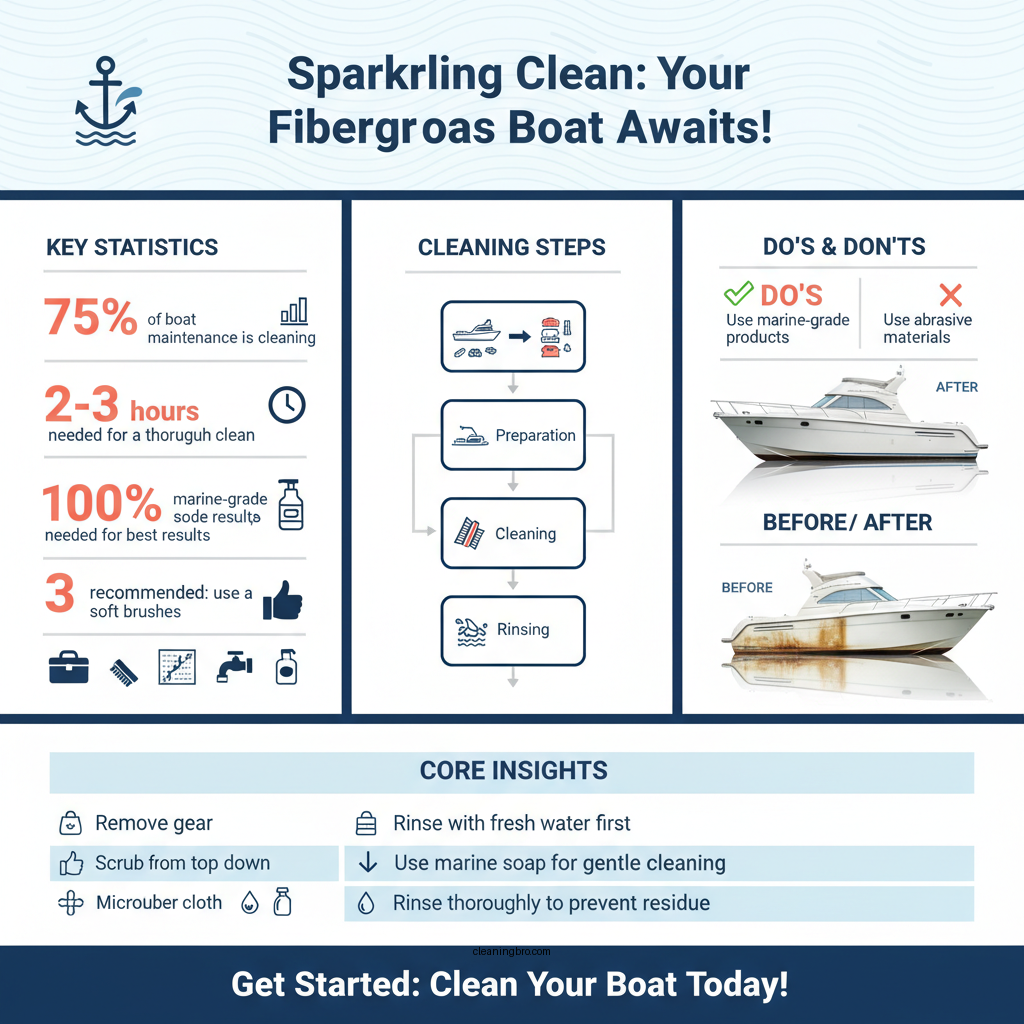
– Remove all gear and personal items: Clear the deck and interior of any equipment, furniture, or personal belongings. This not only provides a clean work area but also protects your items from potential damage during cleaning.
– Rinse the boat with fresh water to eliminate loose dirt: Before applying any cleaner, rinse the boat thoroughly with fresh water. This step helps to remove any loose dirt, dust, or debris that could scratch the surface during scrubbing.
By preparing your boat correctly, you set yourself up for a successful cleaning session, ensuring that no areas are overlooked.
Clean the Hull and Deck
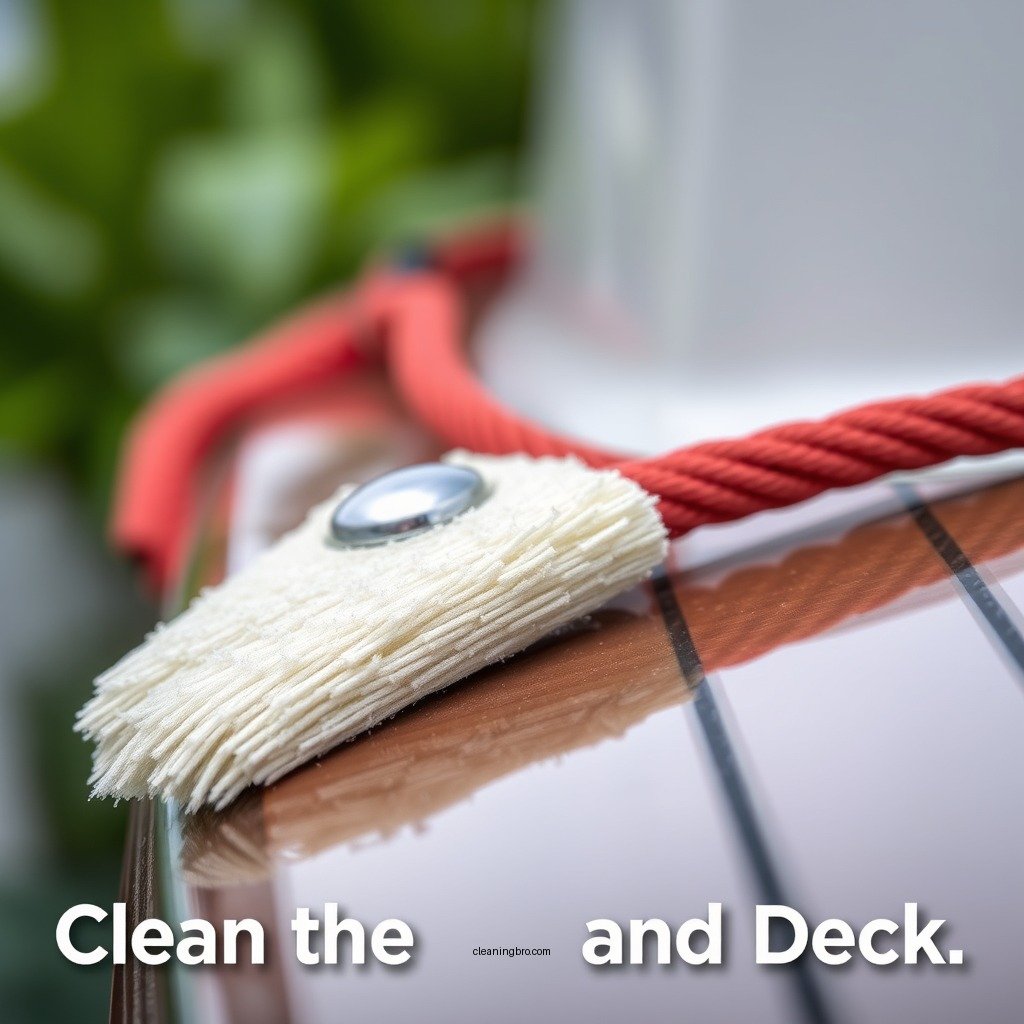
The hull and deck are typically the most exposed parts of a fiberglass boat, making them prone to dirt and stains. Here’s how to clean them effectively:
1. Use the marine soap solution on a soft brush for scrubbing: Mix the marine-grade soap with water according to the manufacturer’s instructions. Dip a soft scrub brush into the solution and start scrubbing from the top down to avoid streaks. Pay special attention to areas that collect grime, such as the waterline and around fittings.
2. Rinse thoroughly to avoid soap residue: After scrubbing, rinse the entire surface with fresh water. Ensure that no soap residue remains, as this can lead to streaks and a dull appearance. For optimal results, consider using a power washer on a low setting to thoroughly rinse off the soap.
Cleaning Effectiveness Comparison
Top Cleaning Products for Fiberglass Boats (2024)
| # | Product | Effectiveness | Price | User Rating |
|---|---|---|---|---|
| 1 | Star brite Premium Cleaner | Excellent | $19.99 | ★★★★☆ |
| 2 | 3M Marine Cleaner | Very Good | $24.99 | ★★★★☆ |
| 3 | Star brite Non-Skid Cleaner | Good | $22.50 | ★★★☆☆ |
| 4 | MaryKate Fiberglass Cleaner | Excellent | $18.99 | ★★★★★ |
| 5 | Meguiar’s Marine Cleaner | Very Good | $23.49 | ★★★★☆ |
| 6 | Protect All Fiberglass Cleaner | Good | $16.99 | ★★★☆☆ |
| 7 | Bio-Kleen Fiberglass Cleaner | Excellent | $21.49 | ★★★★☆ |
Address Stains and Mildew
Stains and mildew can be particularly stubborn on fiberglass boats, necessitating specific treatments for effective removal.
– Apply a specialized fiberglass stain remover for tough spots: For tough stains, utilize a fiberglass stain remover that is designed to penetrate deeper into the material. Apply the product according to the manufacturer’s instructions, allowing it to sit for the recommended time for optimal results.
– Use a mixture of vinegar and water to combat mildew effectively: A simple and effective solution for mildew is a mixture of equal parts vinegar and water. Spray the solution onto affected areas and let it sit for 10-15 minutes before scrubbing with a soft brush. Rinse thoroughly afterward to remove any residue.
Being proactive in removing stains and mildew not only improves the appearance of your boat but also helps prevent further damage to the fiberglass surface.
Polish and Wax the Surface
Once your boat is clean, polishing and waxing are essential steps to safeguard its surface and maintain its shine.
– Choose a quality fiberglass polish for shine: Select a polish specifically formulated for fiberglass. Apply it using a clean microfiber cloth or a buffer, following the manufacturer’s instructions. This process enhances the shine and provides a protective layer against UV rays and environmental damage.
– Apply wax to protect the surface from UV damage: After polishing, apply a high-quality marine wax to create a barrier against harmful UV rays, salt, and other environmental factors. Waxing also helps to make future cleaning easier, as it prevents grime from adhering to the surface.
Waxing and Polishing Comparison
Top Marine Polishes and Waxes (2024)
| Product | Type | Duration of Protection | Ease of Application | User Rating |
|---|---|---|---|---|
| Meguiar’s Marine Polish | Polish | 6 months | Easy | ★★★★☆ |
| Collinite Fleet Wax | Wax | 1 year | Moderate | ★★★★★ |
| Star brite Liquid Cleaner Wax | Wax | 6 months | Easy | ★★★★☆ |
Maintain Your Boat’s Cleanliness
Regular maintenance is key to preserving the appearance and quality of your fiberglass boat. Implementing a consistent cleaning routine can save you time and effort in the long run.
– Establish a regular cleaning schedule: Depending on usage and exposure to elements, aim to clean your boat at least once a month. After each outing, a quick rinse can help prevent buildup of salt and grime. This practice not only keeps your boat looking good but also extends the life of the finish.
– Store the boat covered to minimize dirt accumulation: When not in use, keep your boat covered with a quality tarp or boat cover. This protection will reduce the amount of dirt, dust, and UV exposure it receives, making cleaning much easier when you next take it out.
By adhering to these maintenance practices, you will ensure that your fiberglass boat remains in top condition, ready for your next adventure on the water.
Maintaining the cleanliness of your fiberglass boat requires dedication and effort, but the rewards are well worth it. A clean boat not only enhances its aesthetic appeal but also safeguards its longevity, thereby protecting your investment. Make cleaning your boat a priority, and enjoy many more days on the water with a well-maintained vessel.
Frequently Asked Questions
What are the best products to use for cleaning a fiberglass boat?
The best products for cleaning a fiberglass boat include specialized marine cleaners that are designed to remove stains, algae, and grime without damaging the gel coat. Look for biodegradable, non-abrasive cleaners that are safe for the environment, such as those containing citric acid or marine-grade soap. Avoid using harsh chemicals like bleach, which can harm the fiberglass surface.
How do I remove stubborn stains from my fiberglass boat?
To remove stubborn stains from your fiberglass boat, start by washing the area with a marine cleaner and a soft sponge. For tough stains like rust or mildew, you can use a mixture of baking soda and water as a gentle abrasive. If the stains persist, consider using a fiberglass stain remover or a polishing compound to restore the surface shine.
Why is it important to regularly clean my fiberglass boat?
Regularly cleaning your fiberglass boat is crucial to maintain its appearance and longevity. Dirt, salt, and algae can cause damage to the gel coat and lead to oxidation if not removed promptly. Additionally, a clean boat enhances performance, ensures safety, and makes for a more enjoyable boating experience.
How often should I clean my fiberglass boat?
You should clean your fiberglass boat at least once a month during the boating season, or more frequently if you frequently use it in saltwater or dirty environments. After every outing, it’s also a good practice to rinse the boat to remove salt and debris. This routine helps prevent buildup and keeps your boat looking its best.
Which tools are essential for cleaning a fiberglass boat effectively?
Essential tools for effectively cleaning a fiberglass boat include a soft-bristle brush, microfiber cloths, a bucket, and a hose for rinsing. Additionally, a sponge and a polishing pad can be useful for applying cleaners and wax. Investing in a good quality boat brush with a long handle can also help you reach hard-to-access areas without risking damage to the fiberglass.
References
- Fiberglass
https://en.wikipedia.org/wiki/Fiberglass - https://www.boats.com/how-to/how-to-clean-a-fiberglass-boat/
https://www.boats.com/how-to/how-to-clean-a-fiberglass-boat/ - https://www.nas.gov.sg/archivesonline/speeches/view-html?filename=1999031501.htm
https://www.nas.gov.sg/archivesonline/speeches/view-html?filename=1999031501.htm - www.seadog.com – Coming Soon
https://www.seadog.com/blog/how-to-clean-fiberglass-boat/ - https://www.diyboatmaintenance.com/cleaning-fiberglass-boat/
https://www.diyboatmaintenance.com/cleaning-fiberglass-boat/ - Google Scholar Google Scholar
https://scholar.google.com/scholar?q=cleaning+fiberglass+boat - Google Scholar Google Scholar
https://scholar.google.com/scholar?q=maintenance+fiberglass+boat - Google Scholar Google Scholar
https://scholar.google.com/scholar?q=how+to+clean+fiberglass+surface - Google Scholar Google Scholar
https://scholar.google.com/scholar?q=how+to+clean+fiberglass+boat - how to clean fiberglass boat – Search results
https://en.wikipedia.org/wiki/Special:Search?search=how+to+clean+fiberglass+boat