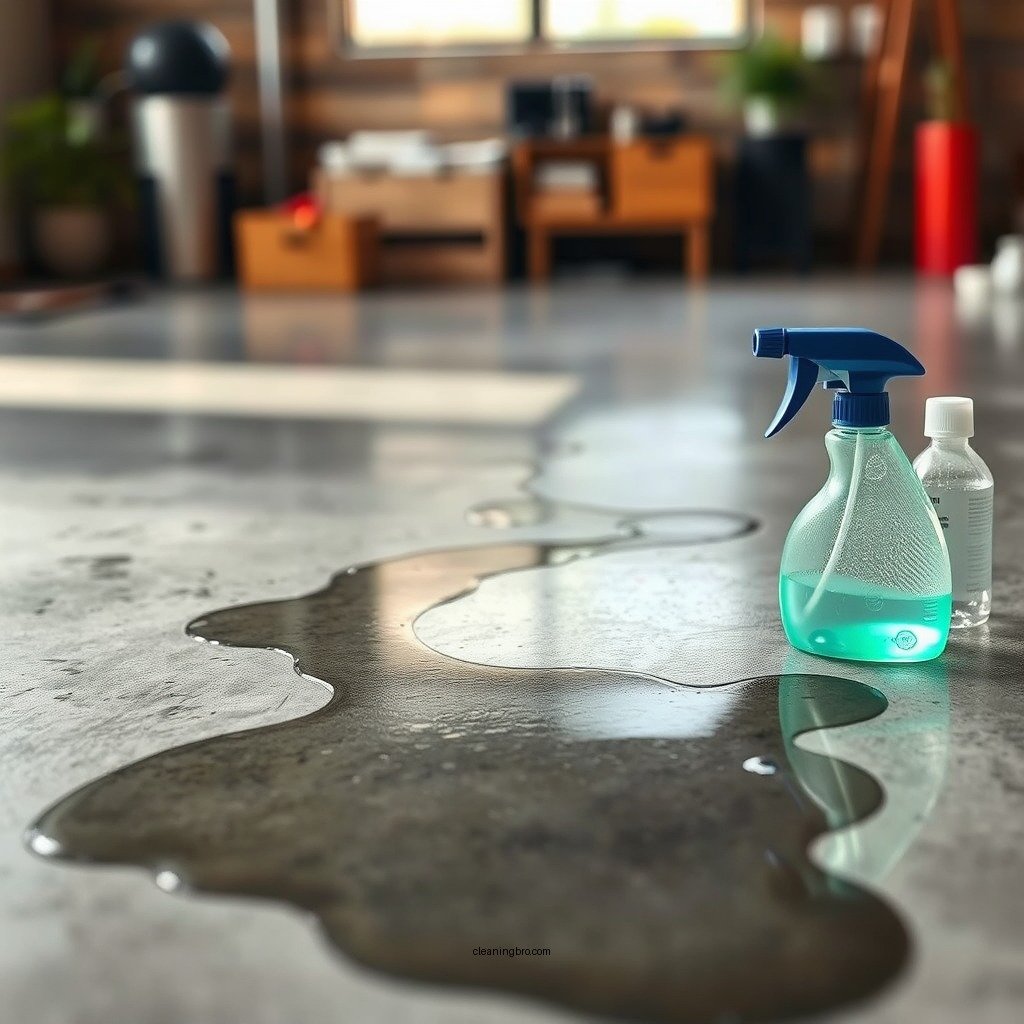
How to Clean a Gas Spill on Concrete Effectively
To clean a gas spill on concrete effectively, start by containing the spill immediately to prevent it from spreading. Utilizing absorbent materials such as cat litter or commercial absorbents is crucial to soaking up the gasoline. This guide will walk you through the necessary steps and precautions to ensure a thorough and safe cleaning process, protecting both the environment and personal safety.
Identify the Severity of the Spill
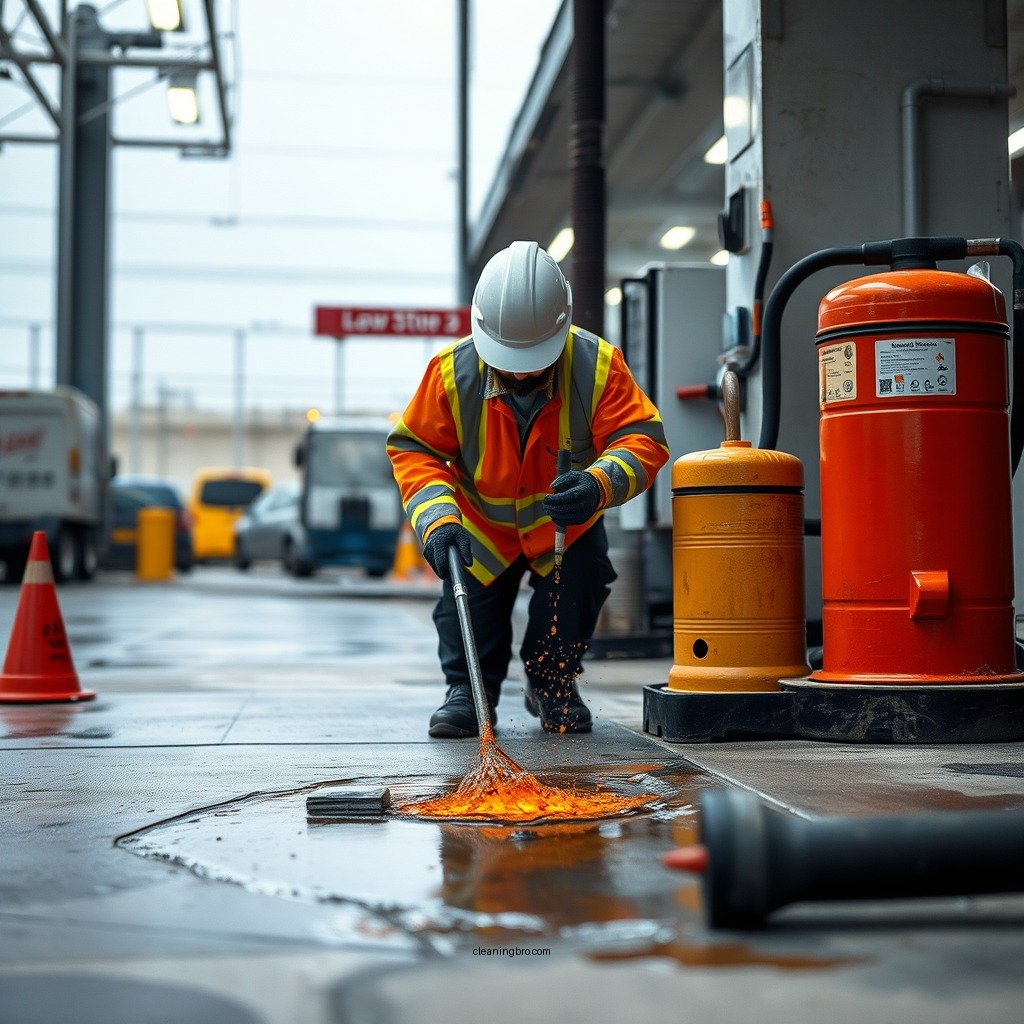
The first step in managing a gas spill is to assess its severity. The size and extent of the spill will influence the method of cleanup you choose. For small spills, a few ounces of gas may require just a handful of absorbent materials, while larger spills may necessitate more extensive measures, including professional assistance. Furthermore, consider the location of the spill—if it’s near drains, vegetation, or in an enclosed area, the risks increase significantly. Gasoline is not only flammable but can also contaminate groundwater and harm plant life, making it essential to act quickly and decisively.
Gather Necessary Supplies
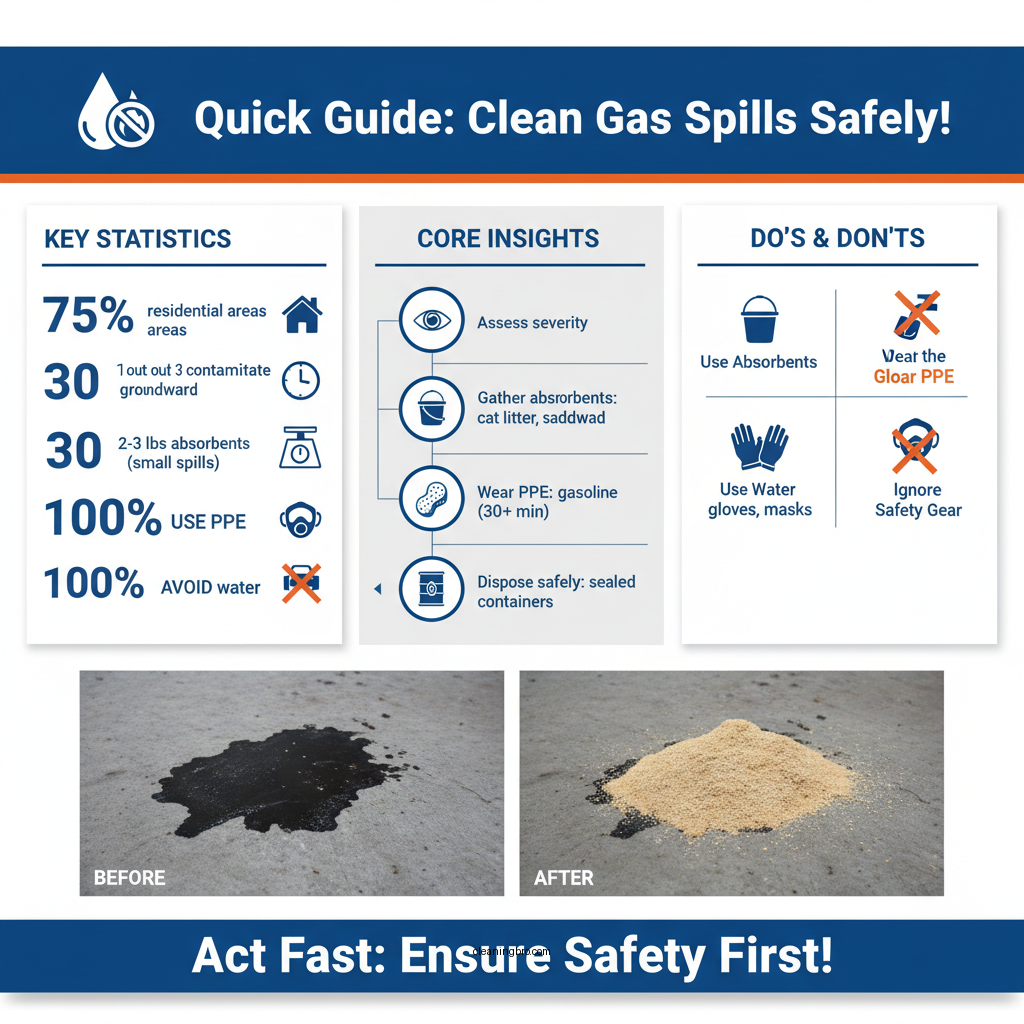
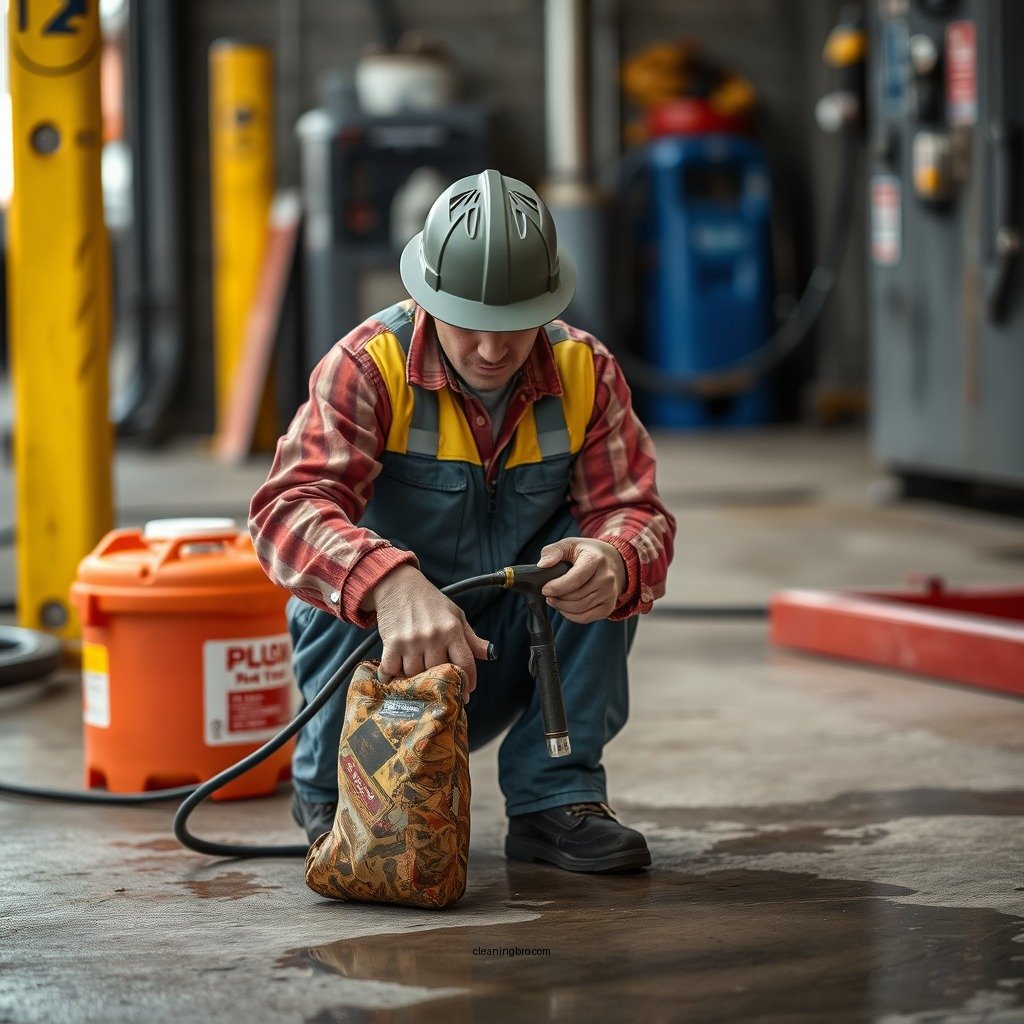
Before beginning the cleanup process, gather the necessary supplies to ensure you can tackle the spill effectively. Key items include:
– Absorbent Materials: Options like cat litter, sawdust, or specialized absorbent pads work well.
– Personal Protective Equipment (PPE): Gloves and masks are essential for protecting your skin and respiratory system from fumes.
– Tools for Cleanup: A shovel or broom will help with the collection and disposal of absorbent materials.
Additionally, consider having a fire extinguisher nearby, as gasoline is highly flammable. It’s also advisable to have a bucket or sealed container for waste disposal ready.
Contain the Spill

Once you have gathered your supplies, it’s crucial to contain the spill to prevent it from spreading further. Use absorbent materials to create a barrier around the spill. This could involve pouring cat litter or sawdust around the perimeter of the spill to prevent it from seeping into cracks or drainage systems. Importantly, avoid using water, as this can cause gasoline to spread rather than contain it. Water can also lead to hazardous situations by creating flammable vapors.
Absorb the Gasoline
After containing the spill, the next step is to absorb the gasoline. Pour a generous amount of your chosen absorbent material directly over the spill. Ensure that the absorbent material fully covers the gasoline, allowing it to soak in completely. Leave the material on the spill for at least 30 minutes to maximize absorption. During this time, avoid disturbing the area to allow the absorbent to do its job effectively. If the spill is significant, you may need to add more absorbent material until no residual gasoline remains.
Dispose of Waste Properly
Once the absorbent material has soaked up the gasoline, it is time to dispose of it properly. Place the used absorbent materials into a sealed plastic bag or container to prevent any further leaks. It is essential to check local regulations for hazardous waste disposal, as improper disposal can lead to legal issues and environmental harm. Many communities offer hazardous waste collection services, so be sure to take advantage of these resources.
Clean the Affected Area
After the bulk of the spill has been absorbed and disposed of, the next step is to clean the affected concrete surface. Create a mixture of soap and water to scrub the area thoroughly. A stiff-bristled brush can help dislodge any remaining residue. Rinse the area with clean water, ensuring that no soap or gasoline remains. This step is vital in preventing future contamination and ensuring that the area is safe for use.
Prevent Future Spills
To minimize the risk of future gasoline spills, consider implementing preventive measures. Installing protective barriers or mats in areas where gasoline is stored or used can help contain spills before they occur. Regularly inspect equipment and containers for leaks or damages, as proactive maintenance can significantly reduce the likelihood of spills. Additionally, consider educating everyone who uses the area about proper handling techniques for gasoline to further prevent accidents.
Common Absorbents for Gasoline Spills
| # | Material | Absorption Capacity | Cost per Bag | Best Use |
|---|---|---|---|---|
| 1 | Cat Litter | 1.5 gallons | $5 | General Use |
| 2 | Sawdust | 1 gallon | $3 | Outdoor Spills |
| 3 | Commercial Absorbent Pads | Up to 1 gallon | $20 | Heavy-Duty Use |
| 4 | Oil Dry | 1.5 gallons | $10 | Automotive Use |
| 5 | Peat Moss | 1 gallon | $8 | Organic Use |
| 6 | Bentonite Clay | 1 gallon | $12 | Industrial Use |
| 7 | Kits with Absorbent & Disposal Bags | Up to 5 gallons | $30 | Comprehensive Cleanup |
Best Absorbent Materials for Gas Spills
| Feature | ⭐ Cat Litter | Commercial Pads | Oil Dry |
|---|---|---|---|
| Absorption Rate | High | Very High | Moderate |
| Cost | Low | High | Moderate |
| Ease of Use | Very Easy | Easy | Moderate |
| Availability | Widely Available | Specialty Stores | Widely Available |
| Environmental Impact | Low | Moderate | High |
| Multi-use | Yes | Yes | No |
| Speed of Cleanup | Fast | Very Fast | Moderate |
| Storage | Easy | Moderate | Easy |
| Cost-effectiveness | High | Moderate | Low |
| 🏆 Best For | Homeowners | Industrial Users | Mechanics |
By following these steps, you can effectively clean a gas spill on concrete and ensure the area is safe and free from harmful residues. Remember, when in doubt or if dealing with a large spill, do not hesitate to contact professionals for assistance. Their expertise can make a significant difference in preventing environmental contamination and ensuring safety.
Frequently Asked Questions
What are the first steps to take when cleaning a gas spill on concrete?
The first steps include ensuring safety by wearing gloves and goggles, and ventilating the area. Then, you should immediately absorb the spilled gas using absorbent materials such as cat litter or sand, which helps to prevent it from spreading further into the concrete.
How can I effectively remove the odor of gasoline from concrete after a spill?
To remove gasoline odor from concrete, mix a solution of water and vinegar or baking soda and scrub the affected area thoroughly. Rinse with clean water and allow the area to dry completely, repeating the process if necessary to eliminate any lingering smell.
Why is it important to address a gas spill on concrete promptly?
Addressing a gas spill promptly is crucial because gasoline is flammable and poses fire hazards, especially if it seeps into the porous concrete. Additionally, untreated spills can lead to environmental pollution and damage to the concrete surface over time.
What is the best cleaning solution for gas spills on concrete?
The best cleaning solution for gas spills on concrete is a commercial degreaser or an enzyme-based cleaner specifically designed for oil and gasoline stains. These products break down the hydrocarbons in gasoline, making it easier to clean and preventing permanent staining.
Which methods are effective for preventing future gas spills on concrete surfaces?
To prevent future gas spills on concrete surfaces, consider using spill trays or mats when refueling equipment or vehicles. Regularly inspecting gas containers for leaks and ensuring proper storage can also minimize the risk of spills occurring in the first place.
References
- https://www.epa.gov/hw/cleaning-up-oil-spills
https://www.epa.gov/hw/cleaning-up-oil-spills - https://www.cdc.gov/niosh/topics/oilspills/default.html
https://www.cdc.gov/niosh/topics/oilspills/default.html - https://www.who.int/news-room/questions-and-answers/item/what-are-the-health-effects-of-oil-spills
https://www.who.int/news-room/questions-and-answers/item/what-are-the-health-effects-of-oil-spills - https://www.nytimes.com/2021/07/21/us/oil-spills-cleanup.html
https://www.nytimes.com/2021/07/21/us/oil-spills-cleanup.html - https://www.sciencedirect.com/topics/earth-and-planetary-sciences/oil-spills
https://www.sciencedirect.com/topics/earth-and-planetary-sciences/oil-spills - https://www.abc.net.au/news/2021-05-07/oil-spill-cleanup-how-to-respond/100120076
https://www.abc.net.au/news/2021-05-07/oil-spill-cleanup-how-to-respond/100120076 - Oil spill | Definition, Causes, Effects, List, & Facts | Britannica
https://www.britannica.com/science/oil-spill - Google Scholar Google Scholar
https://scholar.google.com/scholar?q=clean+gas+spill+on+concrete - Google Scholar Google Scholar
https://scholar.google.com/scholar?q=oil+spill+cleanup+methods - Google Scholar Google Scholar
https://scholar.google.com/scholar?q=how+to+clean+oil+spill+concrete