How to Clean Gray Water Tank Sensors Effectively
Cleaning gray water tank sensors is crucial for ensuring accurate readings and the proper functioning of your wastewater system. Regular maintenance of these sensors prevents buildup and extends the lifespan of your equipment. In this article, you’ll learn the best techniques and tips for keeping your gray water tank sensors in top condition, ensuring your system operates smoothly and efficiently.
Understanding Gray Water Tank Sensors
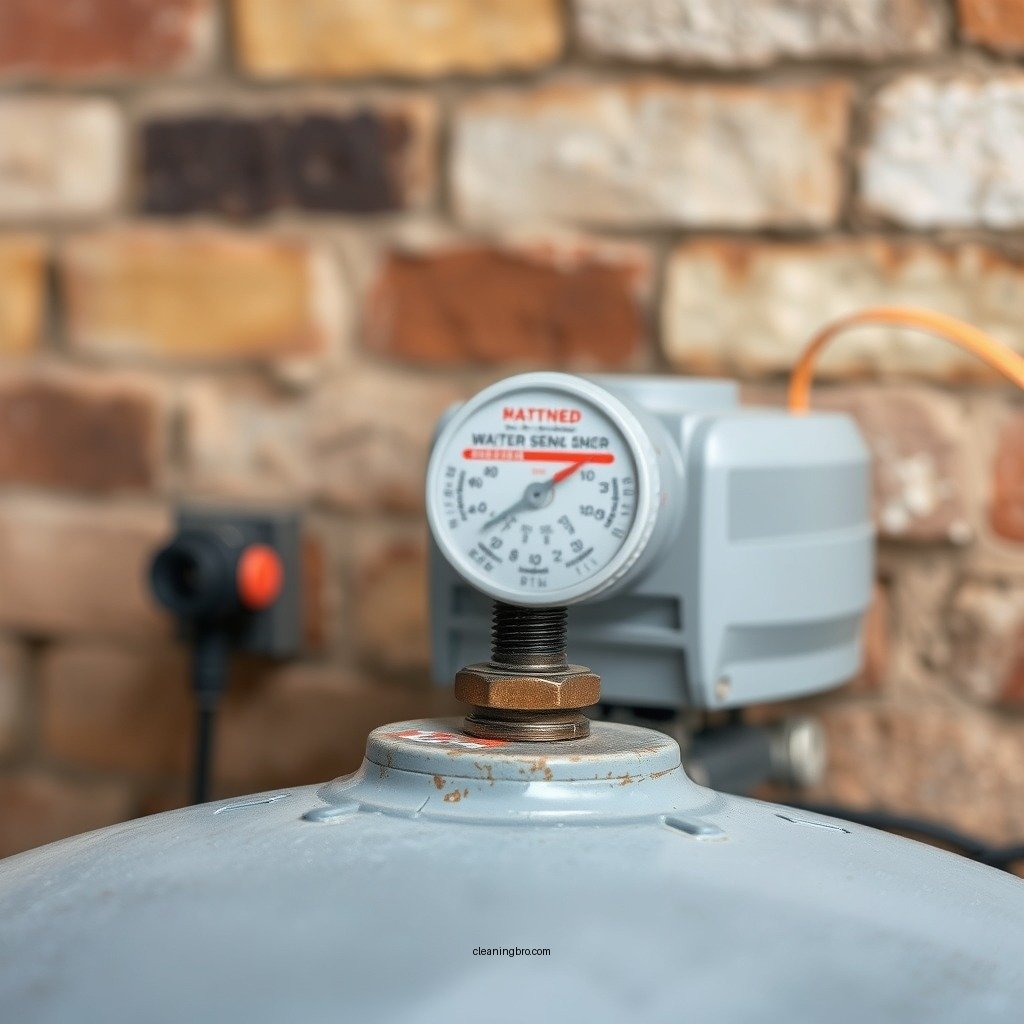
Gray water tank sensors are devices designed to monitor the water levels in gray water tanks, which collect wastewater from showers, sinks, and washing machines. These sensors typically use ultrasonic or capacitive technology to provide accurate readings of water levels, which is vital for preventing overflows and managing wastewater effectively.
Regular maintenance and cleaning of gray water tank sensors are essential for optimal performance. Buildup of debris, algae, or minerals can lead to inaccurate readings, causing potential system failures or inefficient water management. By ensuring that these sensors are clean and functioning properly, you can maintain the efficiency of your wastewater system and avoid costly repairs or replacements.
Common Causes of Sensor Buildup
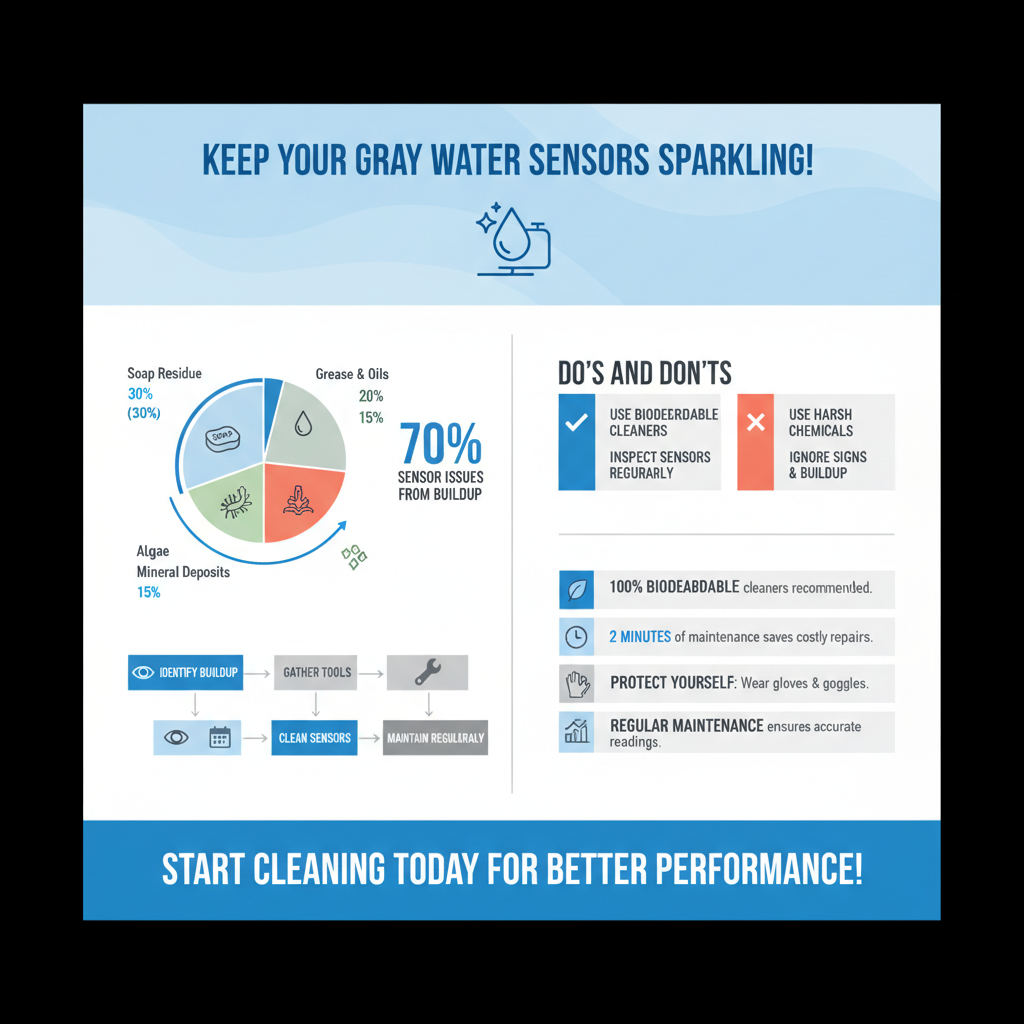
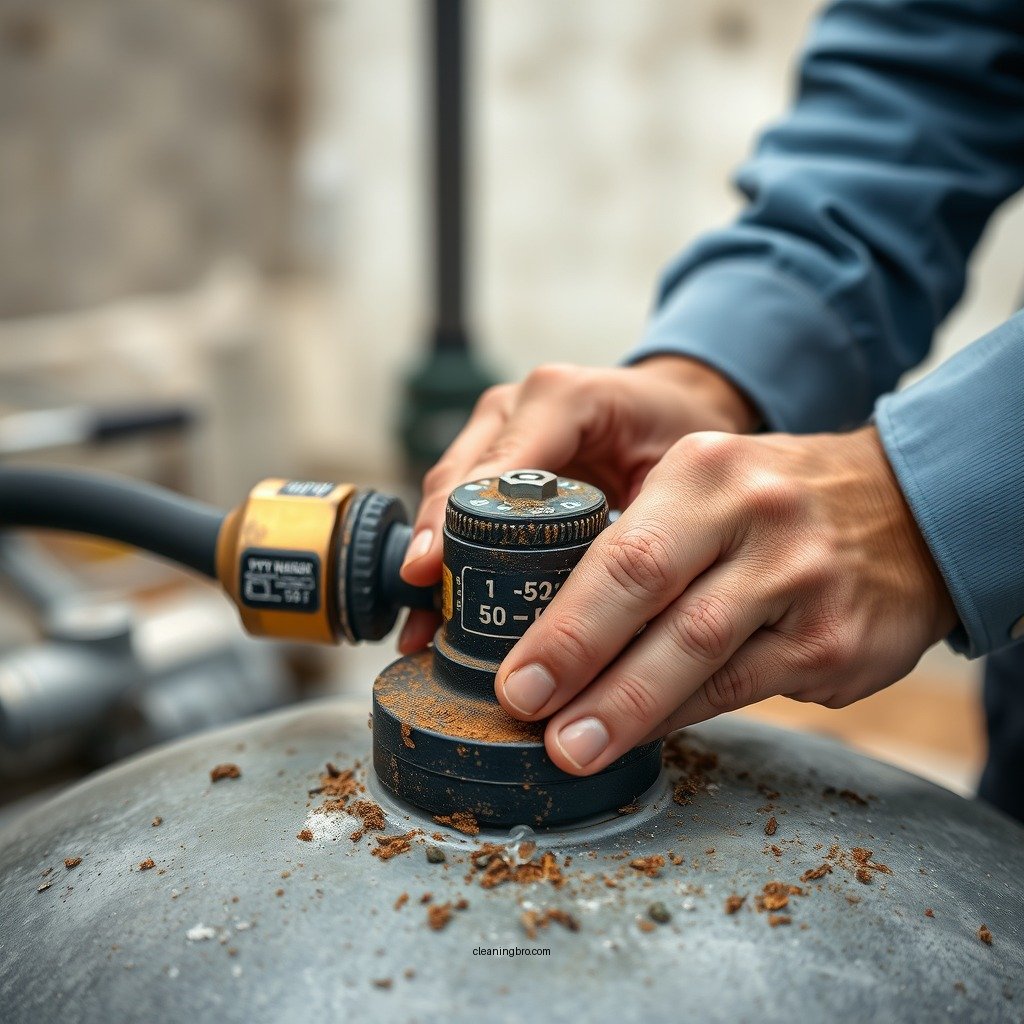
Several substances can accumulate on gray water tank sensors over time. Common offenders include:
– Soap Residue: Surfactants found in soaps and detergents can create a film that coats sensors, leading to false readings.
– Grease and Oils: These substances can solidify on the sensor surface, obstructing its ability to detect water levels accurately.
– Algae Growth: In warm, stagnant water, algae can thrive and form thick layers on sensors, significantly impeding their function.
– Mineral Deposits: Hard water can lead to scaling on sensors, which can interfere with their detection capabilities.
Environmental factors also play a role in sensor issues. For example, tanks that are exposed to sunlight are more prone to algae growth, while those subject to temperature fluctuations may experience accelerated buildup due to condensation and evaporation cycles.
Tools and Materials Needed for Cleaning
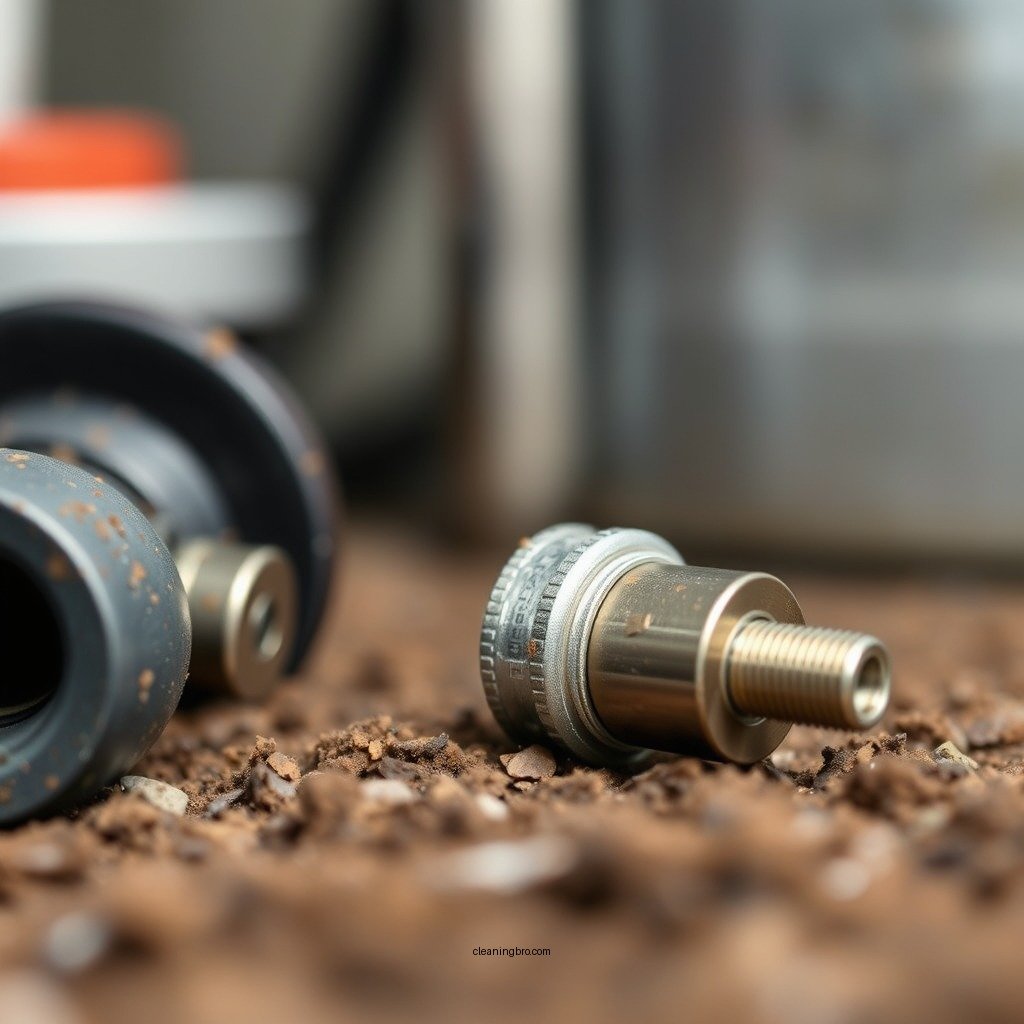
To effectively clean gray water tank sensors, you will need a few essential tools and materials:
– Soft Brush: A soft-bristled brush helps remove buildup without damaging the sensor.
– Biodegradable Cleaners: Opt for biodegradable or non-toxic cleaning solutions to avoid introducing harmful chemicals into the water system.
– Rags or Towels: Use clean, lint-free rags for drying the sensors after cleaning.
– Safety Gear: Gloves and goggles are recommended to protect yourself from any residual contaminants.
Using non-toxic materials is crucial to avoid further contamination of your gray water system. This ensures that your cleaning process does not introduce harmful substances that could affect the environment or public health.
Common Substances Causing Buildup on Gray Water Tank Sensors
| # | Substance | Impact on Sensors | Frequency of Occurrence |
|---|---|---|---|
| 1 | Soap Residue | Forms a film that obscures readings | High |
| 2 | Grease and Oils | Solidifies on sensors | Medium |
| 3 | Algae Growth | Thick layers impede function | High |
| 4 | Mineral Deposits | Interferes with detection | Medium |
| 5 | Sediment | Blocks sensor pathways | Low |
| 6 | Biofilm | Creates a barrier to sensors | Medium |
| 7 | Food Particles | Can accumulate and block sensors | Medium |
Step-by-Step Cleaning Process
To effectively clean your gray water tank sensors, follow this step-by-step process:
1. Turn Off the System: Always start by shutting down the wastewater system to ensure safety while cleaning.
2. Access the Sensors: Depending on your system, this may involve opening a panel or accessing the tank directly. Make sure to wear gloves and goggles for protection.
3. Remove Buildup: Use the soft brush to gently scrub the sensor surface, removing any contaminants like soap residue, grease, or algae. Avoid using abrasive materials that could scratch the sensor.
4. Clean with Biodegradable Cleaner: Apply a biodegradable cleaner to the sensor and scrub again. This will help dissolve any stubborn buildup.
5. Rinse Thoroughly: Rinse the sensor with clean water to ensure no cleaning solution remains, as this could affect sensor performance.
6. Dry the Sensors: Use a lint-free rag or towel to dry the sensors completely. Moisture left on the sensor can lead to inaccurate readings when reinstalled.
7. Reassemble and Test: Reassemble any panels or covers you removed, turn the system back on, and monitor the sensor readings to ensure they are functioning correctly.
By following these steps, you can maintain the integrity of your gray water tank sensors and ensure accurate operation.
Preventive Measures to Avoid Future Buildup
To minimize future buildup on gray water tank sensors, consider the following preventive measures:
– Regular Cleaning Schedule: Establish a routine cleaning schedule, ideally every few months, depending on usage. This will help keep sensors clear of debris and buildup.
– Use Eco-Friendly Products: Incorporate eco-friendly soaps and detergents in your household to reduce the amount of harmful residues that can accumulate in the tank.
– Monitor Water Temperature: Keeping the water temperature in check can limit algae growth. If possible, insulate the tank to avoid excessive heat exposure.
– Install Filters: Consider installing filters before wastewater enters the tank to capture larger particles and reduce the load on sensors.
– Add Algaecides: In cases where algae growth is frequent, using safe algaecides can help maintain a cleaner tank environment.
Implementing these preventive measures can significantly reduce maintenance efforts and extend the lifespan of your gray water tank sensors.
Troubleshooting Common Sensor Issues
Even with regular cleaning, sensors may still experience issues. Here are some signs that indicate your sensors may be malfunctioning:
– Inconsistent Readings: If the sensor shows fluctuating levels that don’t match the actual tank level, it may require recalibration or cleaning.
– Error Messages: Many systems have built-in diagnostics that will alert you to sensor malfunctions.
– Physical Damage: Inspect the sensors for cracks or wear, which can impede their function.
If you observe any of these issues, here are some quick fixes:
– Recalibrate the Sensor: Follow the manufacturer’s instructions to recalibrate the sensors if readings are erratic.
– Inspect Connections: Ensure all wiring and connections are secure and free from corrosion.
– Perform a Hard Reset: Sometimes, a complete system reset can help resolve electronic glitches.
If issues persist despite these troubleshooting steps, it may be time to consult a professional.
When to Seek Professional Assistance
While many gray water tank sensor issues can be resolved through DIY cleaning and maintenance, there are circumstances where professional assistance is advisable. Consider seeking help if:
– Persistent Malfunctions: If sensors continue to malfunction after thorough cleaning and troubleshooting, they may need professional inspection or replacement.
– Electrical Issues: Any electrical issues should be handled by a qualified technician to avoid unsafe conditions.
– System Upgrades: If you are considering upgrading or replacing your wastewater system, consulting with a wastewater treatment professional can provide valuable insights.
Consulting with an expert not only ensures the proper functioning of your system but also offers the benefit of tailored recommendations based on your unique setup.
By following these steps to clean your gray water tank sensors, you can maintain their accuracy and prolong their lifespan. Regular maintenance not only ensures better performance but also prevents potential costly repairs down the line. Start implementing these tips today and keep your system running smoothly!
Frequently Asked Questions
What are the common signs that gray water tank sensors need cleaning?
Common signs that gray water tank sensors need cleaning include inaccurate tank level readings, frequent alarm alerts, and slow drainage. If you notice that the tank shows “full” when it’s not or if the warning light remains on despite recent emptying, it’s time to clean the sensors to ensure accurate monitoring and prevent overflow.
How do I safely clean gray water tank sensors?
To safely clean gray water tank sensors, first, turn off the power and drain the tank completely. Use a soft cloth or sponge along with a mixture of vinegar and water to gently scrub the sensors, ensuring you remove any buildup without damaging the components. Rinse thoroughly with clean water before reassembling and turning the power back on.
Why is it important to maintain gray water tank sensors?
Maintaining gray water tank sensors is crucial for preventing system malfunctions and ensuring proper waste management. Clogged or dirty sensors can lead to false readings, which may result in overflows or backups, causing potential damage to your plumbing system and creating unsanitary conditions.
What is the best solution for cleaning gray water tank sensors?
The best solution for cleaning gray water tank sensors is a mix of vinegar and water, as it effectively breaks down grease and buildup without being harsh on the sensors. Alternatively, specialized RV tank cleaner products can also be effective, as they are designed to remove sludge and prevent odors, but always follow the manufacturer’s instructions for best results.
Which tools do I need to clean gray water tank sensors effectively?
To clean gray water tank sensors effectively, you will need basic tools such as a soft cloth or sponge, a bucket for mixing cleaning solutions, and possibly a long brush for reaching into the tank. It’s also helpful to have gloves on hand for hygiene purposes and a flashlight to inspect the sensors for any signs of damage or buildup during the cleaning process.
References
- https://www.ncbi.nlm.nih.gov/pmc/articles/PMC6068198/
https://www.ncbi.nlm.nih.gov/pmc/articles/PMC6068198/ - https://www.epa.gov/water-research/gray-water-reuse
https://www.epa.gov/water-research/gray-water-reuse - https://www.sciencedirect.com/science/article/pii/S0959652617310111
https://www.sciencedirect.com/science/article/pii/S0959652617310111 - https://www.cdc.gov/healthywater/drinking/graywater.html
https://www.cdc.gov/healthywater/drinking/graywater.html - https://www.who.int/water_sanitation_health/publications/graywater_management.pdf
https://www.who.int/water_sanitation_health/publications/graywater_management.pdf - https://www.nature.com/articles/s41545-021-00103-0
https://www.nature.com/articles/s41545-021-00103-0 - https://www.abc.net.au/education/life-skills/how-to-clean-your-gray-water-tank/12345678
https://www.abc.net.au/education/life-skills/how-to-clean-your-gray-water-tank/12345678 - Google Scholar Google Scholar
https://scholar.google.com/scholar?q=cleaning+gray+water+tank+sensors - Google Scholar Google Scholar
https://scholar.google.com/scholar?q=gray+water+tank+maintenance - Google Scholar Google Scholar
https://scholar.google.com/scholar?q=how+to+clean+gray+water+tank+sensors