
How to Clean Latex: Effective Tips and Techniques
Cleaning latex is straightforward if you follow the right steps. To effectively clean latex items, you should use mild soap and water, avoiding harsh chemicals that can degrade the material. This guide will walk you through the best practices for maintaining your latex products, ensuring they last longer and remain in great condition.
Understanding Latex Material
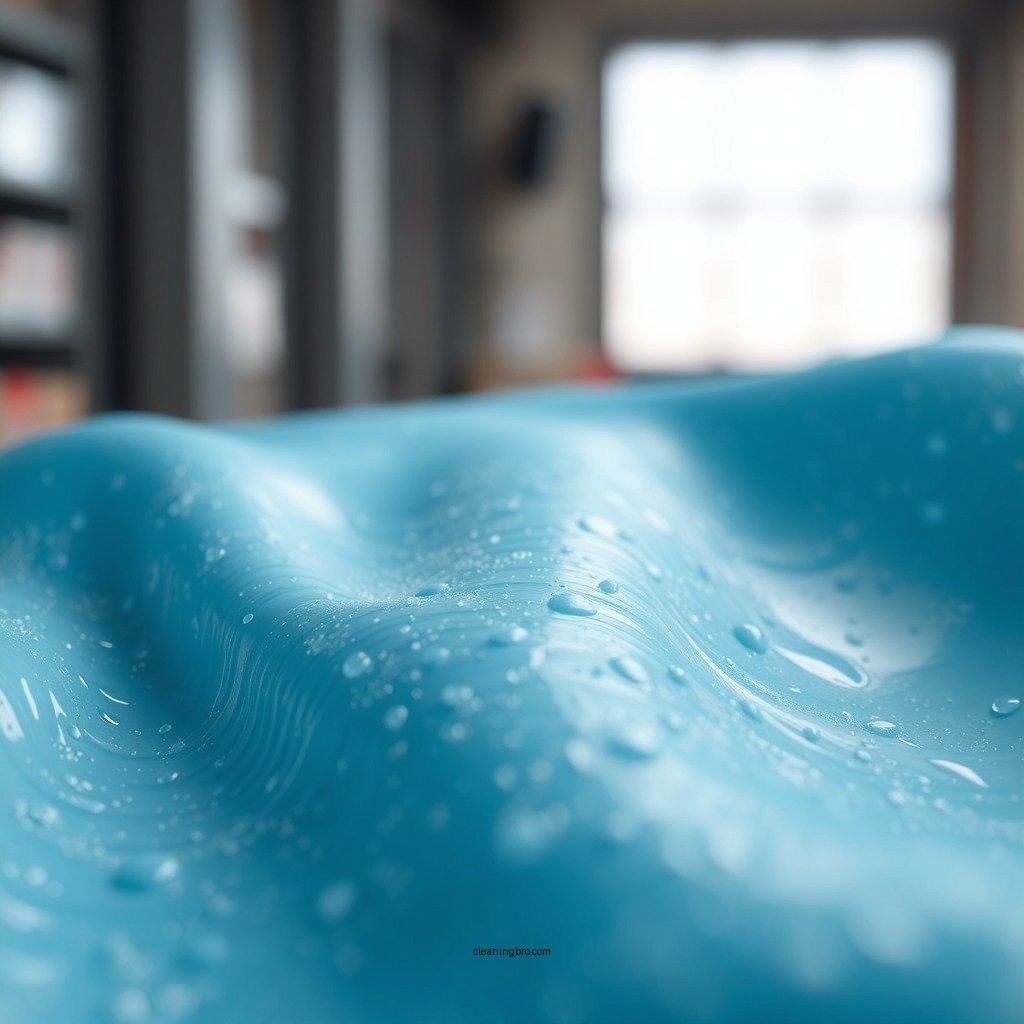
Latex is a natural rubber derived from the sap of rubber trees, known for its elasticity and durability. However, it is sensitive to certain chemicals, oils, and environmental factors. Understanding whether your latex item is made from natural or synthetic latex is crucial, as this can significantly influence the cleaning methods you choose. Natural latex tends to be more vulnerable to degradation from harsh substances, while synthetic latex can withstand a wider range of cleaning agents. Knowing the specific type of latex can help you select appropriate cleaning supplies and techniques, ultimately prolonging the life of your latex products.
Essential Cleaning Supplies


To clean latex effectively, you need a few essential supplies that will help you maintain the material without causing damage. Here’s a list of what you will need:
– Mild Soap: Use a gentle dish soap or a mild detergent that is free from additives and fragrances. These types of soaps will clean without risking damage to the latex.
– Soft Cloth or Sponge: Select a soft cloth or sponge for scrubbing. Avoid abrasive materials that can scratch or tear the latex surface.
– Cool Water: Always use cool water for rinsing. Hot water can warp or damage latex over time.
– Baking Soda: This is useful for eliminating odors and can be used as a gentle abrasive for stubborn stains.
– Cotton Cloth or Storage Bag: For proper storage, a cotton cloth or bag will help prevent latex items from sticking together.
Step-by-Step Cleaning Process
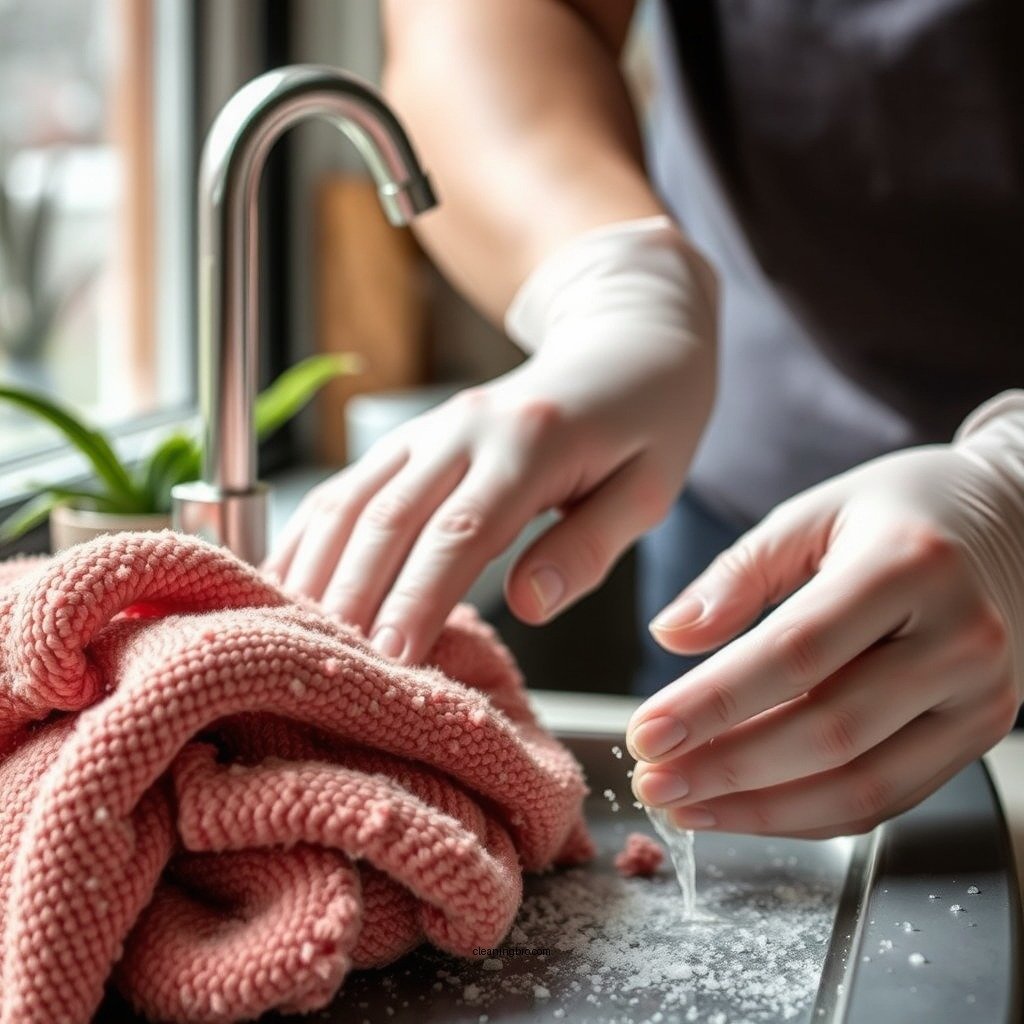
Cleaning latex requires careful handling to ensure you don’t damage the material. Follow these steps to clean your latex items effectively:
1. Initial Rinse: Start by rinsing the latex item under cool water. This helps remove surface dirt and debris, making the subsequent cleaning process easier.
2. Apply Soap: Take a small amount of mild soap and apply it to your soft cloth or sponge.
3. Gently Clean: Using circular motions, gently clean the surface of the latex item. Be cautious around seams and delicate areas, as these can be more prone to damage.
4. Rinse Again: After cleaning, rinse the item thoroughly under cool water to remove any soap residue. Ensure all soap is washed away as leftover soap can cause stickiness.
5. Drying: Pat the item dry with a soft towel, avoiding wringing or twisting, which can deform the latex.
Visual Data: Cleaning Latex Products
Top 7 Latex Cleaning Methods and Their Effectiveness
| # | Cleaning Method | Effectiveness | Time Required | Ease of Use |
|---|---|---|---|---|
| 1 | Mild Soap & Water | Very Effective | 10 mins | Easy |
| 2 | Baking Soda Paste | Effective | 15 mins | Moderate |
| 3 | Vinegar Solution | Moderately Effective | 20 mins | Challenging |
| 4 | Commercial Latex Cleaner | Highly Effective | 5 mins | Easy |
| 5 | Baby Wipes | Effective | 5 mins | Very Easy |
| 6 | Dish Soap & Vinegar Mix | Moderately Effective | 15 mins | Moderate |
| 7 | Warm Water Soak | Effective | 30 mins | Easy |
Drying and Storing Latex Properly
After cleaning latex items, proper drying and storage are critical to maintaining their quality.
– Air Drying: Always air dry latex items away from direct sunlight. Sunlight can cause fading and cracking, while heat can warp the material. Lay the item flat on a clean surface or hang it up in a well-ventilated area.
– Avoid Heat Sources: Do not use a dryer or place latex items near heaters, as excessive heat can damage the material.
– Proper Storage: Store latex in a cool, dry place, preferably wrapped in a cotton cloth to prevent sticking. Avoid storing latex items in plastic bags, as this can trap moisture and lead to mildew or degradation.
Troubleshooting Common Issues
Despite your best efforts, you may still encounter some common issues with latex items. Here’s how to address them:
– Stains: Address stains promptly with a specific latex cleaner or a diluted vinegar solution. Gently rub the stain with a soft cloth and rinse thoroughly.
– Odors: For odors, sprinkle baking soda on the latex item, let it sit for about 15-30 minutes, and then rinse off. This natural deodorizer effectively neutralizes unpleasant smells without damaging the material.
– Stickiness: If your latex items become sticky, it could be due to improper storage. Clean them with a mild soap solution, dry them, and apply a light dusting of cornstarch or talcum powder to reduce stickiness.
Visual Data: Common Issues with Latex
Common Latex Issues and Solutions
| # | Issue | Solution | Prevention |
|---|---|---|---|
| 1 | Stains | Vinegar Solution | Clean Regularly |
| 2 | Odors | Baking Soda Treatment | Store Properly |
| 3 | Stickiness | Mild Soap Rinse | Use Cornstarch |
Maintaining Your Latex Products
Proper maintenance of latex items is essential for their longevity and performance. Here are some key strategies to ensure your latex products stay in top shape:
– Regular Cleaning: Establish a routine cleaning schedule for your latex items to prevent the buildup of dirt and oils. This practice not only keeps them looking fresh but also helps maintain their elasticity.
– Avoid Harsh Chemicals: Steer clear of bleach, petroleum products, and any harsh cleaners that can degrade latex. Always opt for pH-balanced cleaners designed specifically for rubber materials.
– Conditioning: Consider applying a silicone-based conditioner occasionally to maintain flexibility and prevent cracking. This treatment can enhance the item’s lifespan and appearance.
– Monitor Temperature and Humidity: Store latex items in an environment with stable temperature and humidity levels. Excessive heat or moisture can lead to degradation.
Incorporating these maintenance tips will help you enjoy your latex products for years to come, providing you with the best performance and aesthetic appeal.
In summary, cleaning and maintaining latex items is a manageable task if approached with the right tools and techniques. By understanding the material, employing safe cleaning practices, and storing items correctly, you can ensure that your latex products remain in excellent condition. Regular cleaning and proper care will guarantee that your latex items last longer and retain their quality. For more tips and guides on material care and maintenance, explore our other articles to become a pro at preserving your favorite items.
Frequently Asked Questions
What is the best way to clean latex clothing?
To clean latex clothing effectively, first, rinse it in lukewarm water to remove surface dirt. Use a mild soap or a specialized latex cleaner, applying it gently with a soft cloth or sponge. After washing, thoroughly rinse the item and hang it to dry away from direct sunlight to prevent damage.
How do I remove stains from latex items?
To remove stains from latex, start by dabbing the stain with a cloth soaked in warm water and a gentle soap solution. For tougher stains, consider using a latex-safe stain remover, applying it carefully and testing on a small area first. Always rinse thoroughly after cleaning to prevent residue buildup.
Why is it important to use specific cleaners for latex?
Using specific cleaners for latex is crucial because harsh chemicals can degrade the material, causing it to lose elasticity or develop cracks. Latex is sensitive to oils and solvents, which can lead to permanent damage. Therefore, always opt for products designed for latex care to prolong the life of your items.
Which products should I avoid when cleaning latex?
When cleaning latex, avoid using ammonia-based cleaners, bleach, or products containing petroleum distillates, as these can weaken the material and cause discoloration. Additionally, steamer cleaners and abrasive sponges should also be avoided to prevent scratching and damaging the latex surface.
How often should I clean my latex items?
The frequency of cleaning latex items depends on their use; however, it’s advisable to clean them after each wear to remove sweat and oils that can degrade the material. For items not frequently used, a gentle cleaning every few months is sufficient to maintain their condition and appearance.
References
- https://www.mayoclinic.org/healthy-lifestyle/adult-health/in-depth/cleaning-and-disinfecting/art-20471876
https://www.mayoclinic.org/healthy-lifestyle/adult-health/in-depth/cleaning-and-disinfecting/art-20471876 - https://www.cdc.gov/infectioncontrol/guidelines/disinfection/disinfection.html
https://www.cdc.gov/infectioncontrol/guidelines/disinfection/disinfection.html - https://www.ncbi.nlm.nih.gov/pmc/articles/PMC7156535/
https://www.ncbi.nlm.nih.gov/pmc/articles/PMC7156535/ - https://www.nature.com/articles/s41598-020-77184-2
https://www.nature.com/articles/s41598-020-77184-2 - https://www.who.int/news-room/questions-and-answers/item/infection-prevention-and-control-in-healthcare-settings
https://www.who.int/news-room/questions-and-answers/item/infection-prevention-and-control-in-healthcare-settings - https://www.epa.gov/pesticide-registration/cleaning-and-disinfecting-your-home
https://www.epa.gov/pesticide-registration/cleaning-and-disinfecting-your-home - https://www.britannica.com/science/latex
https://www.britannica.com/science/latex - https://www.sciencedirect.com/topics/earth-and-planetary-sciences/latex
https://www.sciencedirect.com/topics/earth-and-planetary-sciences/latex - Google Scholar Google Scholar
https://scholar.google.com/scholar?q=cleaning+latex - Google Scholar Google Scholar
https://scholar.google.com/scholar?q=how+to+clean+latex+materials