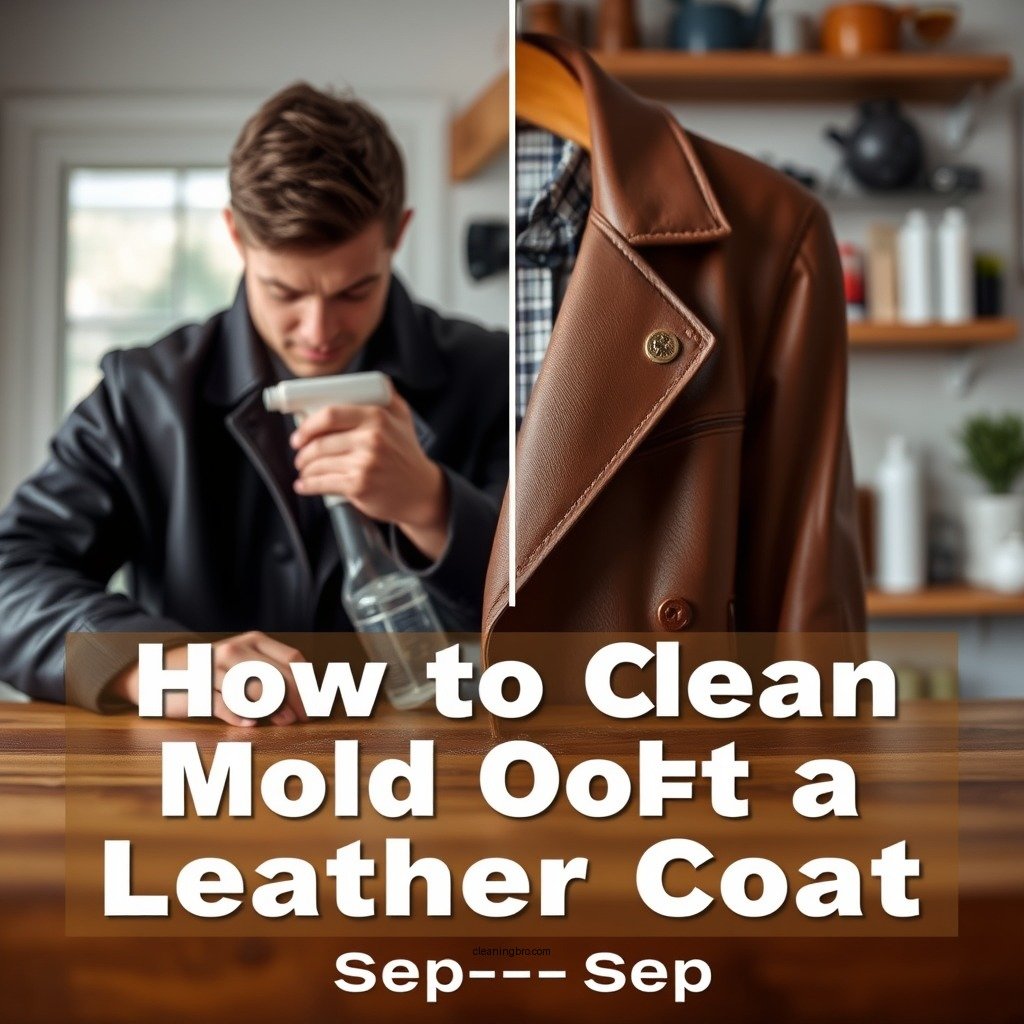
How to Clean Mold Off a Leather Coat: Step-by-Step Guide
Cleaning mold off a leather coat can be effectively done using a few simple techniques. To remove mold, start by taking your coat outdoors to prevent spores from spreading indoors, and use a mixture of water and mild soap or vinegar to gently clean the affected areas. In this guide, you’ll learn everything you need to know to safely restore your leather coat.
Understanding Mold on Leather
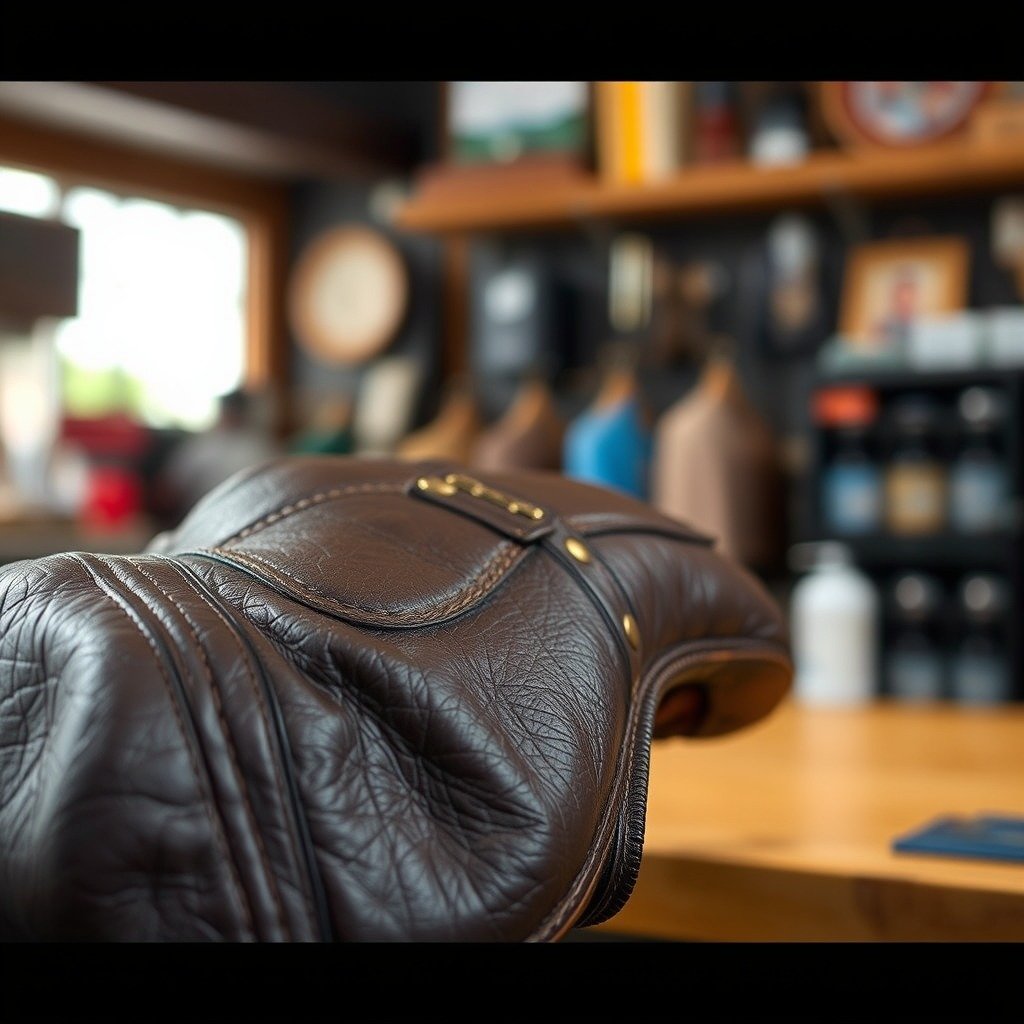
Mold is a type of fungus that thrives in damp conditions, often leading to discoloration and irreversible damage to leather. Leather, being organic, is particularly susceptible to mold growth, especially if it has been stored in humid environments or has been exposed to moisture. Identifying early signs of mold, such as black or green spots on the leather, can prevent extensive damage to your coat. Regular inspection and maintenance of your leather garments are crucial to spotting mold before it becomes a larger issue.
Safety Precautions Before Cleaning
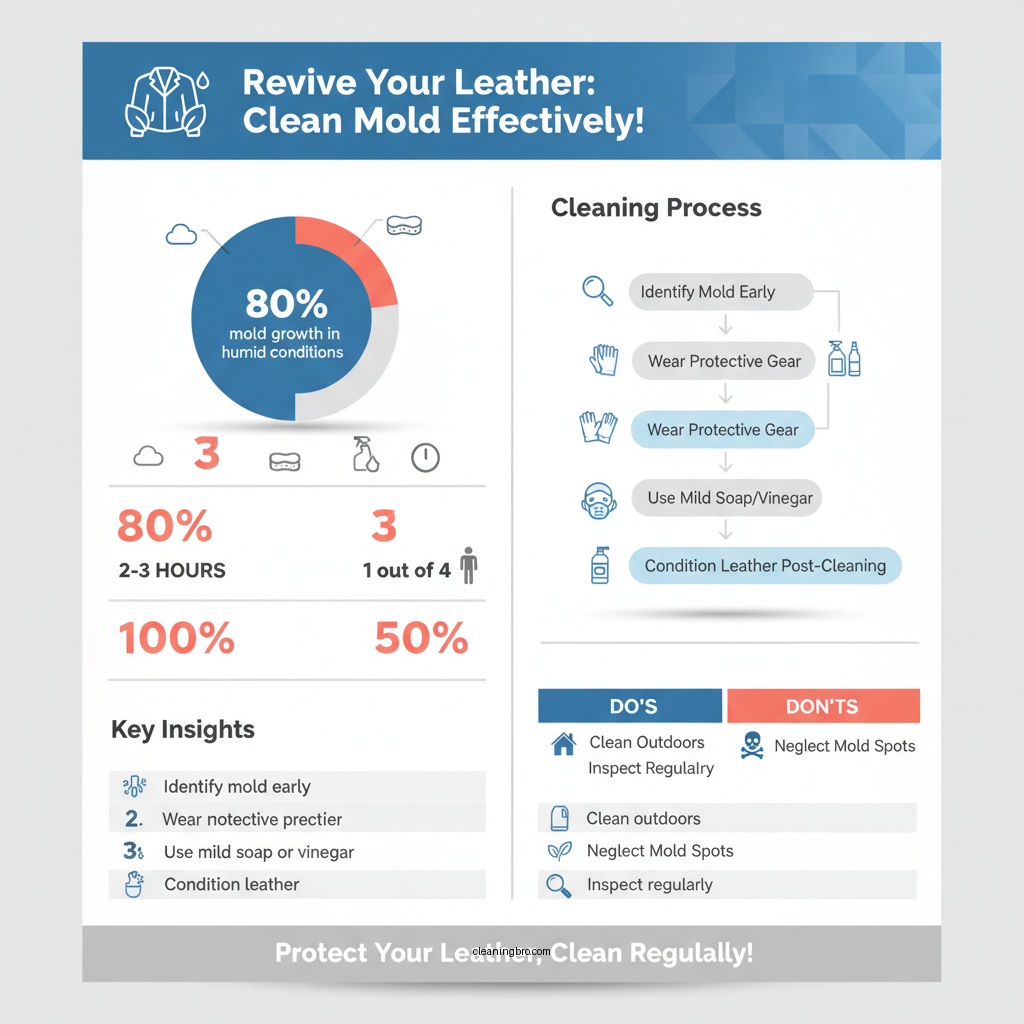
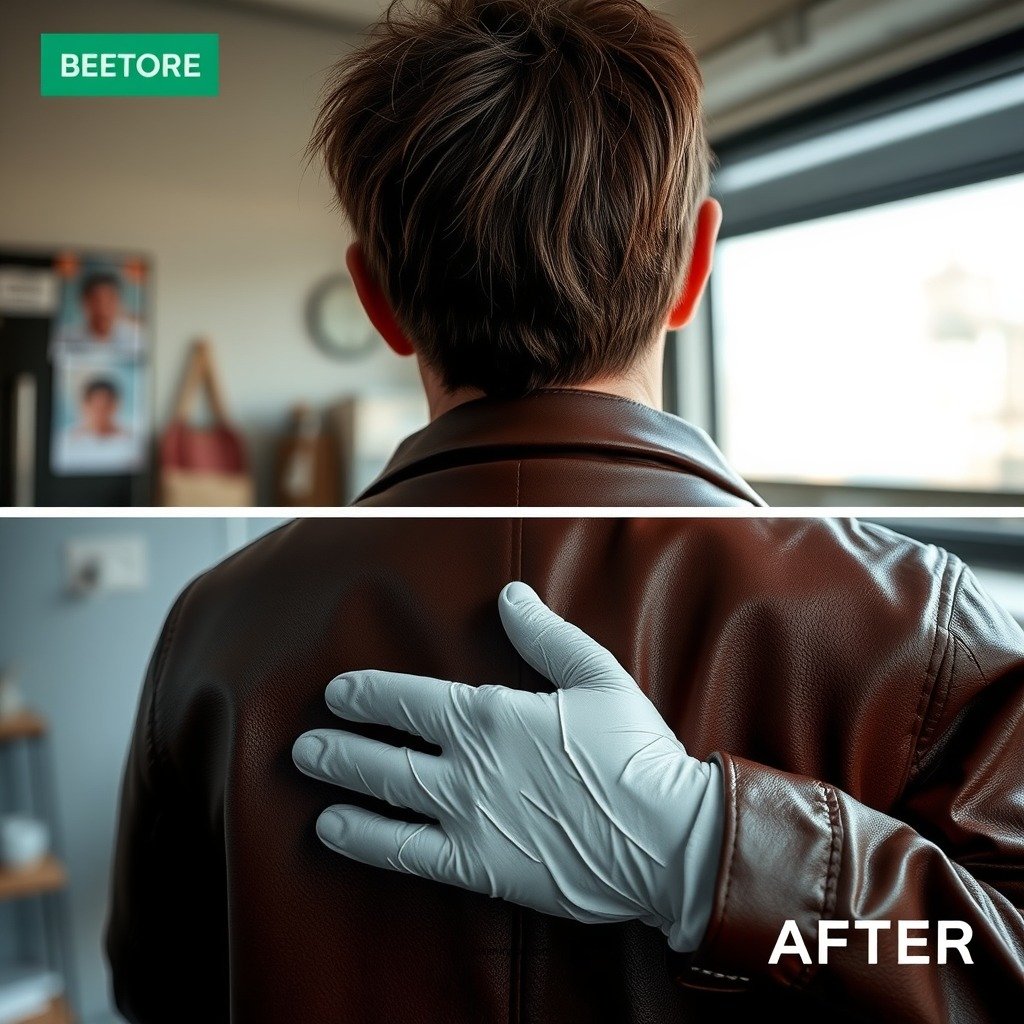
Before embarking on the cleaning process, it is vital to take necessary safety precautions. Mold spores can cause respiratory issues and allergic reactions, so always wear gloves and a mask to protect yourself from inhaling spores. Work in a well-ventilated area, ideally outdoors, to minimize the risk of inhalation and to limit any odors from cleaning agents. If you are particularly sensitive to mold, consider using an N95 respirator for added protection.
Tools and Materials Needed
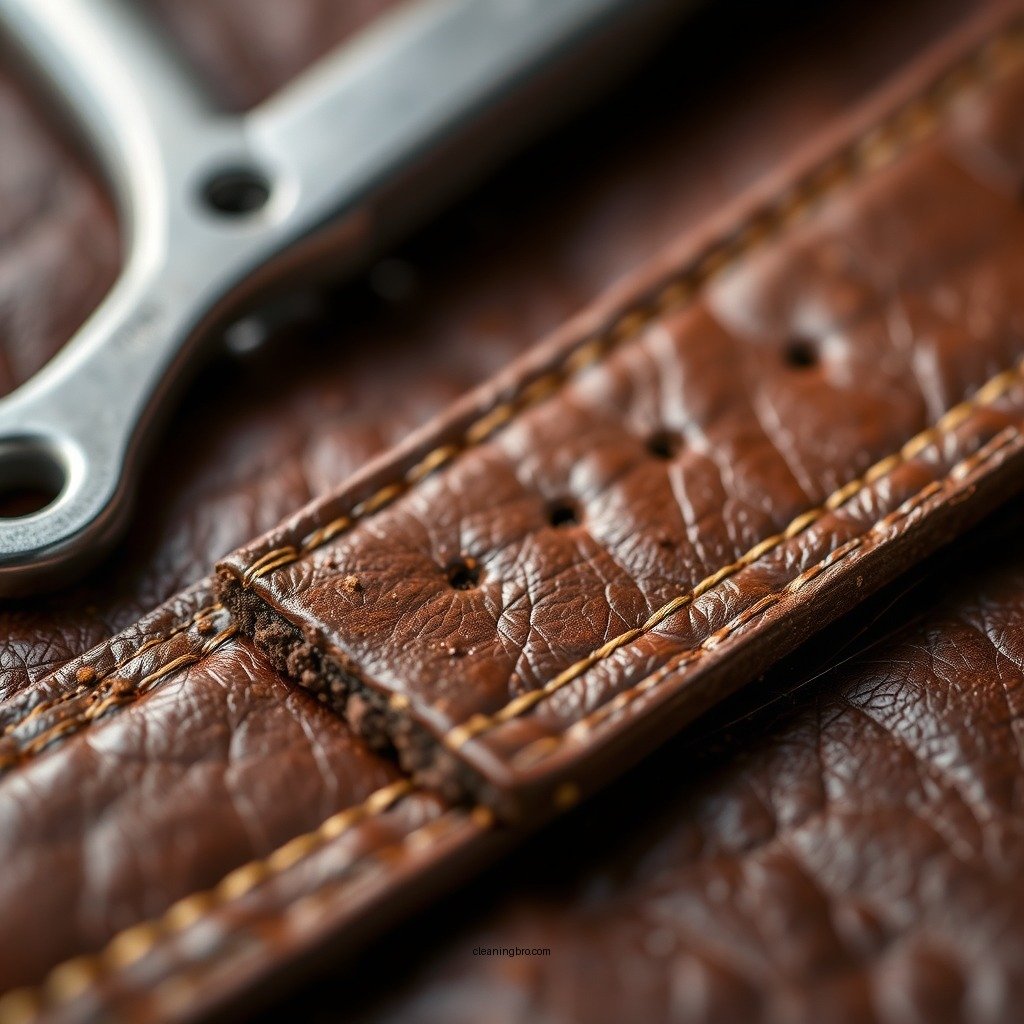
To clean mold off your leather coat effectively, gather the following tools and materials:
– Soft cloths or sponges: These will be used to apply cleaning solutions gently without damaging the leather.
– Mild soap or white vinegar: Both are effective cleaning agents for mold removal. Mild soap is less abrasive, while vinegar has natural antifungal properties.
– Specialized leather cleaner: If available, this can provide an additional layer of protection and conditioning for your leather.
– Leather conditioner: After cleaning, it’s essential to restore moisture and suppleness to the leather to prevent it from drying out and cracking.
Top 7 Common Cleaning Agents for Leather Mold Removal
| # | Cleaning Agent | Effectiveness | pH Level | Usage |
|---|---|---|---|---|
| 1 | White Vinegar | High | 2.4 | Apply with cloth |
| 2 | Mild Soap | Moderate | 7.0 | Lather and rinse |
| 3 | Commercial Leather Cleaner | High | 6.5-7.5 | Follow instructions |
| 4 | Baking Soda | Moderate | 8.5 | Sprinkle and brush |
| 5 | Rubbing Alcohol | High | 7.0 | Spot clean only |
| 6 | Hydrogen Peroxide | Moderate | 4.0 | Use cautiously |
| 7 | Essential Oils | Low | N/A | Natural deodorizer |
Step-by-Step Cleaning Process
Once you have gathered all the necessary tools and materials, it’s time to begin the cleaning process. Here’s a step-by-step guide:
1. Take the Coat Outdoors: Move your leather coat outside to prevent mold spores from contaminating your indoor environment.
2. Brush Off Loose Mold: Using a soft brush, gently brush off any loose mold spores. This helps to remove the bulk of the mold before applying any cleaning solution.
3. Prepare the Cleaning Solution: Mix equal parts of water and vinegar or mild soap in a bowl. This solution will effectively help in breaking down the mold.
4. Apply the Solution: Dampen a soft cloth in the cleaning solution and gently dab the affected areas of the coat. Avoid soaking the leather, as excess moisture can lead to further damage.
5. Wipe Clean: After applying the solution, use a separate clean cloth dampened with plain water to wipe away any residue.
6. Drying: Allow the coat to air dry in a shaded area. Avoid direct sunlight, as it can cause the leather to fade or crack.
Drying and Conditioning Leather
Once your leather coat is completely dry, it is essential to condition it to restore moisture and suppleness. Leather tends to dry out, especially after cleaning. Here’s how to properly condition your leather coat:
1. Select a Quality Leather Conditioner: Choose a conditioner that is suitable for the type of leather of your coat.
2. Apply Conditioner: Using a clean, soft cloth, apply the leather conditioner evenly across the surface of the coat. Make sure to cover all areas, including seams and folds, where moisture is likely to escape.
3. Let it Soak: Allow the conditioner to absorb into the leather for the time recommended by the manufacturer.
4. Buff the Surface: Finally, buff the coat lightly with a soft, dry cloth to restore shine and remove any excess conditioner.
Preventing Future Mold Growth
Prevention is always better than cure, especially when it comes to maintaining leather products. Here are some effective strategies to keep your leather coat mold-free:
– Proper Storage: Store your leather coat in a cool, dry place with good air circulation. Avoid damp basements or closets that lack ventilation.
– Regular Cleaning: Clean your leather coat periodically to remove dust and moisture that can harbor mold spores.
– Humidity Control: Use dehumidifiers in areas where leather items are stored to reduce moisture levels.
– Condition Regularly: Regularly applying leather conditioner not only preserves the leather’s appearance but also creates a barrier against mold.
Seeking Professional Help
If the mold problem persists or is severe, consider consulting a professional leather cleaner. Professional services can ensure thorough cleaning without damaging the leather. They have specialized equipment and cleaning solutions that can effectively remove mold while preserving the integrity of the leather. Additionally, if your coat is particularly valuable or has sentimental worth, professional restoration may be your best option.
In summary, cleaning mold off a leather coat involves using the right cleaning solutions and methods while ensuring safety. Regular maintenance and proper storage are key to preventing future mold issues. If you’re facing persistent mold, don’t hesitate to seek professional assistance. Now that you know how to tackle mold on your leather coat, take action to restore and protect your investment!
Frequently Asked Questions
What is the best way to clean mold off a leather coat?
The best way to clean mold off a leather coat is to first take it outdoors to avoid spreading spores indoors. Use a soft brush to gently remove any surface mold. Then, mix equal parts water and rubbing alcohol, dampen a cloth with the solution, and wipe the affected areas. Finally, allow the coat to dry away from direct sunlight and apply a leather conditioner to restore moisture.
How can I prevent mold from growing on my leather coat in the future?
To prevent mold from growing on your leather coat, store it in a cool, dry environment with good airflow. Use silica gel packets or a dehumidifier in the storage area to reduce moisture levels. Additionally, regularly clean and condition your leather coat to keep it hydrated and less susceptible to mold.
Why does mold grow on leather coats, and how can I avoid it?
Mold grows on leather coats primarily due to high humidity and lack of adequate airflow, which creates a damp environment. To avoid mold growth, ensure your coat is clean and dry before storing it, and consider using breathable garment bags rather than plastic covers that trap moisture.
Which cleaning products are safe to use on moldy leather coats?
Safe cleaning products for moldy leather coats include a mixture of mild soap and water, or a solution of equal parts water and rubbing alcohol. Avoid harsh chemicals like bleach or ammonia, as they can damage the leather. Always test any cleaning solution on a small, inconspicuous area first to ensure it doesn’t harm the leather.
What should I do if the mold stains remain after cleaning my leather coat?
If mold stains remain after cleaning your leather coat, try using a specialized leather cleaner designed to target stains. Apply it according to the manufacturer’s instructions, and if necessary, consult a professional leather cleaner for stubborn stains. Regular maintenance and proper storage can help prevent future mold issues and keep your leather coat looking its best.
References
- https://www.cdc.gov/mold/cleanup.htm
https://www.cdc.gov/mold/cleanup.htm - https://www.mayoclinic.org/diseases-conditions/skin-rash/expert-answers/mold-exposure/faq-20057738
https://www.mayoclinic.org/diseases-conditions/skin-rash/expert-answers/mold-exposure/faq-20057738 - https://www.britannica.com/science/mold
https://www.britannica.com/science/mold - https://www.nytimes.com/2020/03/24/style/how-to-clean-mold-leather.html
https://www.nytimes.com/2020/03/24/style/how-to-clean-mold-leather.html - https://www.sciencedirect.com/topics/agricultural-and-biological-sciences/mold
https://www.sciencedirect.com/topics/agricultural-and-biological-sciences/mold - Google Scholar Google Scholar
https://scholar.google.com/scholar?q=cleaning+mold+off+leather+coat - Google Scholar Google Scholar
https://scholar.google.com/scholar?q=how+to+remove+mold+from+leather - Google Scholar Google Scholar
https://scholar.google.com/scholar?q=leather+care+mold+removal - The page you’re looking for isn’t available | NIAID: National Institute of Allergy and Infectious…
https://www.niaid.nih.gov/diseases-conditions/mold-exposure - Google Scholar Google Scholar
https://scholar.google.com/scholar?q=how+to+clean+mold+off+leather+coat